
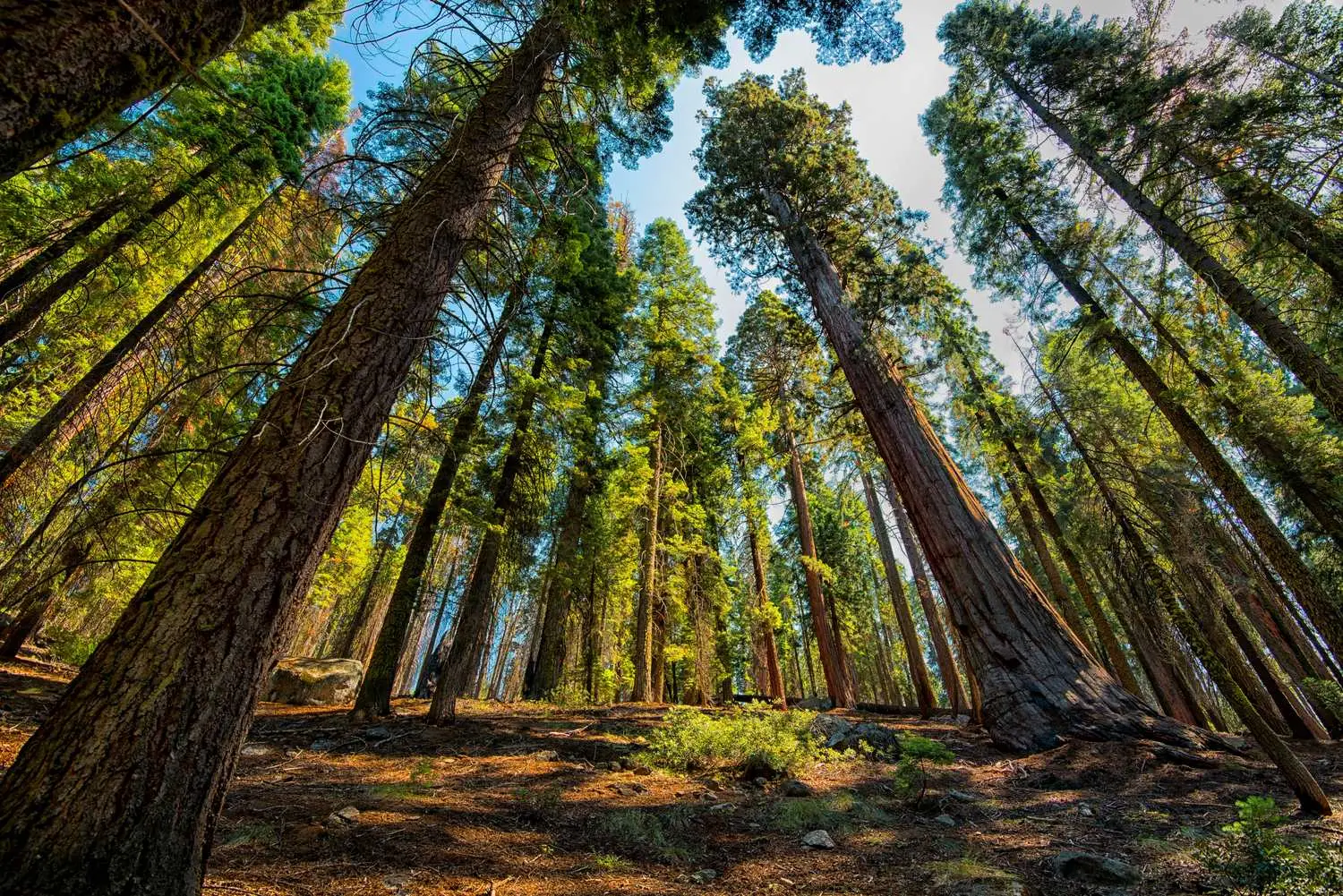
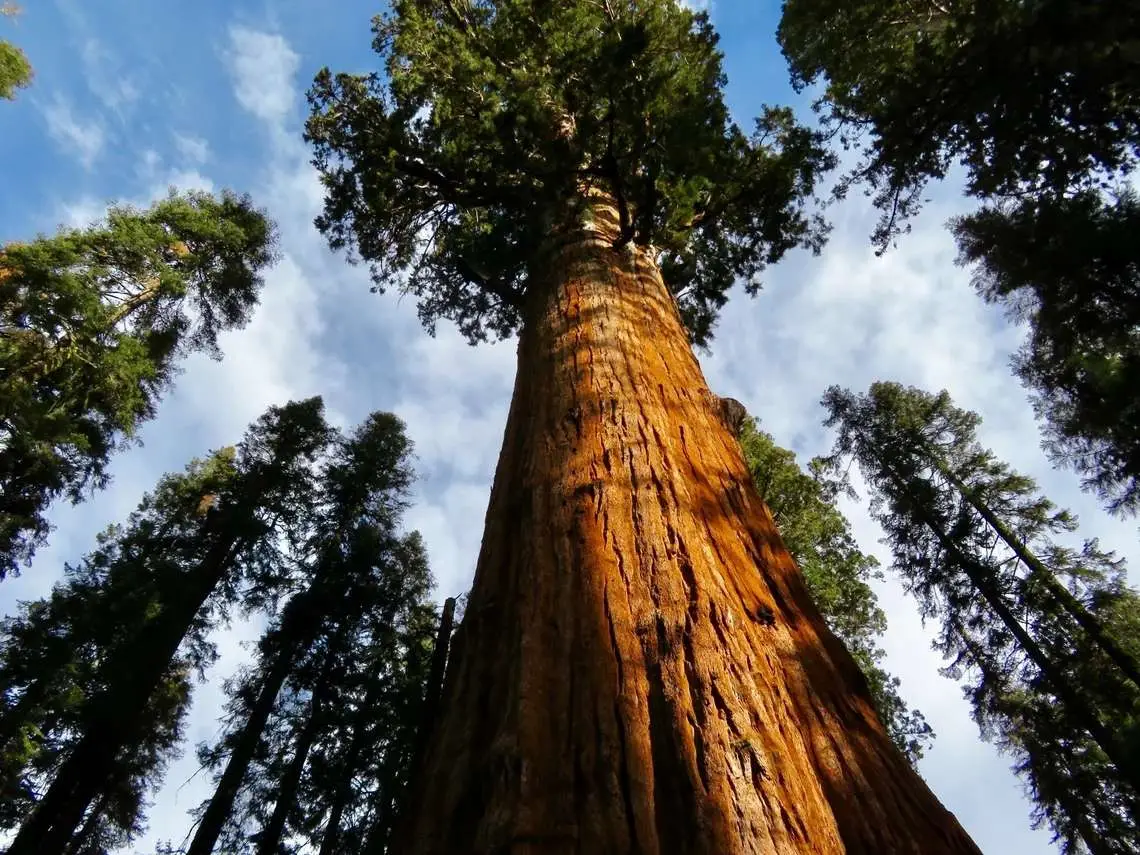
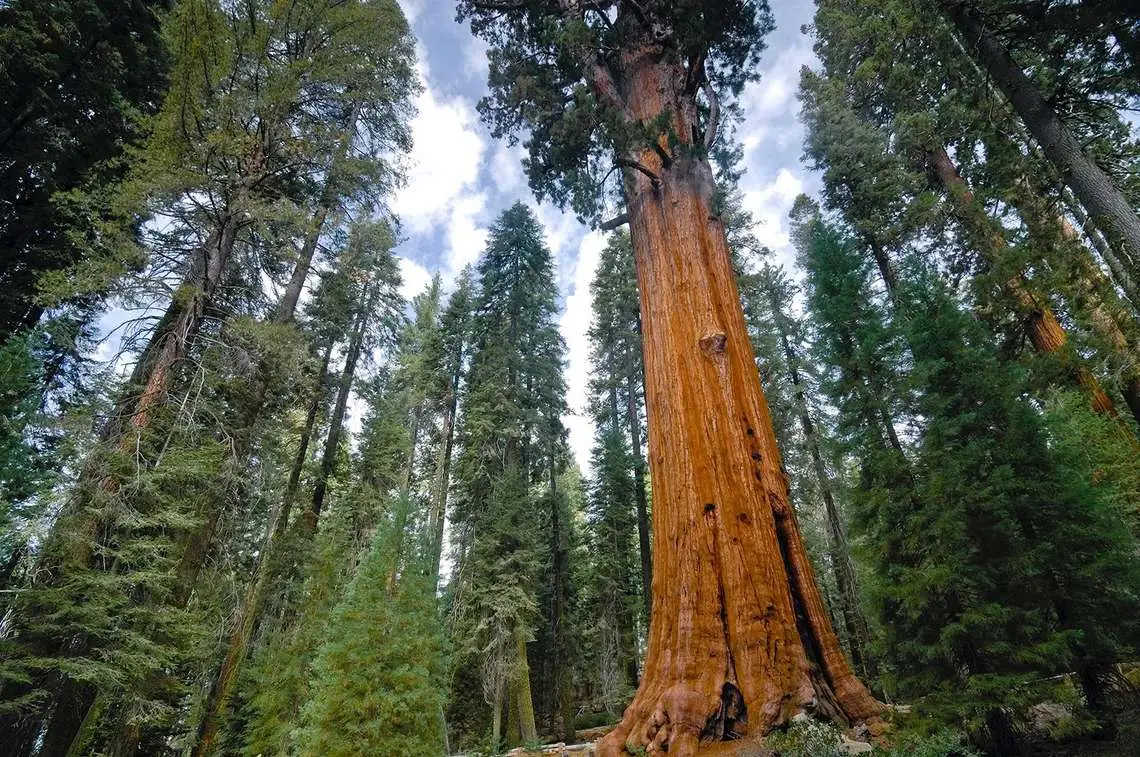
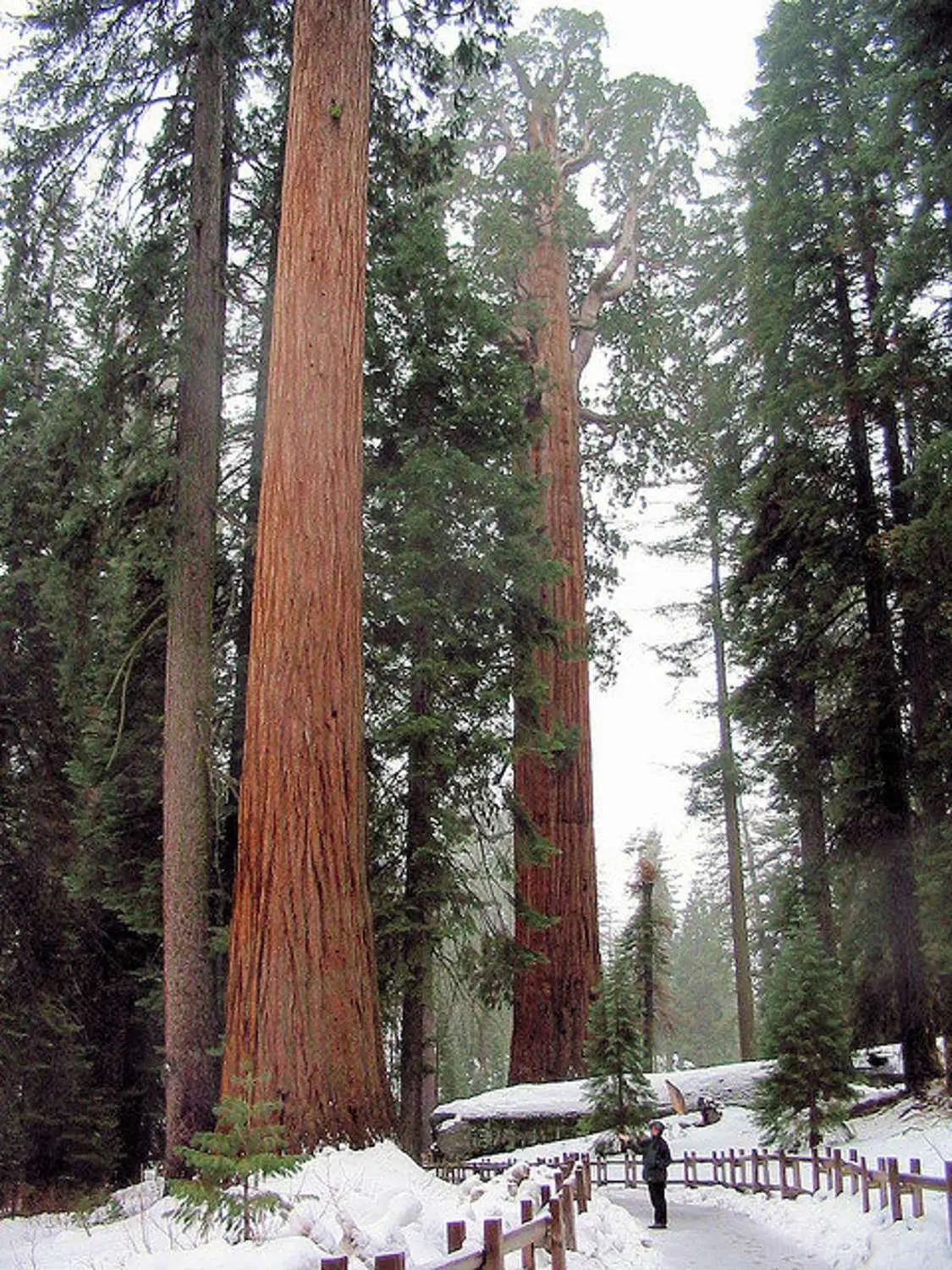
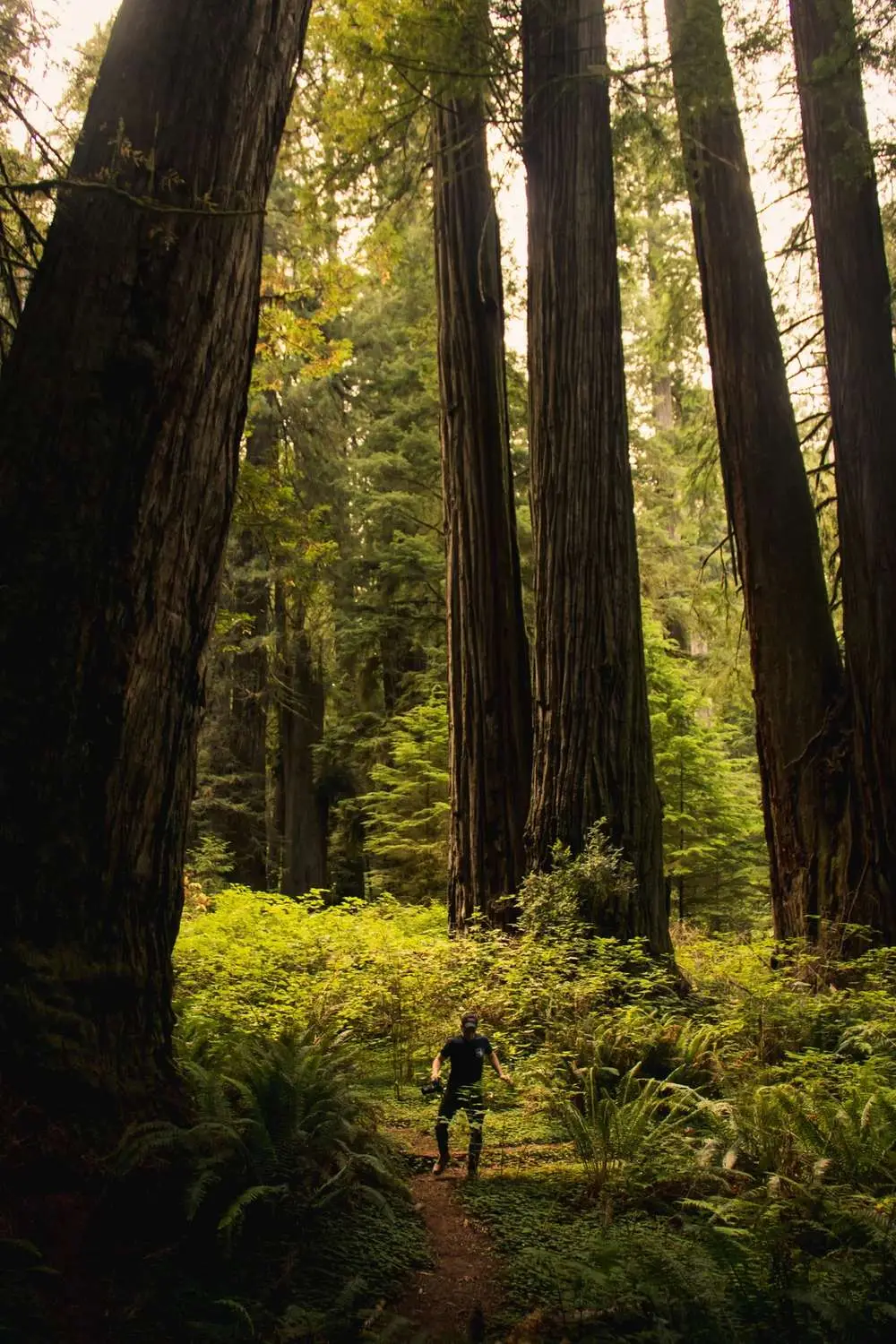
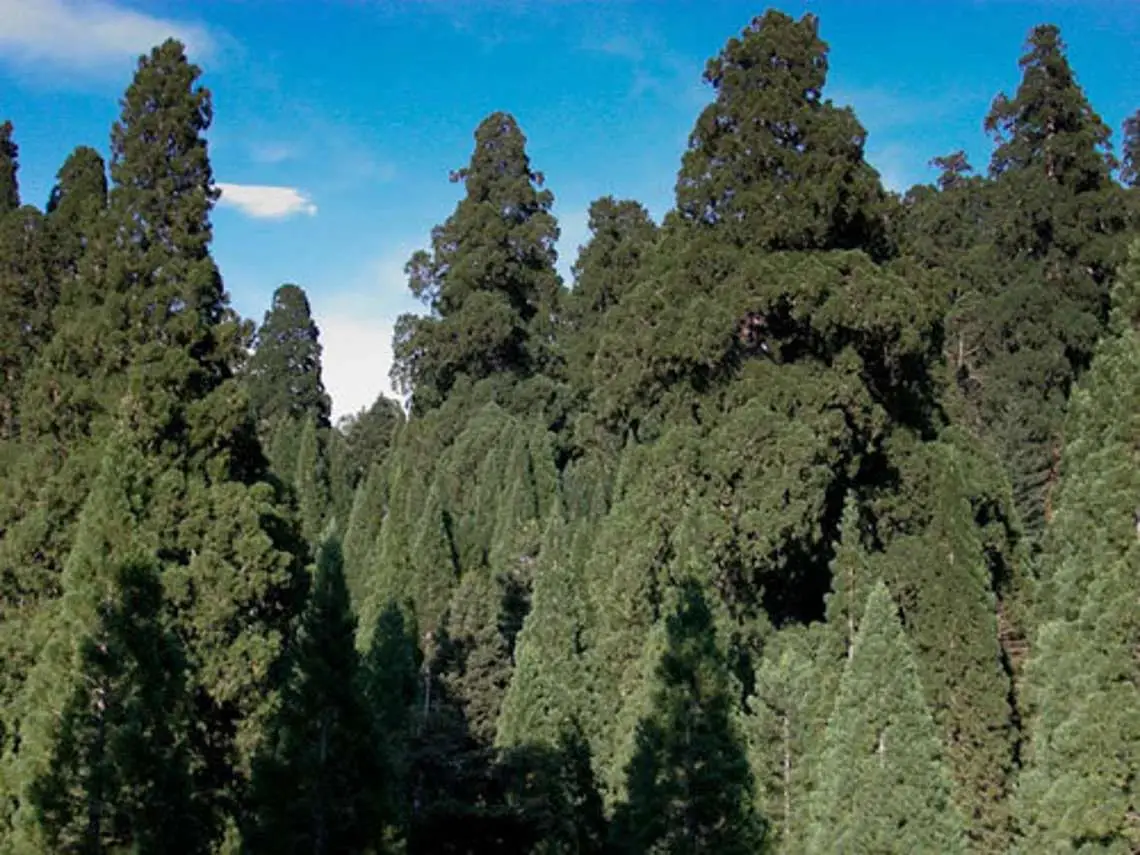
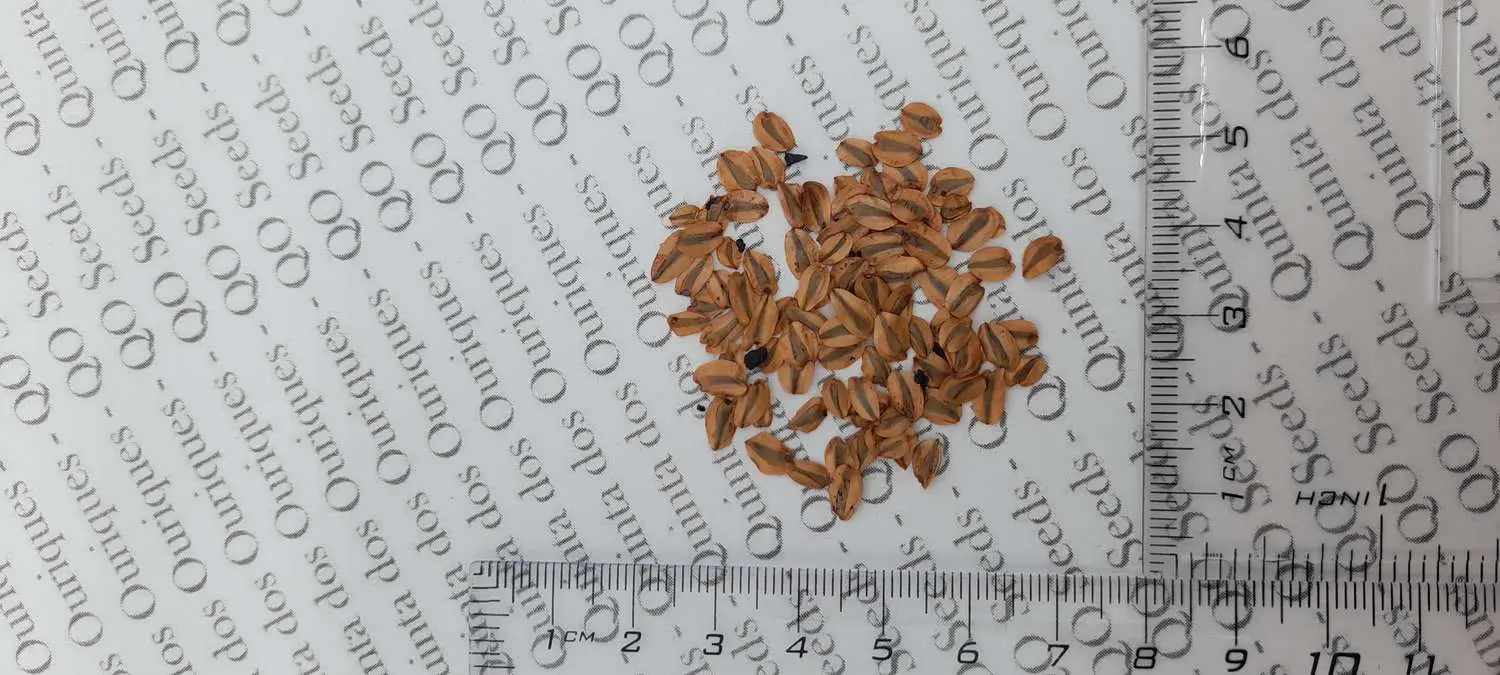
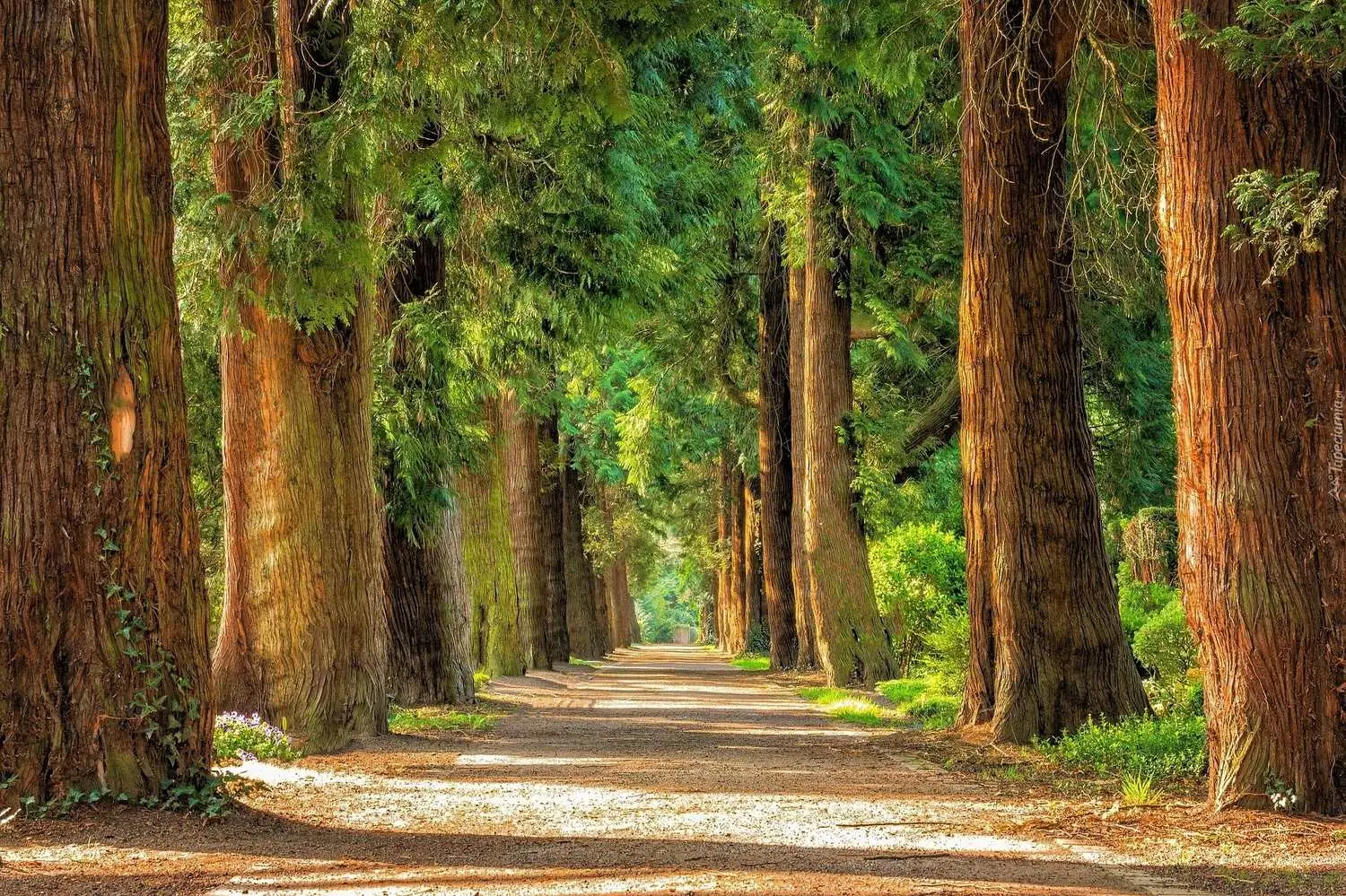
Imagine cradling the seeds of Earth’s mightiest tree. Sequoiadendron giganteum—the world’s largest living thing by volume—yields stunning ornamental miniatures and even prized bonsai specimens with that iconic cinnamon-red fibrous bark. Easy to moderate seed cultivation rewards you with a dense, pyramidal conifer that becomes a living heirloom spanning millennia. Your descendants will know you started this.
€4.84
Grow the world’s largest and oldest tree from a single seed—one of nature’s most awe-inspiring acts of creation. Sequoiadendron giganteum, the legendary Giant Sequoia of California’s Sierra Nevada, is a living monument of incomparable scale and beauty, and now it can flourish in your own garden.
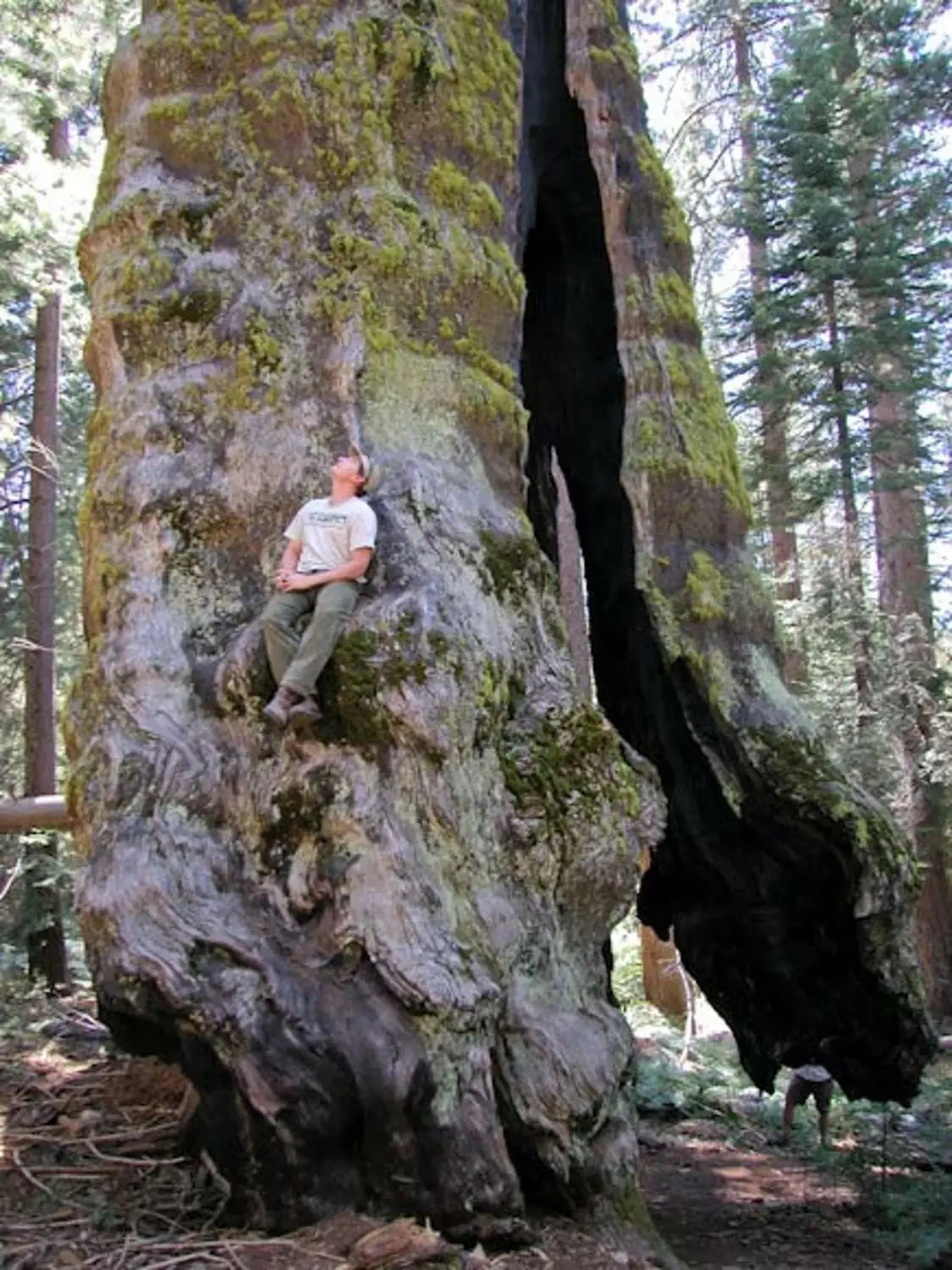
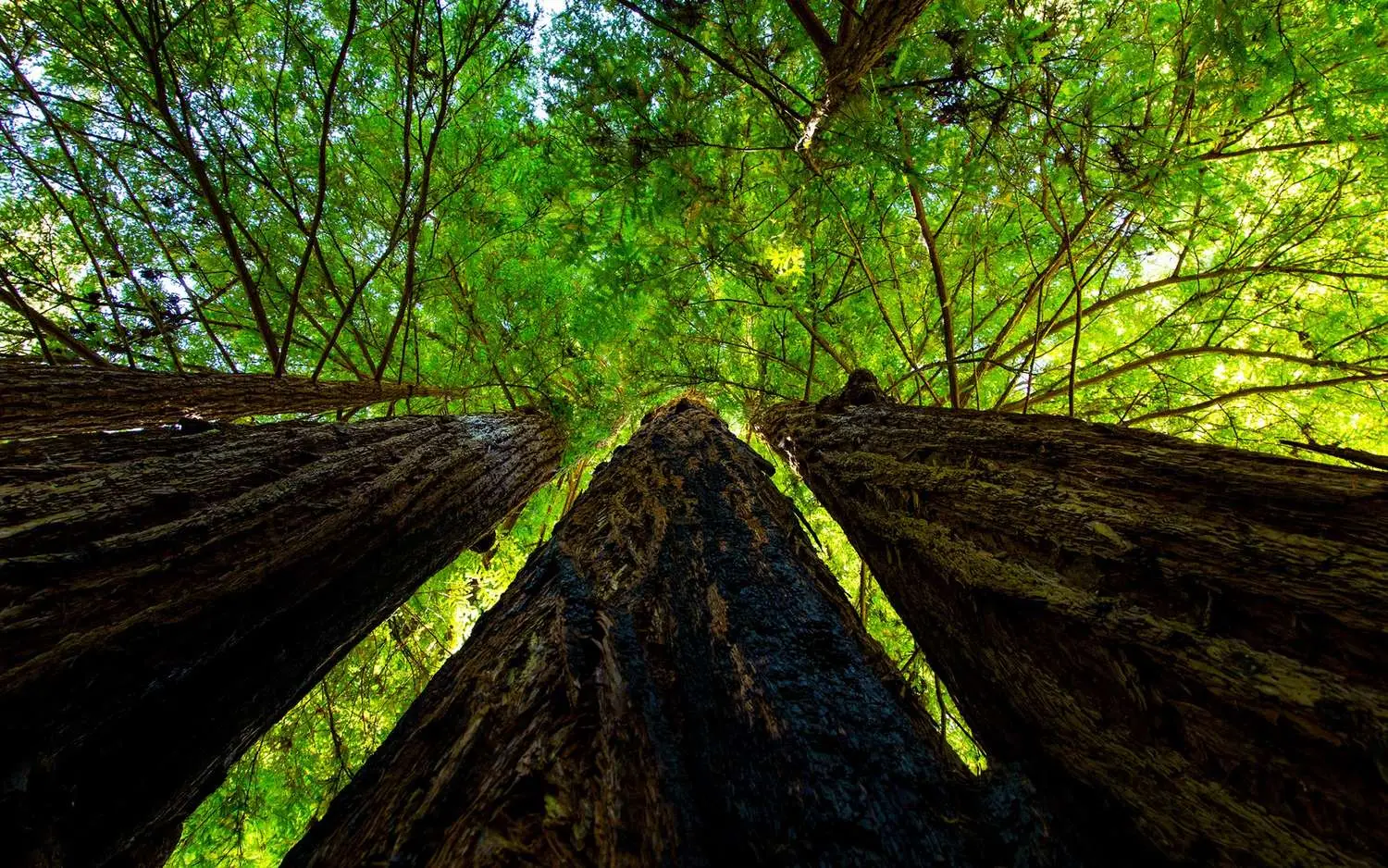
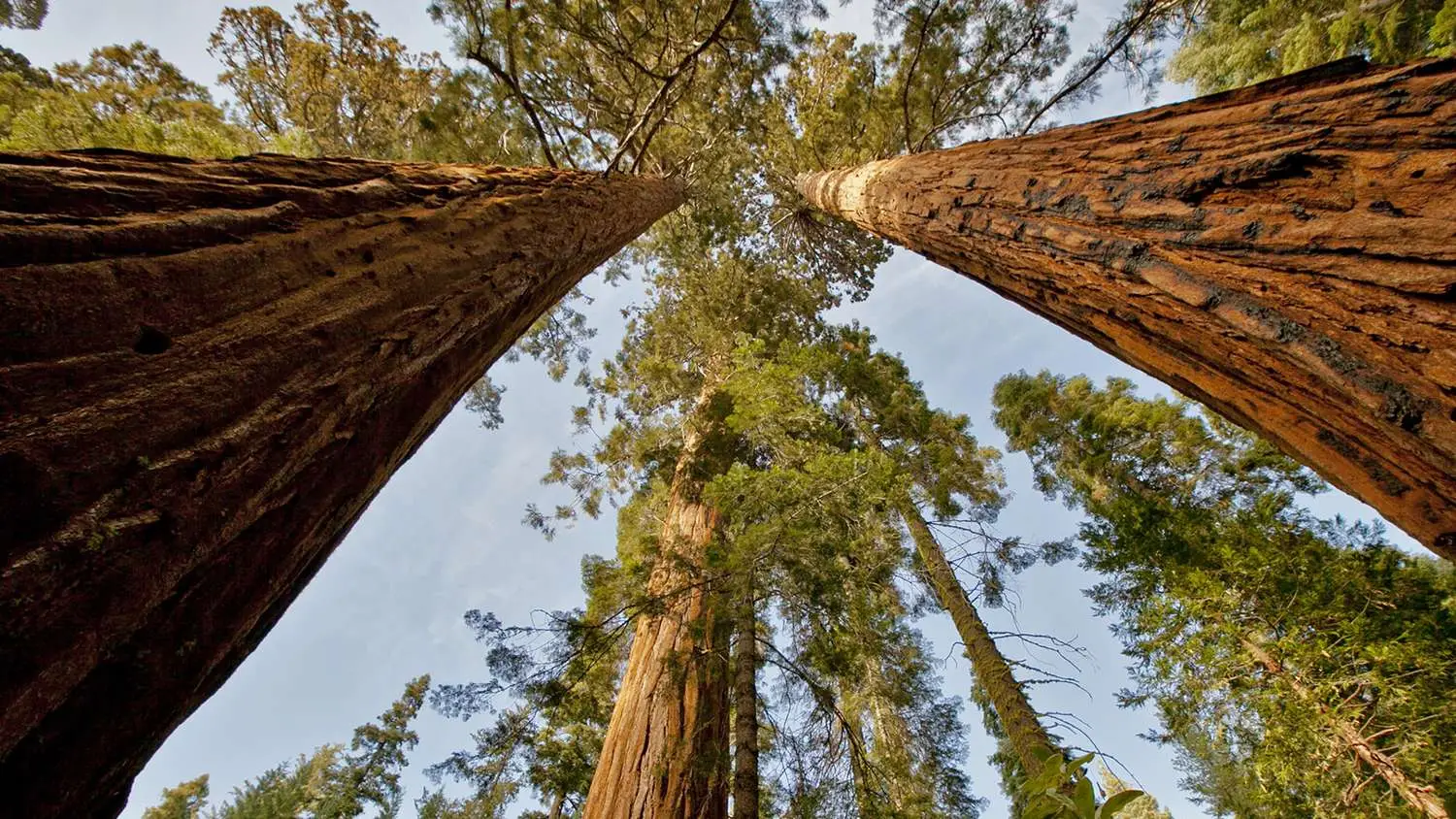
Native only to a narrow belt of California’s western slopes, giant sequoias are among Earth’s oldest organisms—some exceeding 3,200 years of age. Previously known as Wellingtonia and Sierra Redwood, they were ‘discovered’ by Western science in the 1850s and immediately prized worldwide. These giants are not merely big; they are the largest trees on Earth by volume. A single specimen contains roughly the mass of a large multi-storey building. What begins as your seed becomes a living inheritance.
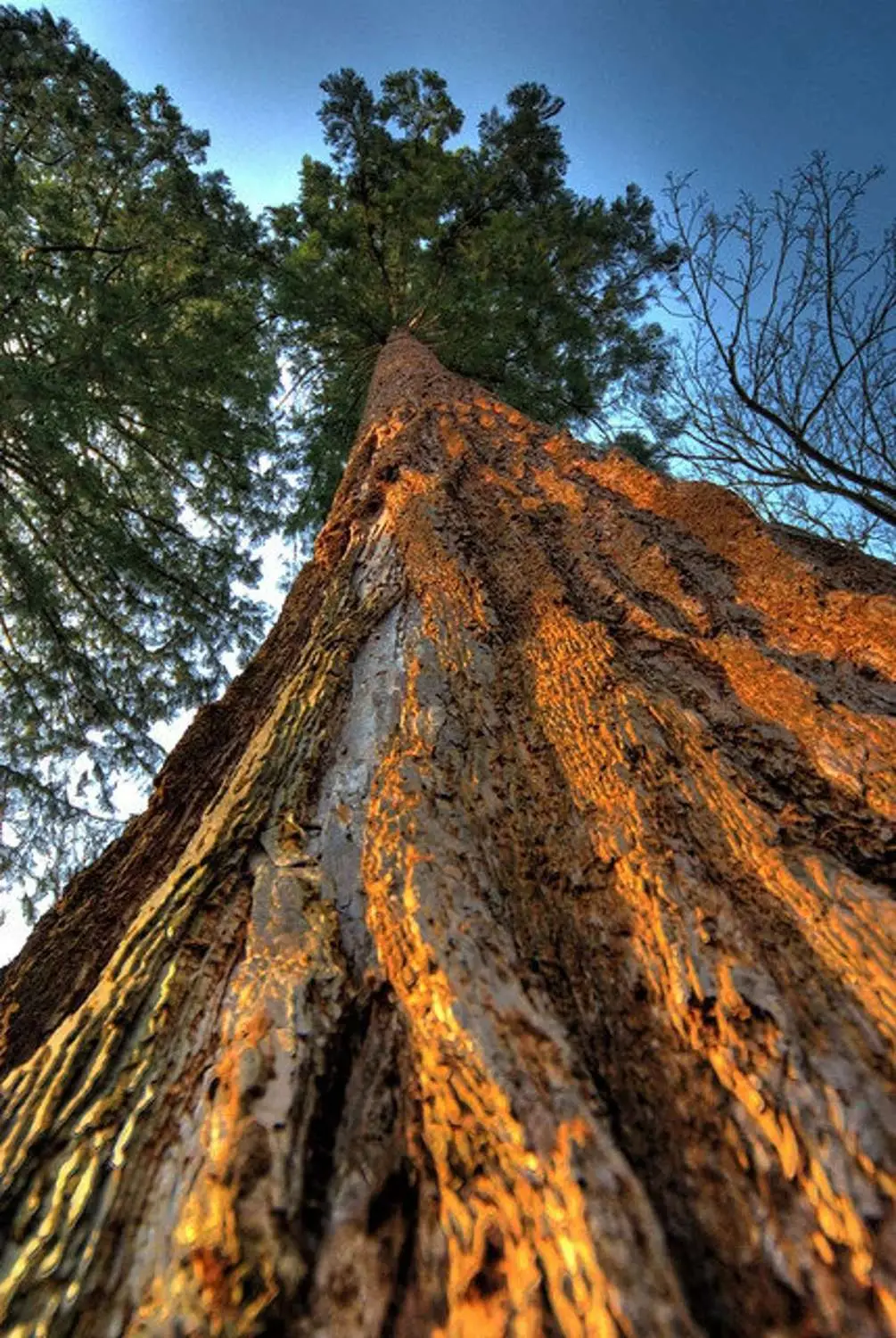
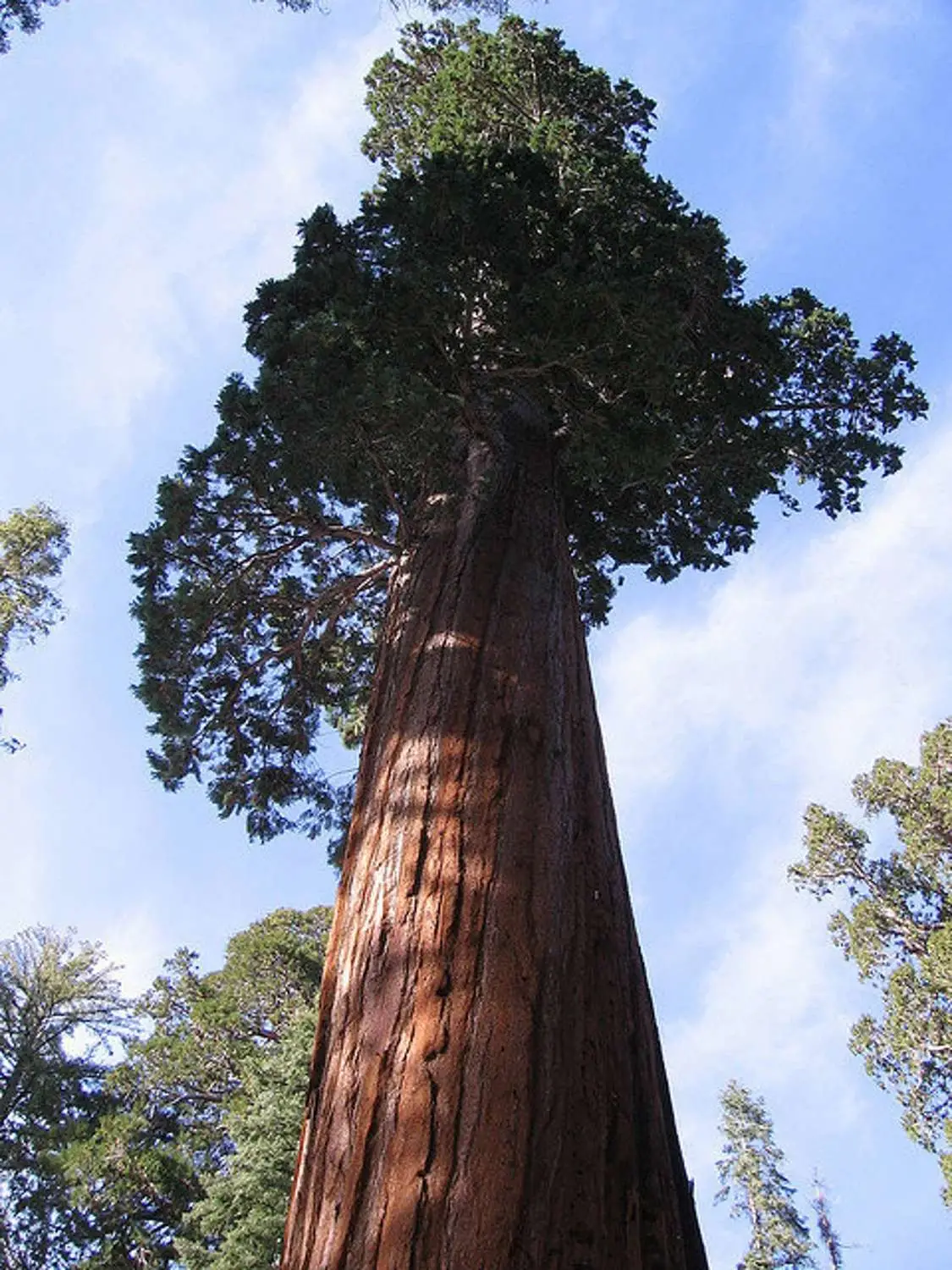
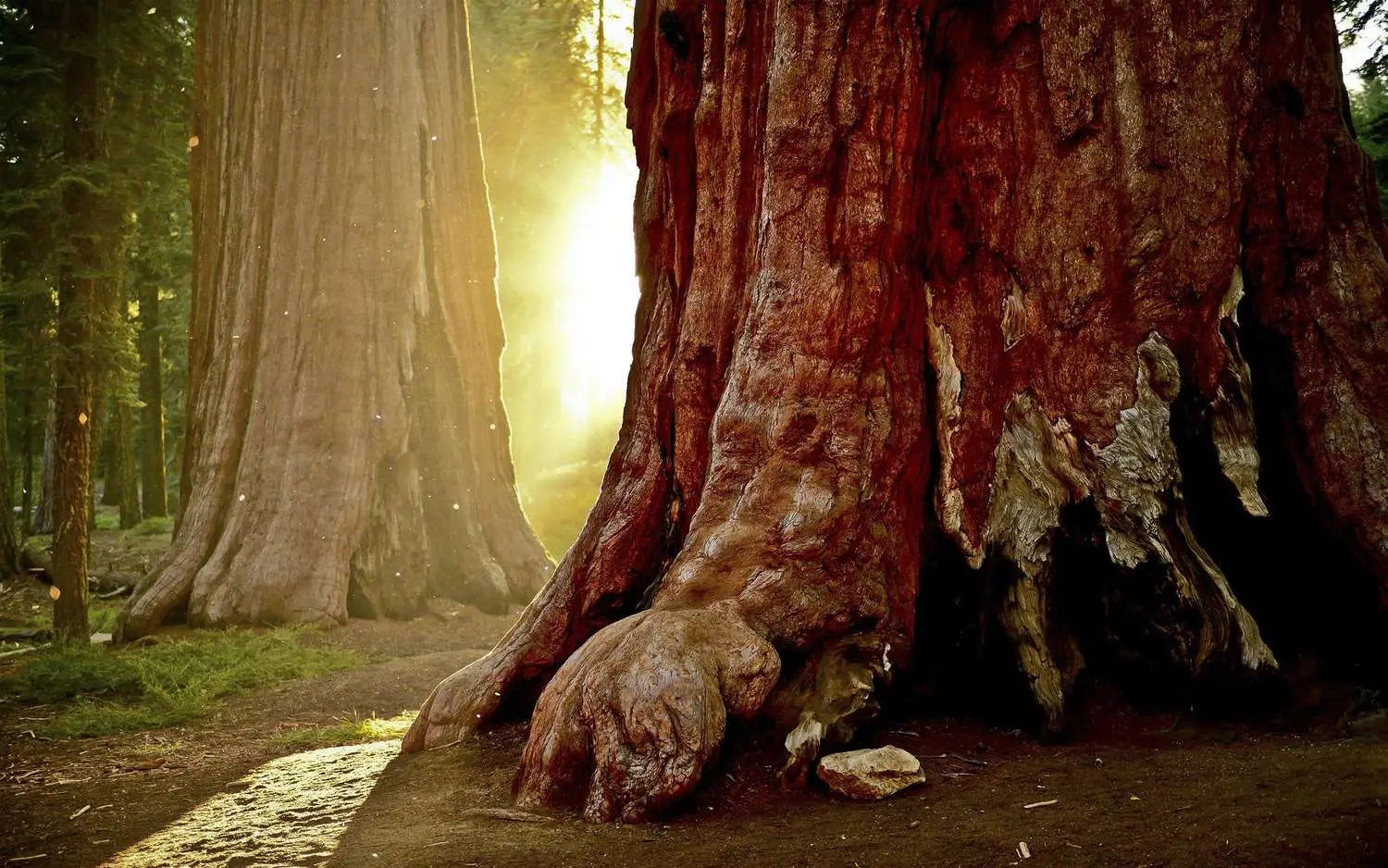
The star of the giant sequoia is its cultivation as both a magnificent ornamental conifer and a compelling bonsai subject. Unlike coastal redwoods, the giant sequoia is celebrated chiefly for bulk and monumentality, forming a dense conical crown when young. As it matures, it reveals one of nature’s most distinctive features: a massive, fluted trunk wrapped in thick, fibrous cinnamon-red bark that feels almost spongy to the touch. In bonsai cultivation—a practice gaining devoted followers—the tree develops that remarkable red bark and layered canopy structure with remarkable speed, creating a miniaturized ‘monarch of the forest’ for patient collectors. The foliage is fine-textured, blue-green scale-like needles that clothe the branches densely, deepening in color with age. Even as a garden specimen in temperate zones, a young sequoia becomes a sculptural focal point, its conical form and distinctive coloring unmistakable.
Growing your giant sequoia is surprisingly accessible. This is an easily cultivated, fast-growing tree that thrives in full sun with deep, fertile, well-drained soil and moderate water—especially during establishment. It prefers cool, humid climates and adequate moisture, making it ideal for temperate zones with regular rainfall. The seedling stage requires patience and attention: seeds benefit from cold stratification (30–60 days in cool, moist conditions), surface sowing in sterile, porous mix, and protection from waterlogging. Once established, the tree becomes notably hardy and drought-tolerant, requiring little fuss. In USDA zones 6–8, cultivation thrives; this conifer tolerates light shade when young but demands full sun for dense, healthy foliage.
Imagine planting this seed today and watching it grow into an ancient giant—a living bridge to millennia. Your giant sequoia becomes a testament to patience, ecology, and wonder. Every year it adds meters of height, stores vast carbon, and provides shelter. You are not simply growing a tree; you are cultivating time itself. Start from seed and join the lineage of collectors who have revered this species since its Victorian debut. This is your chance to nurture a living monument.
Only logged in customers who have purchased this product may leave a review.


Reviews
There are no reviews yet.