
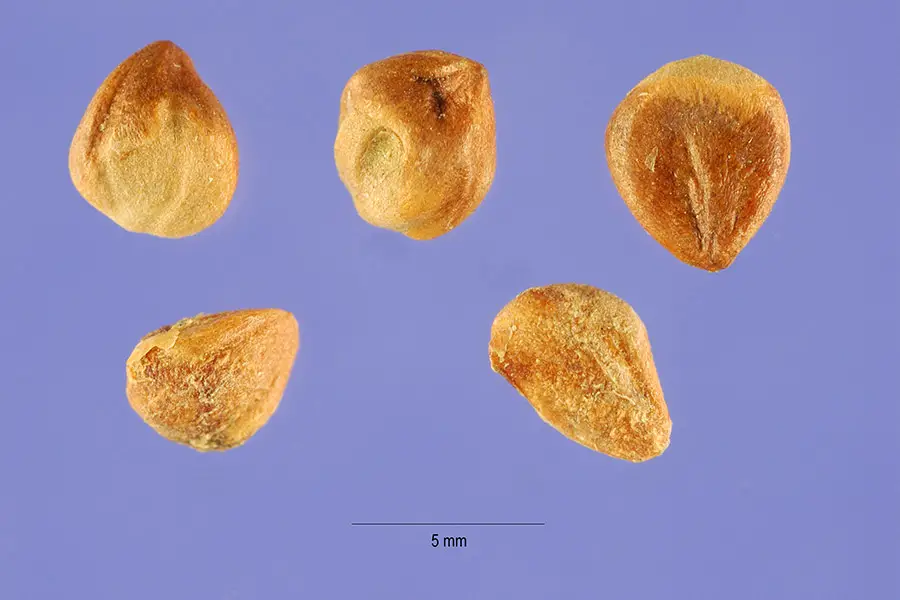
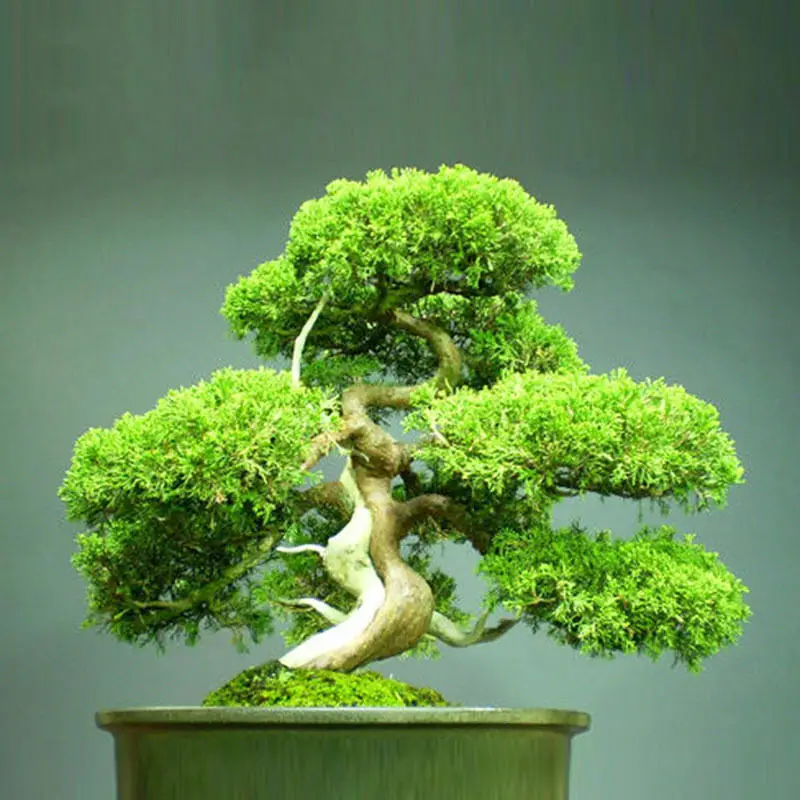
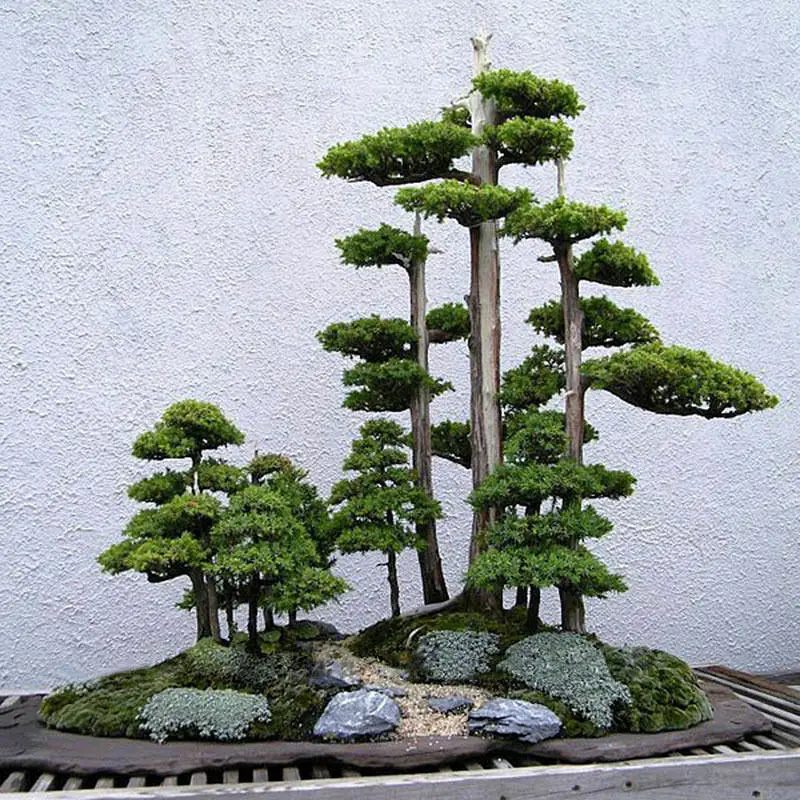
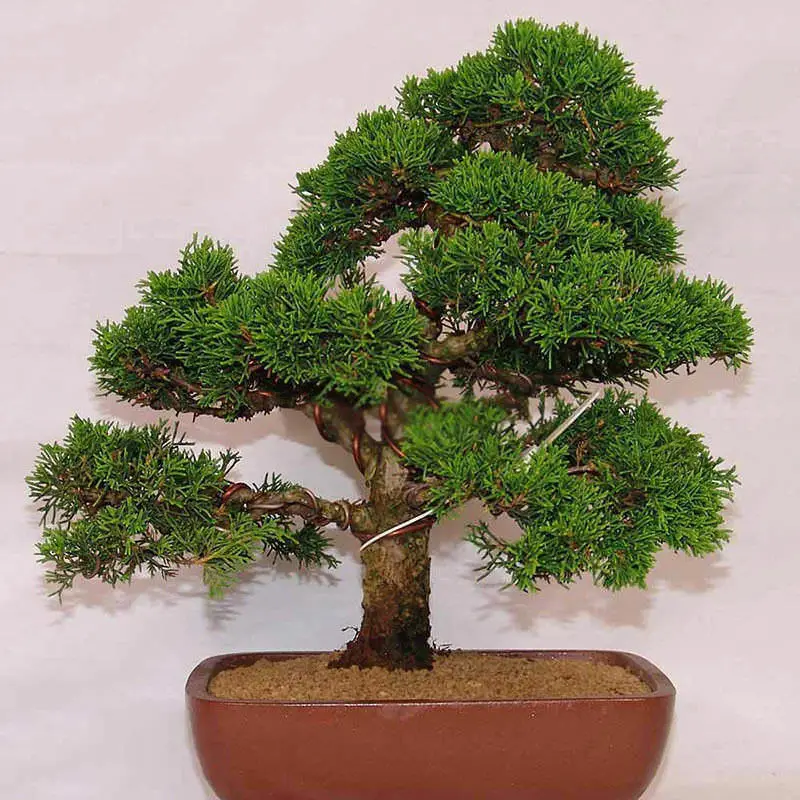
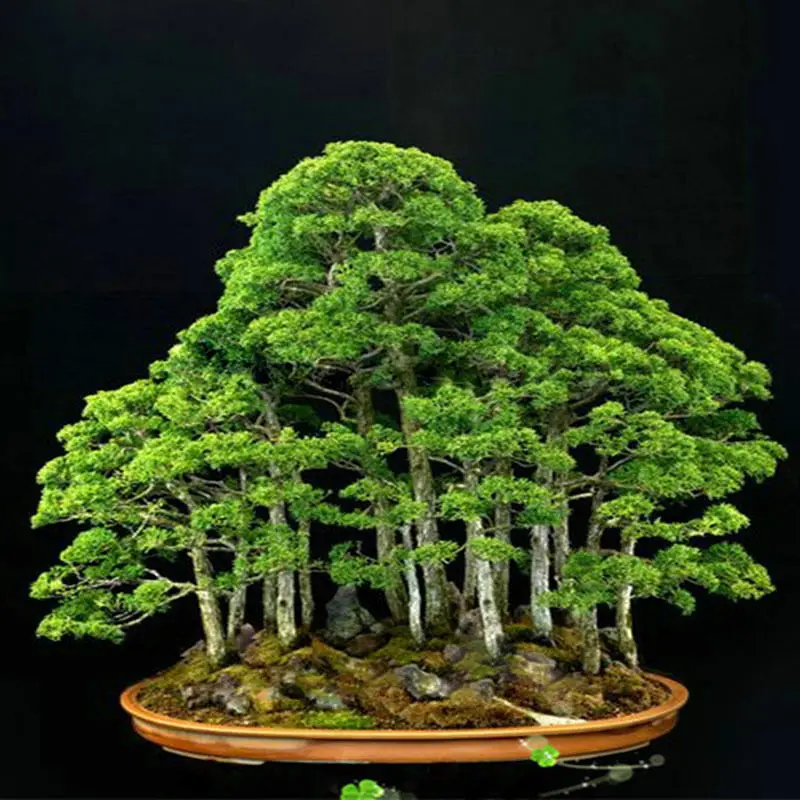
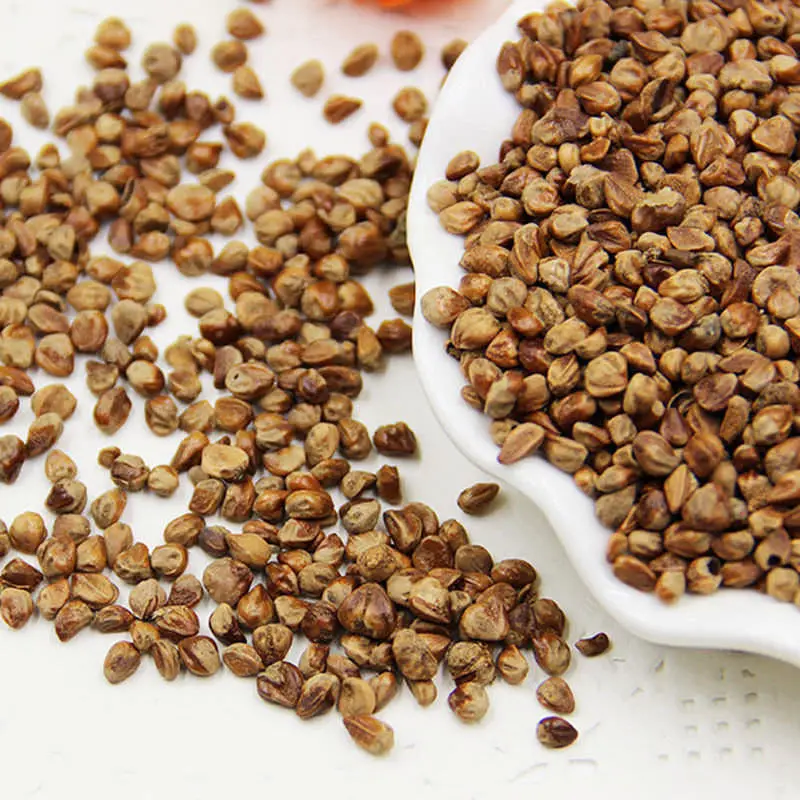
Grow the juniper that changed bonsai forever. Juniperus chinensis, home to the 250-year-old Omiya and the legendary ‘Shimpaku’ and ‘Itoigawa’ cultivars, is THE bonsai species that transforms patient hands into artists. Dense, scale-like foliage bends to your vision. Aromatic berries add culinary & medicinal magic. From full sun to coastal salt, this conifer laughs at neglect once rooted. Start your dynasty from seed.
This is the juniper that made bonsai legendary—the living art form that has captivated masters for over a thousand years.
Juniperus chinensis originates from the misty mountains of China, Japan, Korea, Mongolia, and the Himalayas, where it thrives on rocky, windswept slopes. For more than a millennium, it has been revered in East Asian gardens, temples, and—most critically—in the sacred art of bonsai. This is not a beginner’s plant; it is the canvas upon which dreams of miniature mastery are painted. Some specimens now displayed in the world’s greatest bonsai museums have already lived for centuries, their twisted trunks and aged bark speaking of generations of patient hands.
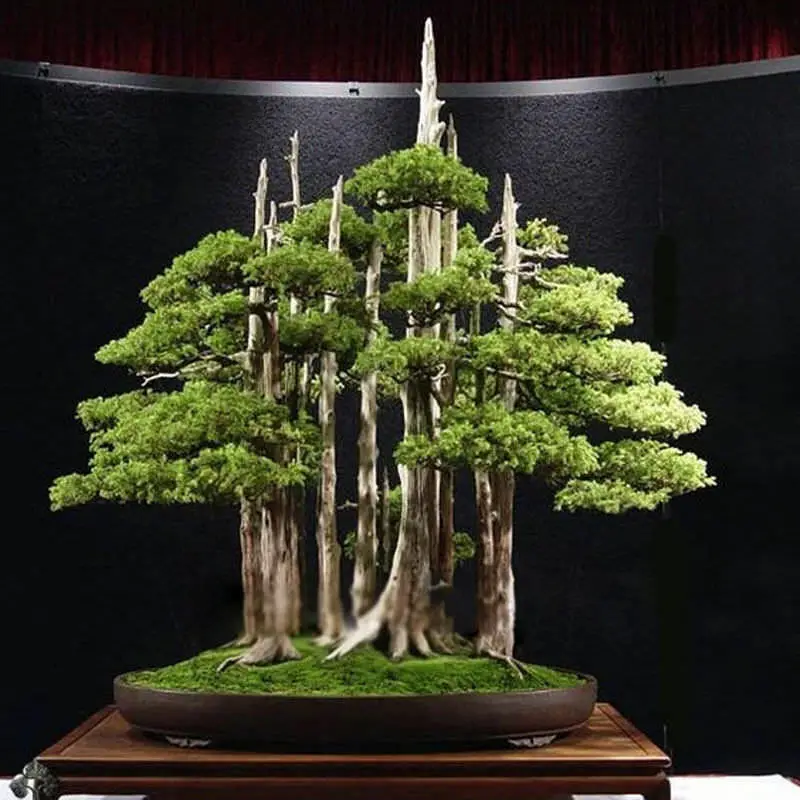
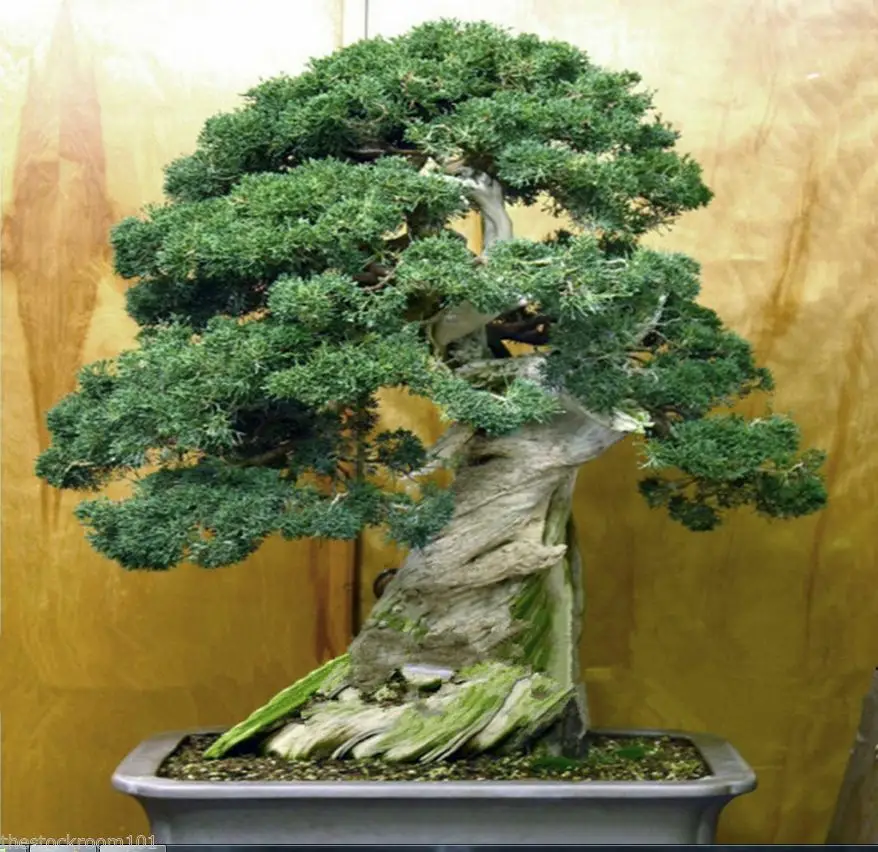
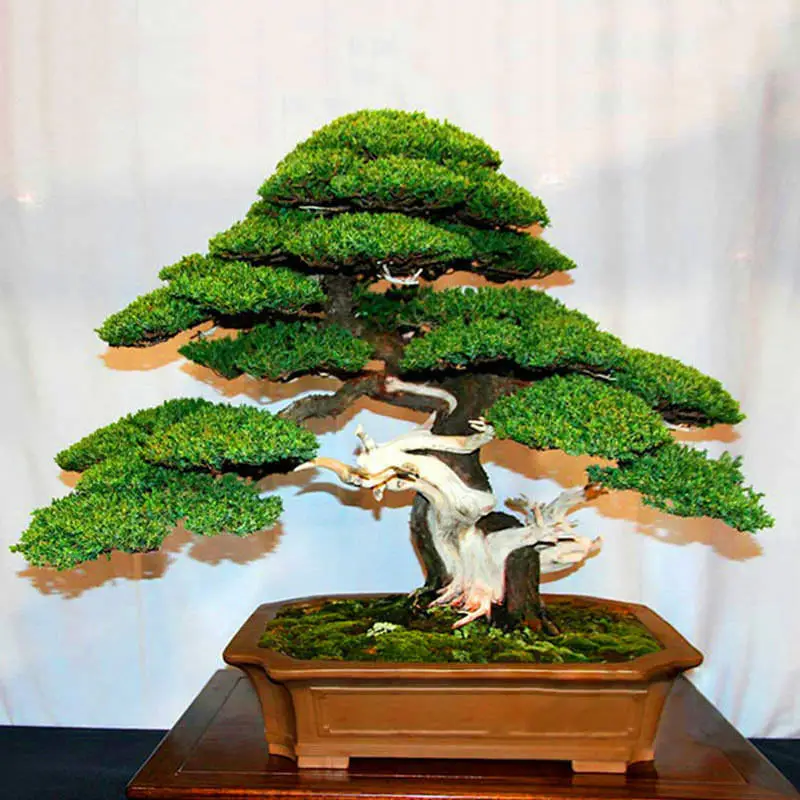
BONSAI: THE ART THAT DEFINES A SPECIES. If you are serious about bonsai, Juniperus chinensis is your north star. The legendary ‘Shimpaku’ variety—which originated in Japan and remains the global standard for juniper bonsai—grows with a natural density and compact form that makes every cut, every wire, every artistic choice matter. The ‘Itoigawa’ cultivar, prized above all others for its tight, fine foliage and excellent growing habits, teaches patience and reveals the sculptor within you. Famous specimens like the 250-year-old “Omiya tree” at Birmingham Botanical Gardens and the renowned “Goshin” at the National Bonsai and Penjing Museum at the U.S. National Arboretum prove what is possible when time, skill, and this species align. The foliage shifts—soft, feathery juvenile growth that matures into flat, scale-like leaves in shades of blue-green, silver, and deep forest green. In winter, many cultivars turn bronze or russet, adding dramatic seasonal interest. The bark peels in thin strips, revealing beautiful reddish-brown wood beneath—perfect for jin and shari work (the deadwood techniques that make bonsai sing with age and character). This species tolerates and even celebrates the radical shaping, wiring, and pruning that bonsai demands. It forgives mistakes and rewards consistency.
GROWING JUNIPERUS CHINENSIS: REWARDING SIMPLICITY. Once established, this tree is surprisingly forgiving. Full sun is non-negotiable—place it where it drinks 6+ hours of direct light daily, and it rewards you with compact, vibrant growth. Soil must drain perfectly; soggy roots are its only real enemy. Use well-draining bonsai soil or a mix of pumice, bark, and akadama. Water moderately; allow the soil to dry slightly between waterings, especially in winter. This is a hardy outdoor plant (USDA zones 4–9) that actually needs winter cold to thrive—bring it indoors only if temperatures drop below –10°C. The species tolerates coastal conditions, salt spray, urban pollution, and drought once rooted. Feeding during the growing season (spring and summer) keeps it vigorous. Pruning and wiring are your tools for artistry; the tree responds eagerly. Seedlings grow slowly in their first two years, building character and root systems, then accelerate as they mature.
Grow this seed, and you are planting centuries of tradition. You are joining the lineage of masters who have sculpted living art from this noble species. Your Juniperus chinensis may outlive you, may outlive your children, and may one day command the hushed respect of future bonsai lovers. That is the promise. That is the magic. Start your living masterpiece today.
Only logged in customers who have purchased this product may leave a review.

Reviews
There are no reviews yet.