
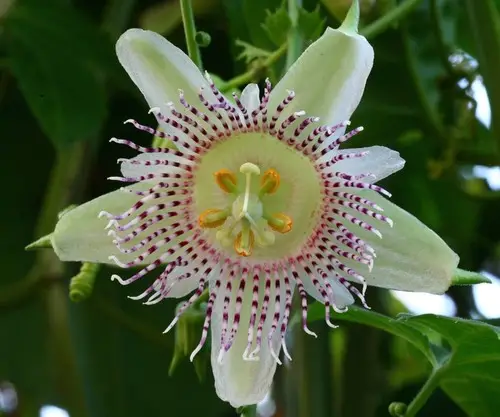
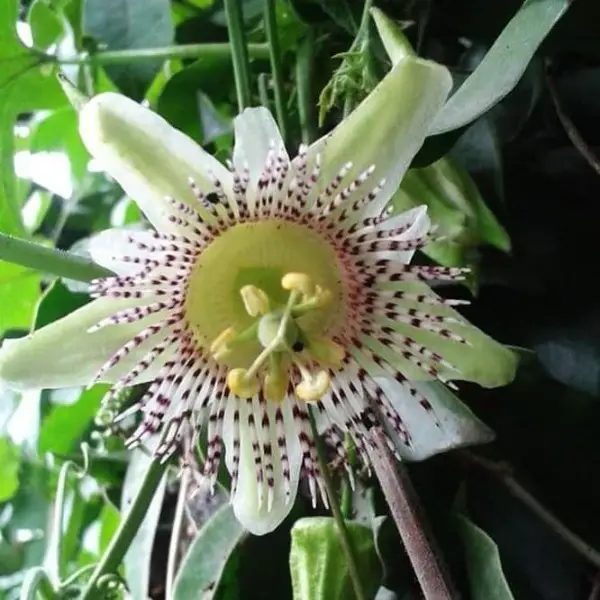
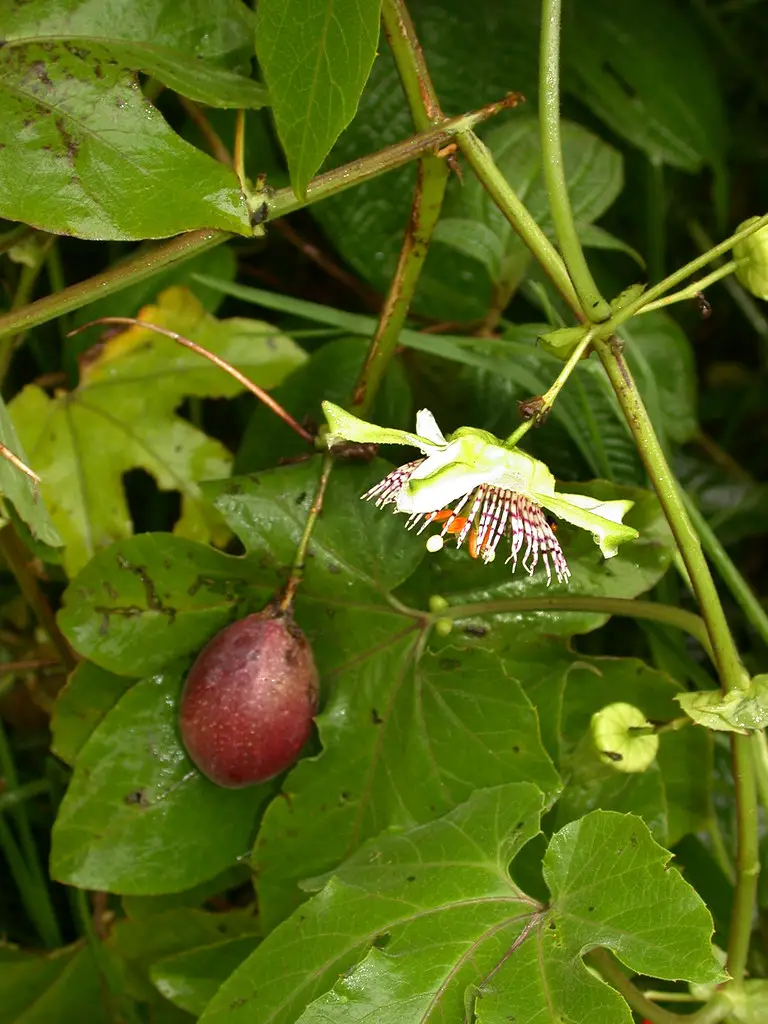
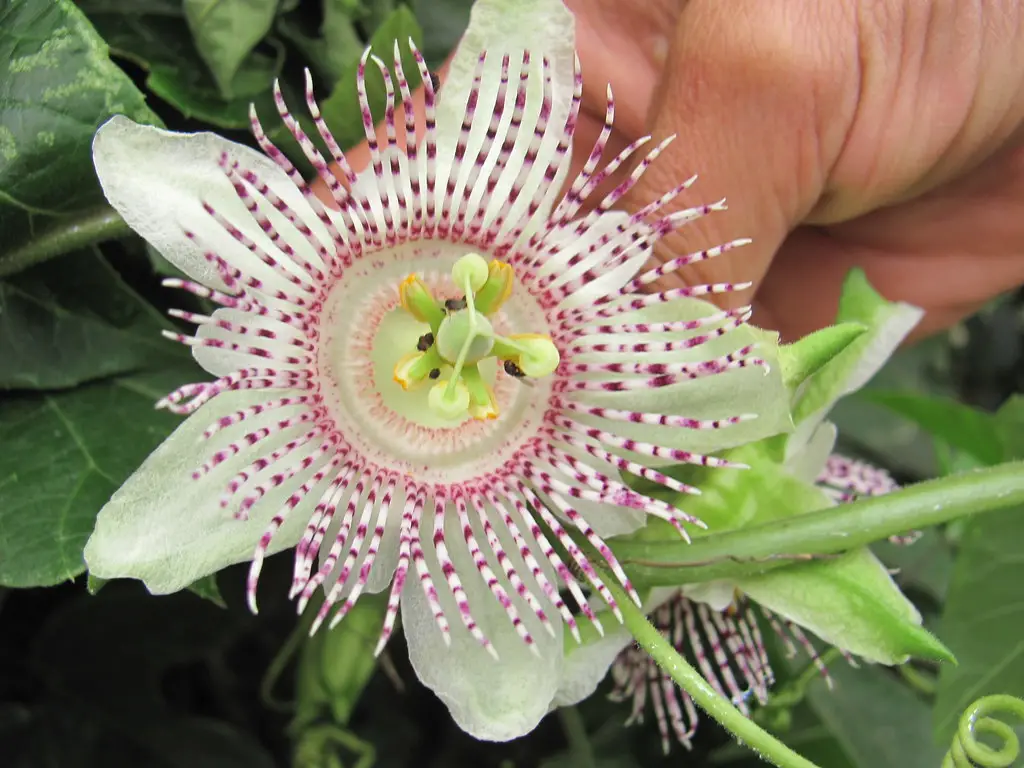
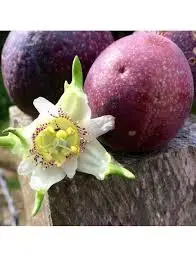
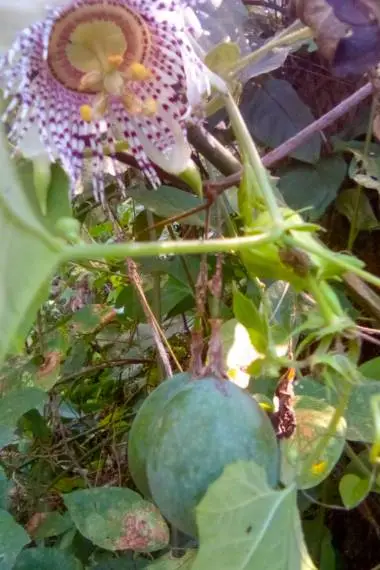
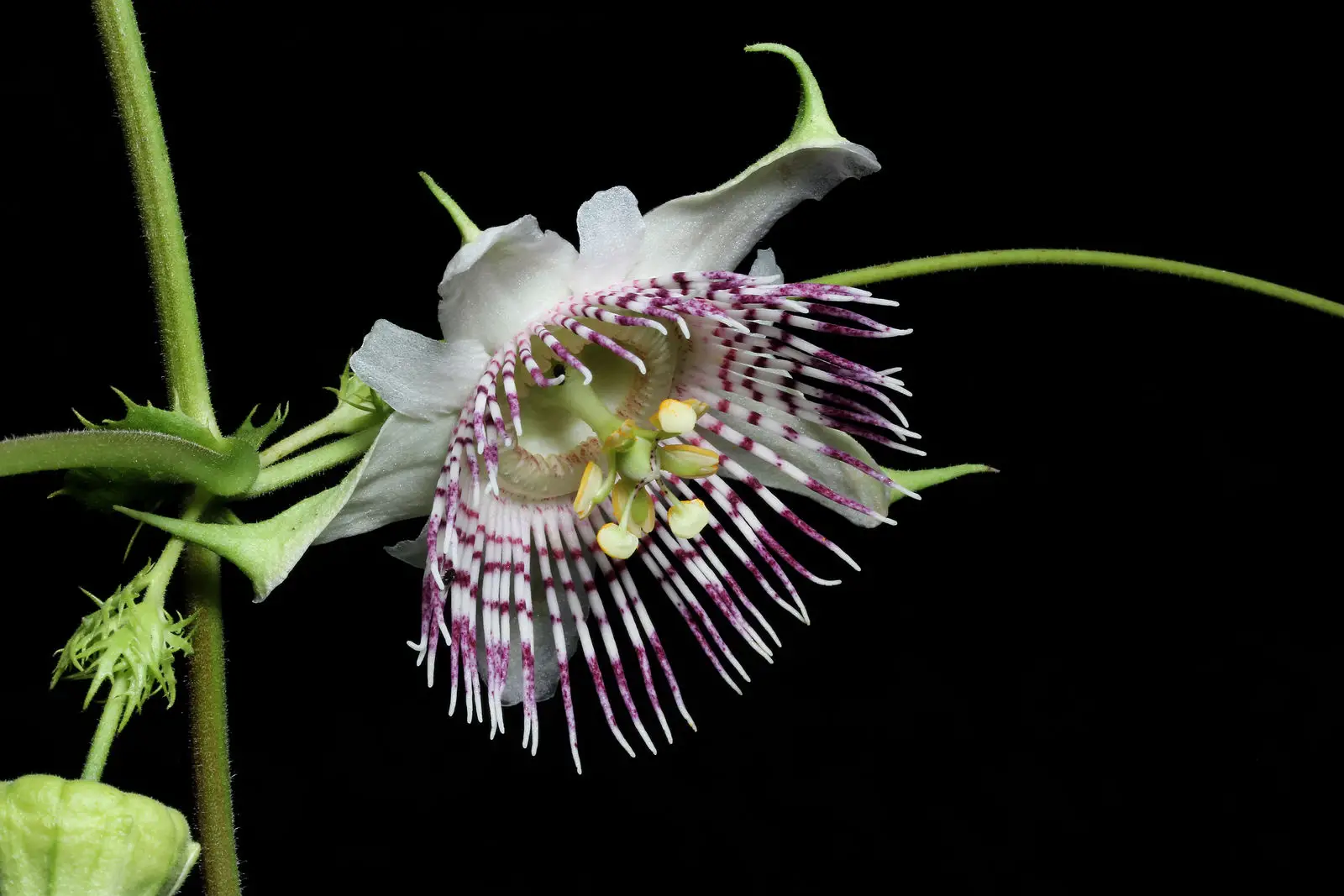
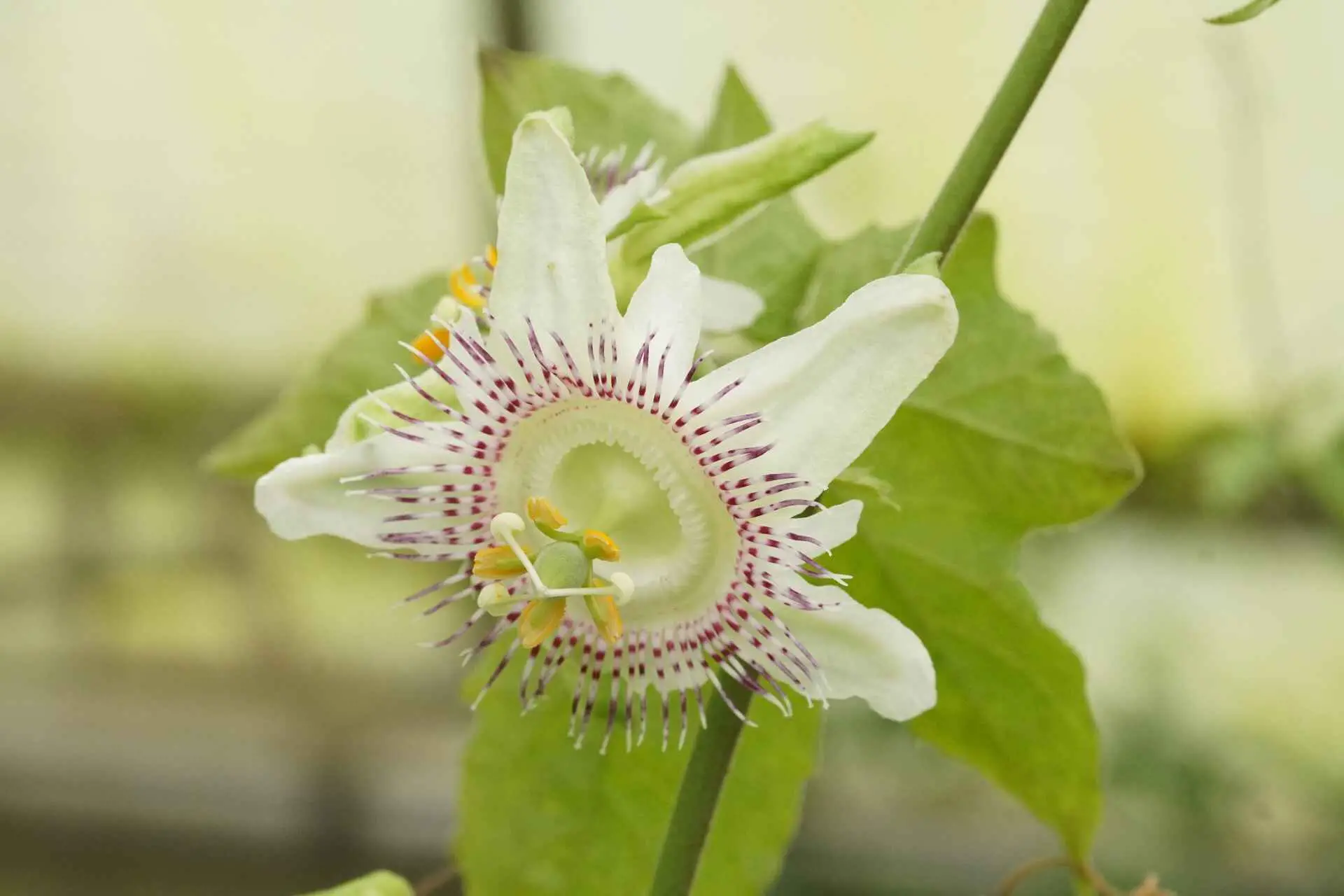
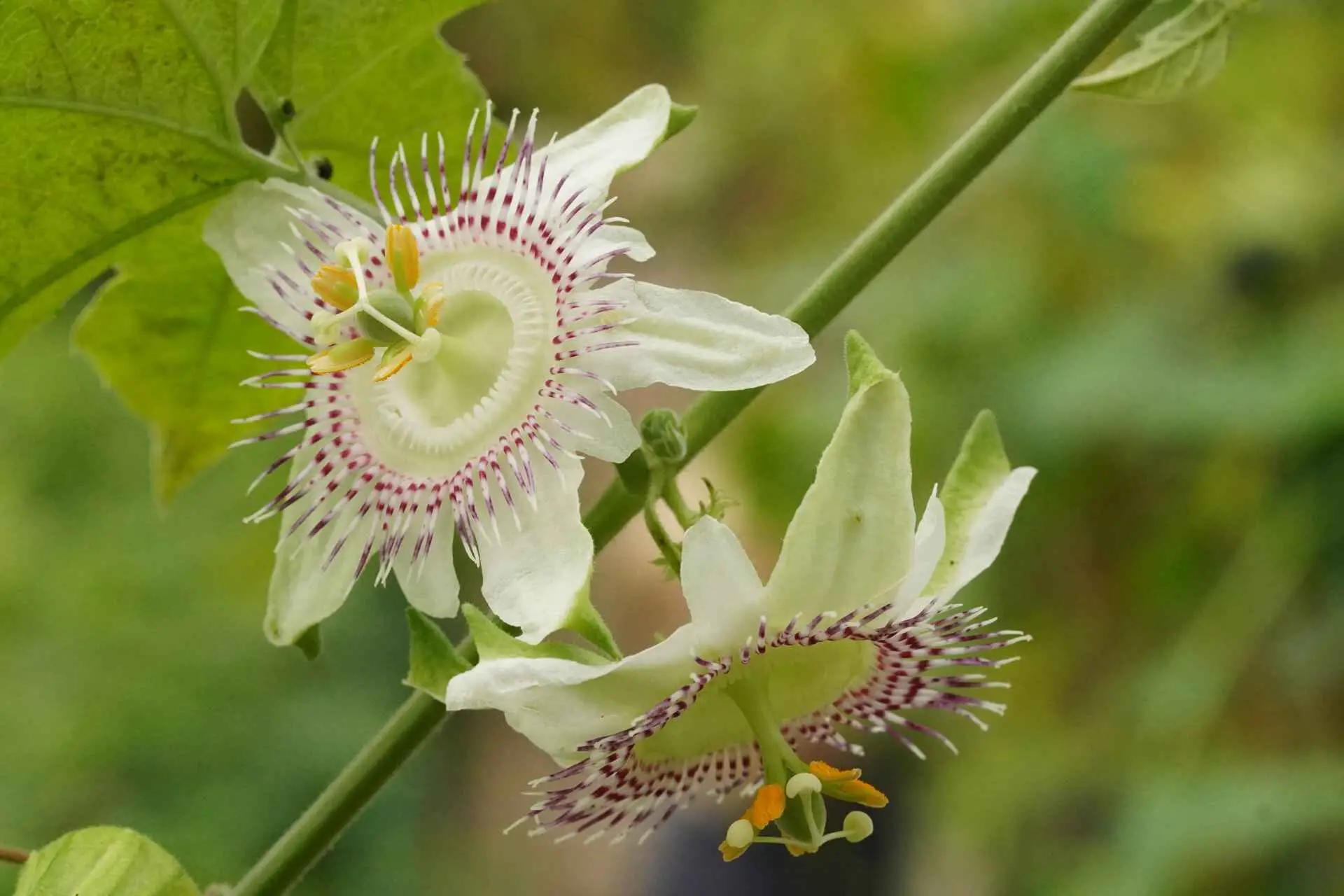
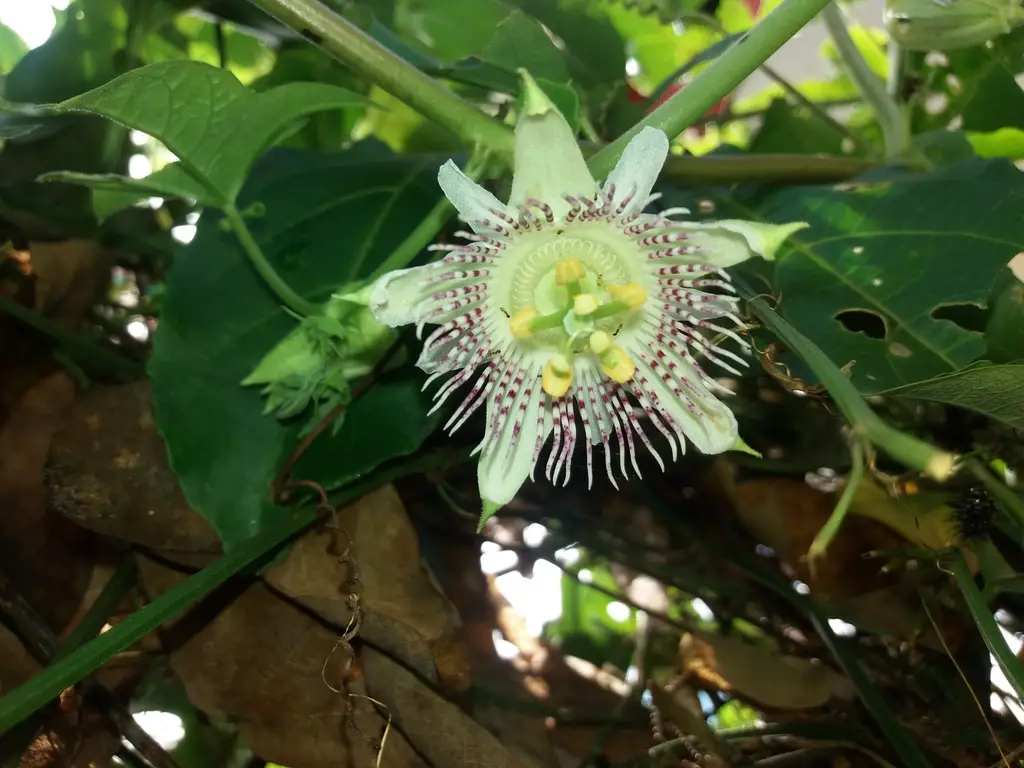
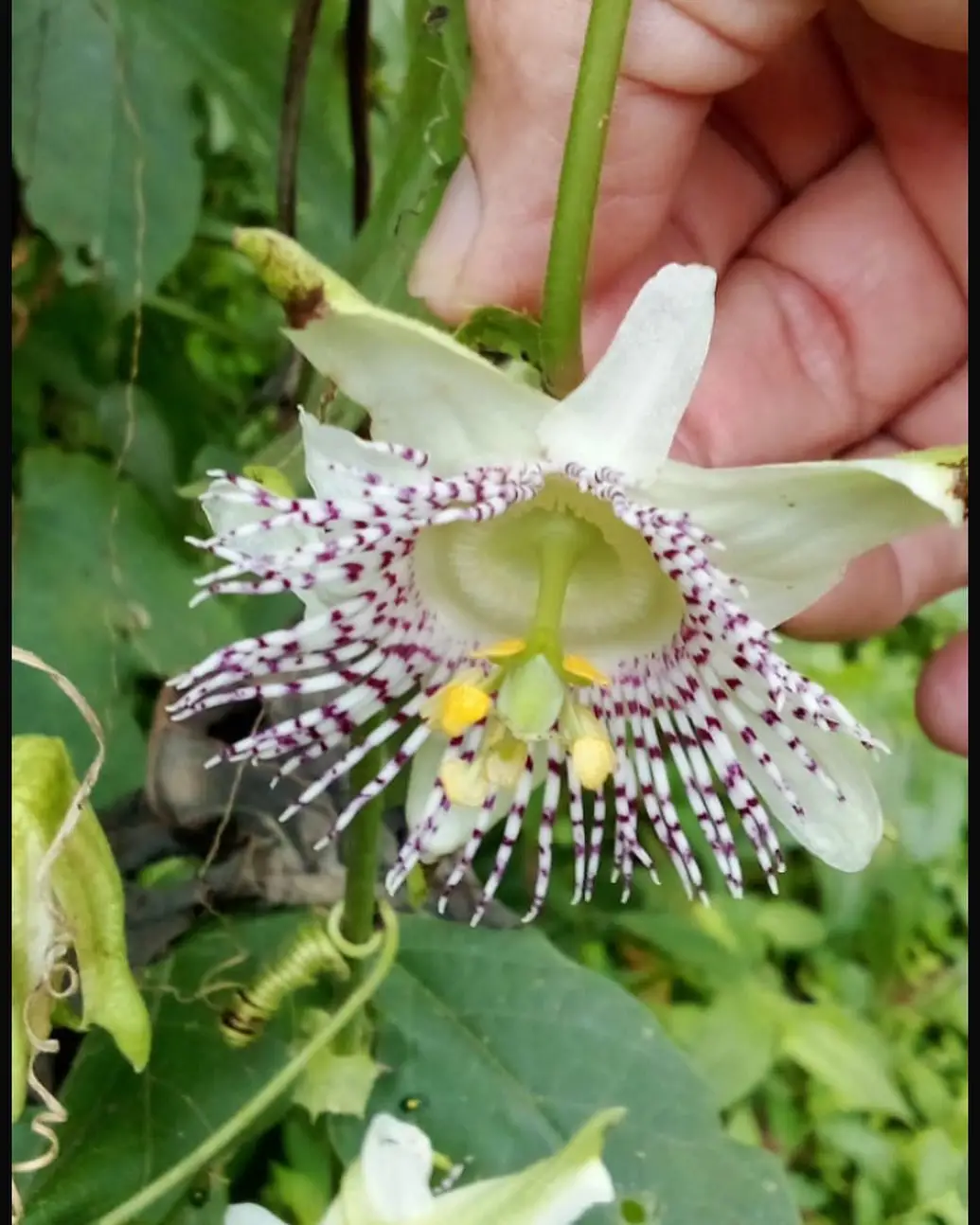
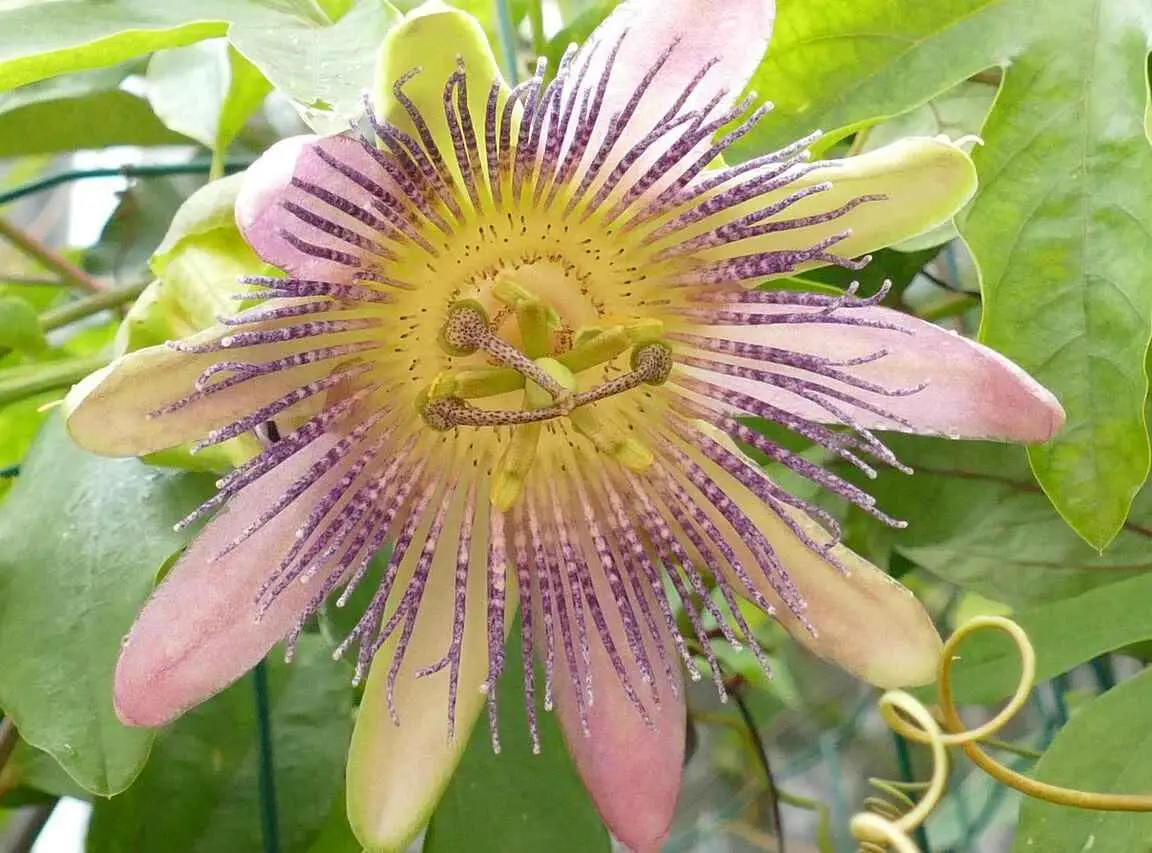
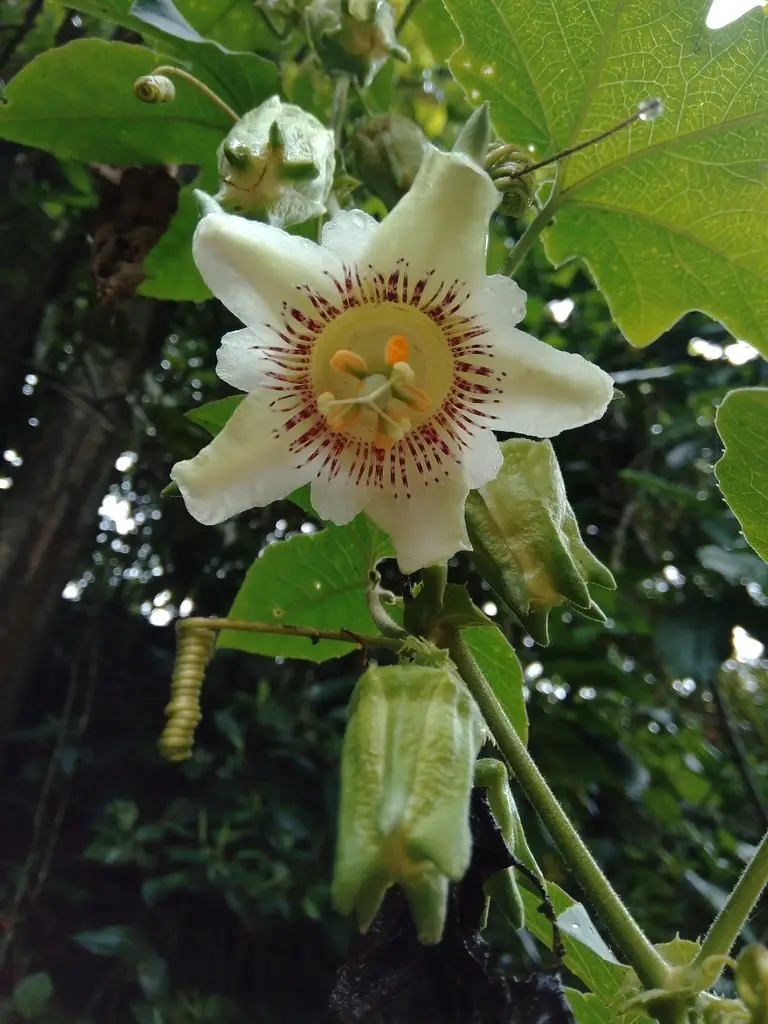
Vigorous vine with large, lobed leaves and fairly large, white and purple flowers followed by purplish, egg-shaped fruits. The leaves and stems are conspicuously bristly and stick to clothes like velcro. Host plant for the Zebra Long Wing, Zebra Heliconian, Julia Heliconian, and Mexican Fritillary butterflies—watch your garden come alive. This fast-growing climber
€2.78
Passiflora adenopoda is a highly desirable and vigorous vine known for both its ornamental beauty and its edible fruit.
Native to forests from southern Mexico along the Andes to Peru at low to medium elevations, this rare passionflower possesses a feature found nowhere else: large, lobed leaves which give it the common name Velcro Passionfruit because of their tendency to stick to clothing. These leaves have unusual hooked trichomes which help them to climb, and also makes them adhere to clothes similar to velcro! It’s a conversation starter every time you brush against it.
But the real magic? The plant blooms profusely, producing fairly large flowers marked by a beautiful contrast of white and purple. These pink and white blossoms attract a wide variety of birds, bees, and butterflies—it is a host plant for the Zebra Long Wing, Zebra Heliconian, Julia Heliconian, Isabella’s Heliconian, Banded Orange Heliconian, Mexican Fritillary, and Gulf Fritillary butterflies. It is also a larval host plant for the Plebeian sphinx Moth. If you love butterflies, this vine is essential. Imagine watching rare Heliconian species lay their eggs on your own plants, knowing your garden has become a sanctuary for these incredible insects.
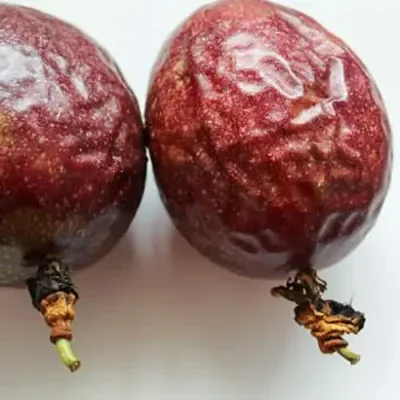
As a bonus for the adventurous grower, the vine develops attractive purplish, egg-shaped fruits that are edible, with a flavor profile that is pleasantly more sweet than acidic. Unlike most passifloras this species produces fruits by itself, meaning you may get edible harvests without needing a second plant for pollination. The fruit is a delightful mystery—some sources describe it as exceptional and worth seeking out in Central American markets, while others urge caution with unripe fruit. The journey of discovery is part of the thrill.
**Growing Passiflora adenopoda is surprisingly rewarding:** It makes a desirable ornamental plant for tropical and frost free warm temperate climates that flowers abundantly. It twines readily around supports, making it an excellent choice for covering fences, trellises, or pergolas. Care requires full sun except during very hot summer days, and if possible, plant it next to a chain-link fence or on a trellis, as the vine is a fast grower. Prefers full sun to partial shade and well-drained soil, thrives in warm, humid environments but can also adapt to less tropical conditions. Most species are found in moist but well-drained soils and will often flower and fruit more heavily if soil fertility is low; they often develop deep roots and can be moderately tolerant of dry spells. No complicated fussing—just plant, train, and watch it soar.
Seed starting requires patience, yes—soak seeds in water for 12-24 hours before planting, and instead of using water, use orange juice to moisten the soil, as the acidity will help soften the outer layer of the seeds and aid germination. Maintain a warm temperature of around 75-85°F (24-29°C) to encourage successful germination. Germination can occur within 2 weeks to several months. But when that first velcro leaf unfurls and those extraordinary white-and-purple flowers appear, you’ll understand why collectors call this the rarest treasure in the passion vine world. Grow something truly uncommon from seed—grow Passiflora adenopoda.
Only logged in customers who have purchased this product may leave a review.


Reviews
There are no reviews yet.