Description
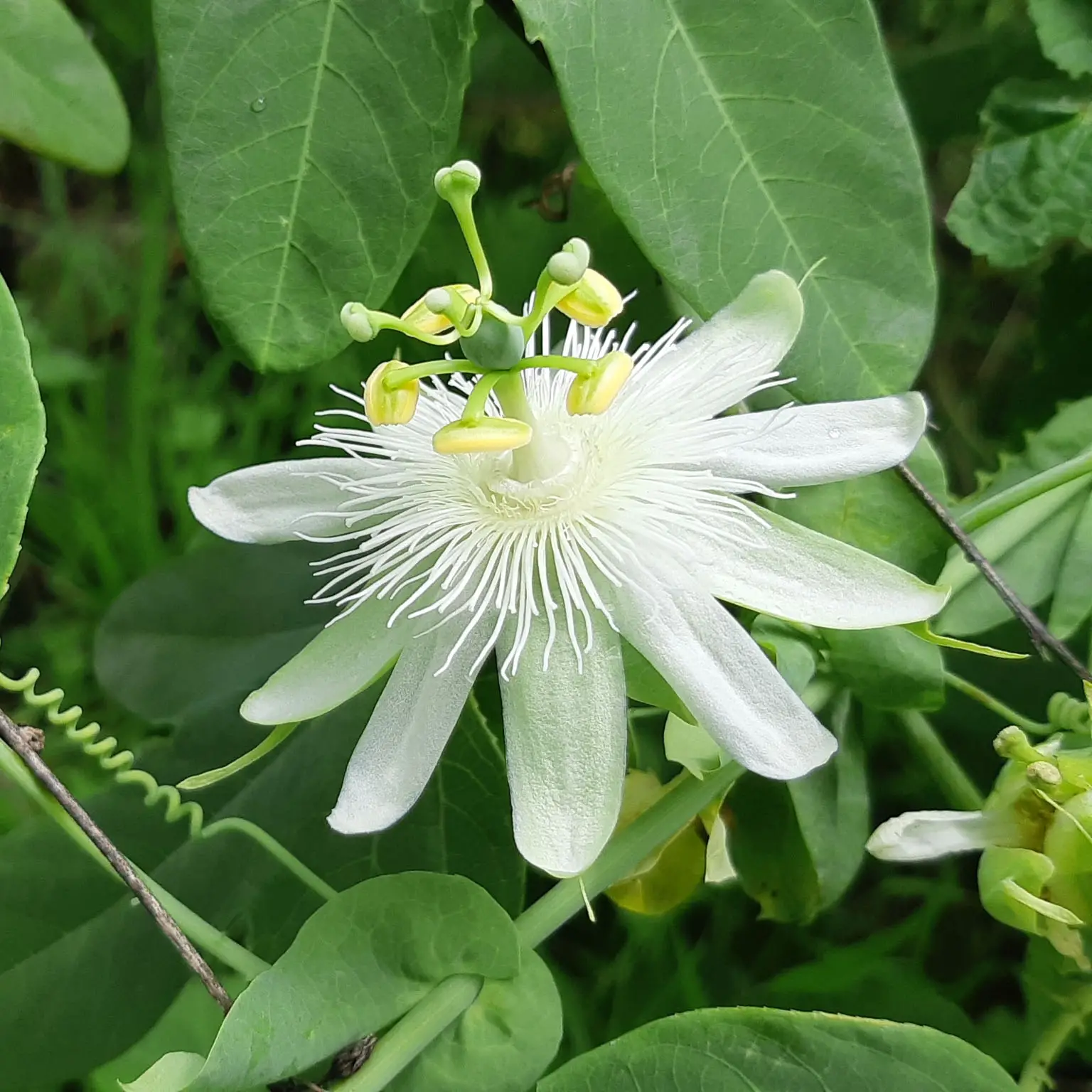
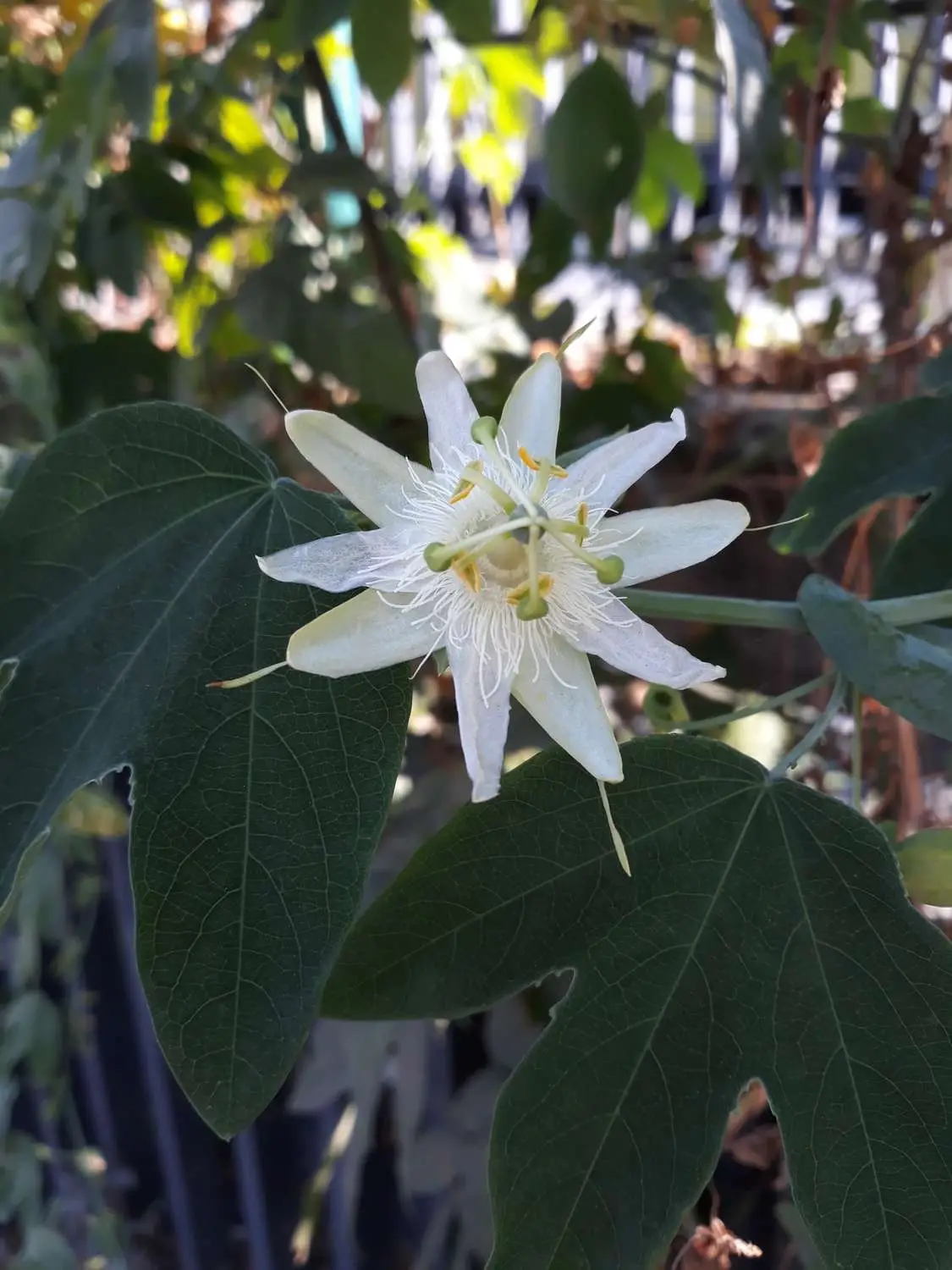
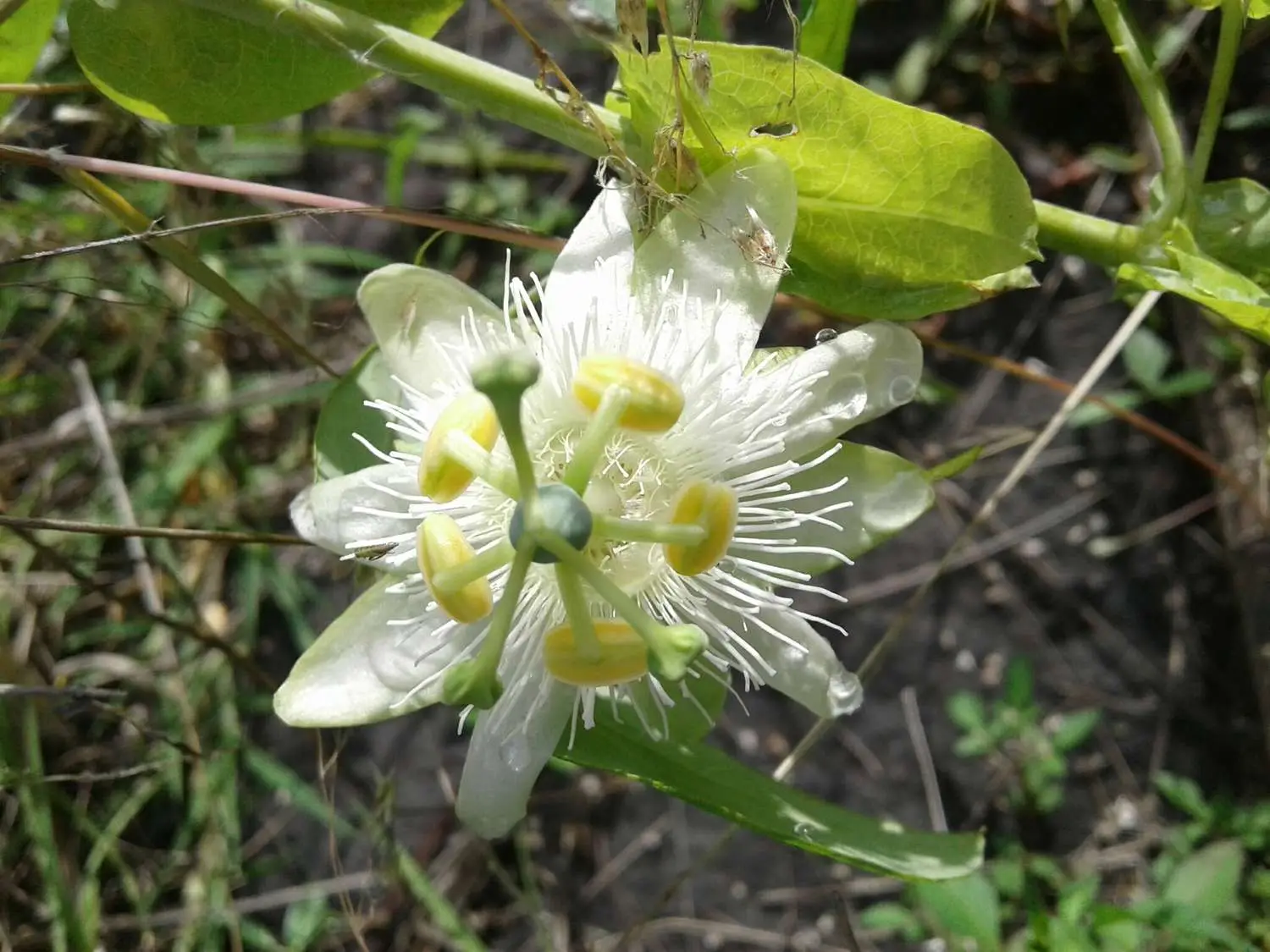
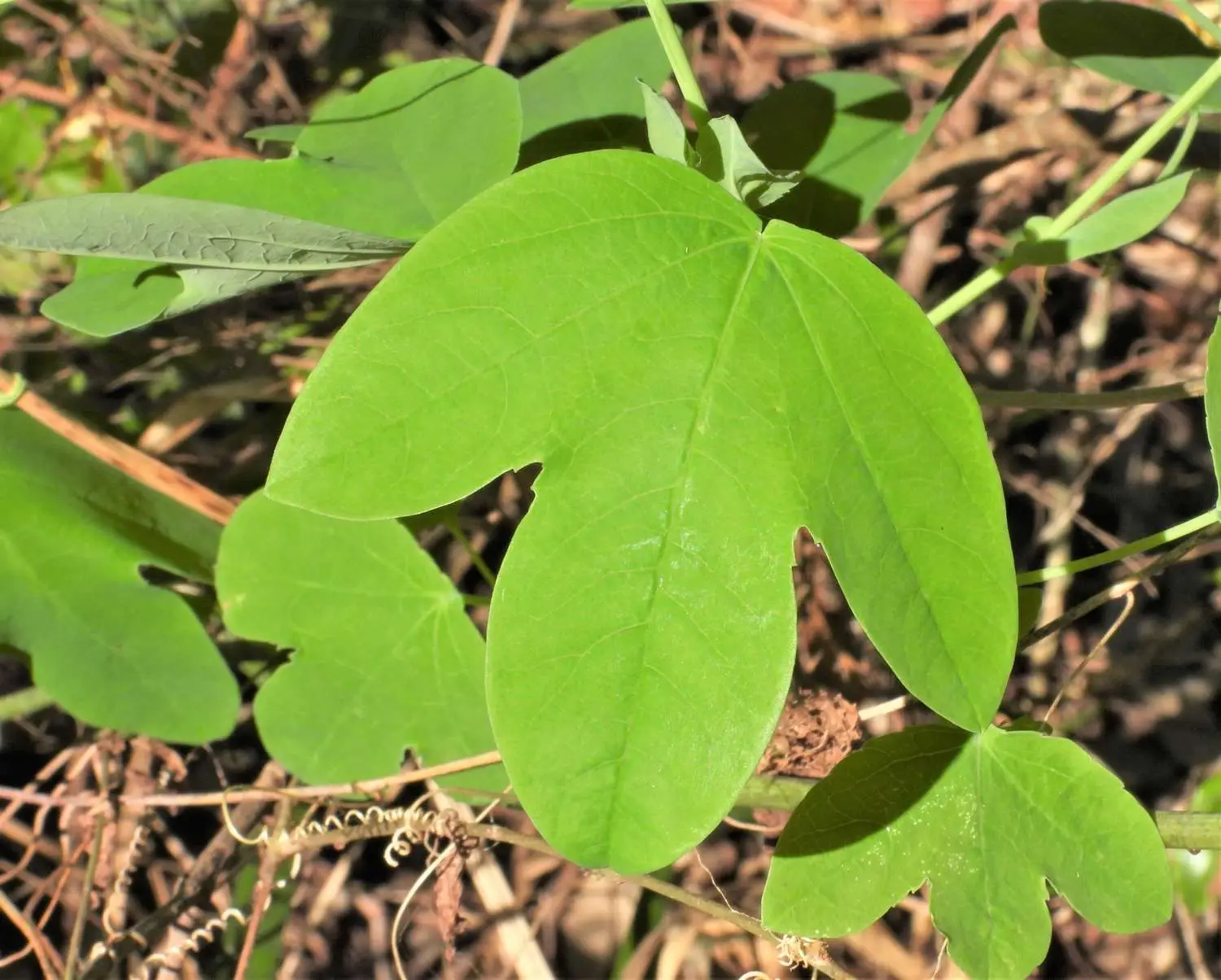
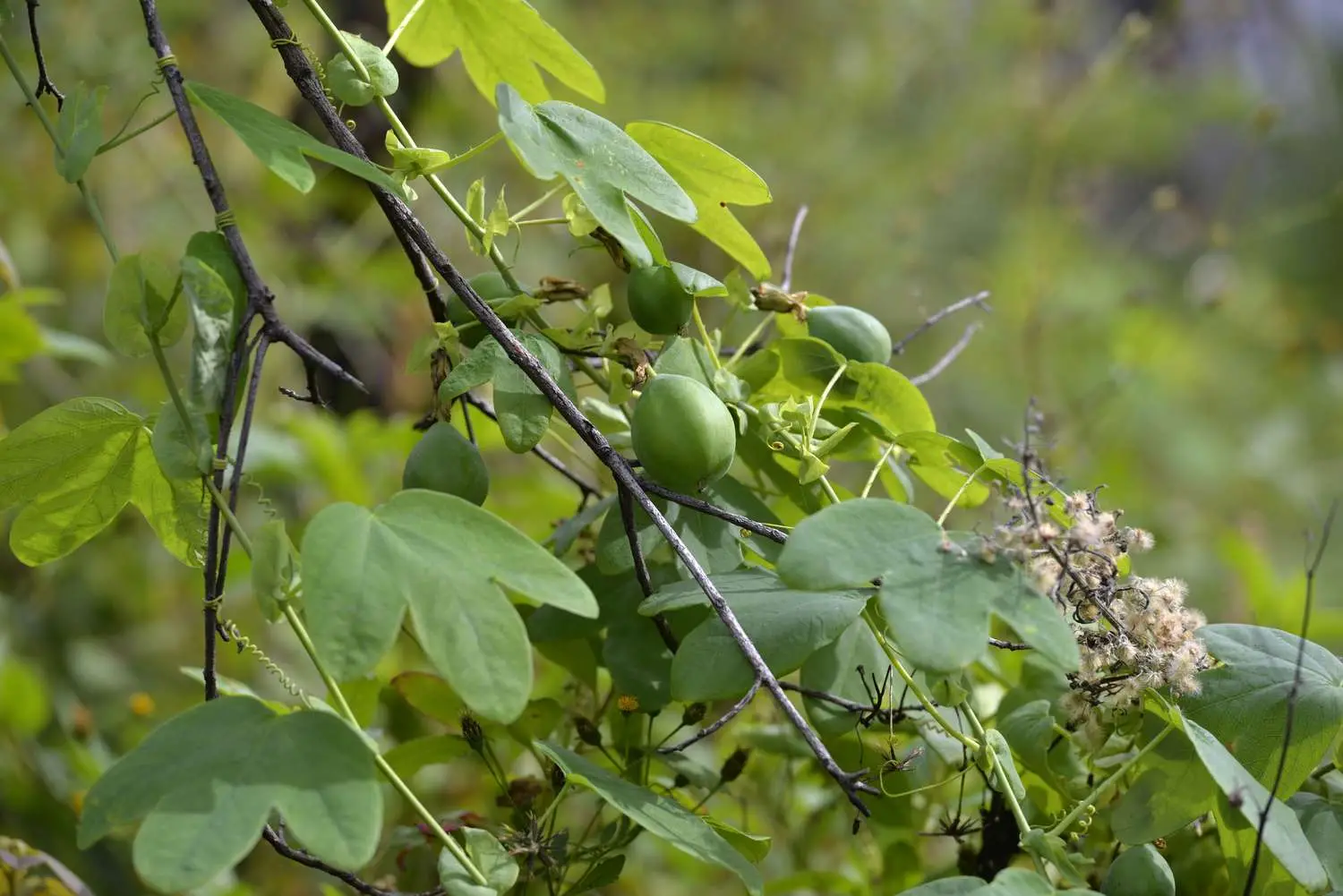
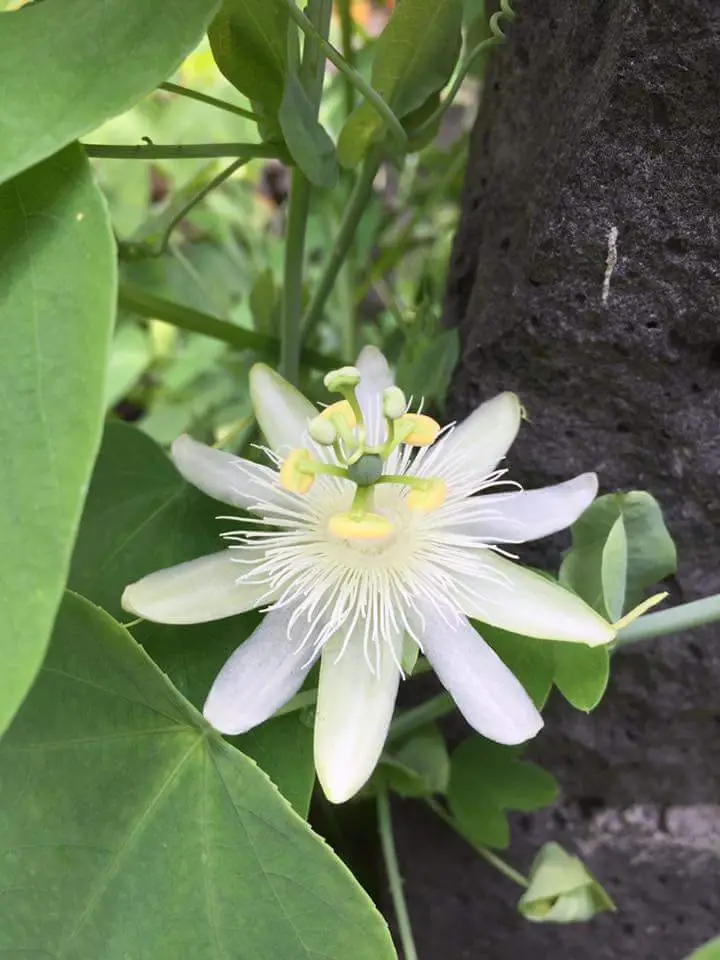
Passiflora subpeltata is a large climbing plant with stems that can become more or less woody. It climbs into the surrounding vegetation, attaching itself by means of tendrils.
Passiflora species generally grow best in a sheltered, sunny position or in dappled shade. Most species are found in the wild in moist but well-drained soils, generally of a lighter texture, and will often flower and fruit more heavily if the soil fertility is low. They often develop deep roots and can be moderately tolerant of dry spells. Most Passiflora species prefer a neutral to slightly alkaline soil, growing best where the pH is around 6. 5 – 7.5.
The plant is often grown as an ornamental. It has escaped from cultivation in some areas outside its native range and is invading native habitats.
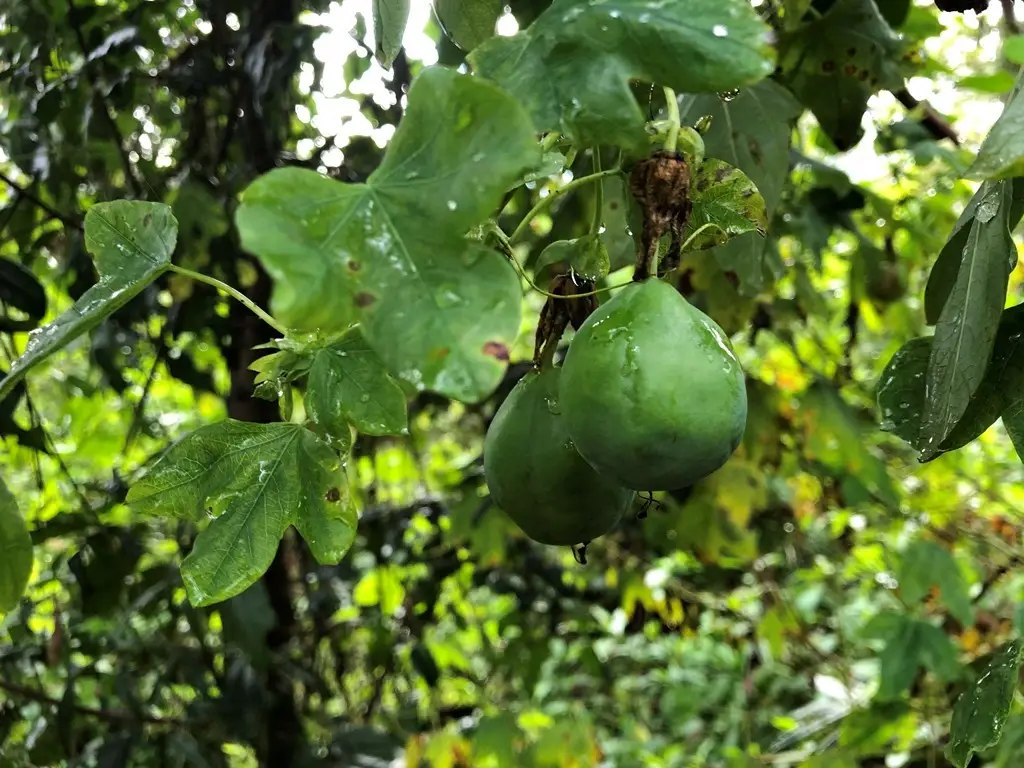
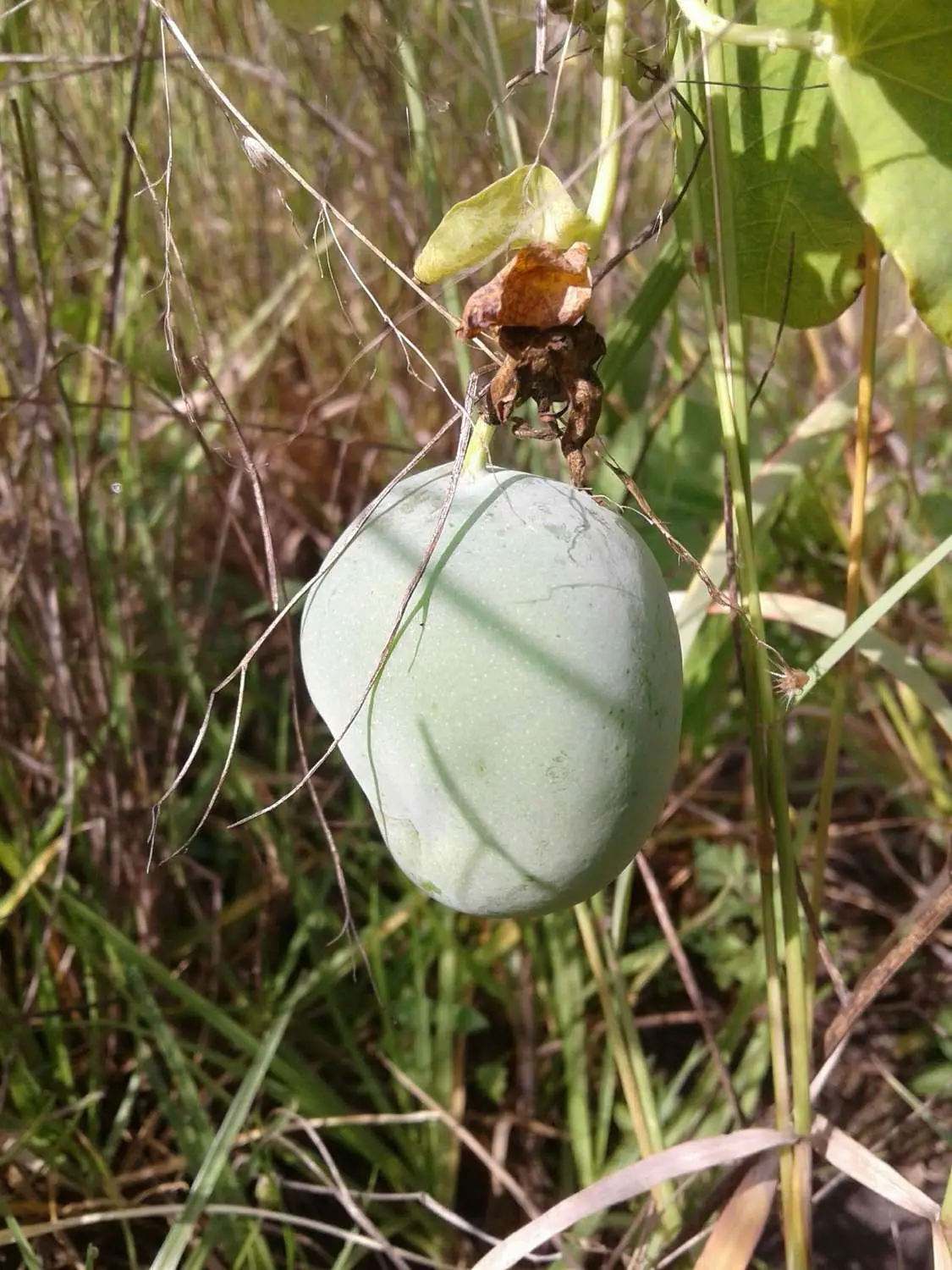
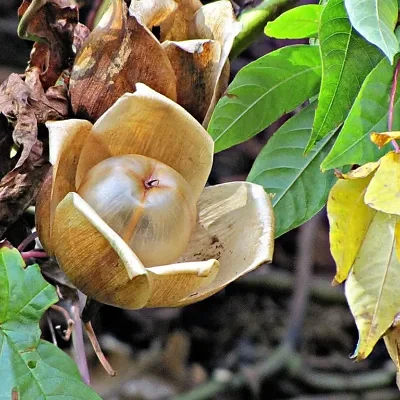
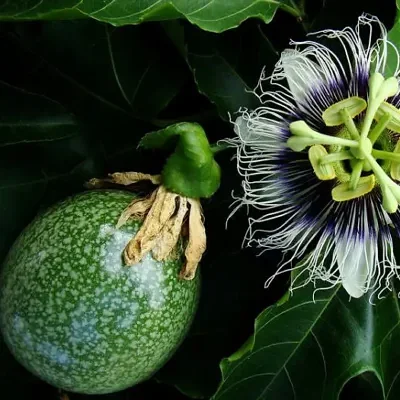
The yellow-green, ovoid to subglobose fruit is 25 – 40mm in diameter.
The leaves and roots of some, if not all, members of this genus contain a substance called ‘passiflorina’ which has similaritiesr to morphine and is an effective tranquilizer. We have no specific information for this species but many species are used in herbal infusions to calm the nerves and help bring about a restful sleep.
The leaves of many species are also considered to be anthelmintic, antihysteric and diaphoretic. They are used in Brazil to combat intermittent fevers, cutaneous inflammations, and erysipelas.
Germination Guide
🌍 Mexico, Central America (Guatemala, Panama), and South America (Colombia, Venezuela)
Difficult
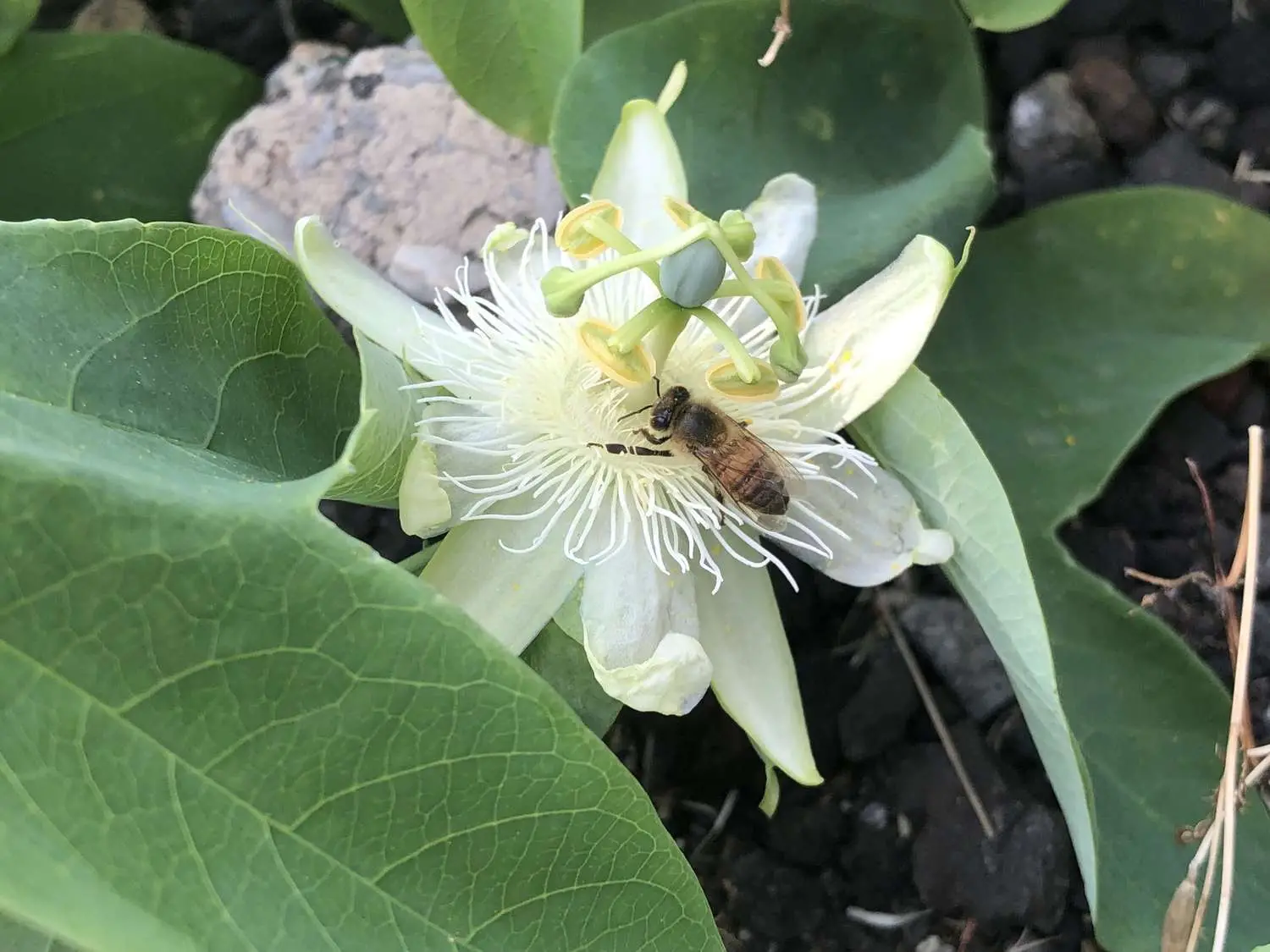
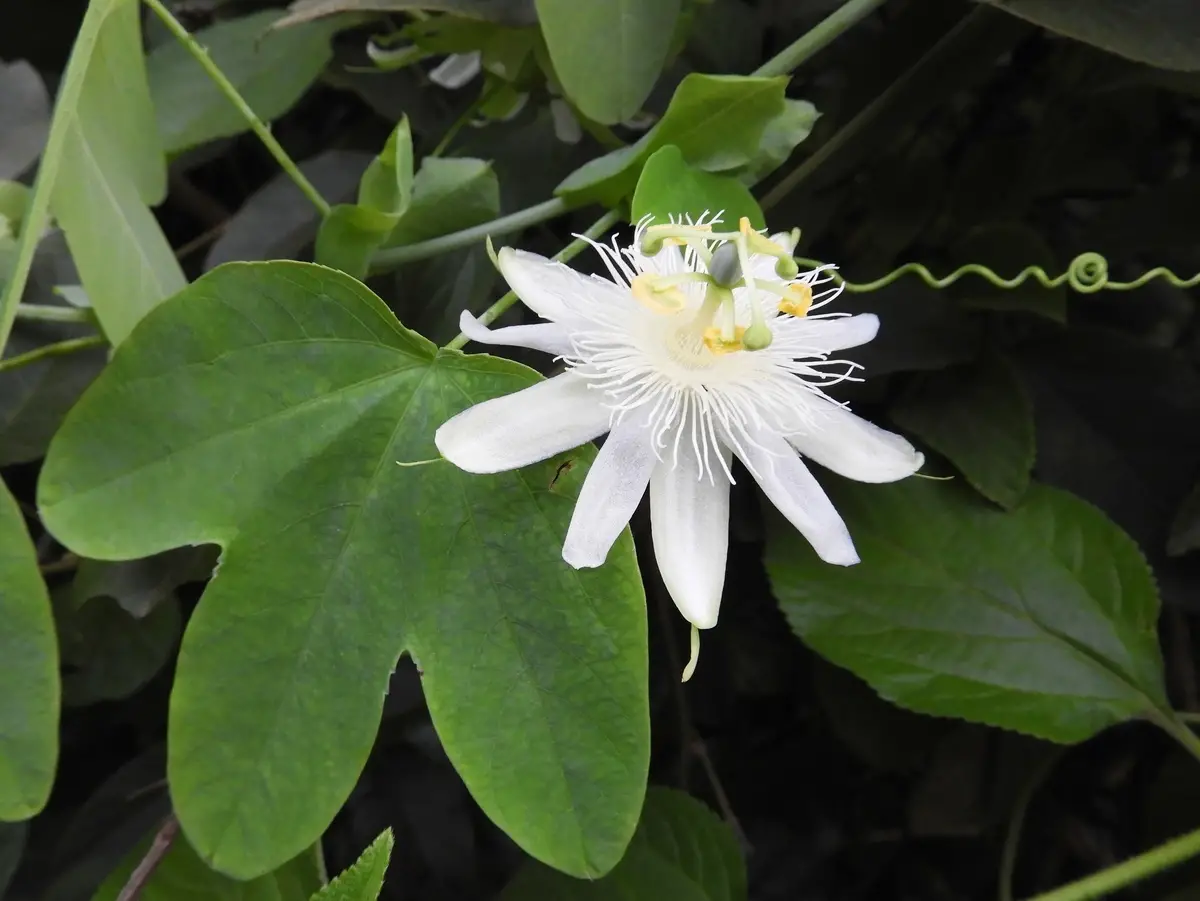
Passiflora subpeltata, commonly known as white passionflower, is a vigorous evergreen climbing vine native to Mexico, Central America, and northern South America. Seeds have a hard outer coat that inhibits germination, resulting in erratic sprouting that can occur anywhere from 10 to 350 days, even with proper treatment. Proper pre-treatment with scarification and warm water soaking significantly improves and accelerates germination success.
Germination
Germination time
Expect germination in
10 – 350 days
Temperature
Min 20°C
Ideal 24°C
Max 29°C
Substrate moisture
💧💧 High
Seed Pre-treatment
-
💧
Soaking — 24 hours
Soak scarified seeds in lukewarm to warm water for 24-48 hours with daily water changes. Most seeds will swell and should be sown immediately after soaking
-
🔨
Mechanical scarification
Scarify seeds gently with fine grit sandpaper or nail file to break the hard outer seed coat; seeds that do not swell during soaking can be scarified
-
📋
Additional notes
Scarify seeds with sandpaper, then soak in warm water with daily changes before sowing to break dormancy and improve germination rate
Substrate & Container
Recommended substrate
Well-draining seed sowing mix with peat moss
Recommended container
Pots or trays with drainage holes
Growing Tips
Ensure seeds remain moist throughout the germination process to maintain viability. Scarification is essential for P. subpeltata due to its thick seed coat. Use warm bottom heat (21-29°C) to encourage faster germination. Keep the seed container in a humid environment and provide occasional soaking. Fresh seeds are more likely to germinate quickly than dried seeds that have lost moisture.
Only logged in customers who have purchased this product may leave a review.

Reviews
There are no reviews yet.