
Discover the Maushán, an extremely rare Andean papaya that yields aromatic, refreshing fruits that surpass ordinary papayas in flavor. These golden-orange fruits are the legendary ingredient for Cacique liqueur, a spirit treasured across Peru. Grow this cold-hardy mountain species from seed—it tolerates light frosts and thrives where other papayas fail. Virtually unknown outside South America until now.
Imagine harvesting fruit from an Andean legend: the Maushán papaya, a rare species that has captivated locals for generations and remains virtually unknown to the rest of the world.
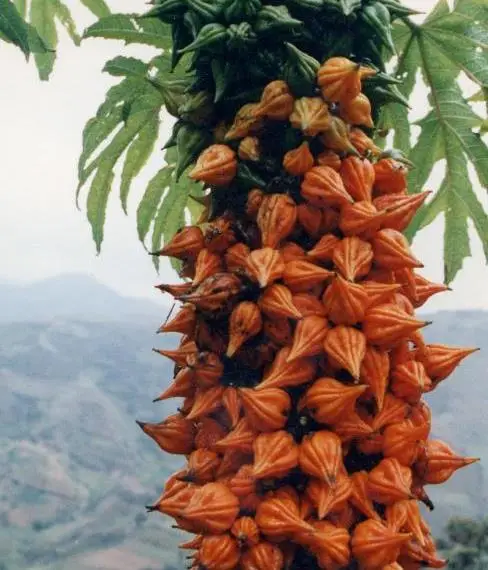
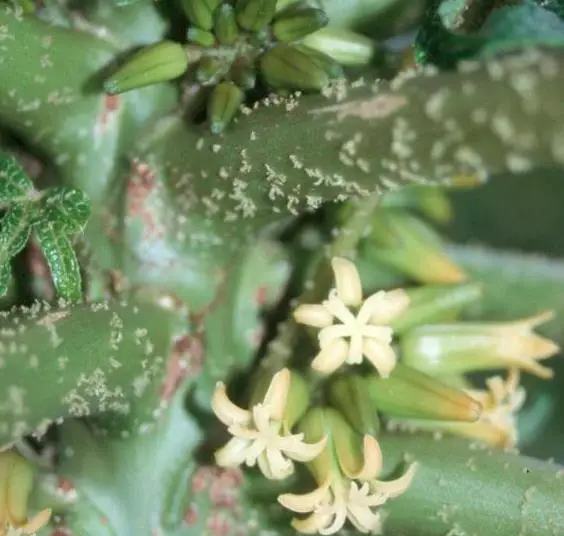
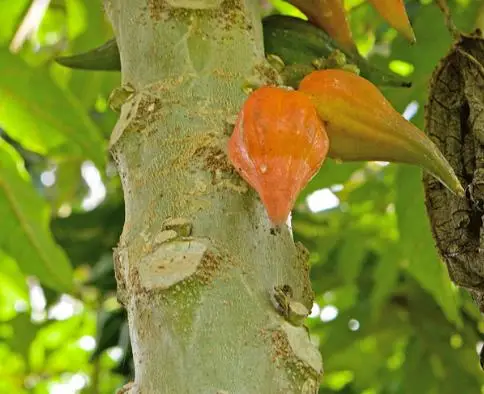
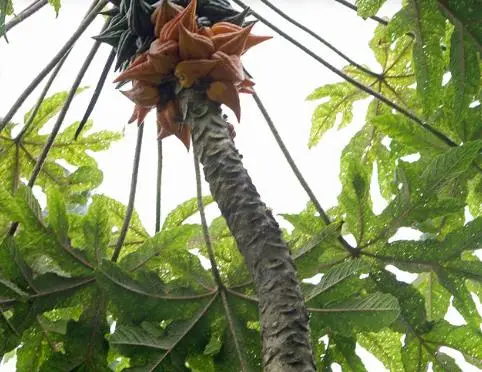
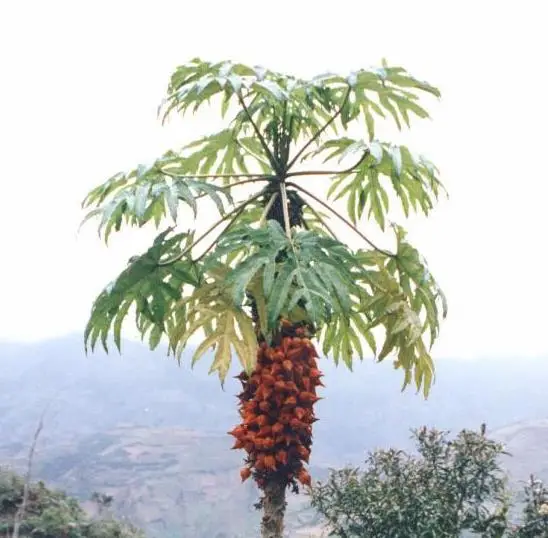
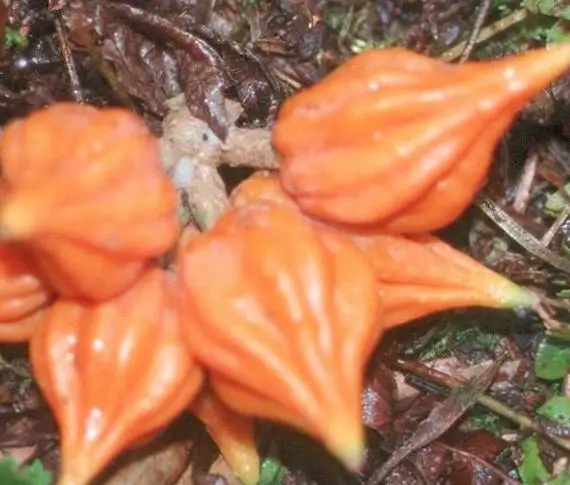
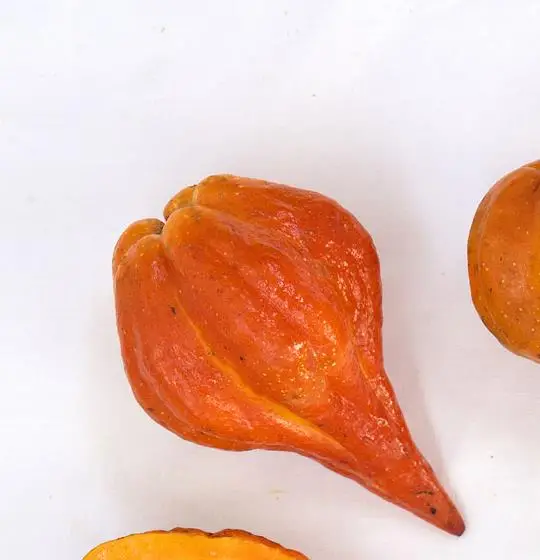
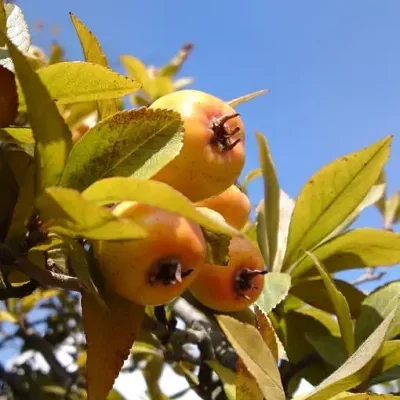
Vasconcellea weberbaueri hails from the high cloud forests of southern Peru and northern Andes, where it grows naturally at elevations up to 3,000 meters. Unlike its common papaya cousin, this sparsely-branched small tree evolved in cool mountain climates, making it an outlier in the Caricaceae family—a papaya that doesn’t demand tropical heat. Its deeply lobed, palmate leaves create architectural beauty, crowned with delicate yellow-green flowers that mature into stunning pear-shaped fruits ripening to golden orange.
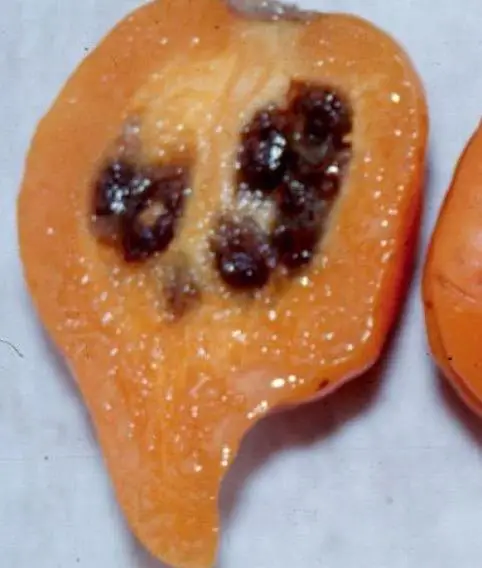
But here’s where the Maushán truly shines: the fruit is nothing short of extraordinary. Aromatic, refreshing, and remarkably sweet with complex flavor depth, these fruits are the heart of Andean gastronomy. Locals consume them fresh, dried for preservation, or transformed into jams and sweets—but the most coveted use is the legendary Cacique liqueur, a spirit so prized in Peru that it has become a cultural treasure. This is not a novelty fruit; this is the substance of culinary history, now available from seed to your garden. Beyond the kitchen, the fruit’s natural disease resistance—proof against fusarium fungi and root-knot nematodes—makes it a robust, reliable grower.
Growing Maushán is surprisingly accessible. Plant in full sun to partial shade in well-draining soil; the species adapts to temperate and cool climates far better than standard papayas and shows genuine tolerance for light frosts, opening cultivation possibilities for gardeners in mild zones that would never support tropical varieties. Seed propagation is straightforward, and the tree grows readily without fussy demands. Expect a semi-lignose, branching form reaching 6–10 meters in maturity—substantial enough to create a living monument in your garden, yet manageable in larger containers or conservatory settings.
To hold a Maushán seed in your hand is to hold a piece of Andean heritage—a living link to mountain communities where this fruit has nourished and inspired for centuries. Grow it from seed and become custodian of a species that the wider world has barely discovered. You won’t find this at the supermarket. You’ll grow it yourself, from the very beginning, and taste what Peru has treasured in secret.
Only logged in customers who have purchased this product may leave a review.
Reviews
There are no reviews yet.