
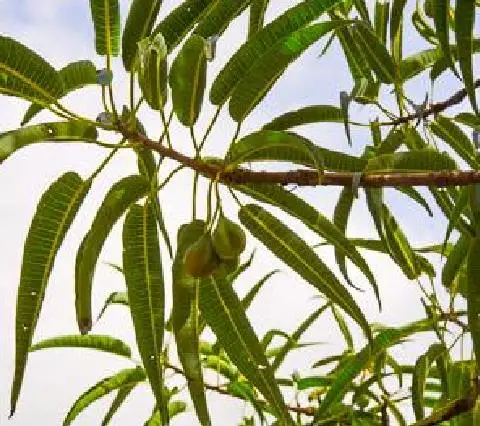
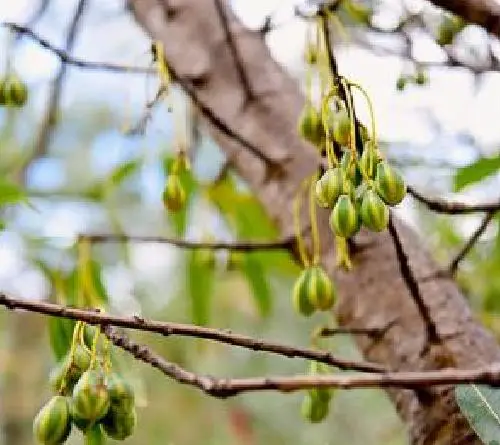
Taste the Andes: elongated, aromatic fruits with yellow to orange flesh that offer a tangy, refreshing flavor, perfect for fresh eating, preserves, and juices. This fast-growing, evergreen tree is adapted to cooler high-altitude climates—far more cold-tolerant than tropical papaya species. Grow from seed and you’ll have a productive fruit tree that thrives where conventional pap
€38.79
Carica lanceolata is a small, fast-growing, evergreen to semi-evergreen fruiting tree closely related to the common papaya but adapted to cooler high-altitude climates.
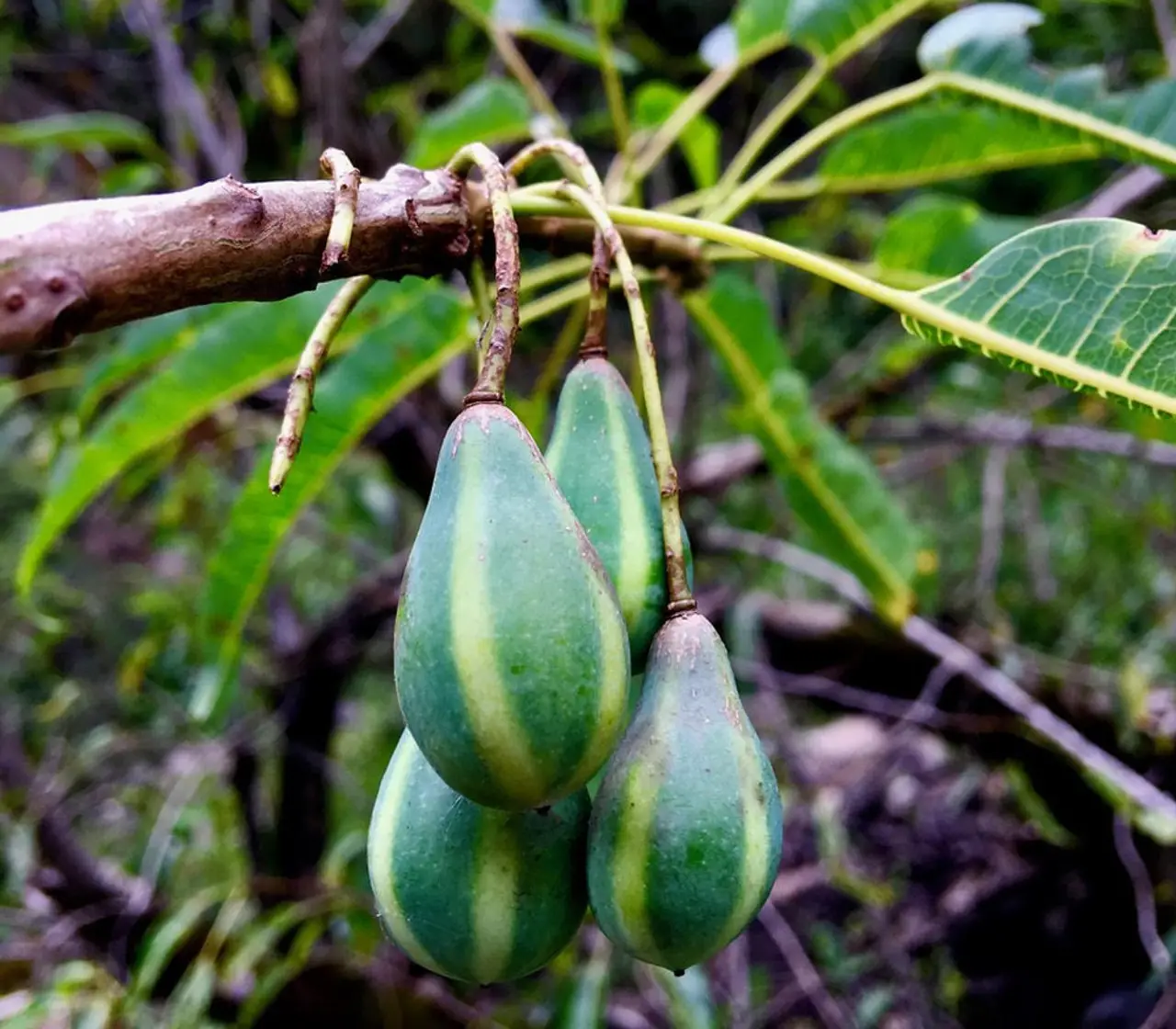
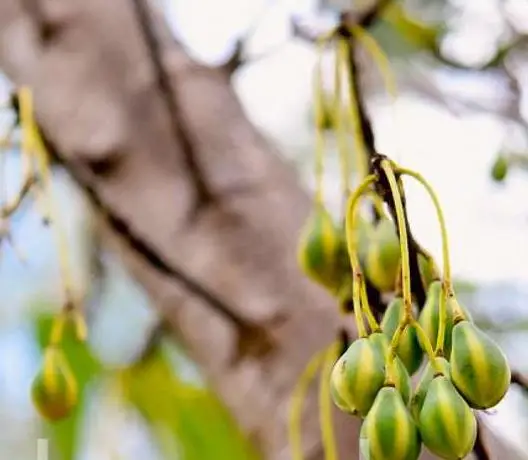
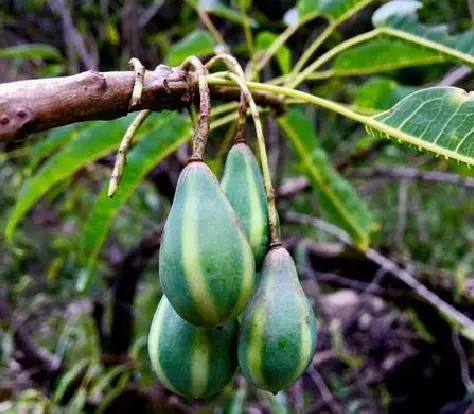
Native to dry scrubland in the Andes in Bolivia and Argentina between 1200 and 3300 m, this extraordinary papaya is purpose-built for mountainous and subtropical regions where tropical papayas cannot survive. It bears striped, pear shaped fruits that ripen to yellow and orange, and may be one of the hardier papaya species. Collectors and enthusiasts prize Carica lanceolata for its rarity and resilience—it’s the Andean secret that serious growers are rediscovering.
Here’s where the magic happens: the tree produces elongated, aromatic fruits with yellow to orange flesh that offer a tangy, refreshing flavor, well suited for fresh eating, preserves, and juices. These are not just ornamental—they’re genuinely edible and delicious. Imagine harvesting your own mountain papayas, processing them into jams or juices with that complex, slightly tart flavor profile that no tropical papaya can match. The tree is valued for its ornamental foliage, nutritional fruit, and suitability for subtropical and upland cultivation. Whether you’re a home grower in a cool zone, a small farmer looking to diversify upland crops, or a botanist captivated by rare Andean genetics, this species rewrites what’s possible with papayas north of the tropics.
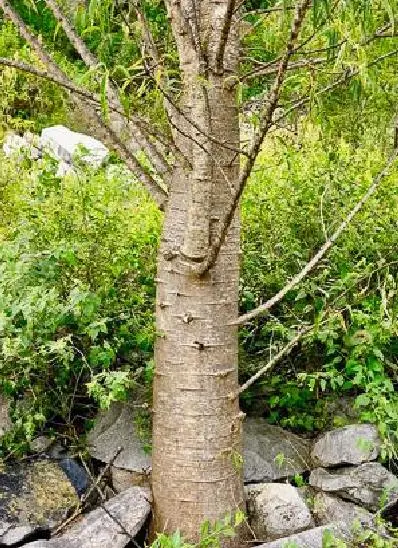
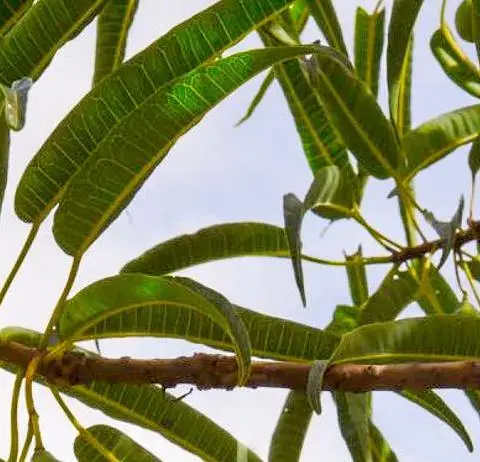
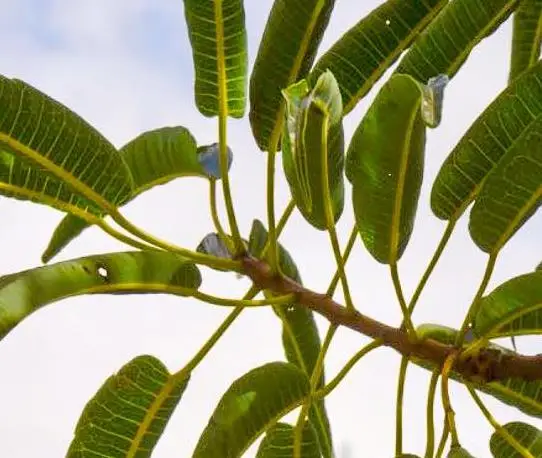
Growing Carica lanceolata is manageable and forgiving. This fast-growing tree is adapted to cooler high-altitude climates and shows greater tolerance to cool temperatures than tropical papaya species. Typically reaching 3 to 6 meters in height, it develops a slender trunk topped with large, deeply lobed leaves. Site it in full sun with fertile, well-drained soil, and water moderately once established. It naturally grows in mid to high elevation areas of the Andes, so the species likely has some tolerance to light frosts—a critical advantage for subtropical gardeners tired of tropical limitations. The tree fruits readily from seed and, as an evergreen or semi-evergreen, provides year-round visual interest in the garden.
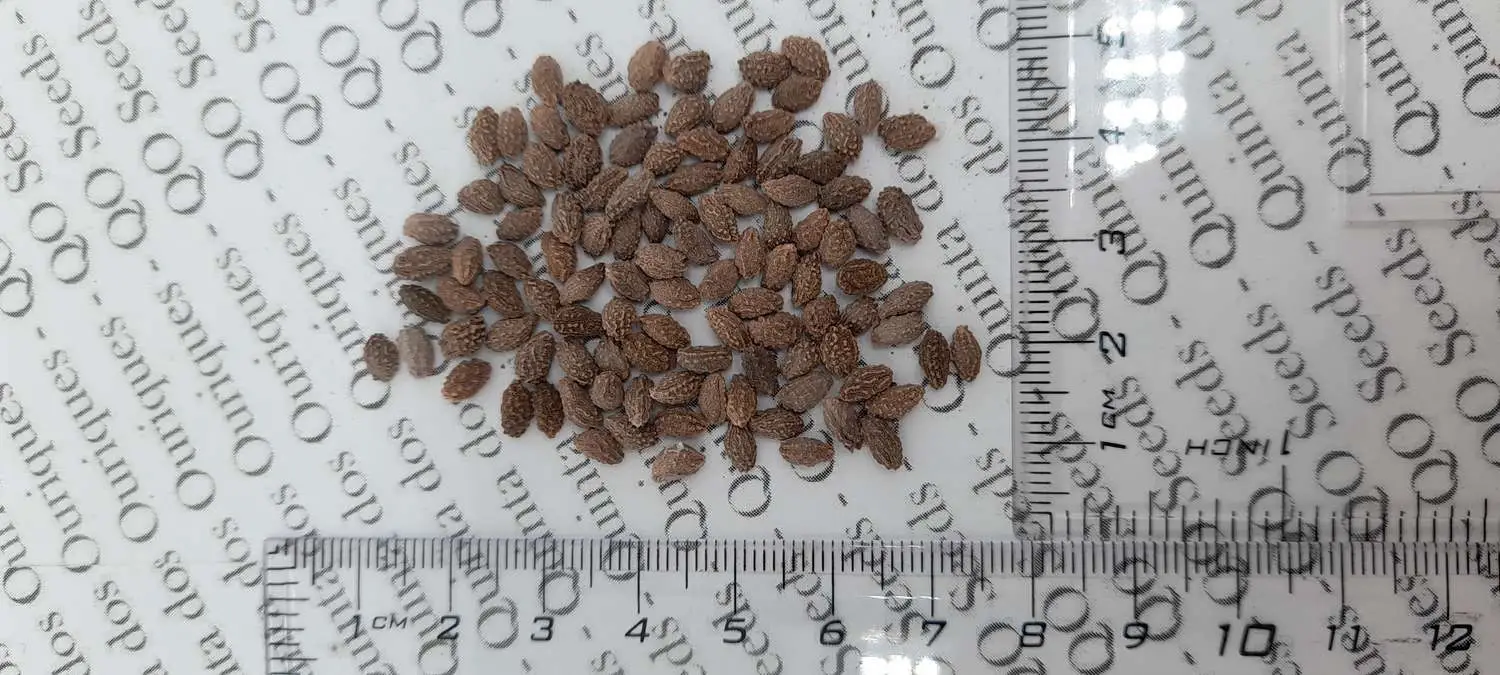
This is your chance to grow something truly exceptional. Carica lanceolata connects you to Andean heritage, rewards you with beautiful fruits, and proves that the best plants often come from the world’s most challenging places. Start your seeds today and become one of the growers keeping this rare Bolivian treasure alive in gardens around the world.
Only logged in customers who have purchased this product may leave a review.
Reviews
There are no reviews yet.