

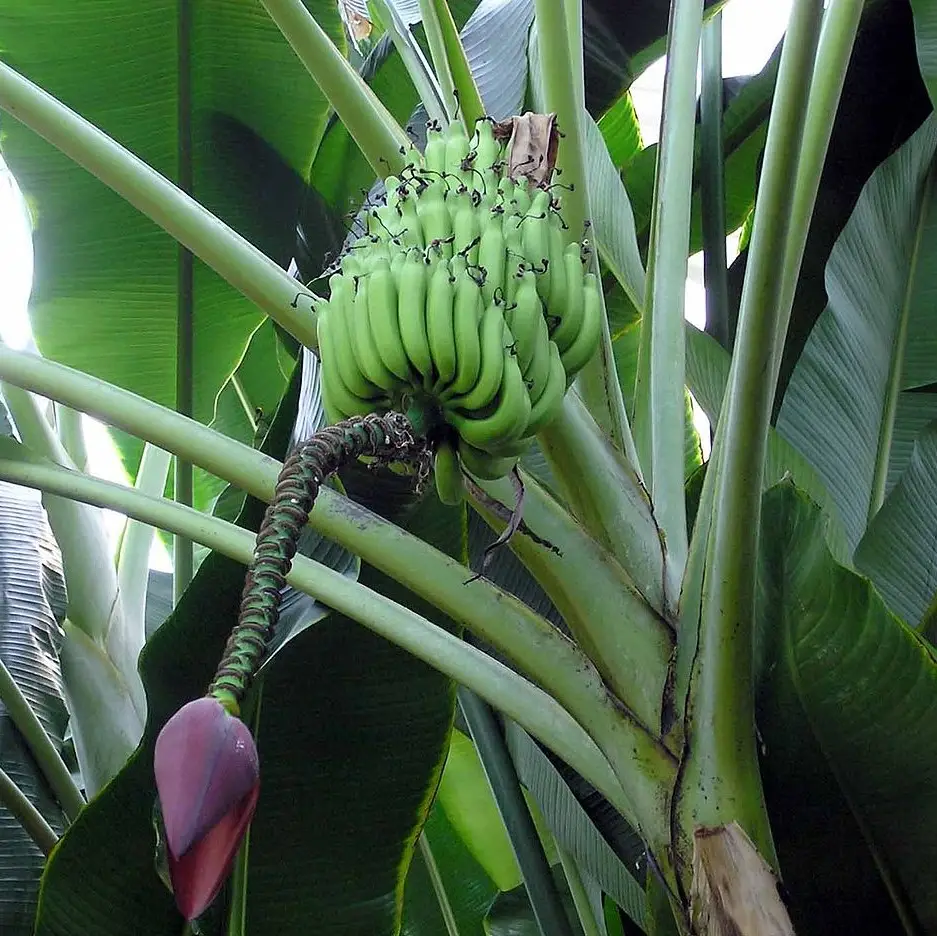
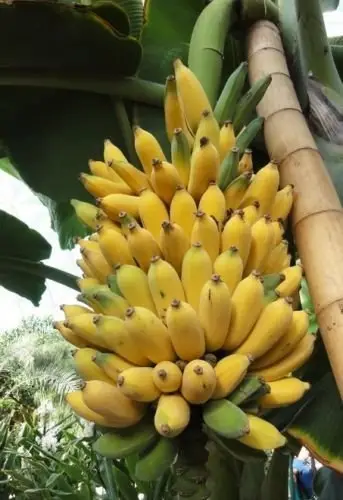
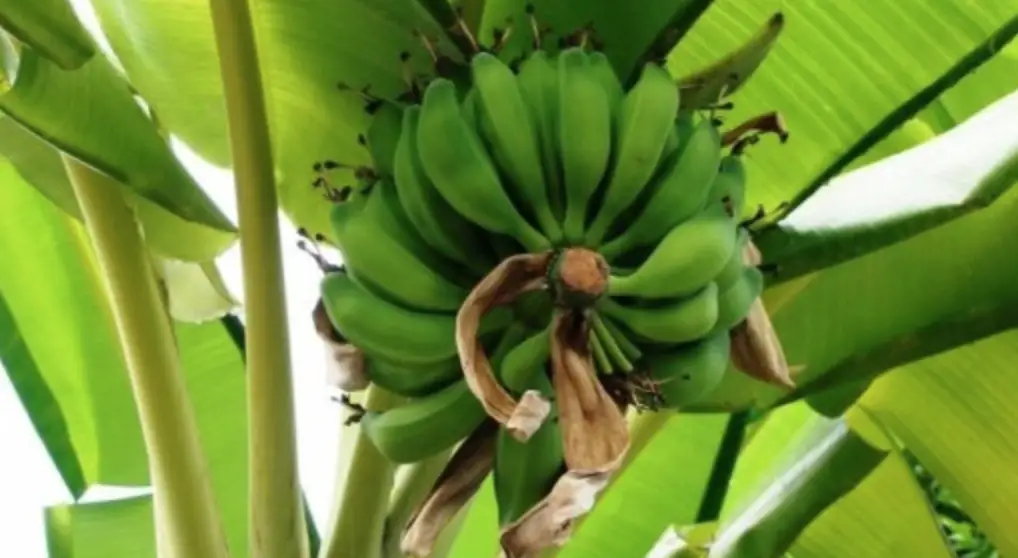
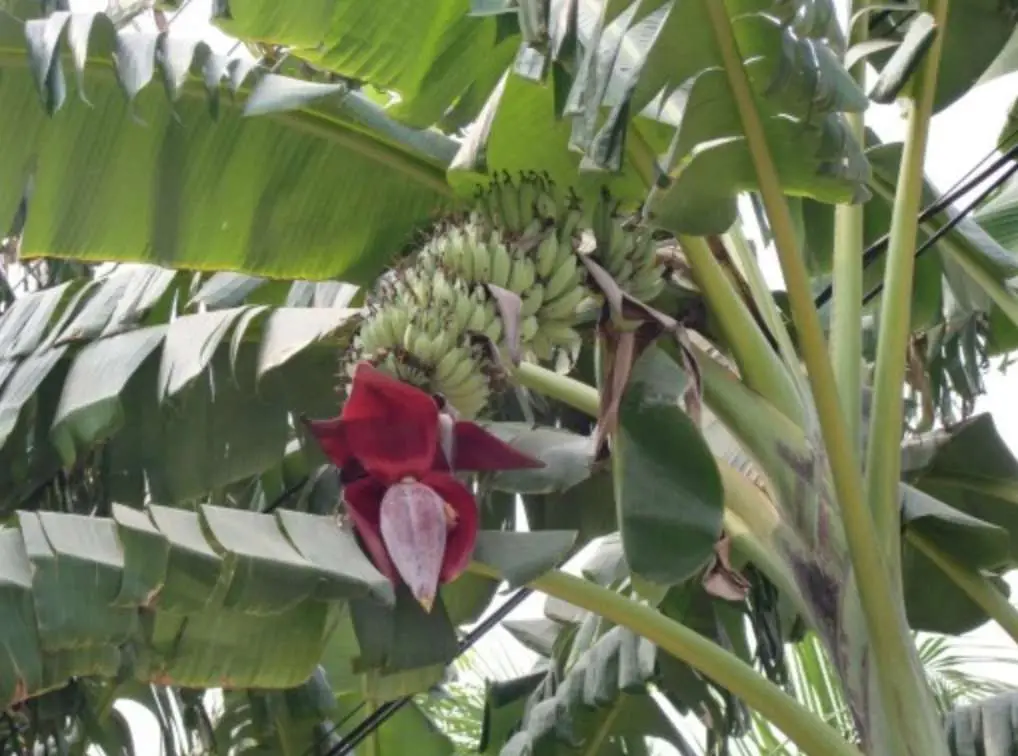
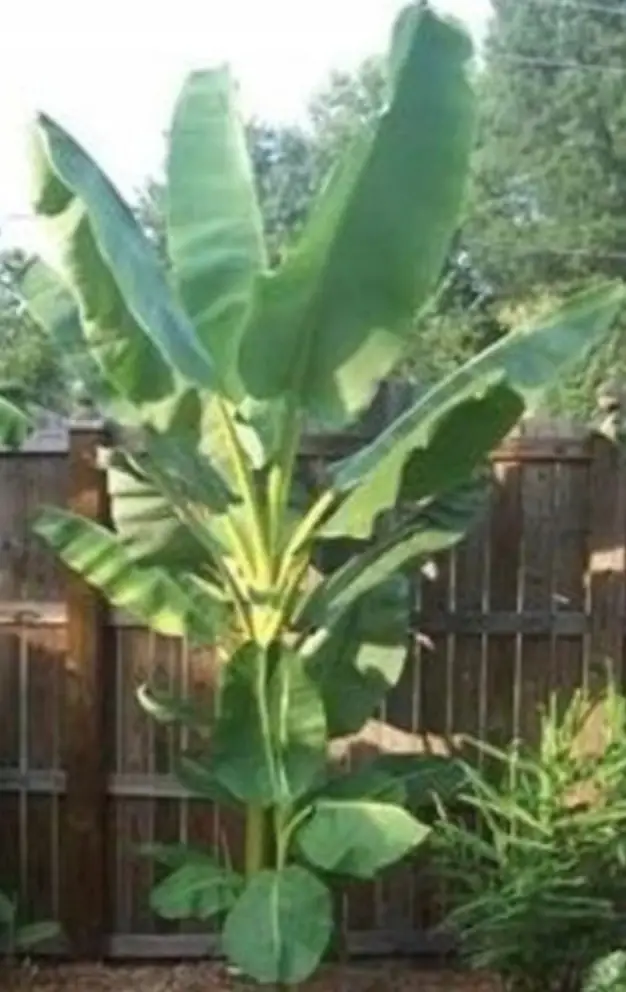
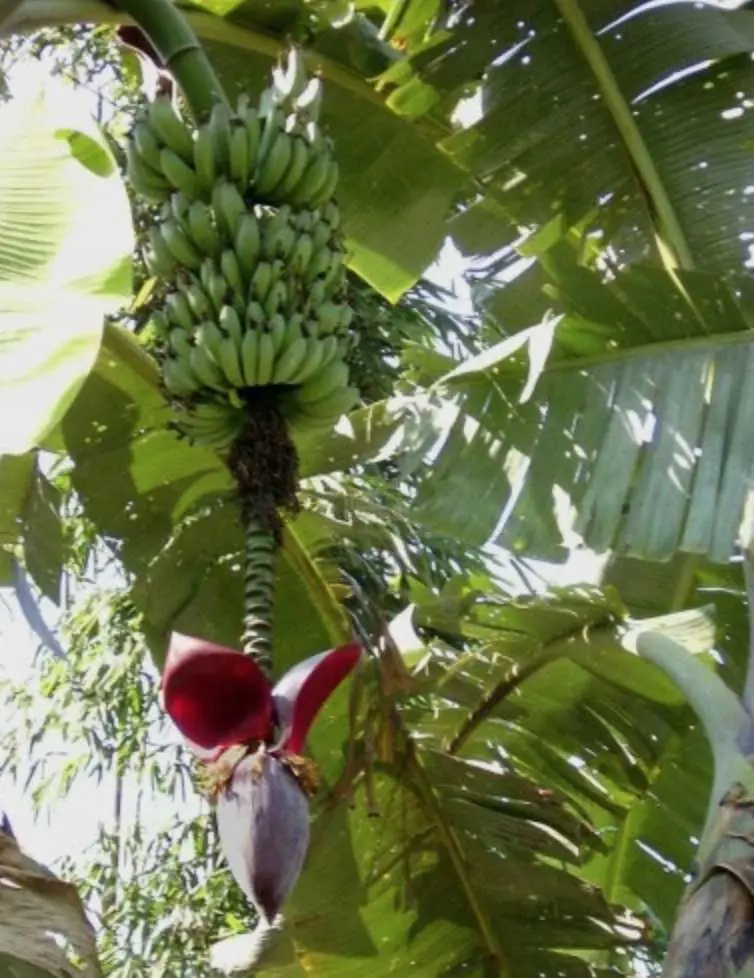
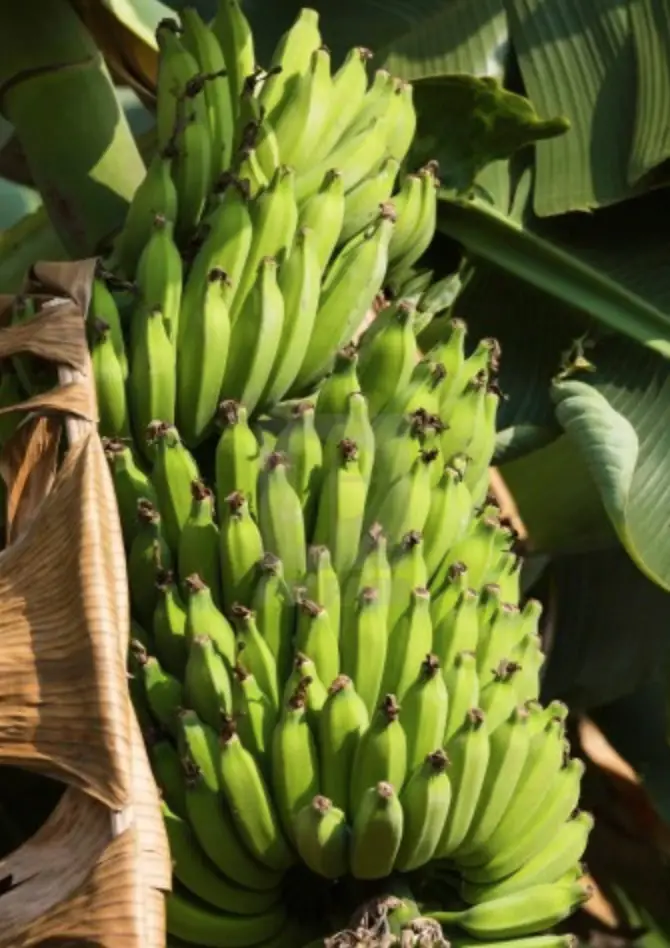
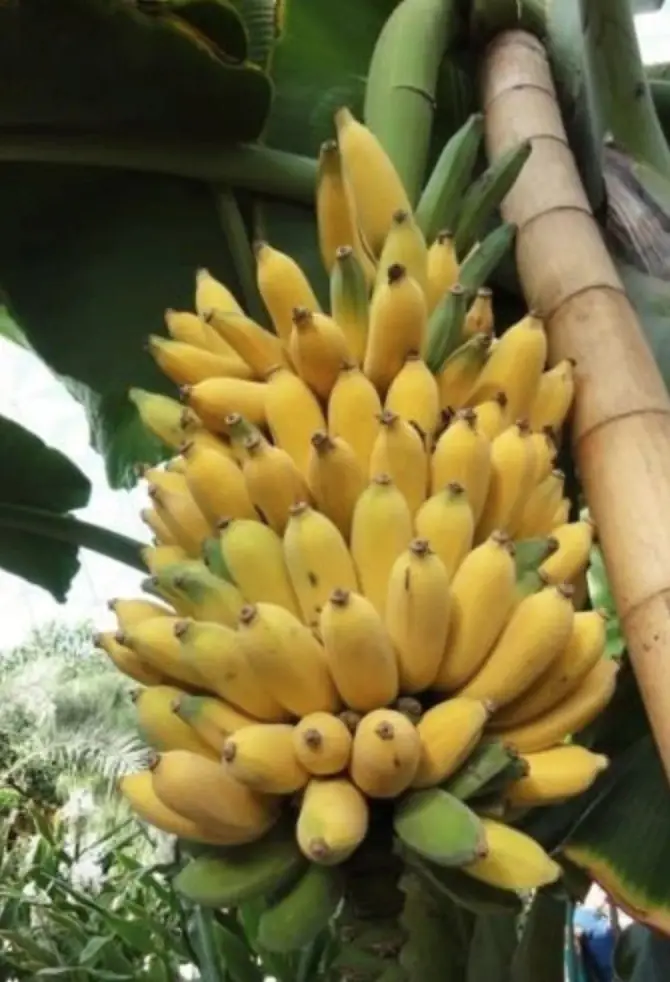
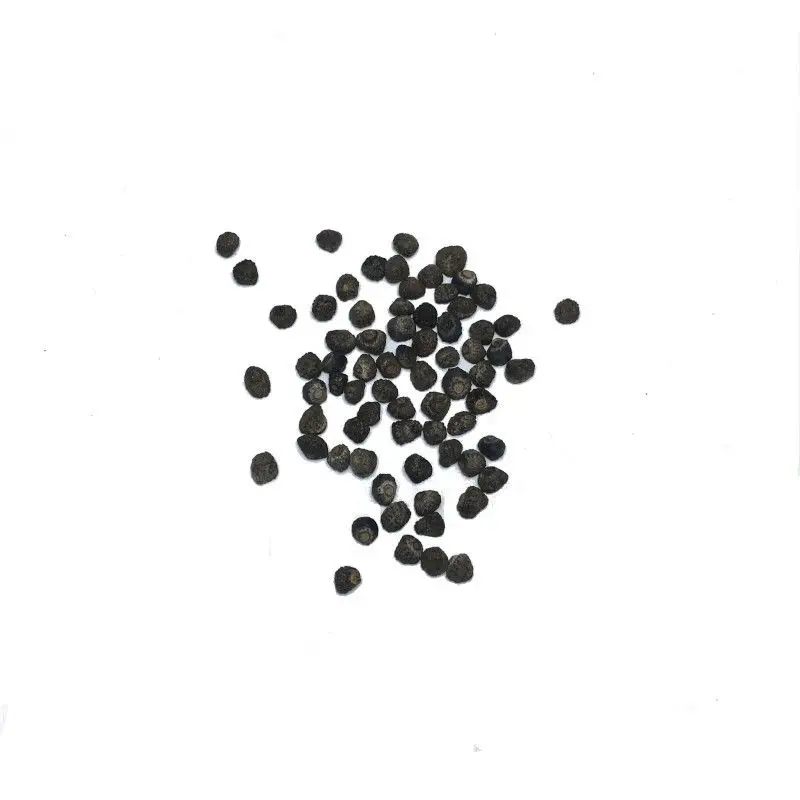
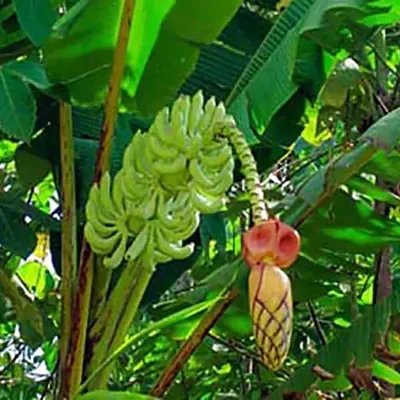
Grow the wild genetic blueprint of modern bananas. Musa balbisiana produces dramatic paddle-shaped leaves and golden fruit perfect for boiling, frying, and traditional curries—plus male flower buds are culinary treasures in Asian kitchens. Birds and bats will flock to ripe harvests. This bold, suckering giant reaches 15 feet, thrives in warm zones with consistent moisture, and propagates easily from divisions. Start from seed to master the ancestor
€3.76
Imagine growing a living fossil—the very species that birthed modern plantains and cooking bananas thousands of years ago. Musa balbisiana var. balbisiana is that wild progenitor, the botanical bridge between inedible jungle plants and the cultivars feeding millions today. This is culinary history you can harvest.
Native to the humid forests and ravines of Asia, India, southern China, and Southeast Asia, this magnificent species has captured gardeners’ and farmers’ imaginations for centuries. Its legendary status comes not from being a modern hybrid, but from being the genetic foundation itself—the B-genome that breeders and ancient cultivators crossed with Musa acuminata to create all the great cooking bananas and plantains we know. Growing it from seed connects you to that agricultural revolution.
But this is not just botanical prestige—it’s a working culinary plant that will transform your kitchen. The pale yellow fruits, when ripe and cooked, become a starchy, versatile ingredient perfect for boiling, frying, baking, or roasting. More treasured still are the male flower clusters (inflorescences) and tender inner stems, revered in Southeast Asian, Philippine, and South Asian cuisines and made into magnificent curries and salads. The large, upright paddle-shaped leaves—reaching 10 feet long—serve as natural plates, food wraps, and ceremonial offerings in traditional festivals. In traditional medicine, the ground ripe seeds have been used to treat dysentery, diarrhea, and sore throat. This is a plant that feeds, heals, and honors all at once.
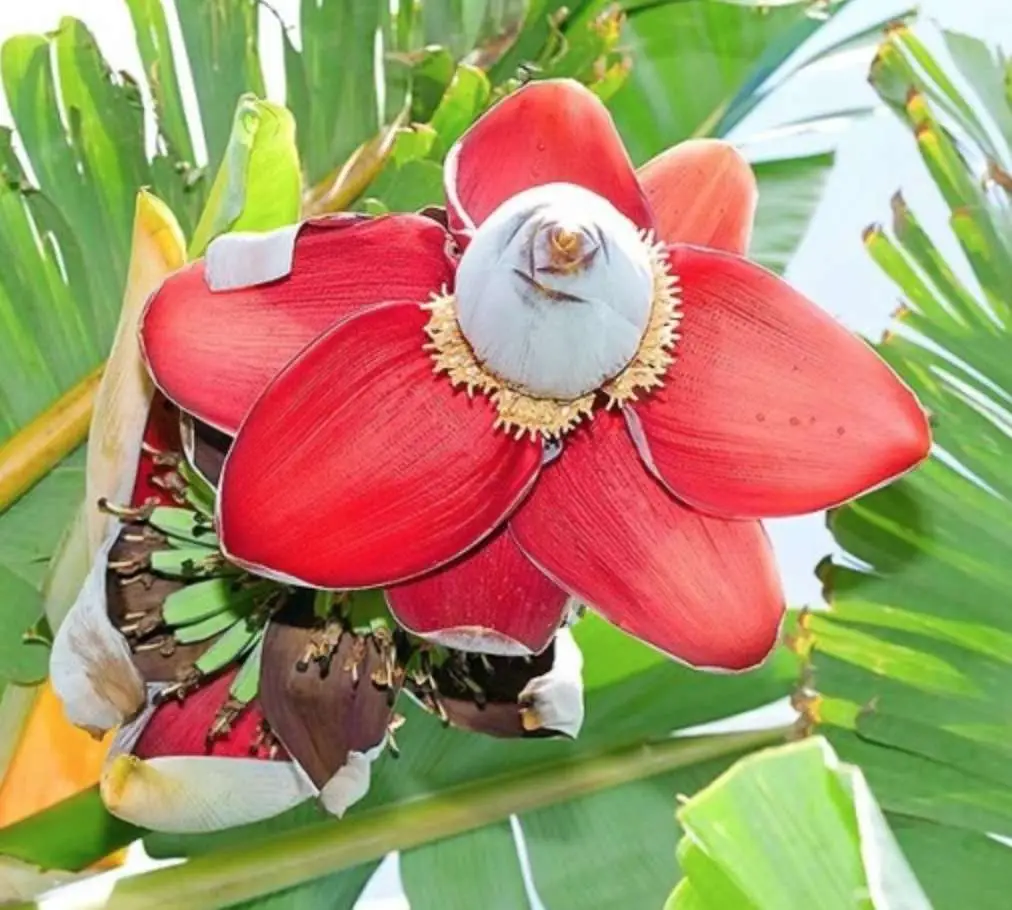
Cultivation is straightforward: plant in full sun to partial shade in rich, well-draining, organically amended soil kept consistently moist during the growing season. Mature plants reach 15 feet tall with a similar spread, forming magnificent suckering clumps with strong, sturdy pseudostems. The plant thrives in zones 9–12, loves tropical and subtropical warmth, and appreciates regular feeding during active growth. If you’re in a cooler zone, grow it in a container you can bring indoors before frost, or allow it to die back and mulch the roots for spring recovery. The flowers—with maroon to red bracts—are stunning, and ripe golden fruits will attract birds, bats, and nocturnal visitors, making your garden an active wildlife stage.
This is more than decoration or ornament: you’re cultivating the ancestor species, the wild prototype that changed human agriculture. Growing Musa balbisiana from seed is growing meaning—botanical, culinary, and historical all in one magnificent plant. The moment the first flower emerges and you harvest your first cooked fruit, you’ll understand why this species has never left human cultivation since ancient times.
Only logged in customers who have purchased this product may leave a review.
Reviews
There are no reviews yet.