
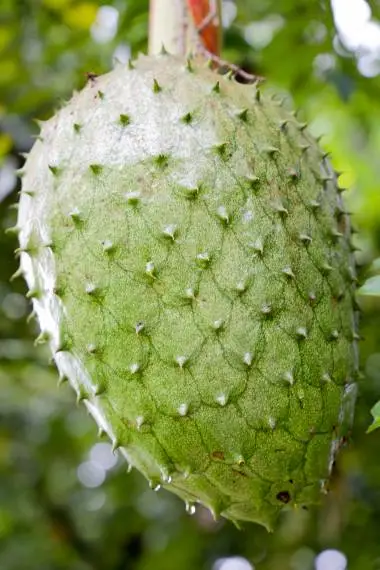
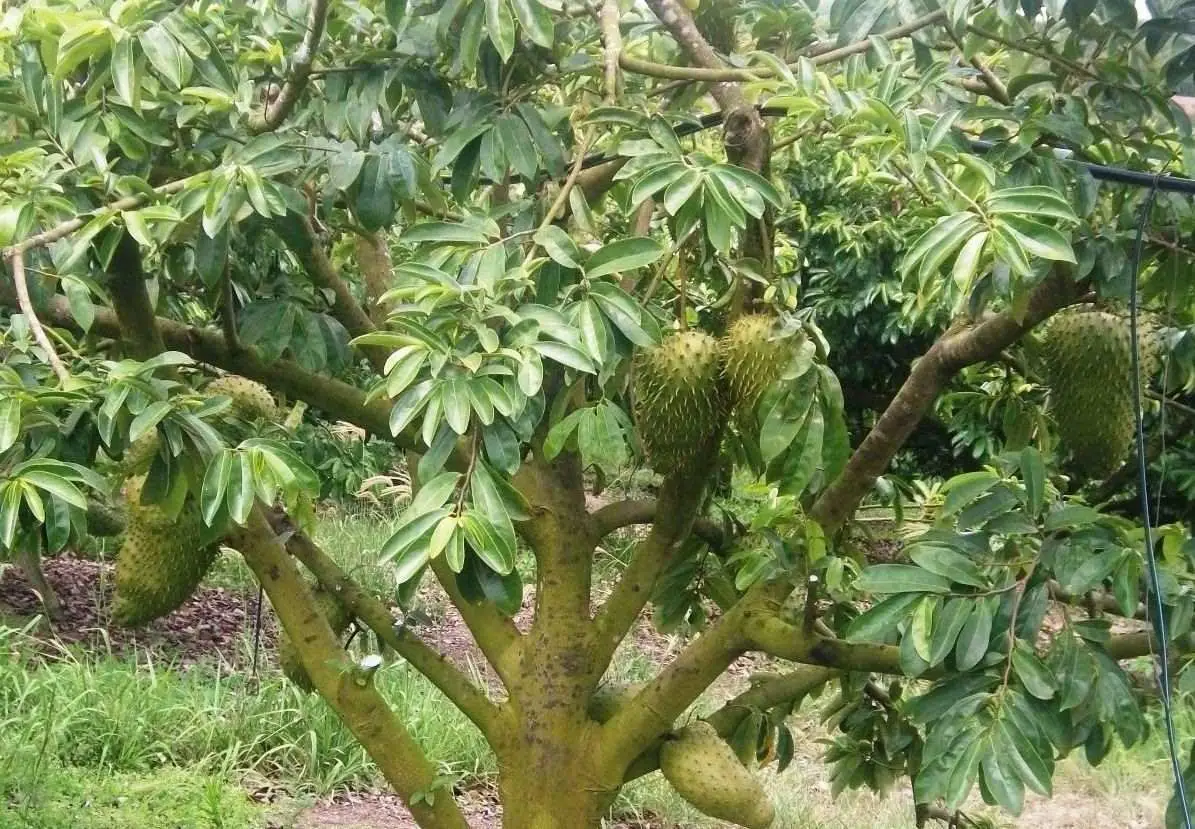
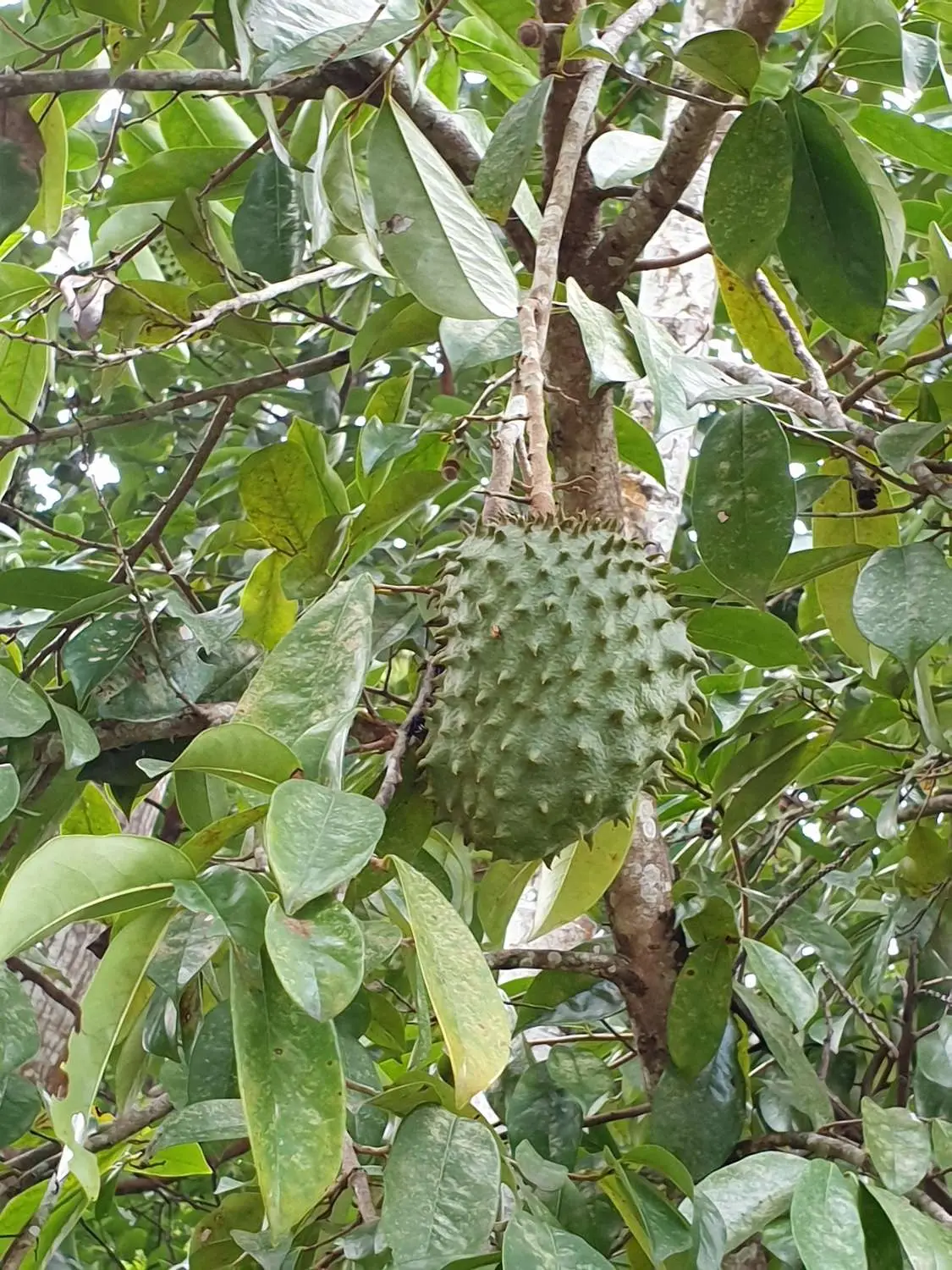
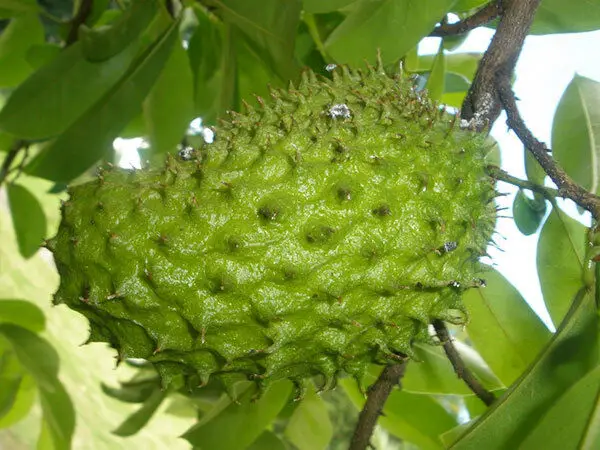
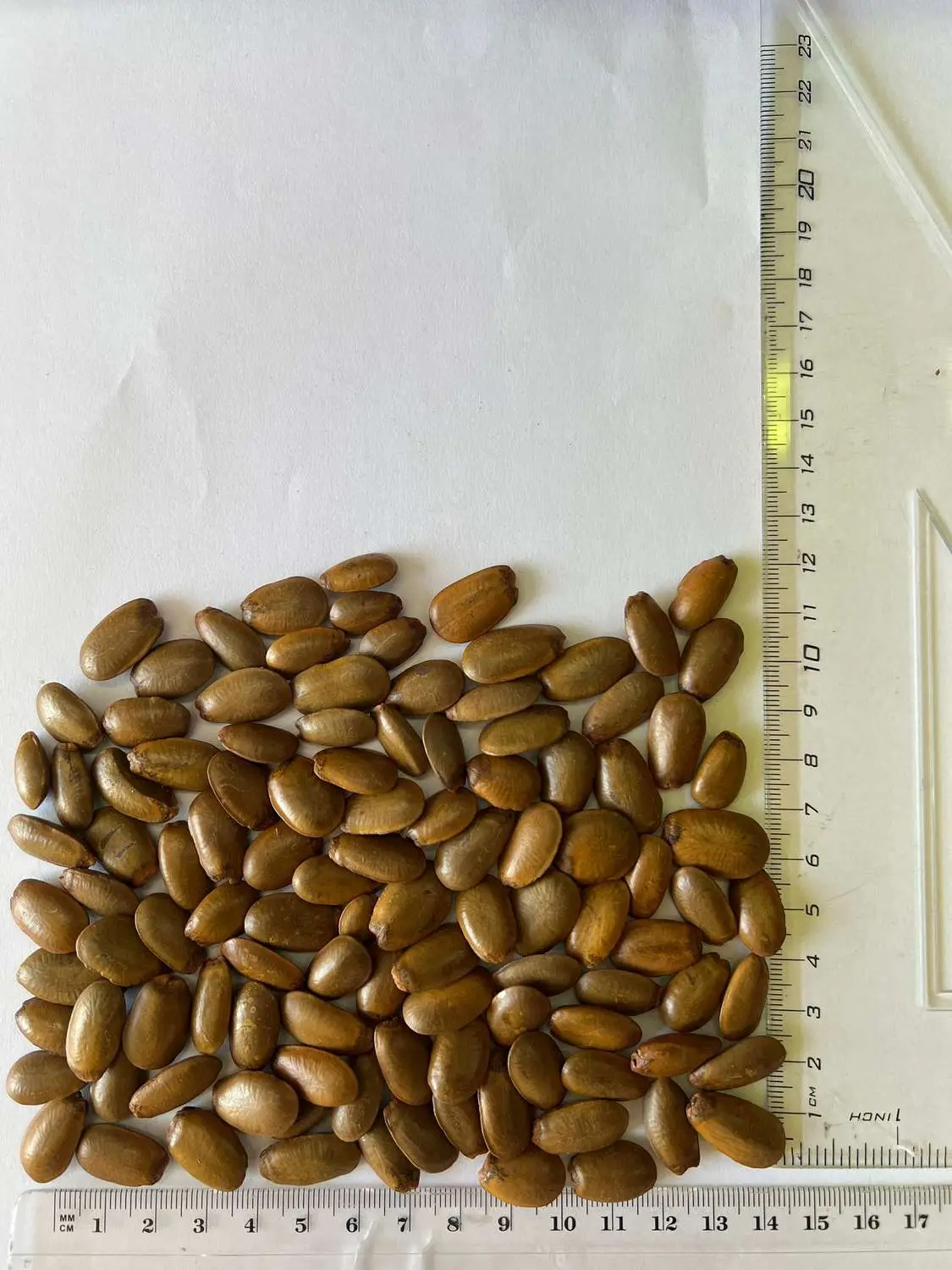
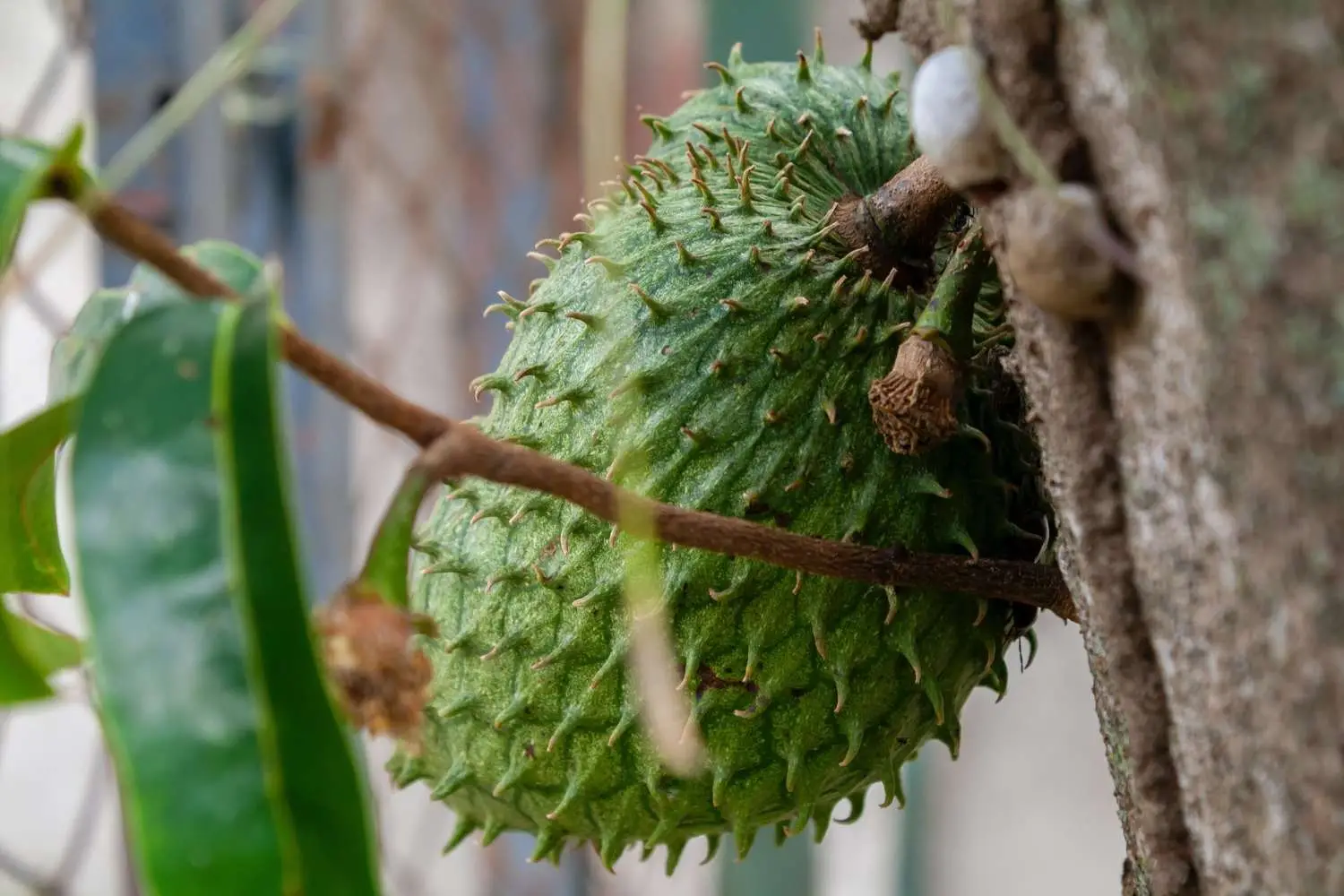
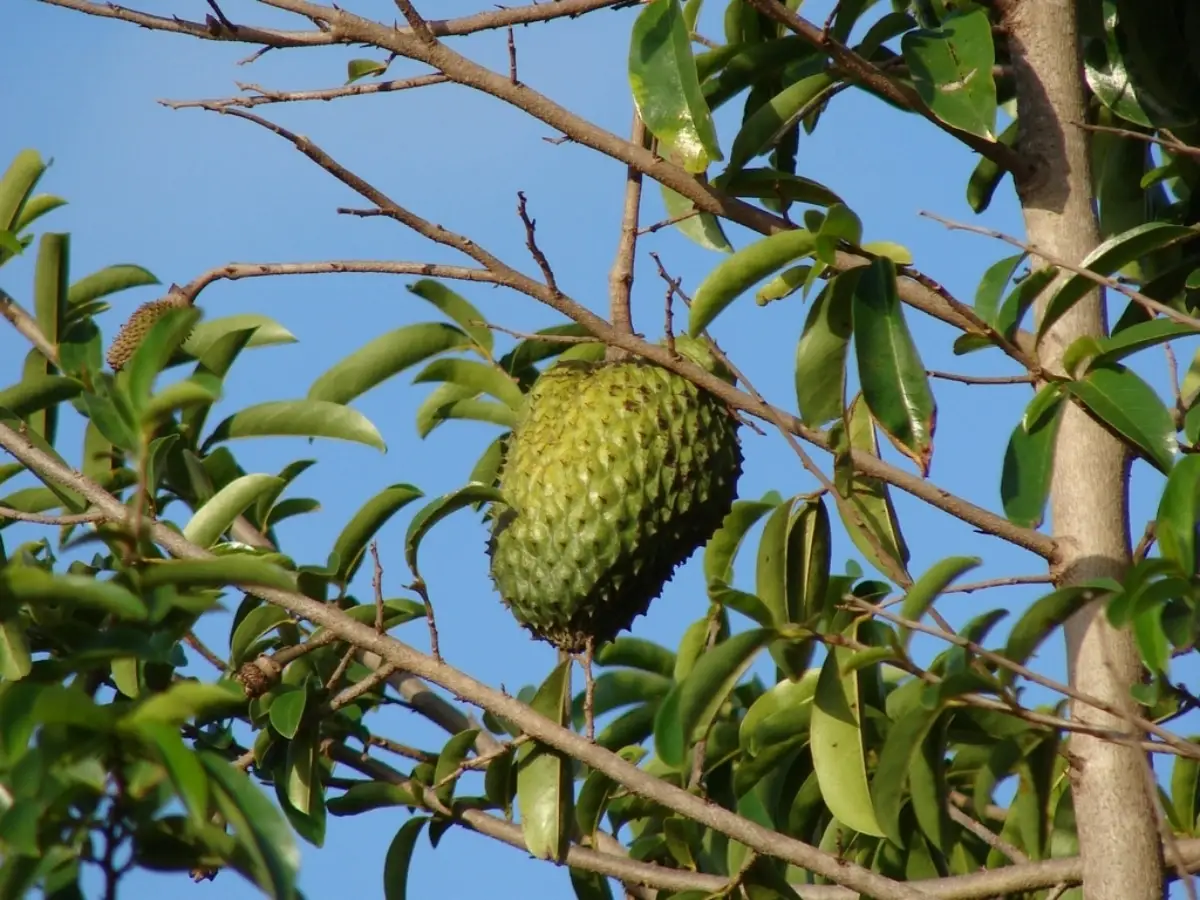
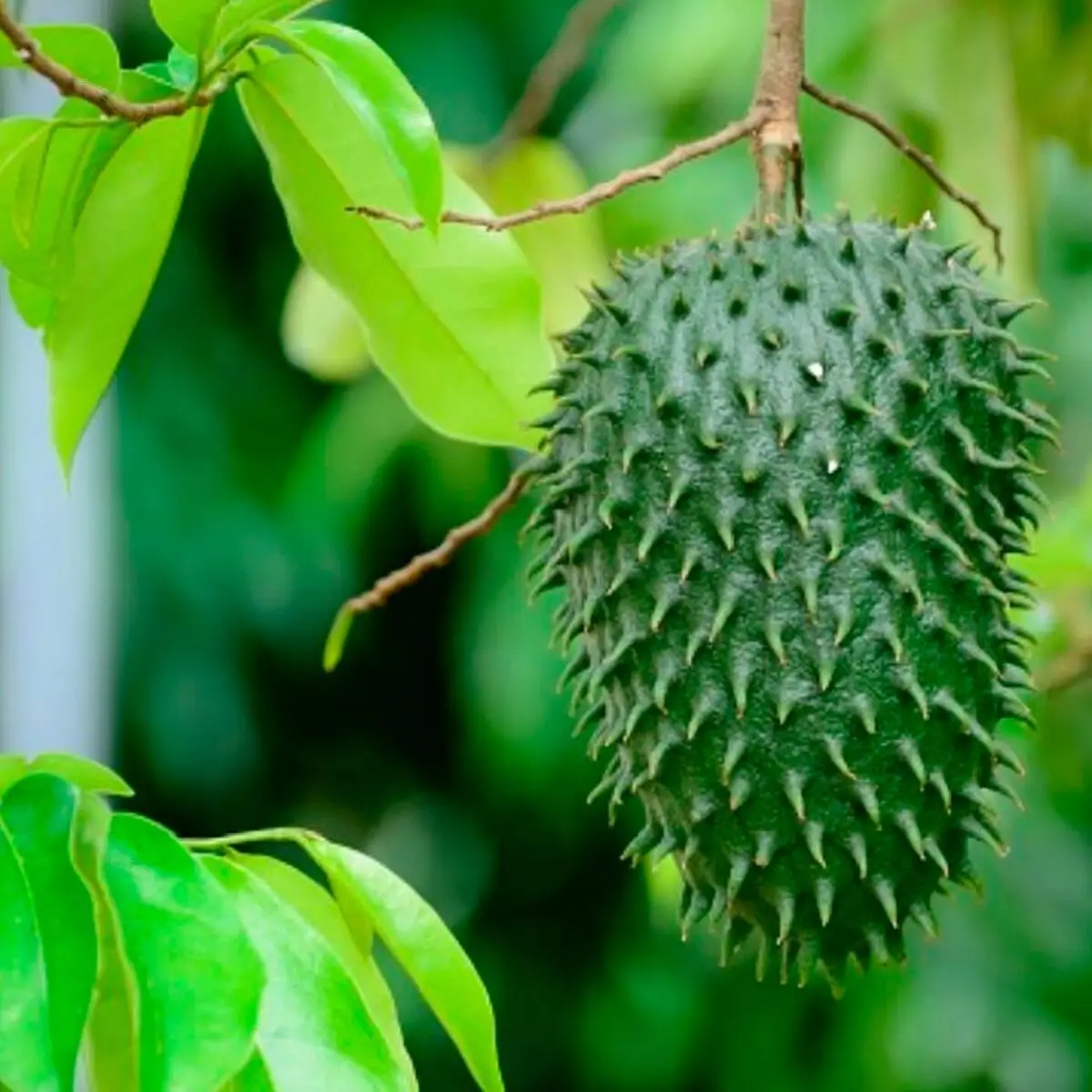
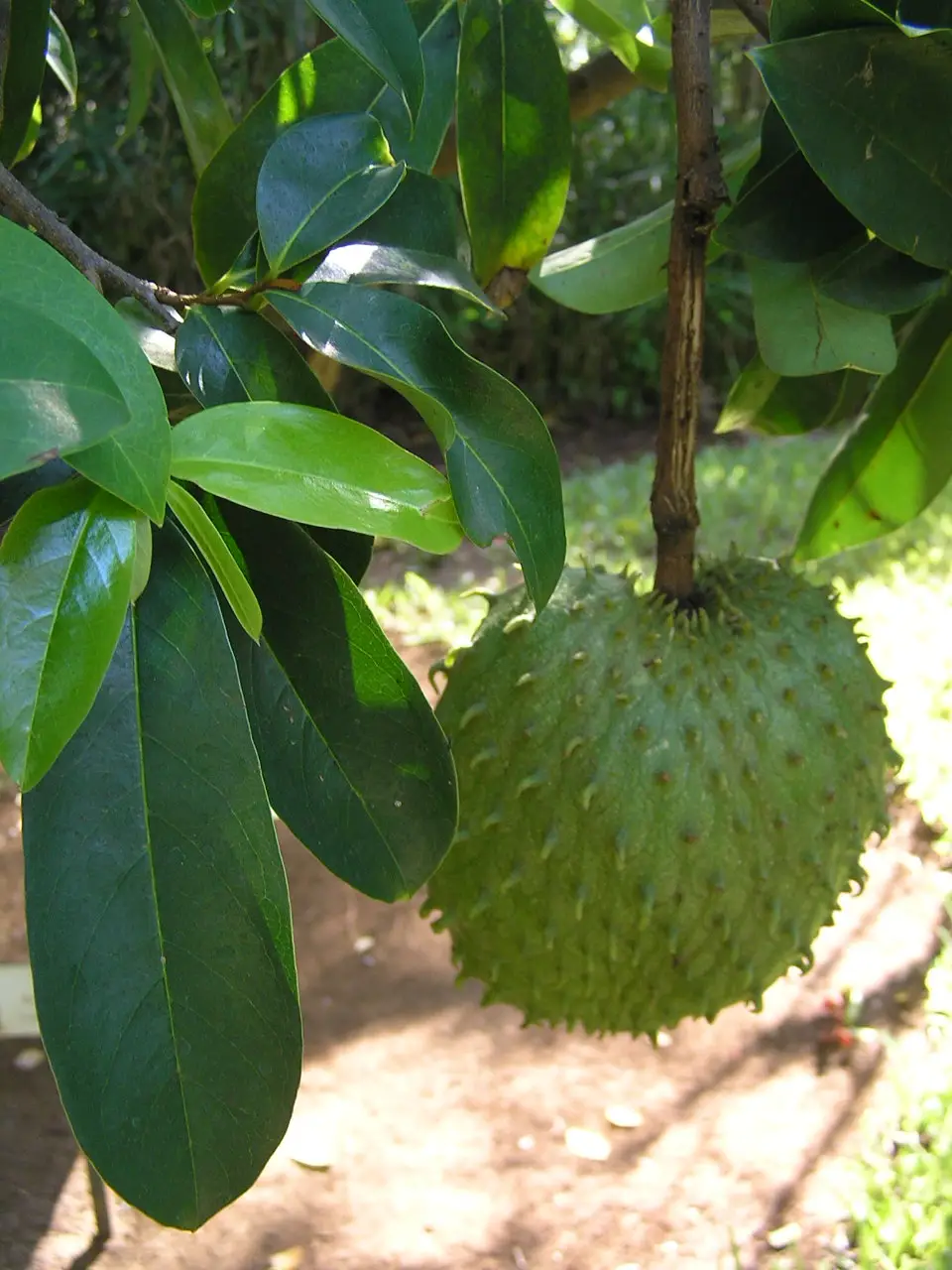
Imagine biting into a fruit that tastes like strawberry, pineapple, and banana swirled together in creamy perfection. Soursop—the prickly-skinned tropical treasure—delivers exactly that. Packed with vitamin C and fiber, it’s as nutritious as it is delicious. Grow it from seed in warm climates or in a container year-round, and you’ll have abundant harvests within 2 years. No special skills needed—just warmth, sun, and consistent moisture.
€7.41
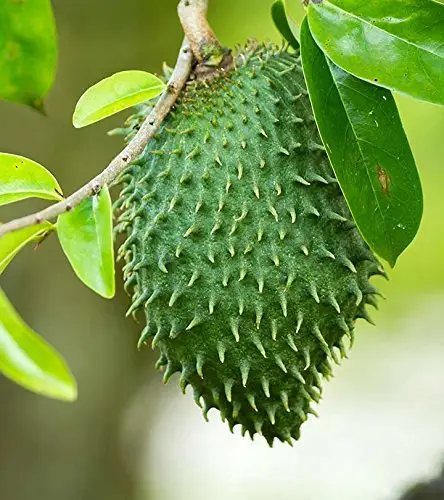
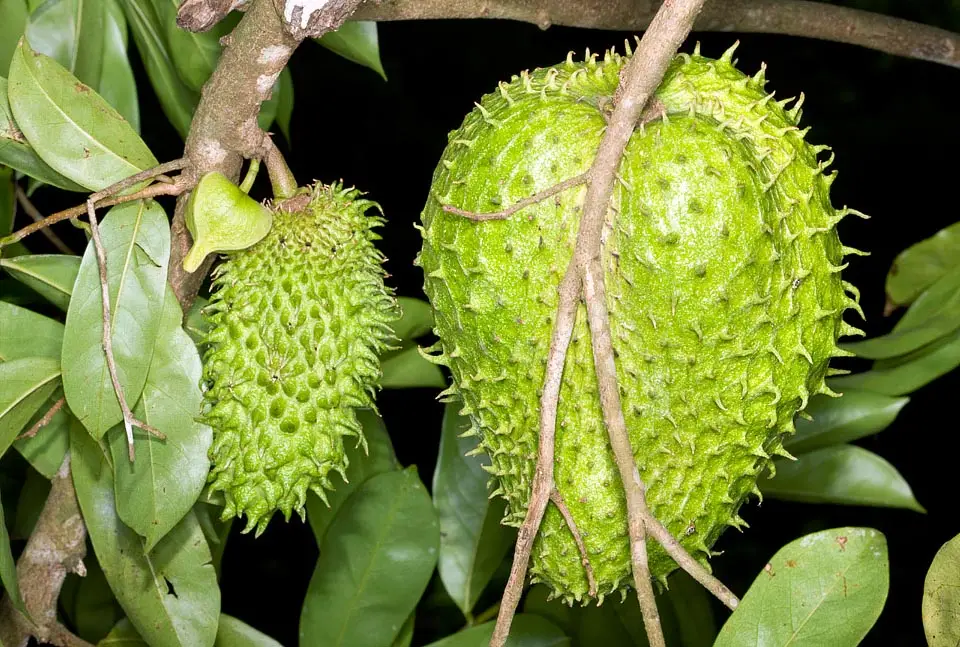
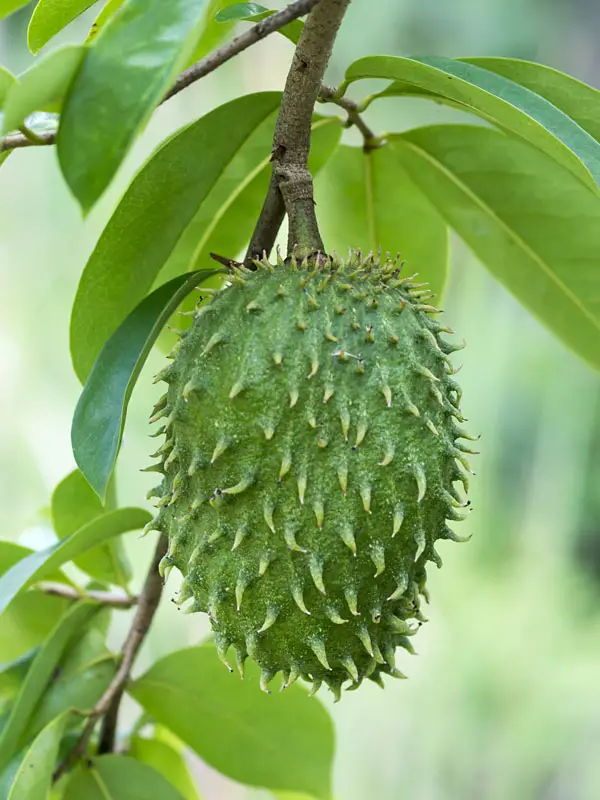
Bite into the impossible: a fruit that shatters every flavor expectation, wrapped in armor-like green skin with stubby spines that make it look like it belongs in a medieval fantasy.
Annona muricata—soursop, graviola, guanabana, whatever you call it across the world—is the fruit that defies description and delights everyone who tries it. Native to the tropical heart of the Americas and the Caribbean, this evergreen tree has traveled the globe with explorers, traders, and dreamers. Today it grows wild in the warm corners of Southeast Asia, Africa, and the Pacific, beloved by locals for its incredible flavors and time-honored medicinal traditions.
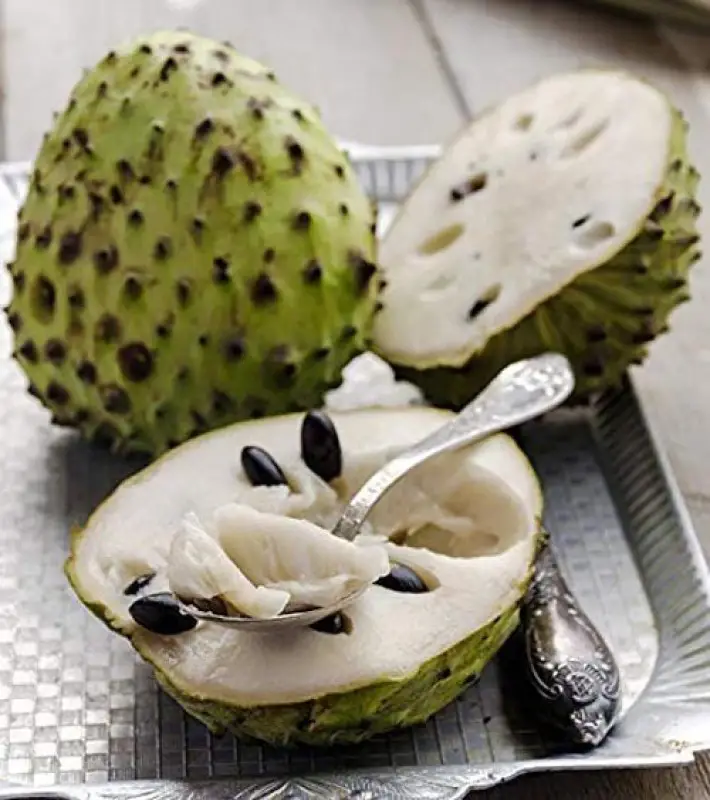
But let’s talk about the FRUIT. This is where soursop becomes irresistible. Slice one open and reveal creamy white flesh so velvety it melts on your tongue—imagine the taste of strawberry meeting pineapple, with whispers of coconut, banana, and citrus. It’s sweet but balanced with subtle tang, aromatic like fresh pineapple, with a texture so lush it needs no cooking or preparation. Scoop it straight from the skin with a spoon, blend it into the most luxurious smoothies, churn it into ice cream that rivals any artisanal parlor, or blend it into the legendary batido de guanabana—that creamy soursop milkshake that’s pure Caribbean soul. The fruits are massive too: a single soursop can weigh 4-10 kg, packed with enough flesh to feed your whole family. And the tree is generous—once established, it fruits abundantly, year after year. This isn’t some finicky exotic that demands a botanist’s doctorate. It’s a straightforward, rewarding tree.
Beyond the fruit’s intoxicating flavor, soursop offers gifts your grandmothers knew about. Across the Caribbean, Africa, and Southeast Asia, traditional healers have brewed soursop leaf tea for centuries—for sleep, for digestion, for that calm your nervous system desperately needs. Modern wellness culture is rediscovering what indigenous cultures always knew: a single cup of soursop leaf tea carries gentle, earthy notes and a reputation for promoting relaxation and balance. The leaves, fruit, flowers, even the bark—every part of this tree has been valued in folk medicine traditions spanning continents. Whether you’re seeking a culinary treasure or a window into traditional wellness practices, soursop delivers on both fronts.
Growing soursop from seed is straightforward. It thrives in warm tropical or subtropical climates (USDA zones 9–11 are ideal, though zone 9 needs winter protection). Give it full sun, well-drained, slightly acidic soil enriched with organic matter, and consistent moisture—the key is moist but never waterlogged. The tree grows quickly and begins fruiting by its second year. In cooler climates, start it in a large container, move it indoors during winter, and you’ll still get the same lush growth and fruit-bearing potential. It tolerates poor soil surprisingly well and isn’t fussy about feeding, though it rewards balanced fertilization during the growing season. Hand-pollinate flowers in the early morning if you want to guarantee heavy fruit set. Within a few years, you’ll have a living treasure that produces for decades.
Imagine walking into your garden on a warm afternoon, plucking a ripe soursop heavy with promise, and experiencing that first creamy, aromatic bite—a taste you can’t find anywhere else. That moment of discovery, of abundance, of connection to tropical tradition, starts with a seed. Grow Annona muricata from seed, and you’re not just planting a tree—you’re planting a gateway to flavor, wellness, and the green, generous magic that tropical plants offer those patient enough to nurture them. This is how legends in your garden begin.
Only logged in customers who have purchased this product may leave a review.

Reviews
There are no reviews yet.