
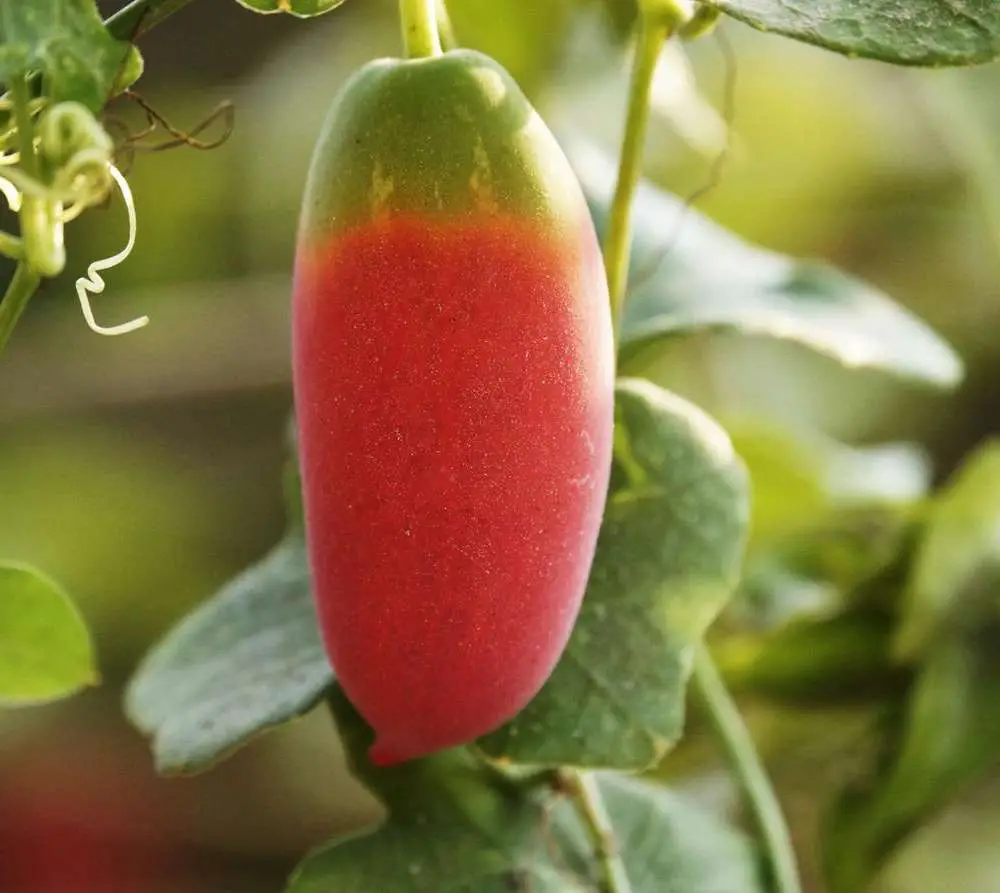
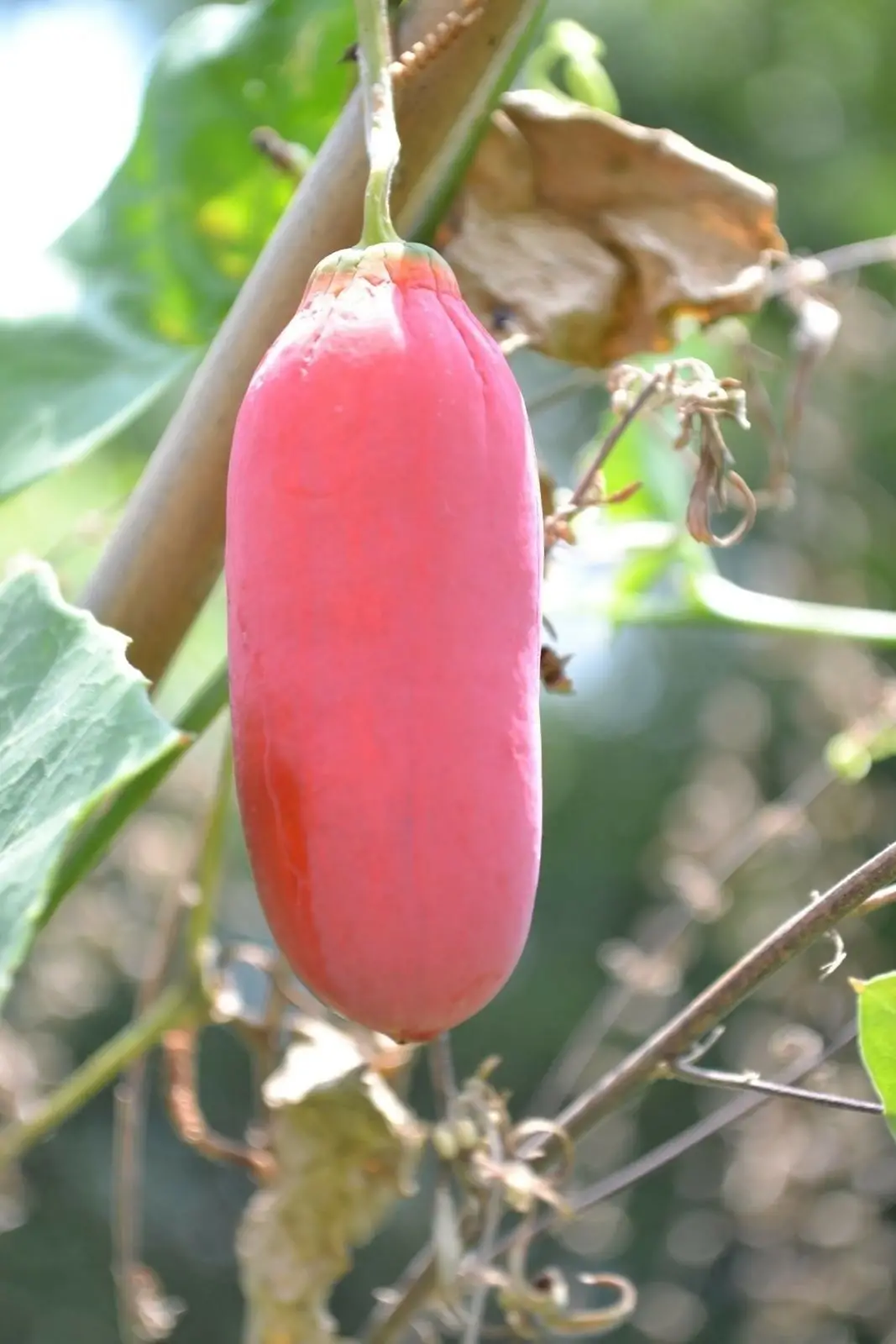
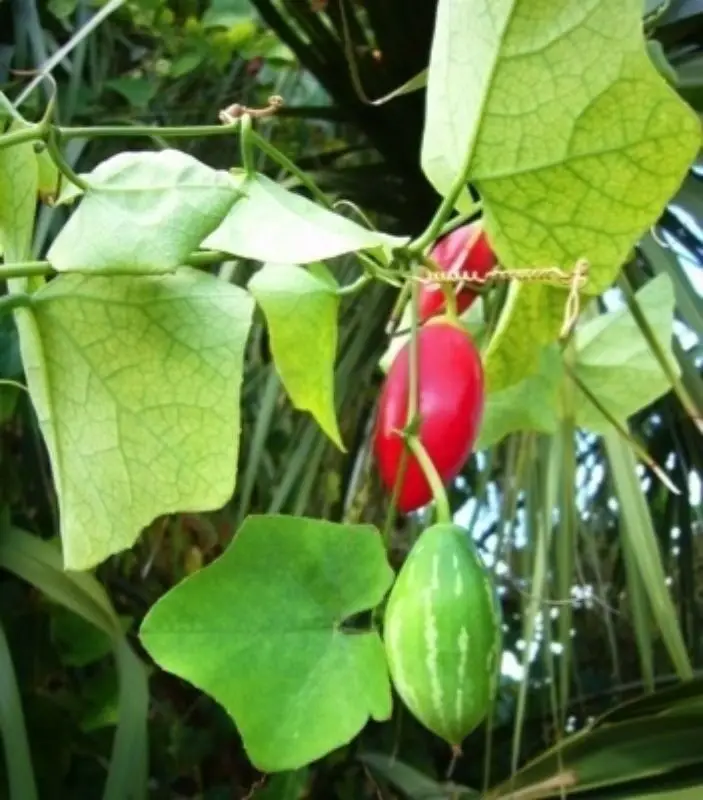
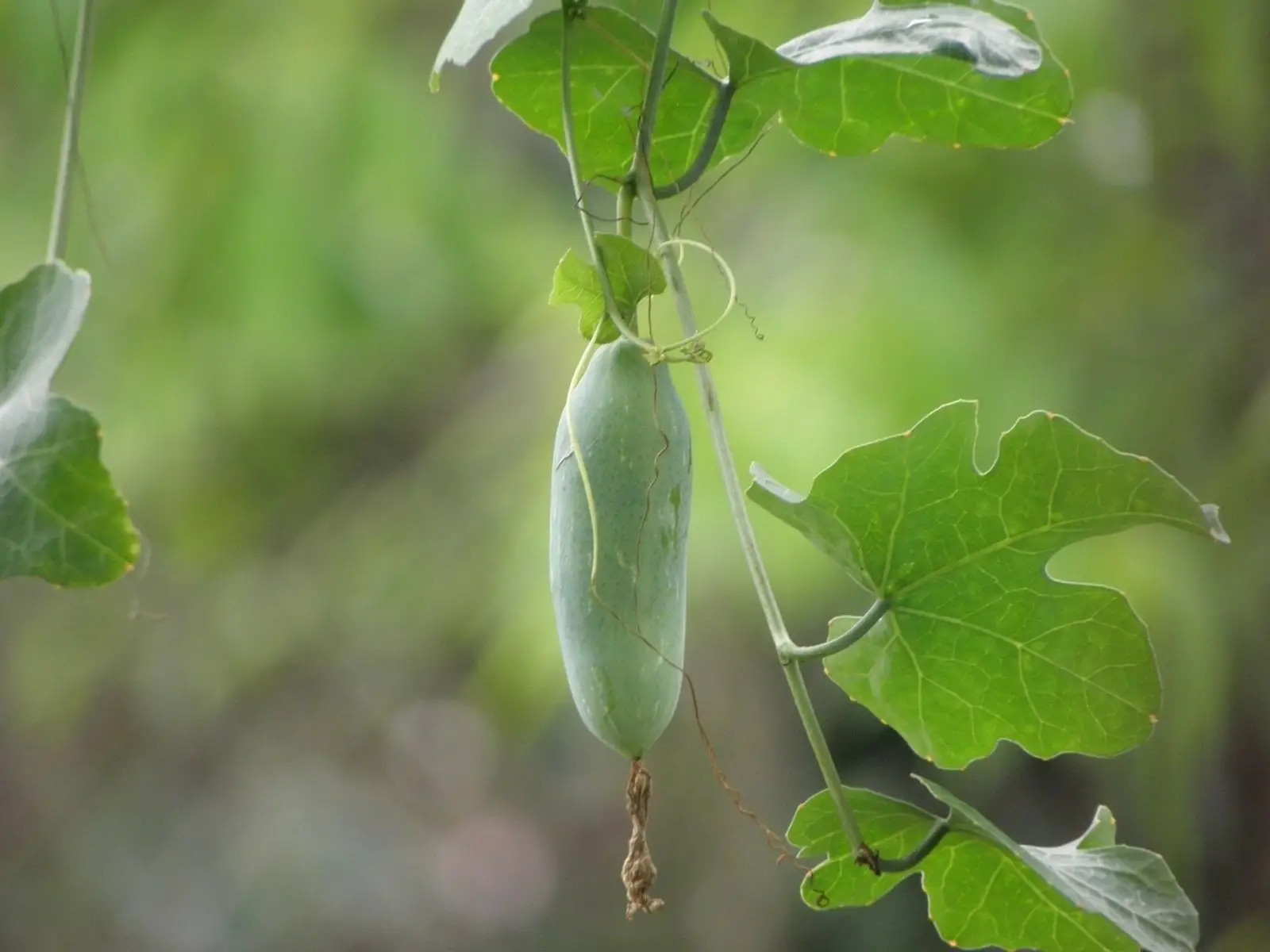
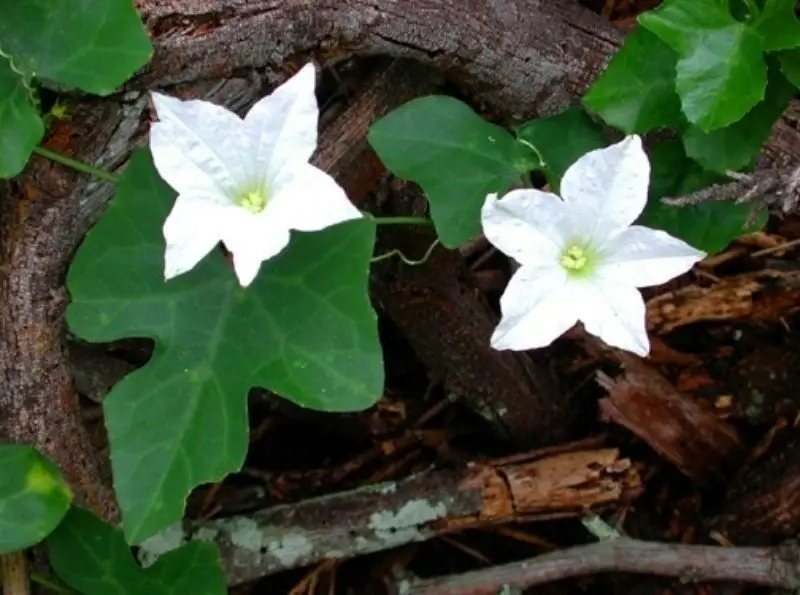
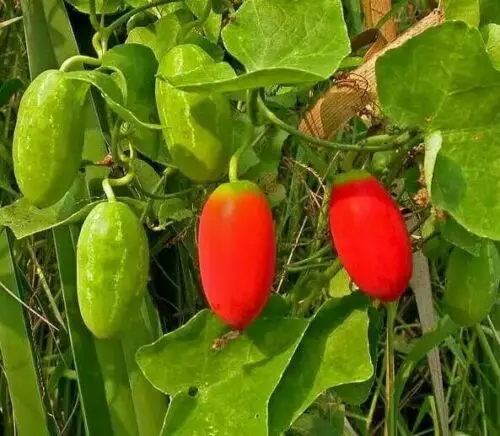
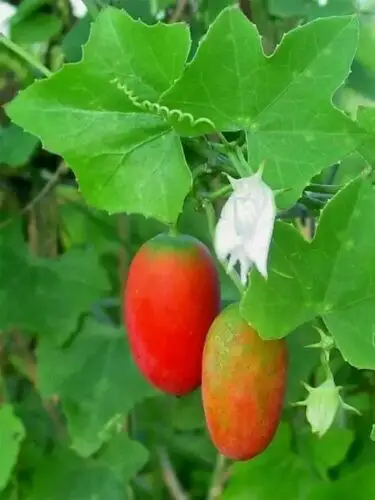
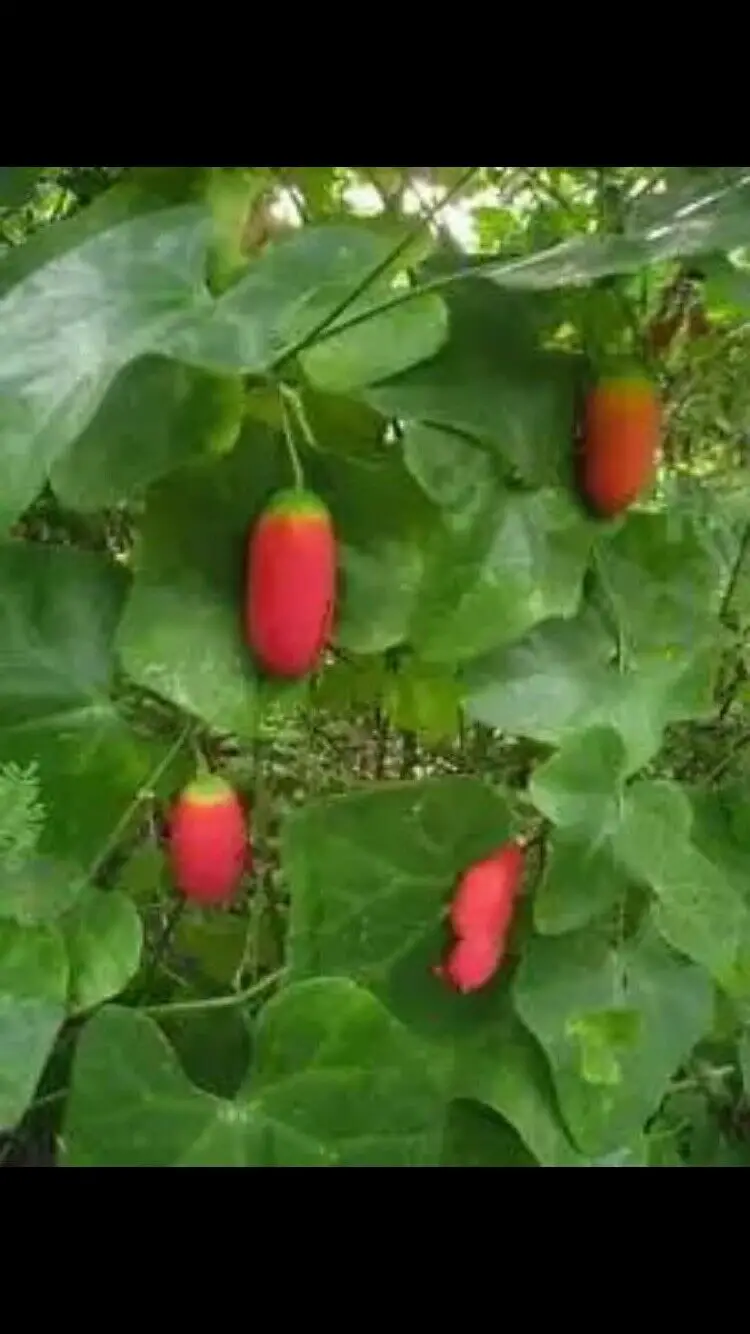
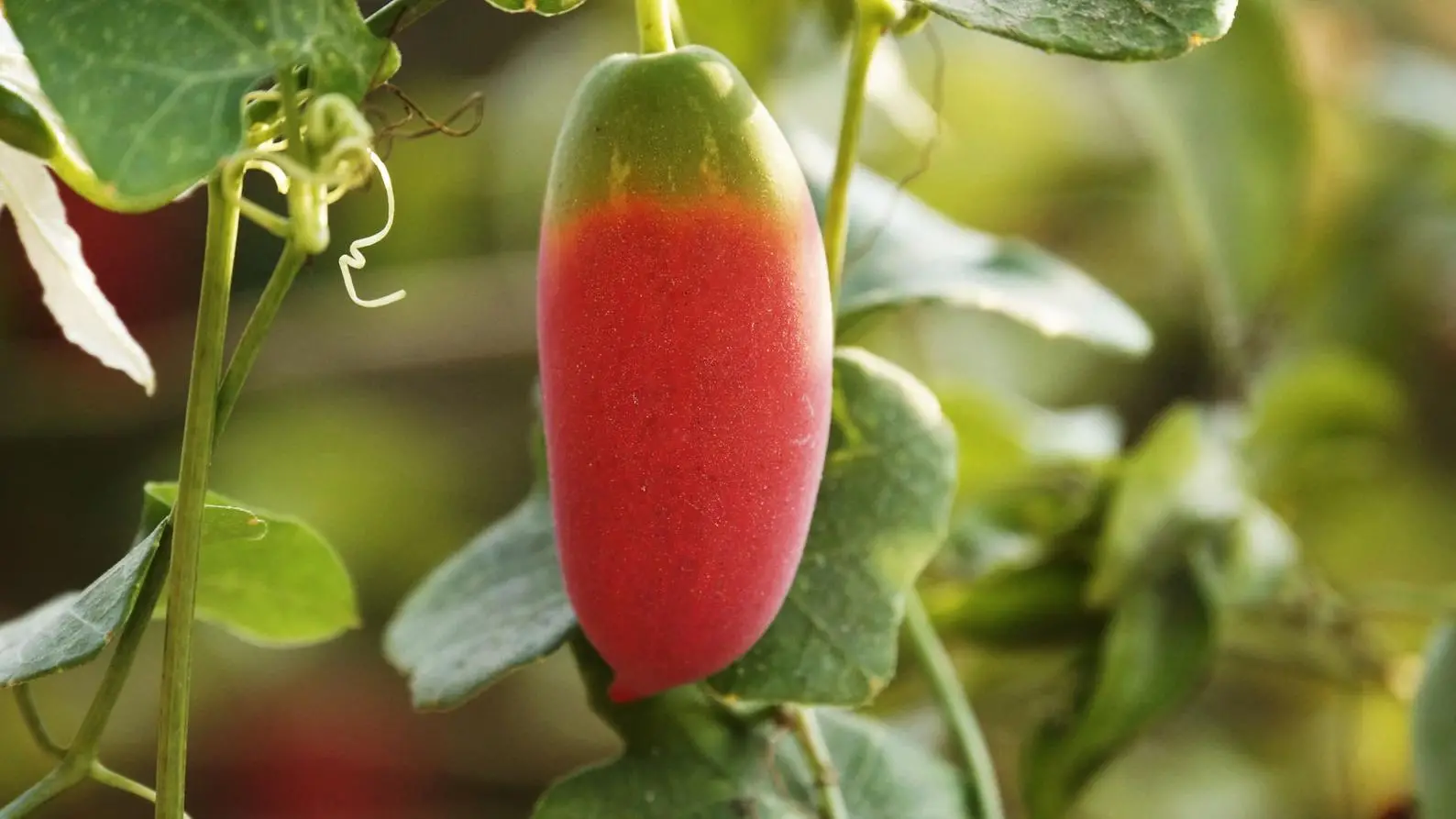
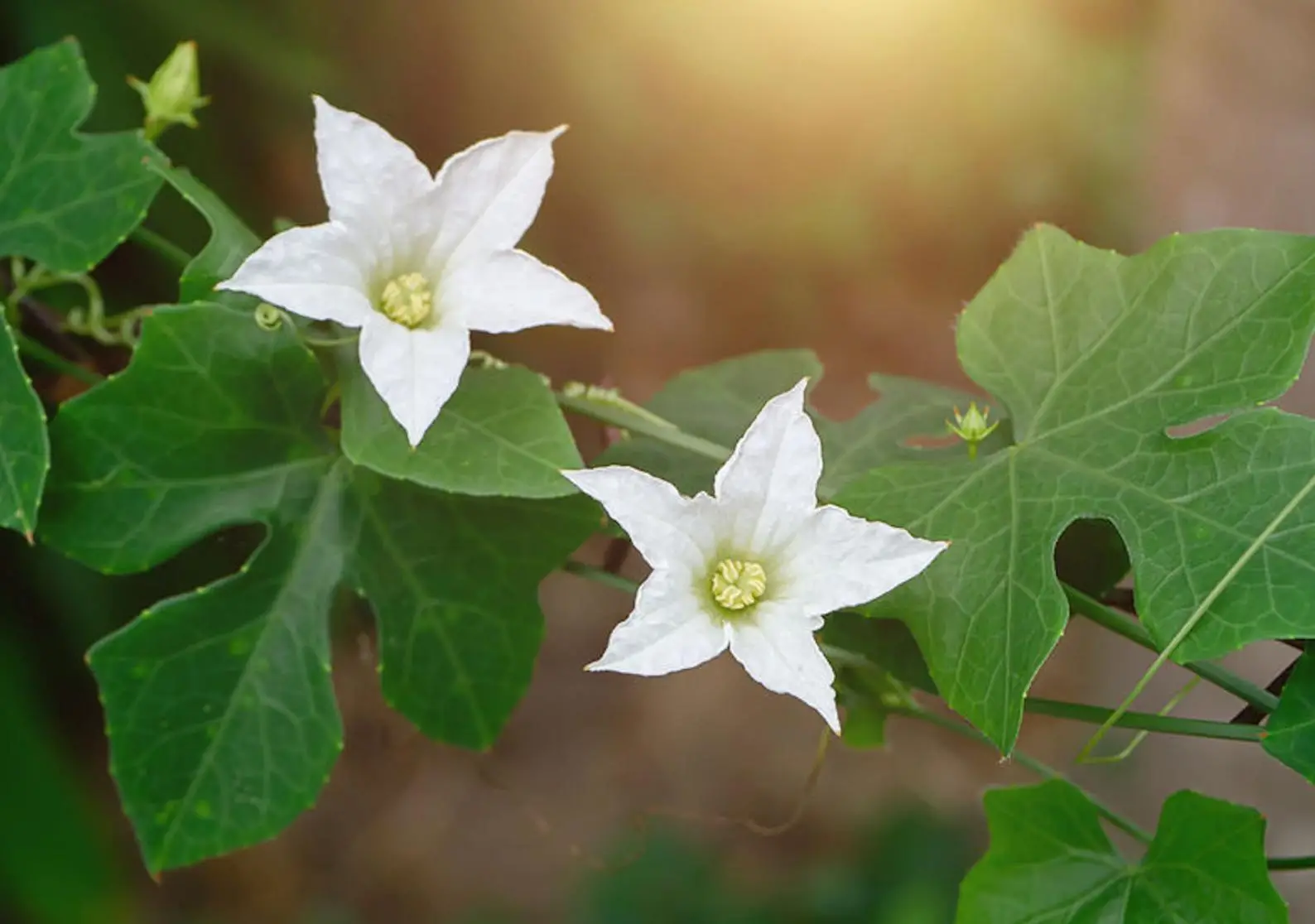
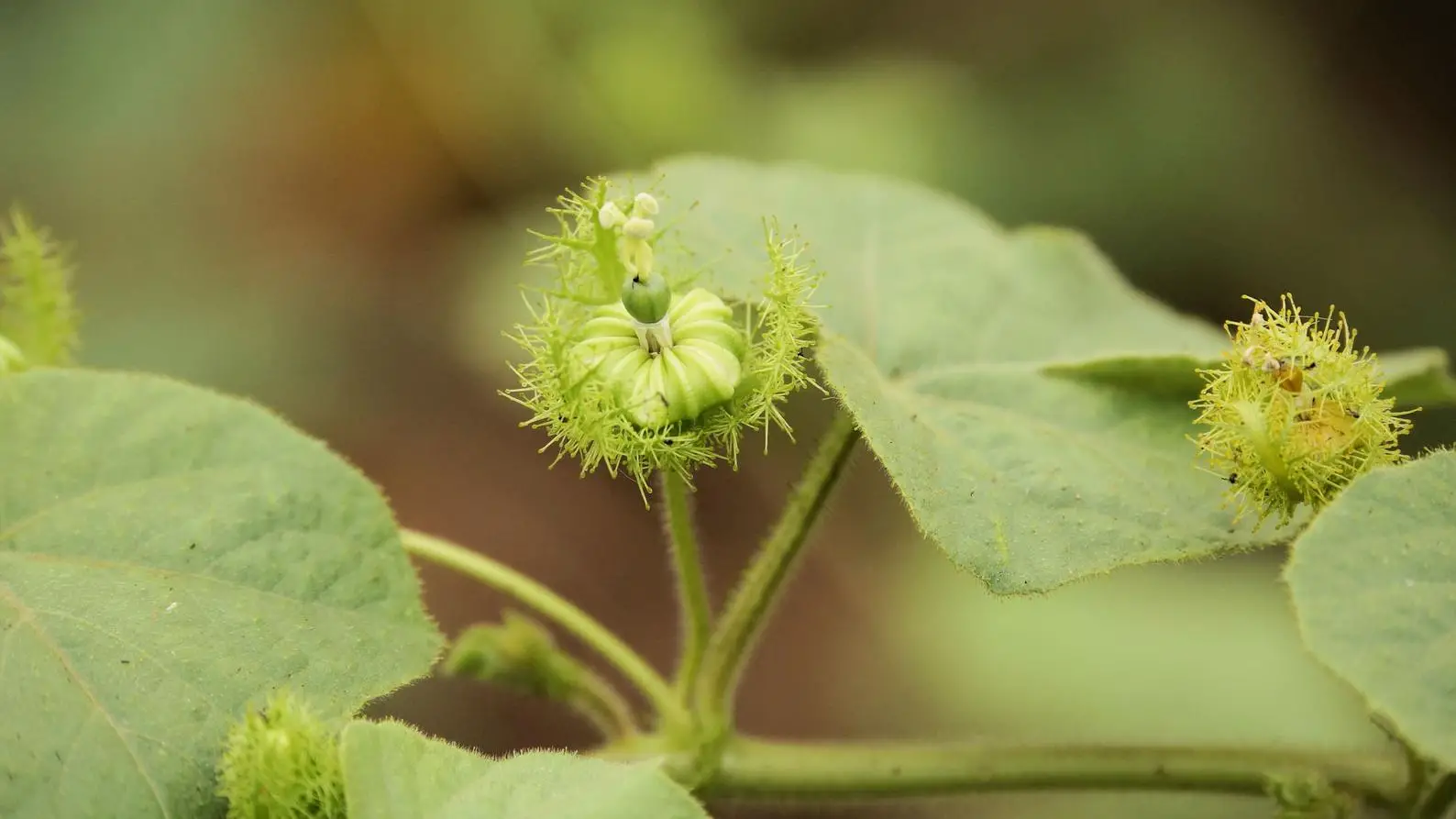
Grow your own blood-sugar ally. Coccinia grandis is a fast-growing tropical vine producing emerald leaves, white flowers, and jewel-bright scarlet fruits—all edible, all medicinal. Used for centuries in Ayurvedic and traditional Asian medicine for diabetes management, backed by modern science. Easy to cultivate from seed in warm climates. A living pharmacy on your trellis.
€1.92
Imagine harvesting healing from your own garden—a vine that climbs, flowers, fruits, and medicines all in one. Coccinia grandis is a perennial tropical climber that speaks to the gardener who grows with purpose. It’s not just ornamental; it’s medicine in motion. This plant doesn’t ask for much but gives generously.
Originally from the forests and cultivated landscapes of India, Africa, and Southeast Asia, Coccinia grandis (also called Scarlet Gourd, Tindora, or Kundru in local tongues) has been revered for centuries across multiple healing traditions. Colonial botanists documented its presence in 19th-century gardens, where families credited daily tindora salads with healthy aging. Its name itself—Coccinia, from Greek kokkinia meaning “scarlet”—speaks to the jewel-toned fruits that ripen to brilliant red. It is a plant with deep cultural roots, grown in home gardens and traditional medicine plots from Kerala to Cambodia.
But here’s what sets ivy gourd apart: its primary superpower is blood sugar balance. Modern scientific research has now confirmed what Ayurvedic practitioners and traditional healers have known for millennia. Coccinia grandis contains bioactive compounds—particularly charantin, a steroidal saponin—that enhance insulin release and improve glucose uptake. This isn’t folklore; university studies worldwide are validating its antidiabetic potential. Beyond glucose support, comprehensive research has confirmed the plant’s properties as hepatoprotective (protecting the liver), anti-inflammatory, analgesic (pain-relieving), antipyretic, antimicrobial, and even anti-cancer. Every part—leaves, fruits, roots, stems—offers therapeutic value. Traditional uses span diabetes management, fever, respiratory support (bronchitis, asthma), skin conditions, wound healing, and inflammation. In Sri Lankan medicine, healers steeped the vine to treat snakebite symptoms. In Southeast Asia, Filipinos add fruit to rice-heavy meals to manage blood sugar surges. The evidence is dense, the tradition is deep, and the results are documented. If you’re serious about functional food gardening, ivy gourd isn’t a luxury—it’s an investment in your wellbeing.
Growing Coccinia grandis is refreshingly straightforward. This perennial vine thrives in warm, frost-free climates (zones 8–11) and loves full sun to partial shade. Plant it where it can climb—a trellis, fence, or wall become living supports for an ever-expanding cascade of foliage. It demands well-draining soil rich in organic matter but is remarkably forgiving in sandy to loamy soils. Once established, it becomes drought-tolerant, though regular watering during growth and fruit production accelerates results. The plant is famous for its vigorous growth—it can extend 4 inches per day in optimal conditions, reaching several meters annually. You’ll see white, five-petaled flowers appearing regularly in warm climates, with year-round flowering and fruiting in frost-free zones. The small, smooth, bright-red ovoid fruits begin appearing within weeks of flowering. From seed, germination occurs in 3–4 weeks in warm conditions; transplant after the last frost. Container growing is possible in cooler regions. This is not a fussy plant; it’s a generous one.
Grow Coccinia grandis because you deserve a garden that nourishes both body and spirit. Because healing plants deserve a place in our homes. Because this scarlet-fruited vine carries the wisdom of centuries in its green leaves and the promise of modern science in every stem. Start from seed and watch as your own living pharmacy takes root—climbing, flowering, fruiting, and medicine-making all at once. This is gardening with purpose.
Only logged in customers who have purchased this product may leave a review.

Reviews
There are no reviews yet.