Ficus hispida — Hairy Fig | Medicinal Powerhouse + Edible Fruit & Stunning Foliage

Discover the legendary medicinal fig of Asia—textured hairy leaves, prolific edible fruits, and a history of healing spanning centuries. Ficus hispida is easy to grow in warm climates or as an indoor bonsai, producing a striking specimen while connecting you to traditional herbal wisdom. Rich in bioactive compounds, this tree becomes both ornament and pharmacy. Start from seed today and nurture something truly special.

1.92

You May Also Like

Description

Meet Ficus hispida, the medicinal wonder fig that cultures across Asia have treasured for over a thousand years—a living bridge between the garden and the traditional medicine cabinet.

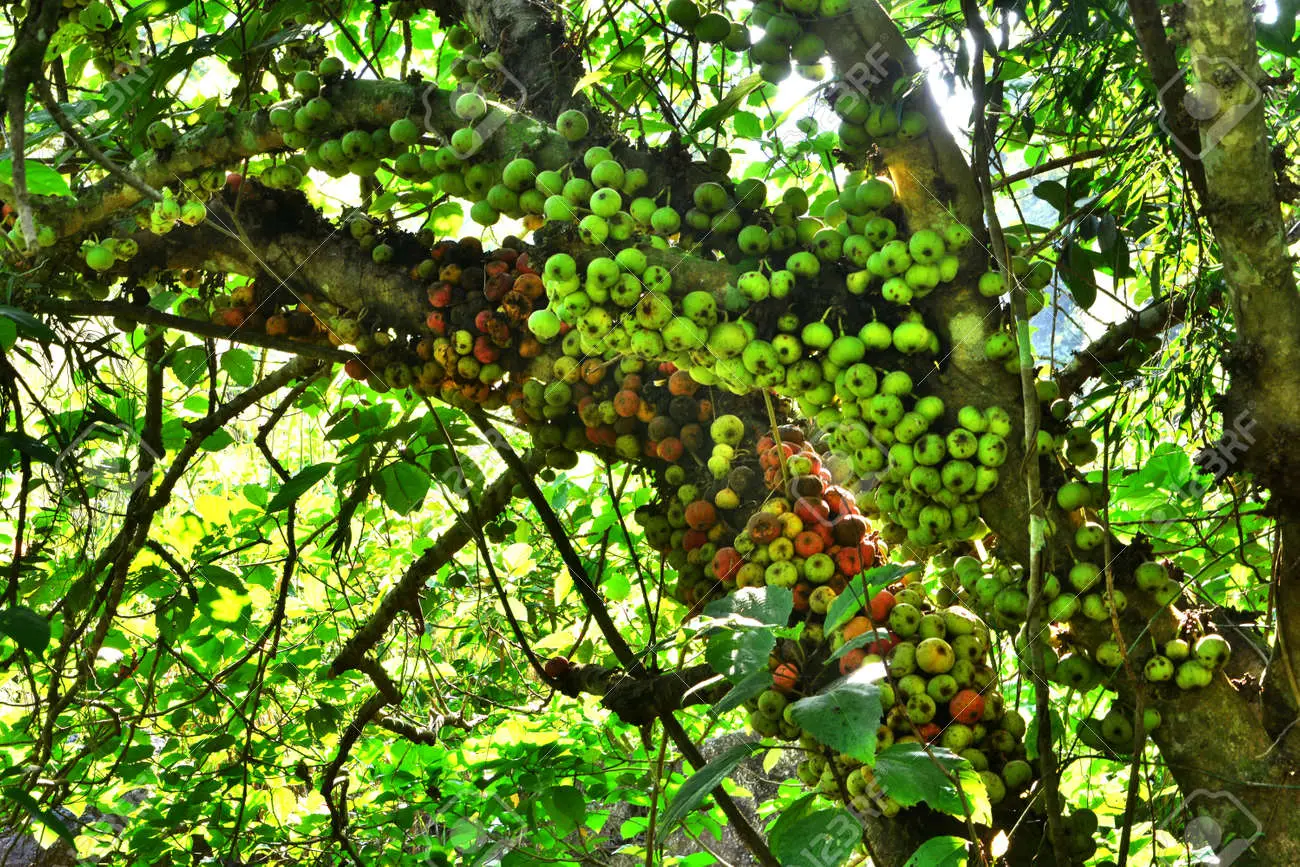
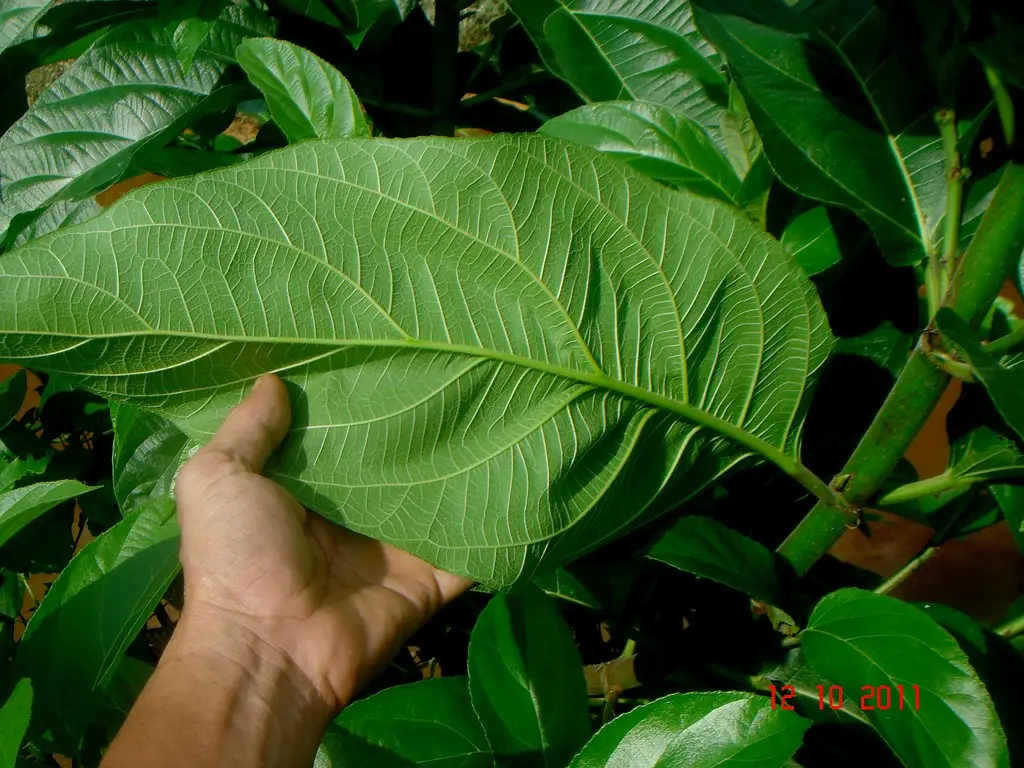
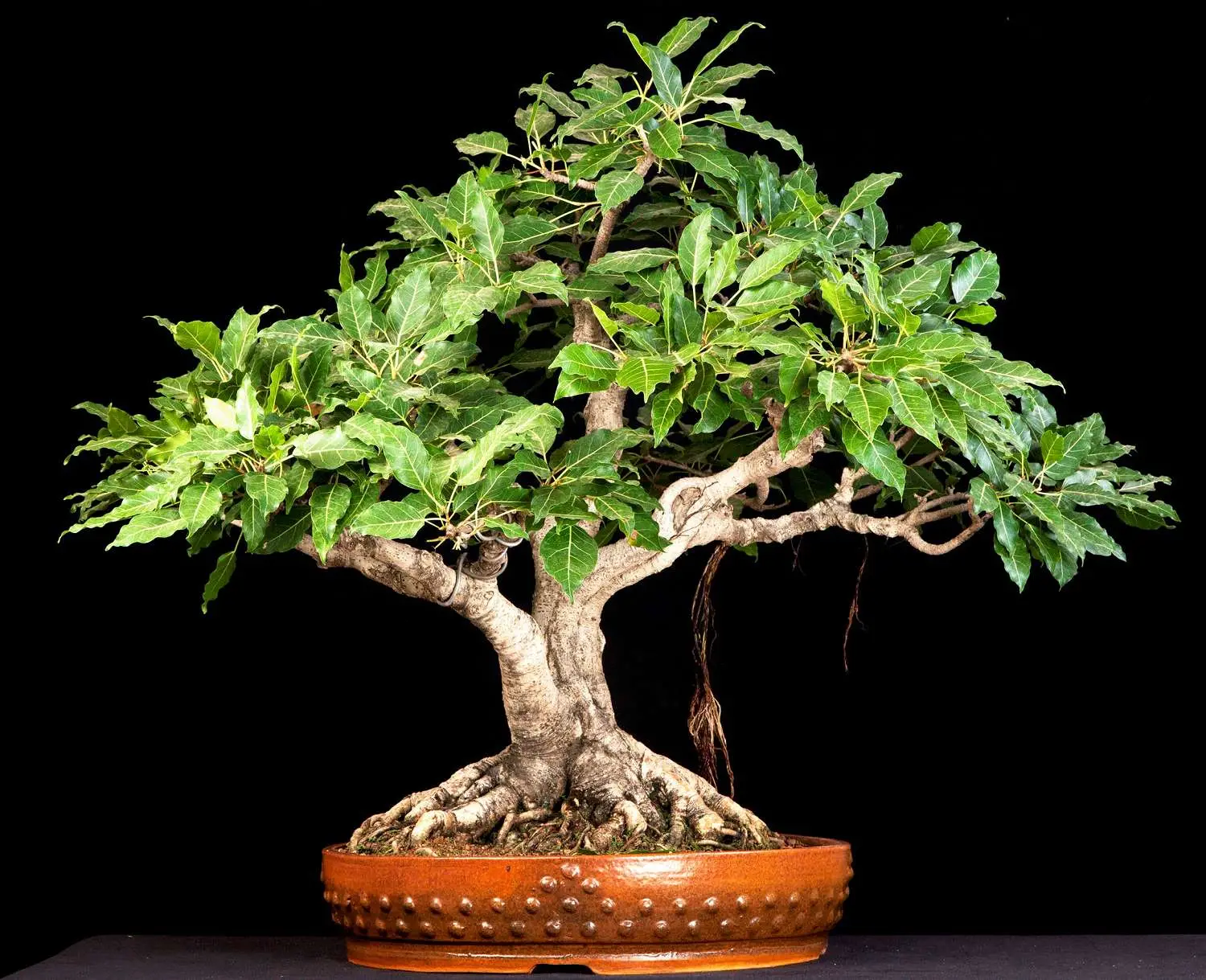
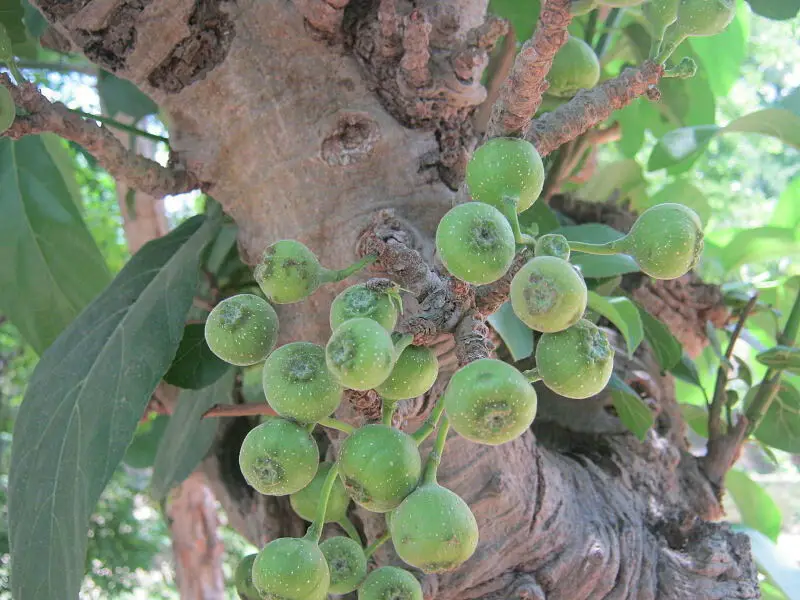
Native to tropical Southeast Asia, India, and Australia, Ficus hispida earns its name from the distinctive fine hairs densely covering its elliptical, serrated leaves and young stems. This textured foliage creates a visual richness that sets it apart from ordinary figs. The tree grows to a manageable 10–17 meters in nature but adapts beautifully to containers and bonsai cultivation, with a spreading canopy and vigorous, healthy habit. In the right conditions, it rockets upward—adding 1–2 meters annually in tropical warmth—making it deeply rewarding to watch transform from seed to specimen.

But here’s what makes Ficus hispida truly magnetic: its staggering medicinal legacy. For centuries, traditional healers across India, Bangladesh, China, and Sri Lanka have deployed every part of this tree to address a constellation of ailments. The leaves treat skin diseases, fevers, and digestive complaints; the bark manages inflammation and hemorrhage; the fruits act as tonics and digestive aids; even the roots address gallbladder issues and jaundice. Modern phytochemical research has validated these traditions, identifying alkaloids, flavonoids, phenols, and terpenes with documented antidiabetic, anti-inflammatory, antidiarrheal, and hepatoprotective properties. Studies confirm that Ficus hispida fruit and leaf extracts genuinely reduce blood glucose levels—a finding that explains why it remains central to folk diabetes management across South Asia. This is not folklore; this is functional plant medicine you can grow from seed.

Cultivating Ficus hispida is straightforward for anyone committed to warmth and humidity. The tree demands bright, indirect light and thrives in loamy, well-draining soil that retains moisture—perfect for pots or garden beds in zones 9–11. Water regularly to keep soil consistently moist but not waterlogged. It loves warm temperatures (ideally 60–80°F, tolerate no lower than 50°F) and genuinely flourishes in humid air; outdoor placement during warm months accelerates vigour. Young saplings establish quickly, and the tree responds beautifully to pruning, making it ideal for bonsai enthusiasts or those seeking a compact medicinal specimen for indoor cultivation. Feed during the growing season and repot every other year—it tolerates root pruning with ease. Indoors, position it near a bright window; outdoors, give it dappled sun or partial shade in scorching climates.

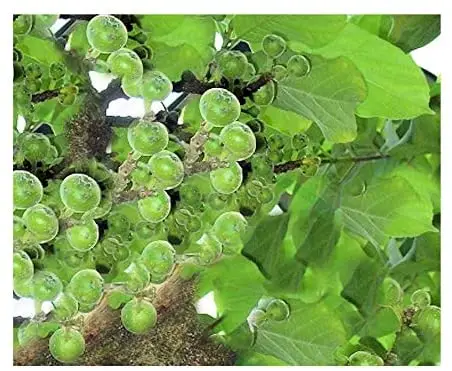
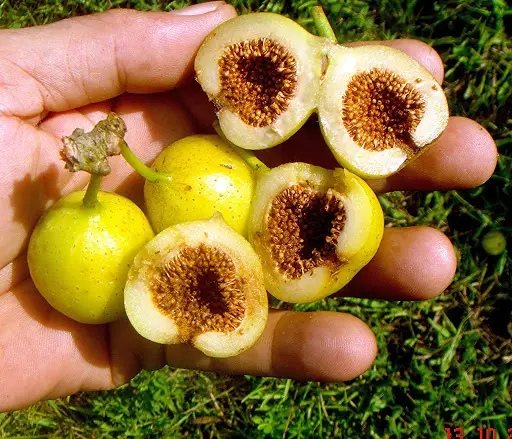
Imagine harvesting leaves to steep for wellness tea, gathering small greenish-yellow figs (mildly sweet, edible when ripe) for culinary or medicinal preparation, and watching wildlife flock to the tree as it matures. Imagine explaining to visitors that your specimen is a living pharmacy, a pollinator magnet, and a link to ancient healing traditions—all grown from a single seed. This is what Ficus hispida offers: beauty, purpose, and the intimate knowledge that you are steward to something genuinely beneficial. Grow it from seed. Become part of an unbroken chain of cultivation stretching back centuries.

Germination Guide

🌍 India, southern China, Southeast Asia, Myanmar, Thailand, Laos, Vietnam, Malaysia, Indonesia, New Guinea, and northern Australia
Moderate

Ficus hispida, commonly known as the hairy fig or opposite leaf fig, is a small evergreen tropical tree native to Asia and northern Australia, recognizable by its distinctive hairy figs and leaves. Seeds are photoblastic (requiring light) and have intermediate difficulty for germination, requiring consistent warmth, high humidity, and light to achieve good germination rates of around 60%. This is a keystone species in tropical ecosystems, particularly valued as a pioneer species for forest restoration.

Germination
Germination time
Expect germination in

14 – 208 days

Temperature

Min 22°C
Ideal 25°C
Max 35°C
🌡️ Temperature alternation recommended
— Temperature fluctuation between 25/35°C (warm days and cooler nights) promotes better germination rates. Lower temperatures (22/23°C) may inhibit germination, especially with inadequate light

Light
☀️ Light required

Substrate moisture
💧💧 High

Sowing depth
Surface

Press seed
👆 Yes

Germination rate
60 %


Seed Pre-treatment
  • 🔨

    Hot water scarification
    Soak seeds in pre-boiled water cooled to approximately 65°C (150°F) for 10 minutes. Alternative methods: diluted bleach and vinegar solution (70% warm water, 15% bleach, 15% vinegar) for 12 hours, or GA3 solution for 24 hours
  • 📋

    Additional notes
    Hot water treatment or alternative dormancy-breaking methods are recommended. Ficus hispida seeds are gap-demanding and require warm temperatures with adequate light for germination

Substrate & Container
Recommended substrate
Well-draining seed raising mix, peat moss, or light porous pathogen-free substrate

Recommended container
Plastic pot with transparent cover or humidity dome for maintaining moisture and creating greenhouse conditions


Growing Tips
Use fresh seeds whenever possible, as Ficus hispida seeds are relatively short-lived. Sow seeds on the surface of soil and gently press for good contact - do NOT cover completely as light is essential for germination. Keep soil consistently moist throughout germination period; drying out will kill the seed embryo. Maintain a humid environment with the cover (leaving a corner uncovered for air circulation after germination begins). Remove cover gradually over 1-2 weeks once germination starts. Expect germination to begin around day 11-14, with peak germination by day 14. Seedlings can be transplanted once they have 2-4 true leaves. In tropical areas, this species prefers dappled, part-shaded locations and well-draining soil.

Reviews

There are no reviews yet.

Only logged in customers who have purchased this product may leave a review.

Related Products