Description
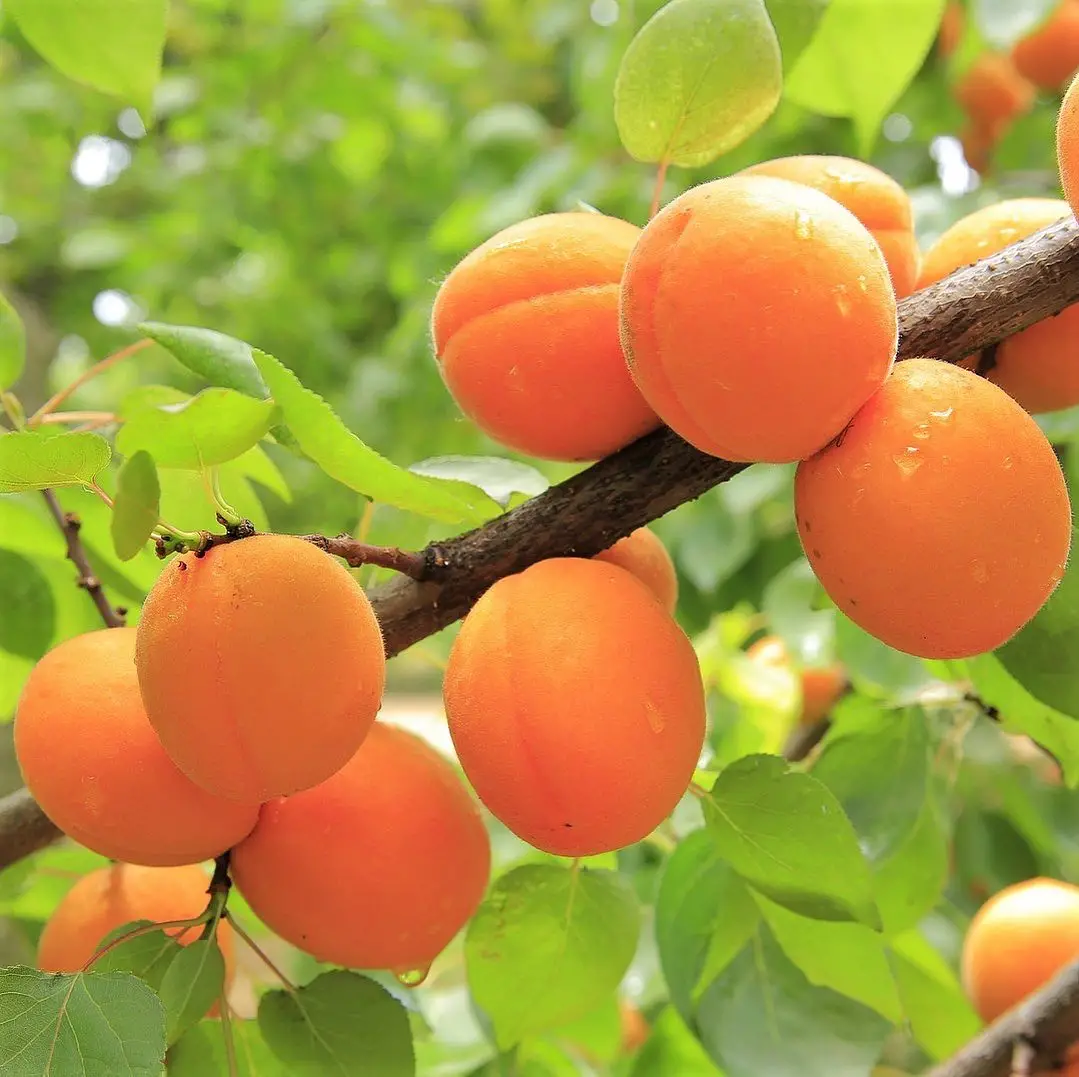
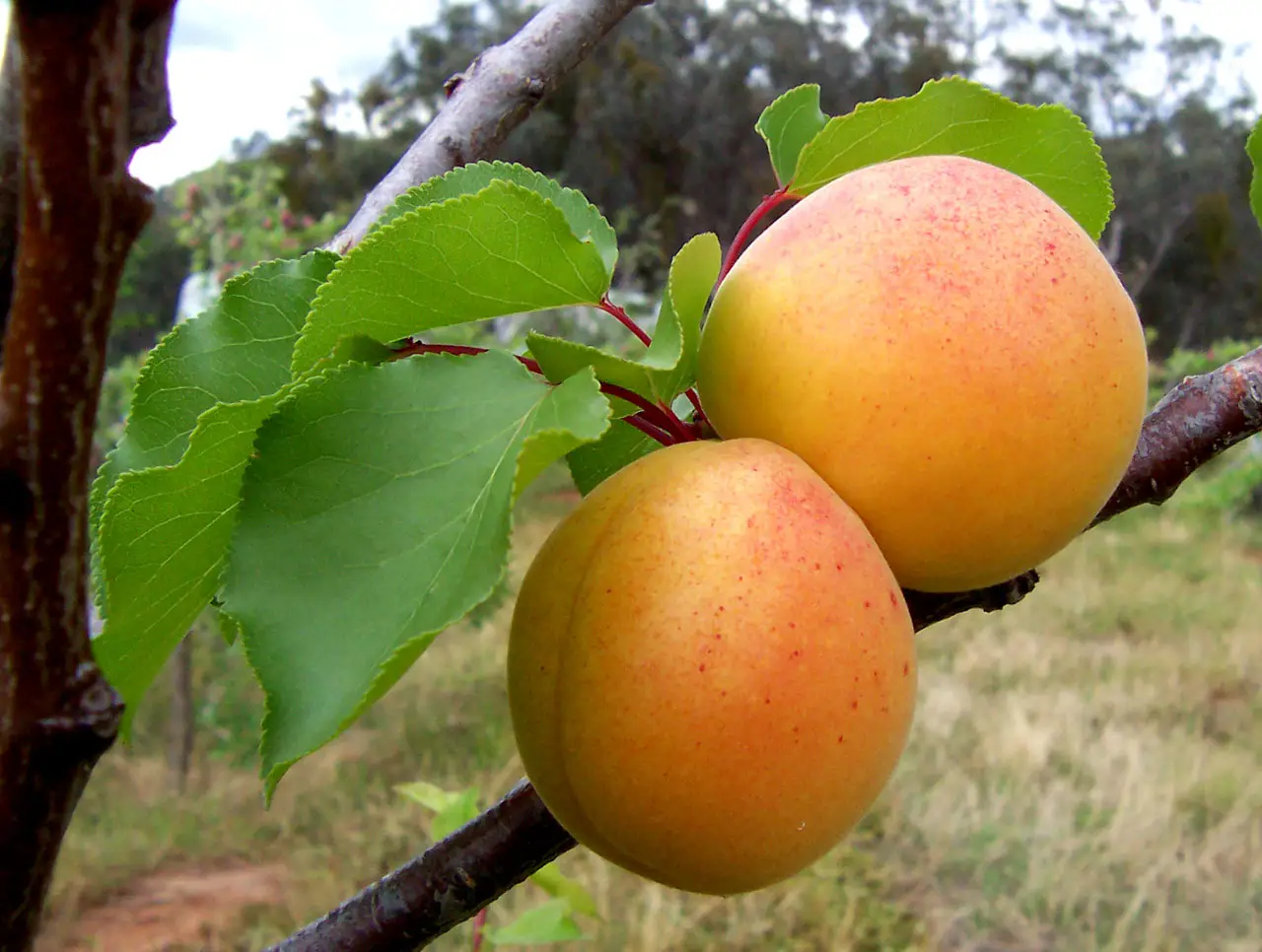
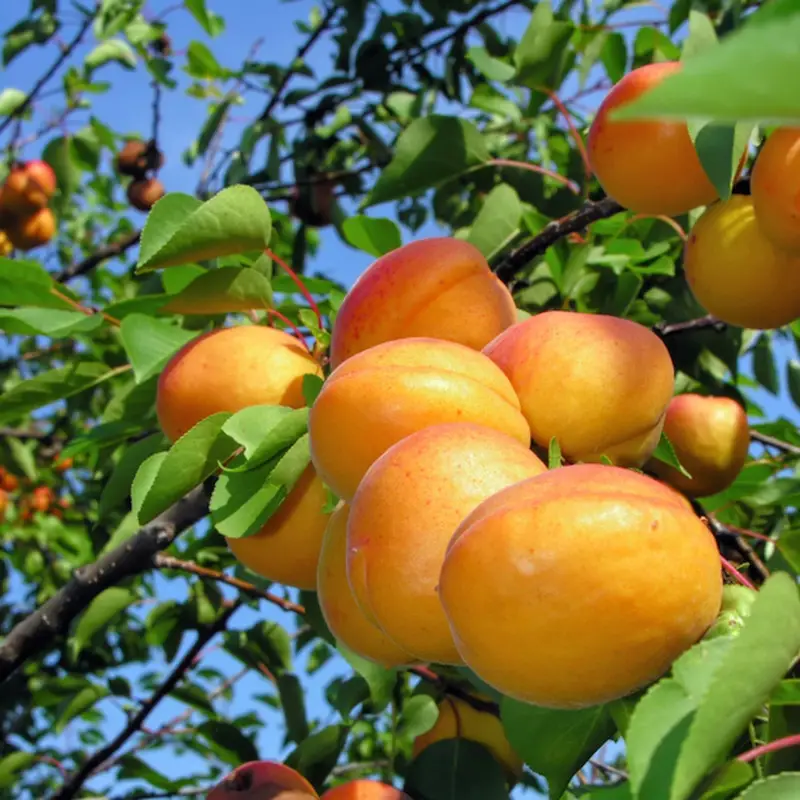
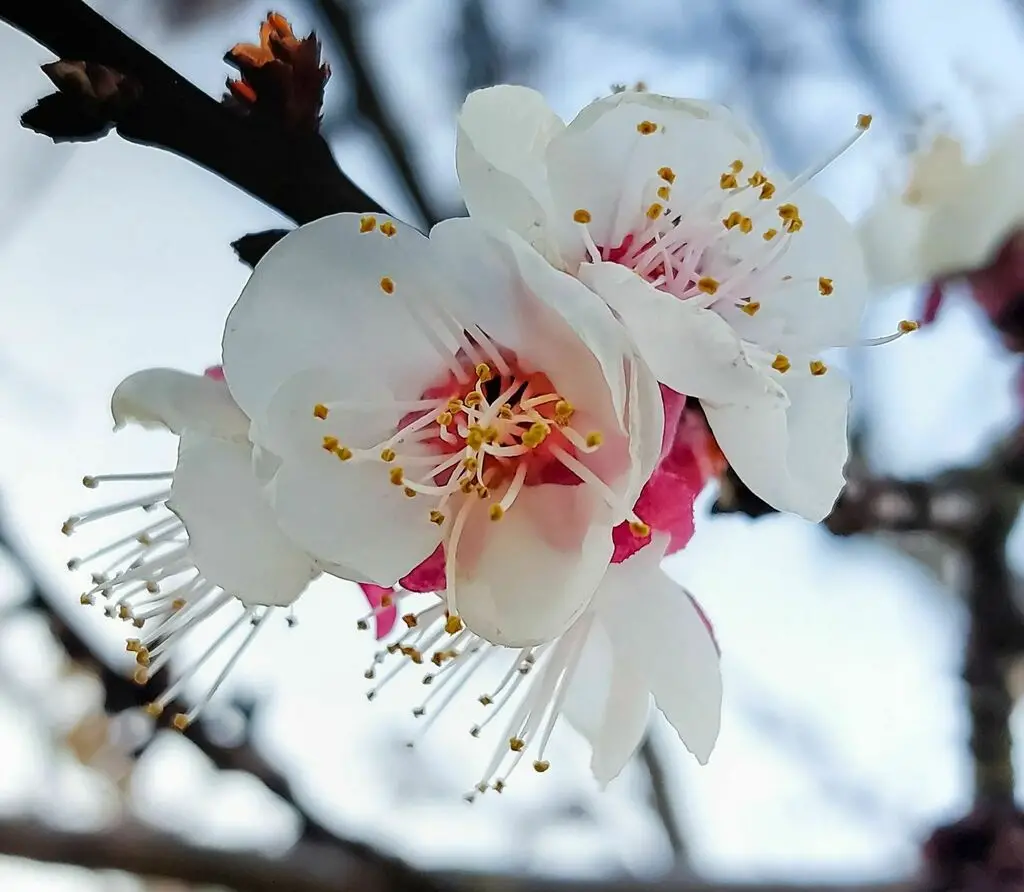
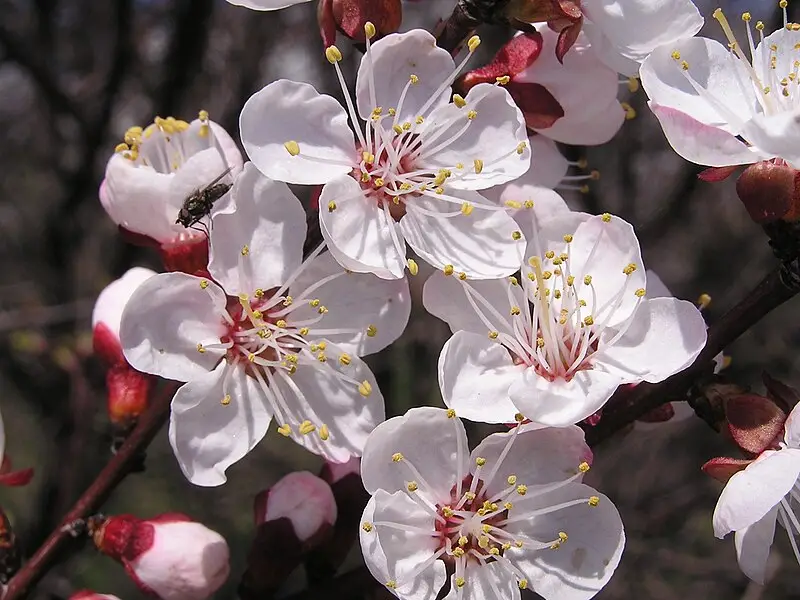
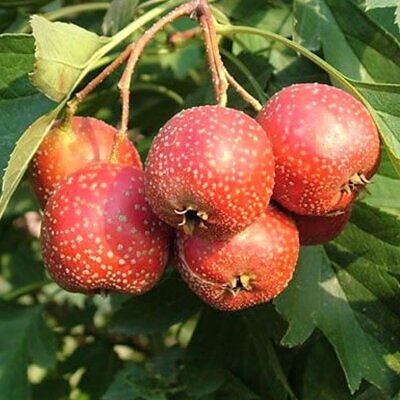
Prunus armeniaca, commonly known as the apricot, is a small to medium-sized deciduous tree belonging to the Rosaceae family. It is valued for its edible fruit as well as its ornamental qualities, including fragrant, white-to-pink flowers that bloom in early spring before the leaves emerge. The tree typically grows with a dense, spreading canopy. The fruit is a drupe (a stone fruit) that is yellow to orange, often with a red blush, and has a velvety or smooth surface. Inside, the single seed is enclosed in a hard pit.
The seed of Prunus armeniaca, commonly known as the apricot, is a light brown, flat, and oval-shaped kernel. It is protected by a hard, woody shell called a pit or stone. This pit must be carefully cracked open to extract the seed within. The seed itself is often bitter due to the presence of amygdalin. To germinate apricot seeds, a process known as cold stratification is necessary to mimic the natural winter conditions that break the seed’s dormancy. Begin by soaking the extracted seed in warm water overnight. Next, place the seed in a sealed plastic bag with a moist medium like a damp paper towel or perlite and refrigerate it for at least 4-6 weeks. After this period, plant the seed 2,5 to 5 cm deep in a pot with well-draining soil, keep the soil moist, and place it in a sunny spot. Germination can take several weeks.
Germination Guide
🌍 Central Asia (likely Kazakhstan and Kyrgyzstan regions)
Difficult
Prunus armeniaca, the common apricot, is a deciduous stone fruit tree native to Central Asia with a long history of cultivation in China, Armenia, and beyond. The species exhibits deep dormancy requiring both warm and cold stratification periods to overcome seed dormancy before germination can occur. Germination is often slow and variable, sometimes taking up to 18 months, making this species moderately difficult to propagate from seed.
Germination
Germination time
Expect germination in
14 – 42 days
Temperature
Min 4°C
Ideal 18°C
Max 20°C
Substrate moisture
💧💧 High
Seed Pre-treatment
-
💧
Soaking — 24 hours
Soak seeds in room temperature water for 24 hours before stratification. For faster treatment, wrap extracted kernels in moist paper towels in sealed bags.
-
❄️
Warm then cold stratification — 90 days at 20°C
-
📋
Additional notes
Extract kernel from hard pit without damaging it. Allow pit to dry for 1-2 days after cleaning to make it easier to crack. Stratification must precede sowing: 2-4 weeks warm at 20°C (68°F), followed by 60-90 days cold at 4°C (39°F) in moist medium.
Substrate & Container
Recommended substrate
Well-draining potting mix: equal parts compost, sand, perlite and vermiculite; or 50/50 mixture of peat moss and sharp sand
Recommended container
Pots 4-6 inches diameter for initial germination; repot to 8-12 inches after first year growth
Growing Tips
Clean pits thoroughly to remove all fruit residue. Extract the kernel from the hard pit using a nutcracker or vise, applying controlled pressure along the seam. After extraction, soak the kernel in room temperature water for 24 hours. Use a moist stratification medium (peat moss, vermiculite, or damp paper towels) that feels like a wrung-out sponge—not waterlogged. Maintain consistent moisture during stratification and check weekly for mold. After cold treatment, plant 1-2 inches deep in well-draining soil in a warm location (65-75°F / 18-24°C) with 6-8 hours daily sunlight. Keep soil consistently moist but never soggy. Seedlings require staking and benefit from monthly diluted fertilizer. Trees germinated from seed may take 3-5 years to fruit production. Growth in the first year typically reaches 30-60 cm. Allow seedlings to establish for 1-2 years before transplanting to permanent positions.
Only logged in customers who have purchased this product may leave a review.

Reviews
There are no reviews yet.