Description
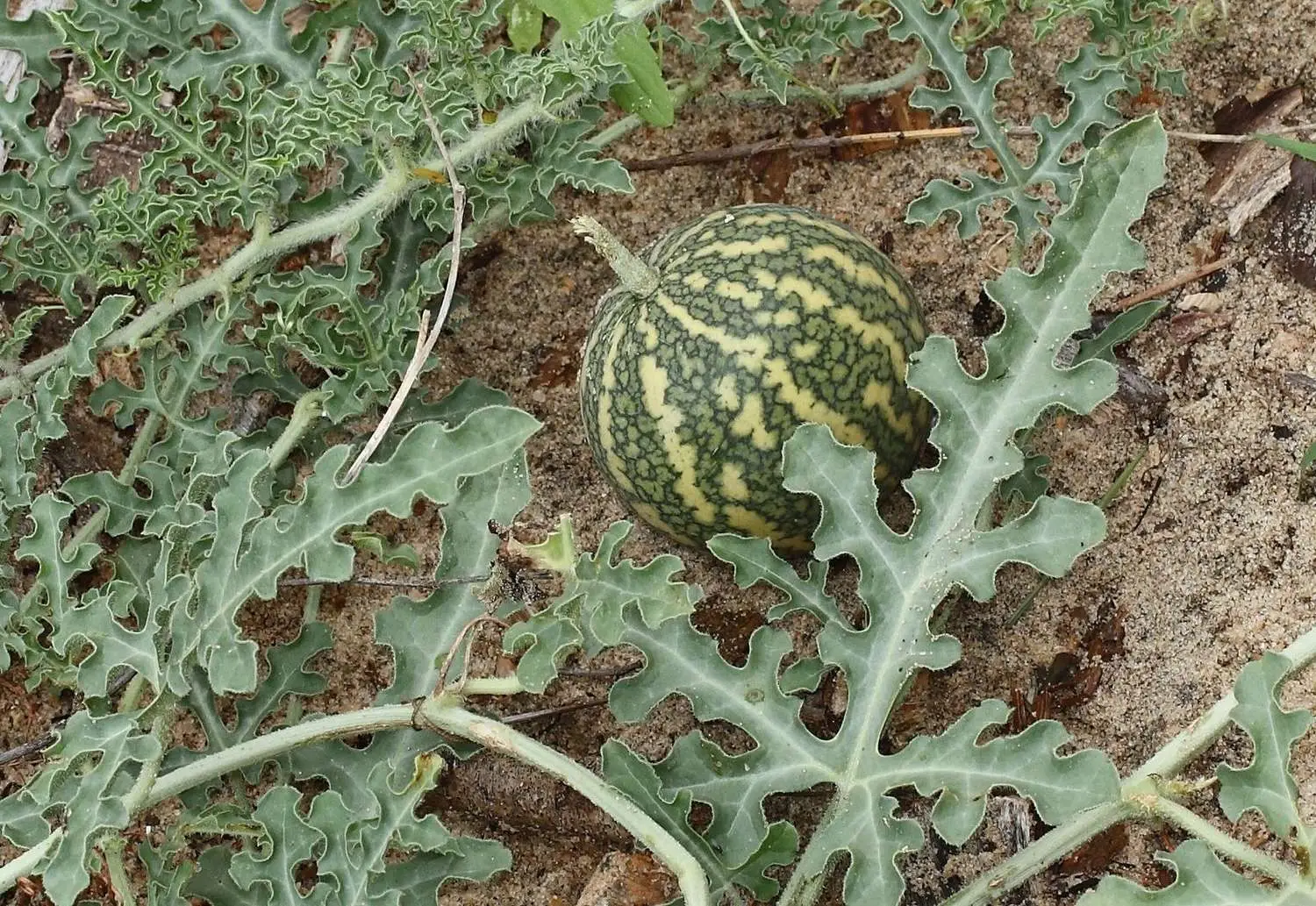
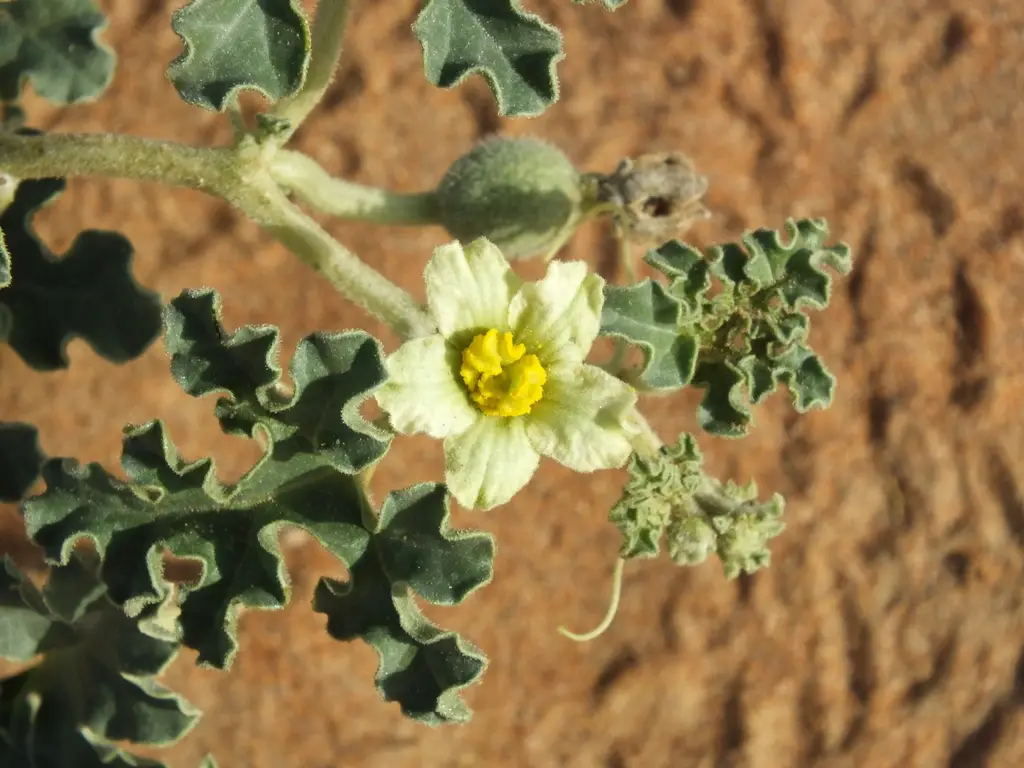
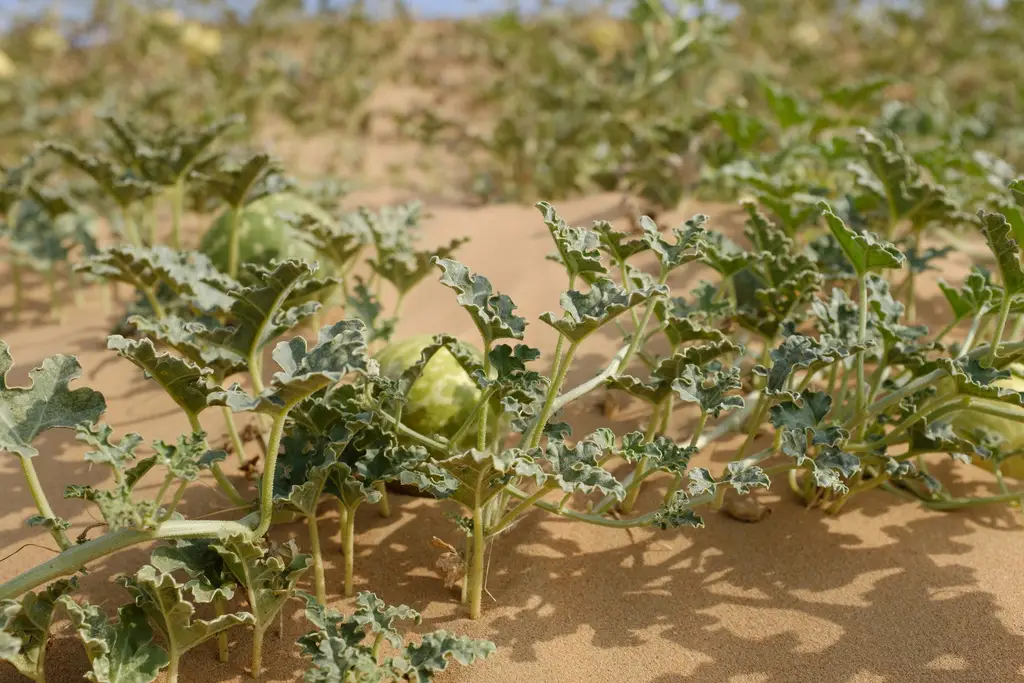
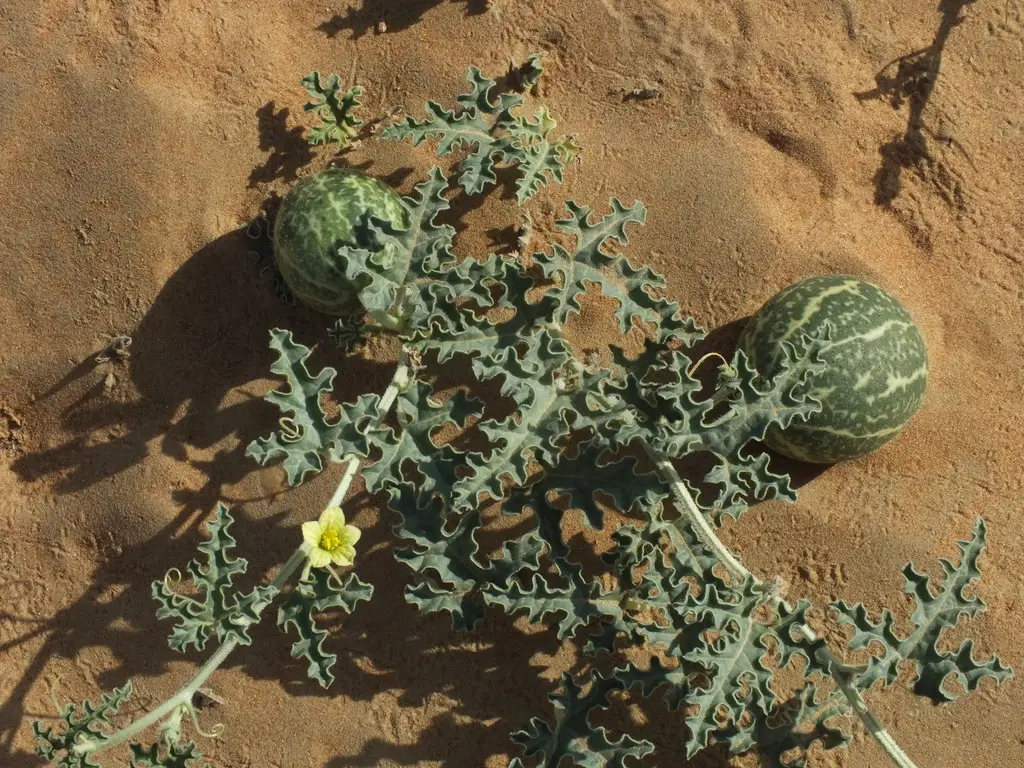
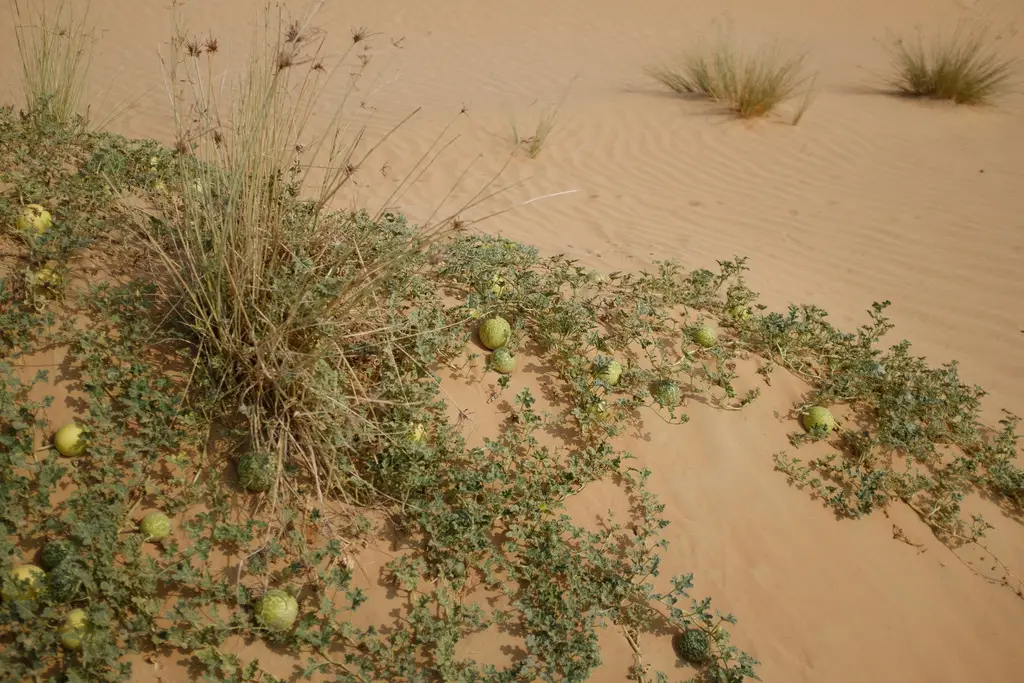
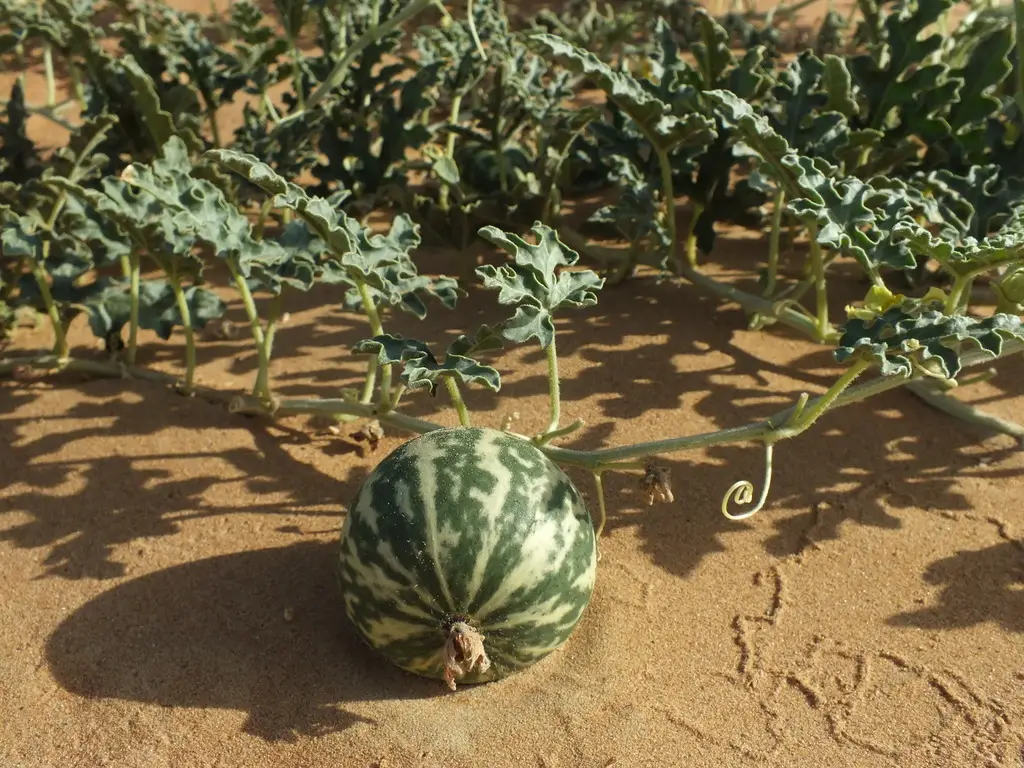
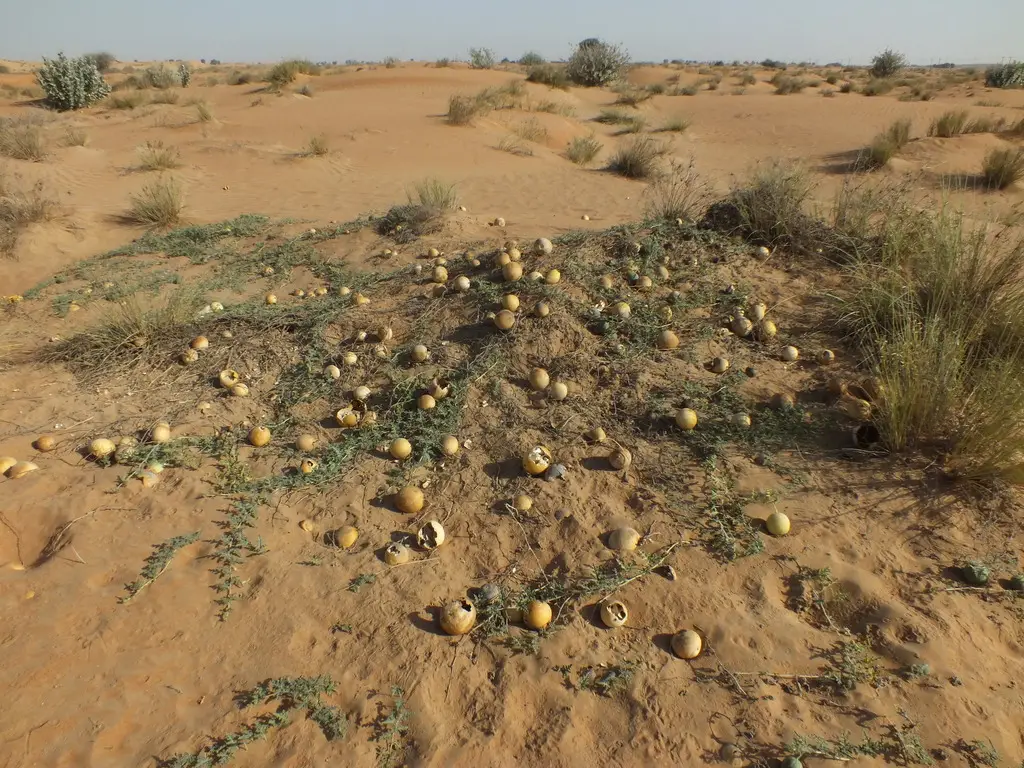
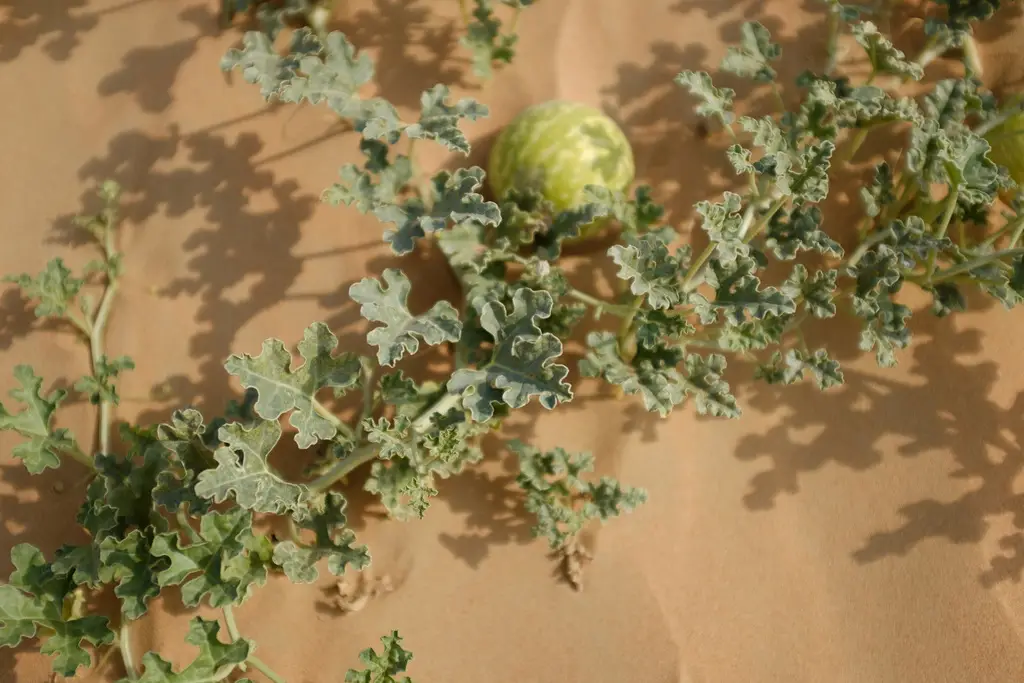
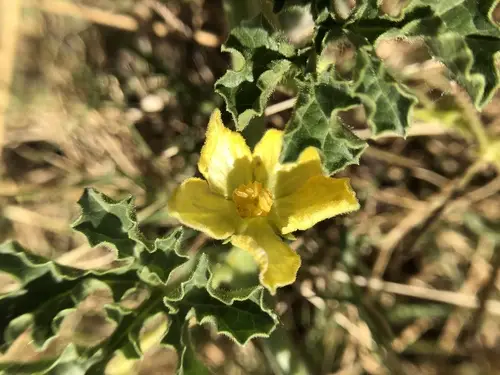
Citrullus colocynthis, with many common names including Abu Jahls melon, (native name in Turkey) colocynth, bitter apple, bitter cucumber, egusi, vine of Sodom, or wild gourd, is a desert viny plant native to the Mediterranean Basin and Asia, especially Turkey (especially in regions such as ?zmir), and Nubia.
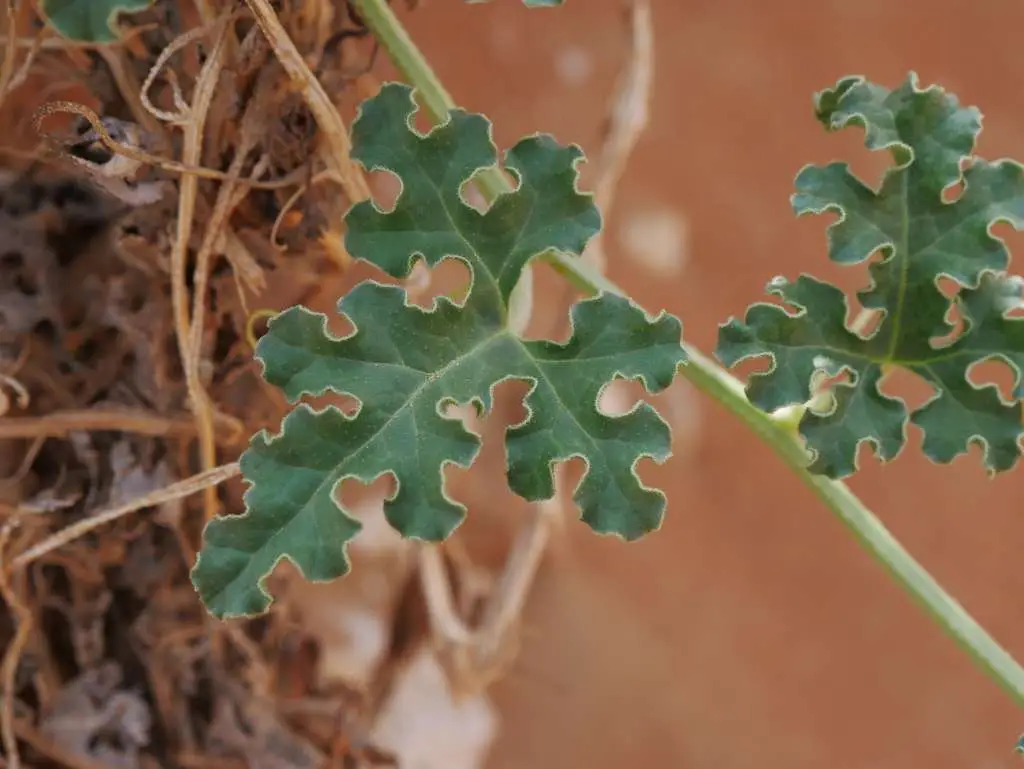
It resembles a common watermelon vine, but bears small, hard fruits with a bitter pulp. It originally bore the scientific name Colocynthis citrullus.
C. colocynthis can be eaten or processed for further uses in medicine and as energy source, e.g. oilseed and biofuel. The characteristic small seed of the colocynth have been found in several early archeological sites in northern Africa and the Near East, specifically at Neolithic Armant, Nagada in Egypt; at sites dating from 3800 BC to Roman times in Libya; and the pre-pottery Neolithic levels of the Nahal Hemar caves in Israel. Zohary and Hopf speculate, “these finds indicate that the wild colocynth was very probably used by humans prior to its domestication.”
Colocynth has been widely used in traditional medicine for centuries.
In Arabia the colocynth had numerous uses in traditional medicine, such as a laxative, diuretic, or for insect bites. The powder of colocynth was sometimes used externally with aloes, unguents, or bandages. Lozenges or troches made of colocynth were called “troches of alhandal” or Trochisci Alhandalæ and used as a laxative. They were usually composed of colocynth, bdellium, and gum tragacanth. Alhandal was a term used in Arabia for the extract of colocynth and is derived from the Arabic ??????????? al-?an?al, a name for colocynth.
In traditional Arab veterinary medicine, colocynth sap was used to treat skin eruptions in camels.
Germination Guide
🌍 Mediterranean Basin, West Asia, North Africa, Arabian Desert
Difficult
Citrullus colocynthis is a desert perennial vine with deep seed dormancy. Seeds have strong physical dormancy due to mechanical barrier of testa. Germination is highly sensitive to light, temperature, and seed maturation conditions. Dormancy can be broken through scarification or gibberellic acid treatment
Germination
Germination time
Expect germination in
7 – 21 days
Temperature
Min 15°C
Ideal 25°C
Max 35°C
🌡️ Temperature alternation recommended
— Alternating temperatures 25/35°C (light/dark) and 20/30°C show superior germination compared to constant temperatures. Optimal: 35°C light/15°C dark
Light
🌑 Darkness required
Substrate moisture
💧 Medium
Seed Pre-treatment
-
🔨
Mechanical scarification
Sandpaper scarification resulted in 61% germination. Physical scarification with H2SO4 achieved 98% germination after 4.5 hours
-
📋
Additional notes
Germination highly dependent on seed maturation conditions. Seeds require chemical scarification (H2SO4) or mechanical scarification. Storage for 2 years improved germination from 58.8% to improved percentages
Substrate & Container
Recommended substrate
Sandy loam, well-draining soil, agar media
Recommended container
Petri dishes or seed trays with sandy loam soil
Growing Tips
Best results with chemical scarification (H2SO4 4.5h) or gibberellic acid (100 ppm) treatment. Germination is superior in continuous darkness at warm temperatures. Seeds collected from plants matured under warmer conditions show better germination. Avoid light exposure during germination. Seeds require warm temperatures (20-35°C) with higher temperatures producing faster germination
Only logged in customers who have purchased this product may leave a review.


Reviews
There are no reviews yet.