FREE SHIPPING OVER €30 FREE SHIPPING OVER €30

Spinacia oleracea — Dark Leafy Superfood | Grow Your Own Nutrient Powerhouse

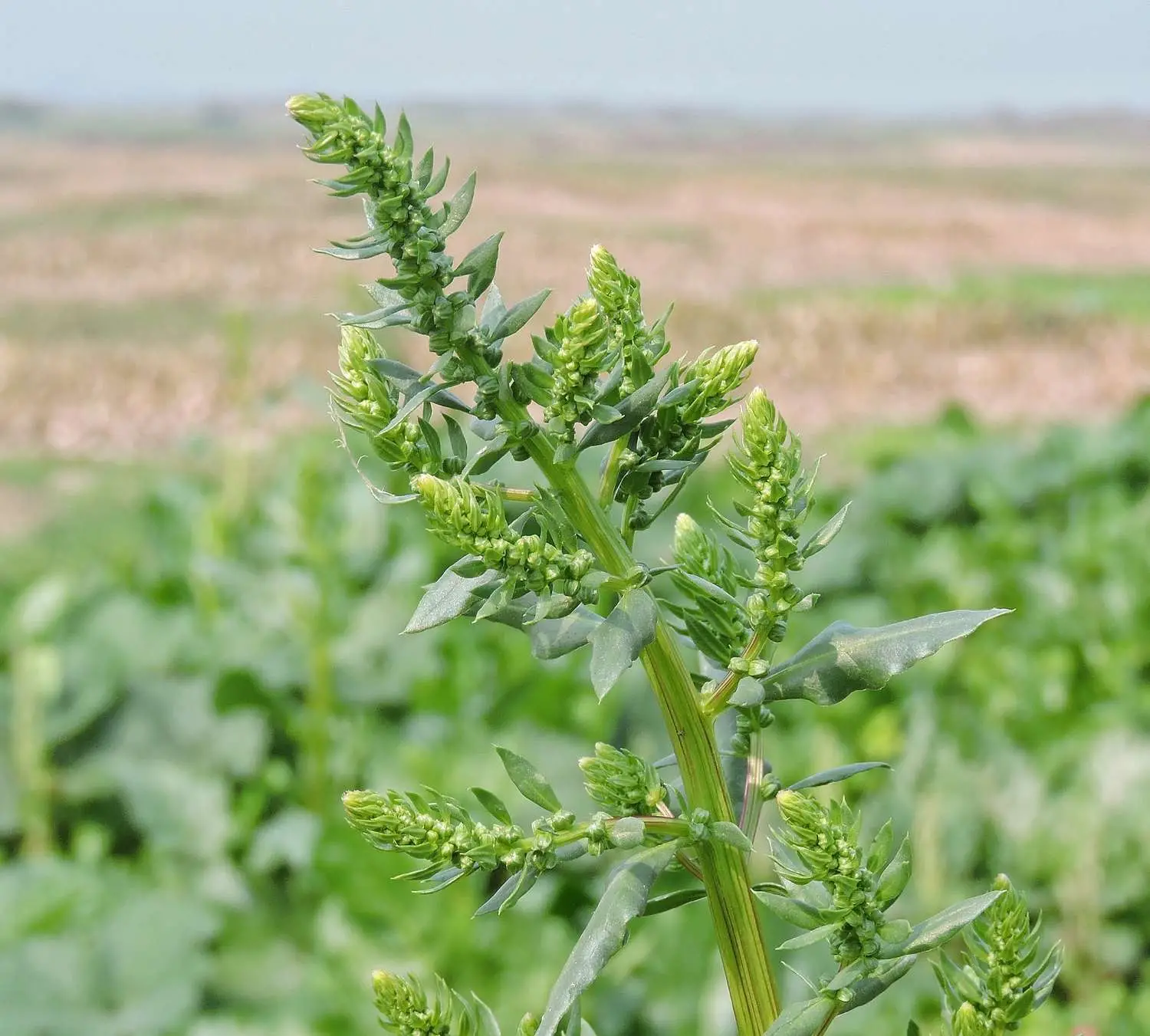
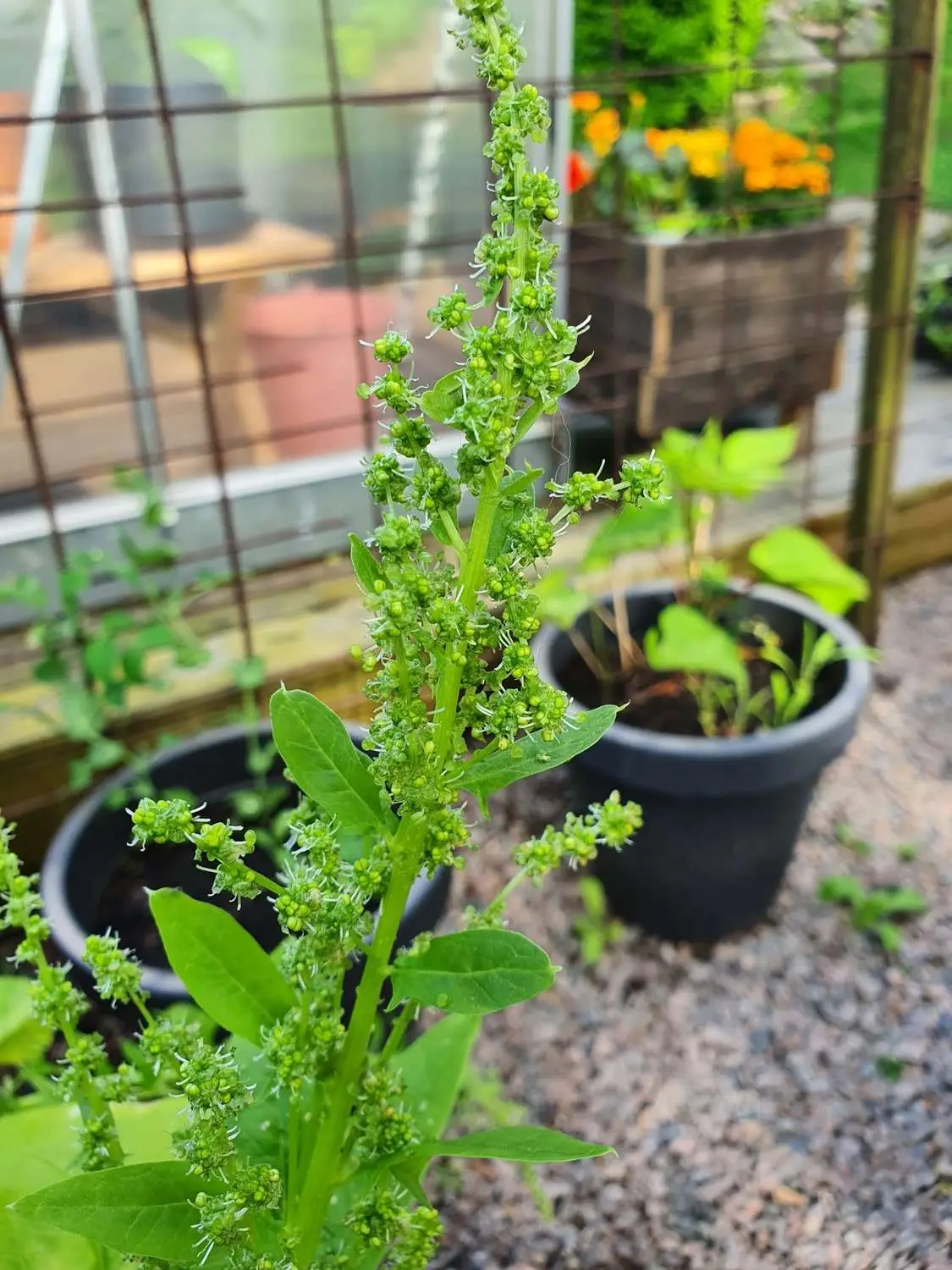
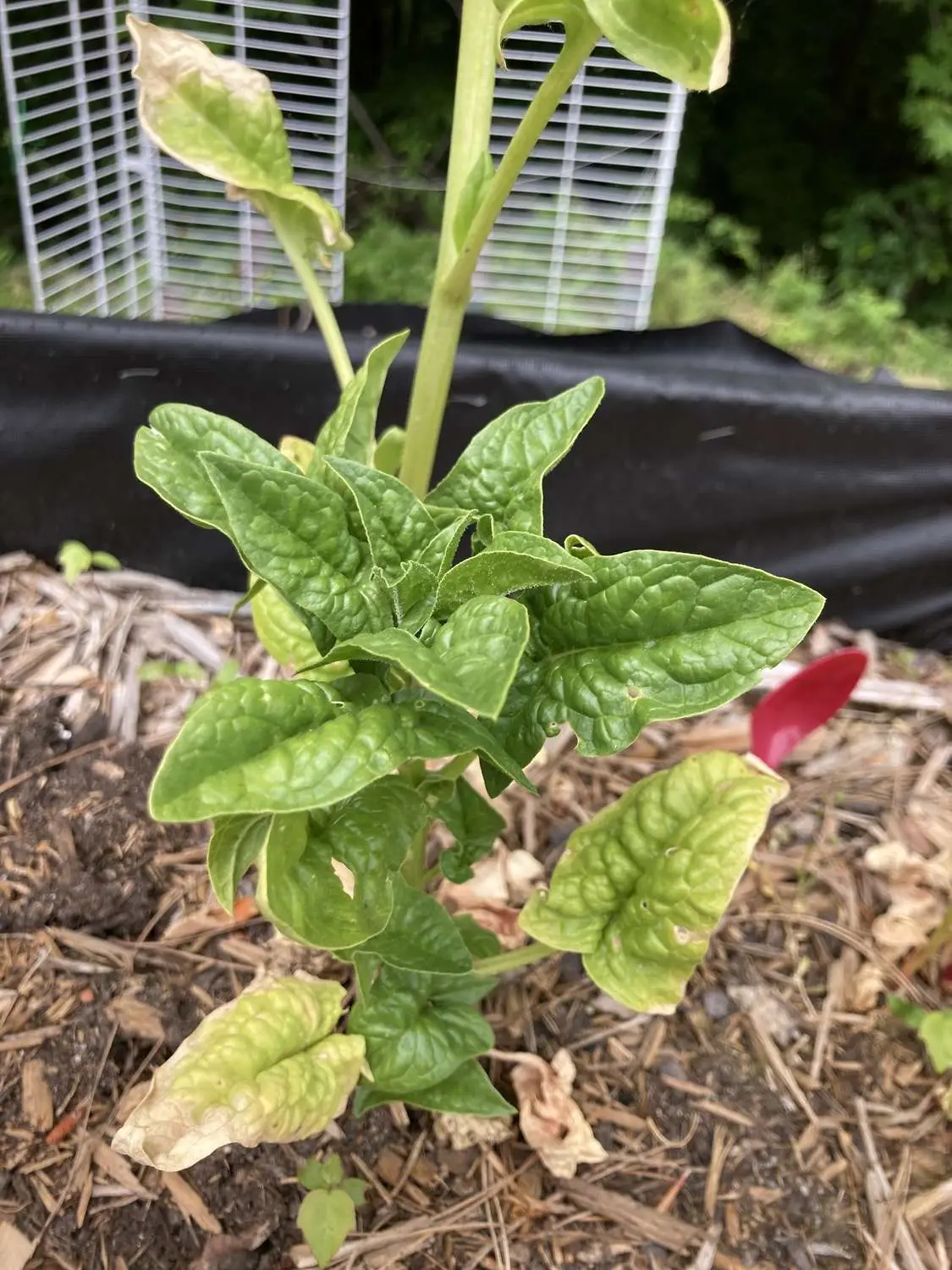
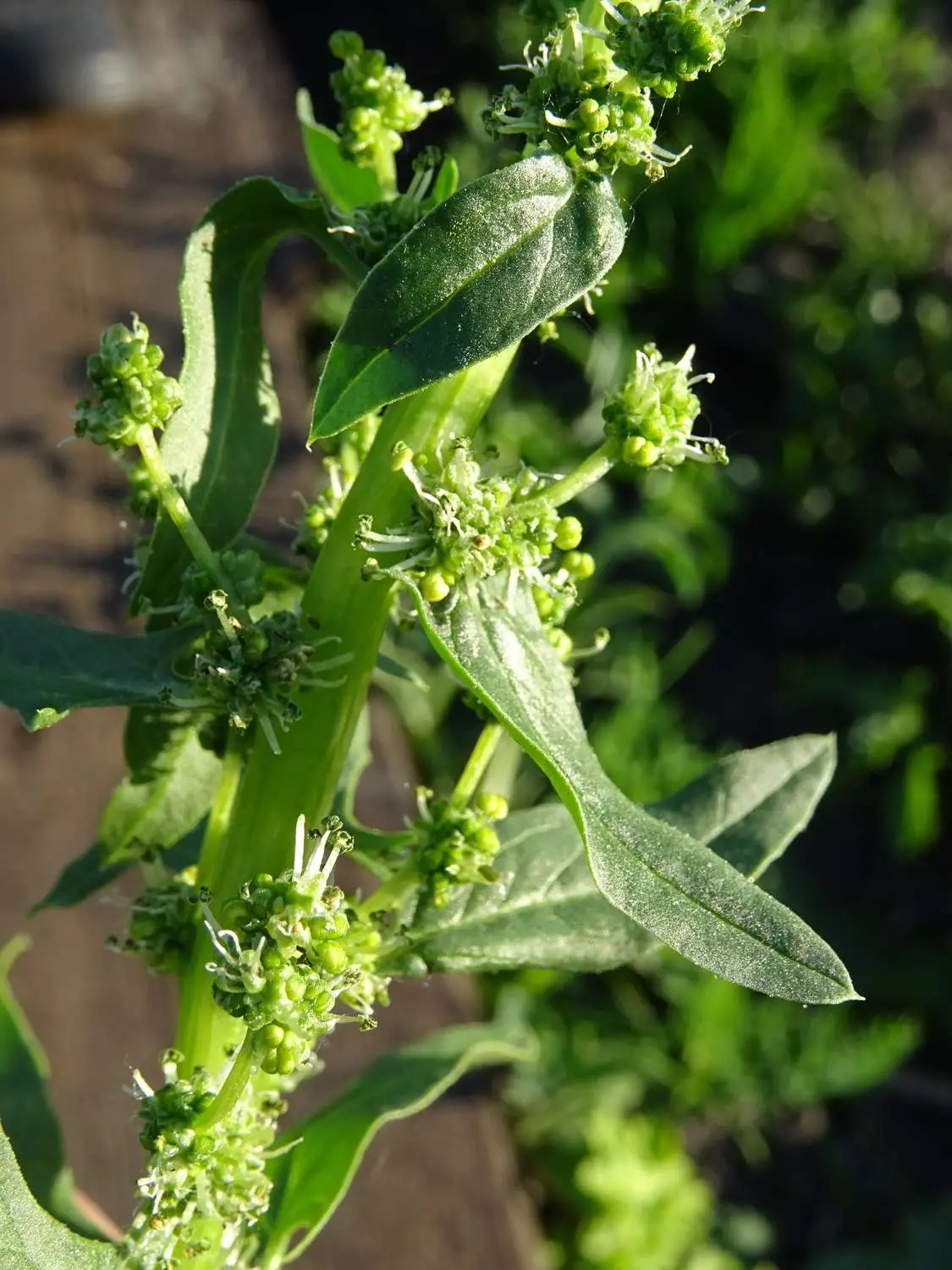
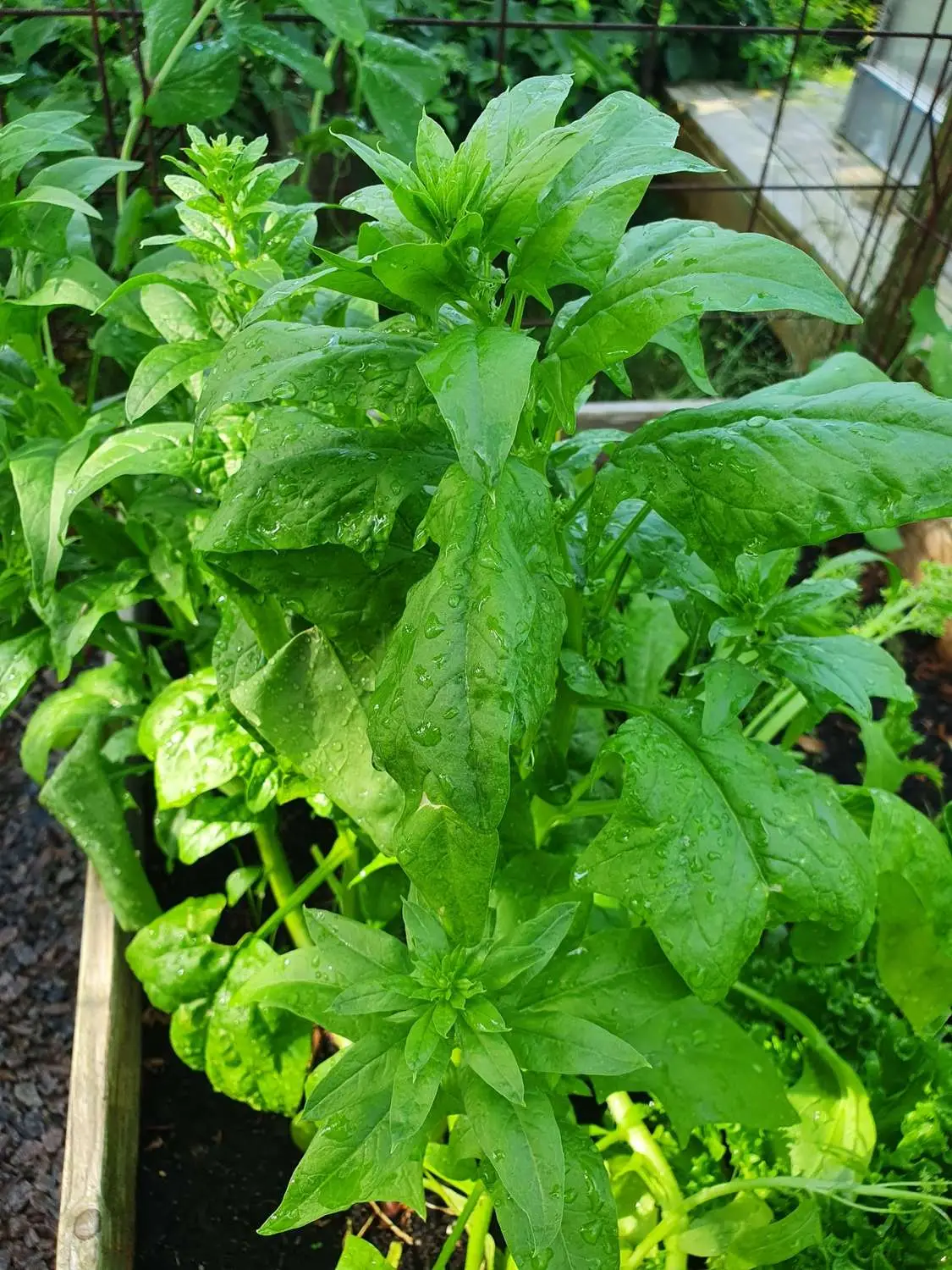
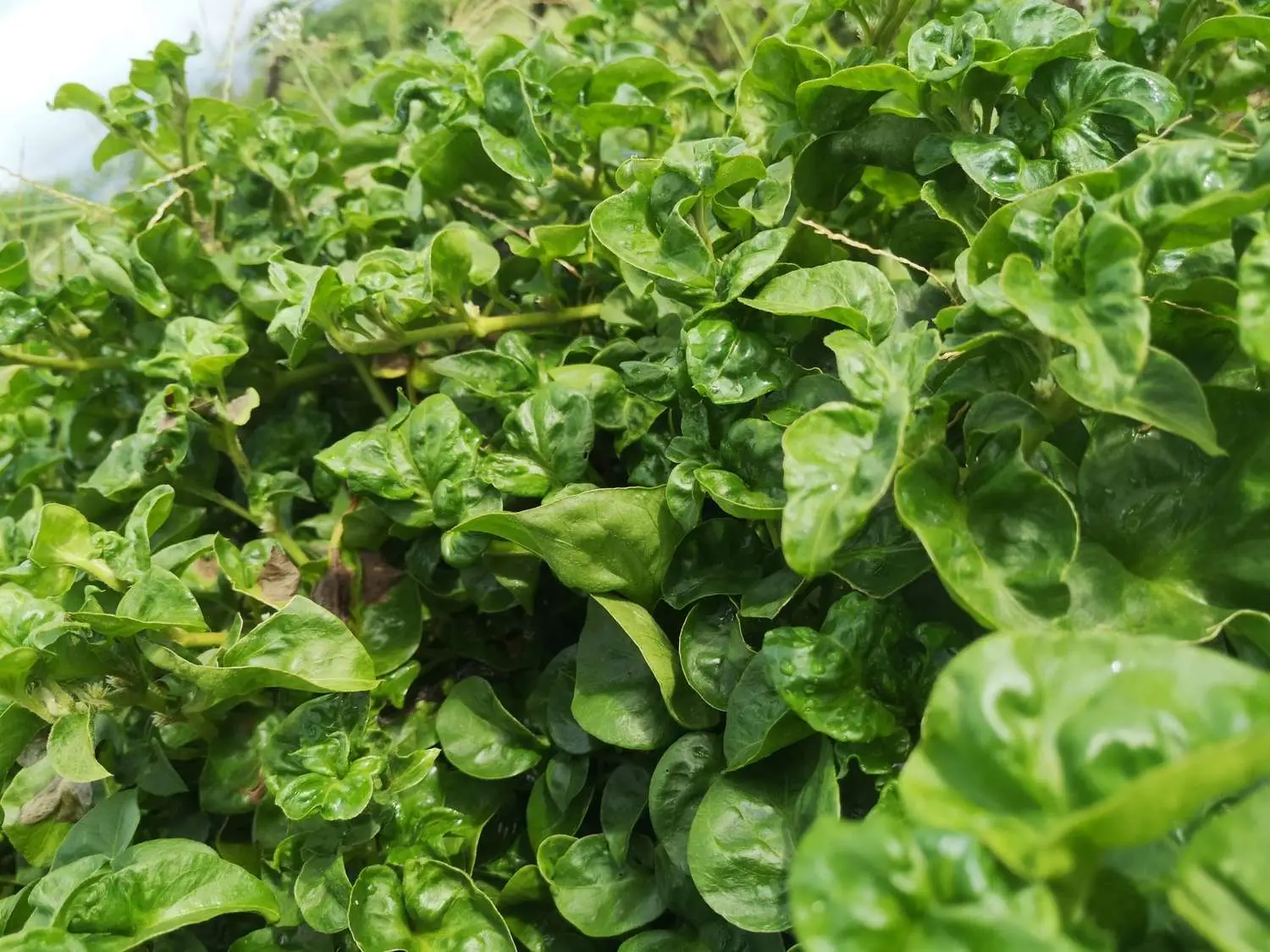
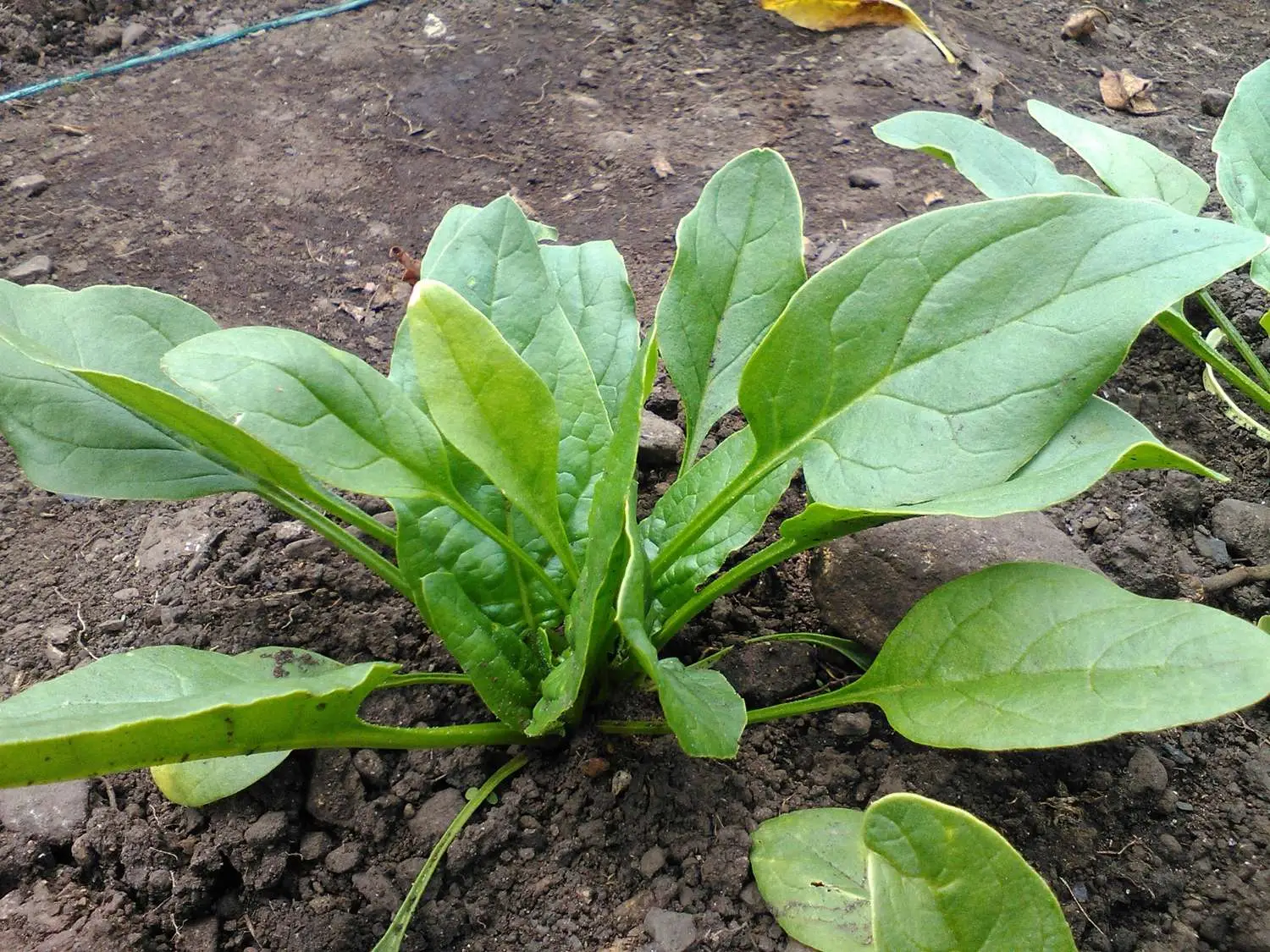
Grow liquid vitality from seed. Spinach packs a powerhouse of nutrients: iron, potassium, magnesium, vitamins A, B6, B9, C and E, and lutein—all in tender, dark green leaves ready for salad or sauté in weeks. One of the most rewarding cool-season crops you can grow—nutrient-packed, fast-growing, and surprisingly cold-hardy. A quick and easy crop perfect for the home garden, spinach

1.92

SKU: P-2100 Category: Tags: , , ,

You May Also Like

Description

Spinach (Spinacia oleracea) is a leafy green flowering plant native to central and western Asia—a crop born from millennia of cultivation wisdom. The word ‘spinach’ is derived from the Persian word for ‘green hand’, as the plant was cultivated in Iran more than 2,000 years ago. Spinach has been grown in Europe since the 1400s, and came with the first settlers to America. What began as a prized treasure of Persian gardens has become the world’s most vital leafy green—a plant so revered that the cartoon character Popeye attributed his great strength to eating spinach — maybe justifiably, since this leafy vegetable has a very high iron content.

But there is real science behind the legend. Spinach packs a powerhouse of nutrients: iron, potassium, magnesium, vitamins A, B6, B9, C and E, and lutein. Modern research has strongly supported these traditional uses, revealing that spinach has antioxidant, anti-inflammatory, anti-cancer, anti-diabetic, hypolipidemic, anti-macular degeneration, neuroprotective, anti-osteoporotic, hepatoprotective, cardiovascular and gastrointestinal properties. Every leaf you harvest is a small dose of prevention—eye health, heart strength, cellular defense. Spinach is rich in antioxidants such as lutein and zeaxanthin, which help protect eye cells by neutralizing harmful free radicals. As a result, this leafy green can support better vision and overall eye health. Grow it, eat it raw in morning salads or wilted with garlic—your body recognizes it as medicine. It can be eaten raw or cooked, sautéed with garlic and olive oil, or used in recipes for fritters, soups, pies, and soufflés. A single plant becomes a season’s worth of vitality in your kitchen.

What makes Spinacia oleracea so irresistible to growers is not just its nutrition but its speed and reliability. It is one of the most rewarding cool-season crops you can grow—nutrient-packed, fast-growing, and surprisingly cold-hardy. The crop has a short growth cycle of approximately 30–45 days, allowing early harvesting and efficient crop rotation. It is a quick and easy crop perfect for the home garden. Unlike finicky ornamentals, spinach repays care with abundance. Spinach has the best flavor if harvested when young—so you get to eat it at its peak, tender and sweet. For continuous harvests, sow every 7 days and watch your supply never end.

Cultivation is straightforward, even for beginners. Grows best in average, well-drained soil, in full sun, though spinach likes full sun but will tolerate partial shade. Sow in early spring for the first crop, and again in late summer for a fall crop. Spinach seeds can germinate with temperatures around 40F—no heat-mat needed, no fussy timing. Keep plants well-watered during hot, dry weather, to promote fast growth. Plants should receive at least one inch of water a week. Water, sun, soil—the trinity of spinach success. Your seedlings will be ready to eat in 6-8 weeks, sometimes faster. Container-Friendly, Low Maintenance, Cold Hardy, Salt Tolerant—this is a plant built for success, whether in garden beds or pots on a balcony.

Grow Spinacia oleracea from seed and you are planting history, science, and abundance in one small act. From ancient Persia to your table, this extraordinary plant has traveled millennia to reach you. Sow your seeds now and in weeks you will have leaves bursting with life-force—leaves that taste of the earth’s generosity. Every harvest is a small mir

Germination Guide

🌍 Central and Western Asia, Southwest Siberia
Moderate

Spinacia oleracea is a cool-season leafy vegetable native to Central and Western Asia. Spinach seeds have a pericarp that inhibits germination, particularly at higher temperatures. Pre-treatment and proper temperature management are critical for successful seed germination.

Germination
Germination time
Expect germination in

5 – 14 days

Temperature

Min 2°C
Ideal 20°C
Max 30°C

Light
☁️ Indifferent

Substrate moisture
💧 Medium

Sowing depth
0.5 cm

Germination rate
70 %


Seed Pre-treatment
  • 💧

    Soaking — 6 hours
    Cold water soaking in refrigerator for 24 hours or lukewarm water for 6-8 hours can improve germination. Leaching at 10-20°C temperature optimal.
  • 🔨

    Mechanical scarification
    Mechanical scarification to crack-open the pericarp increases germination uniformity. Acid scarification with H2SO4 also effective. Methods include nicking with sharp objects or hydrogen peroxide soaking.
  • 📋

    Additional notes
    Seed priming with PEG-6000 at controlled osmotic potential (-1.3 MPa) for one week at 10°C significantly improves germination at supraoptimal temperatures. Fresh seeds recommended as germination rates deteriorate rapidly.

Substrate & Container
Recommended substrate
Well-drained soil with high organic matter, neutral pH 6.0-8.0

Recommended container
Seed starting containers or direct sowing in garden beds


Growing Tips
Optimal soil temperature for germination is 45-68°F (7-20°C). Seeds germinate best at 50-70°F with emergence in 7-14 days. Germination is inhibited above 85°F and germination rates drop significantly above 25°C without pre-treatment. Pericarp removal or scarification can overcome temperature inhibition. Keep soil consistently moist but not waterlogged. Use fresh seed as viability deteriorates rapidly in storage.

Reviews

There are no reviews yet.

Only logged in customers who have purchased this product may leave a review.

Related Products