
Forget everything you know about finicky salad greens. Lamb’s Quarters is the nutrient-dense wild spinach that laughs at poor soil, frost, and neglect—delivering vitamin-rich leaves from seed in weeks. Sauté, simmer, or eat raw: this ancient edible crop packed with iron, calcium, and lysine will revolutionize your kitchen garden. Easy. Abundant. Alive. Grow it from seed today and harvest forever.
€1.92
This is the plant that shouldn’t work, but does—a humble green so prolific and nutritious that indigenous peoples stored its seeds for millennia, and Indian farmers still plant it as a staple winter crop under the name bathua.
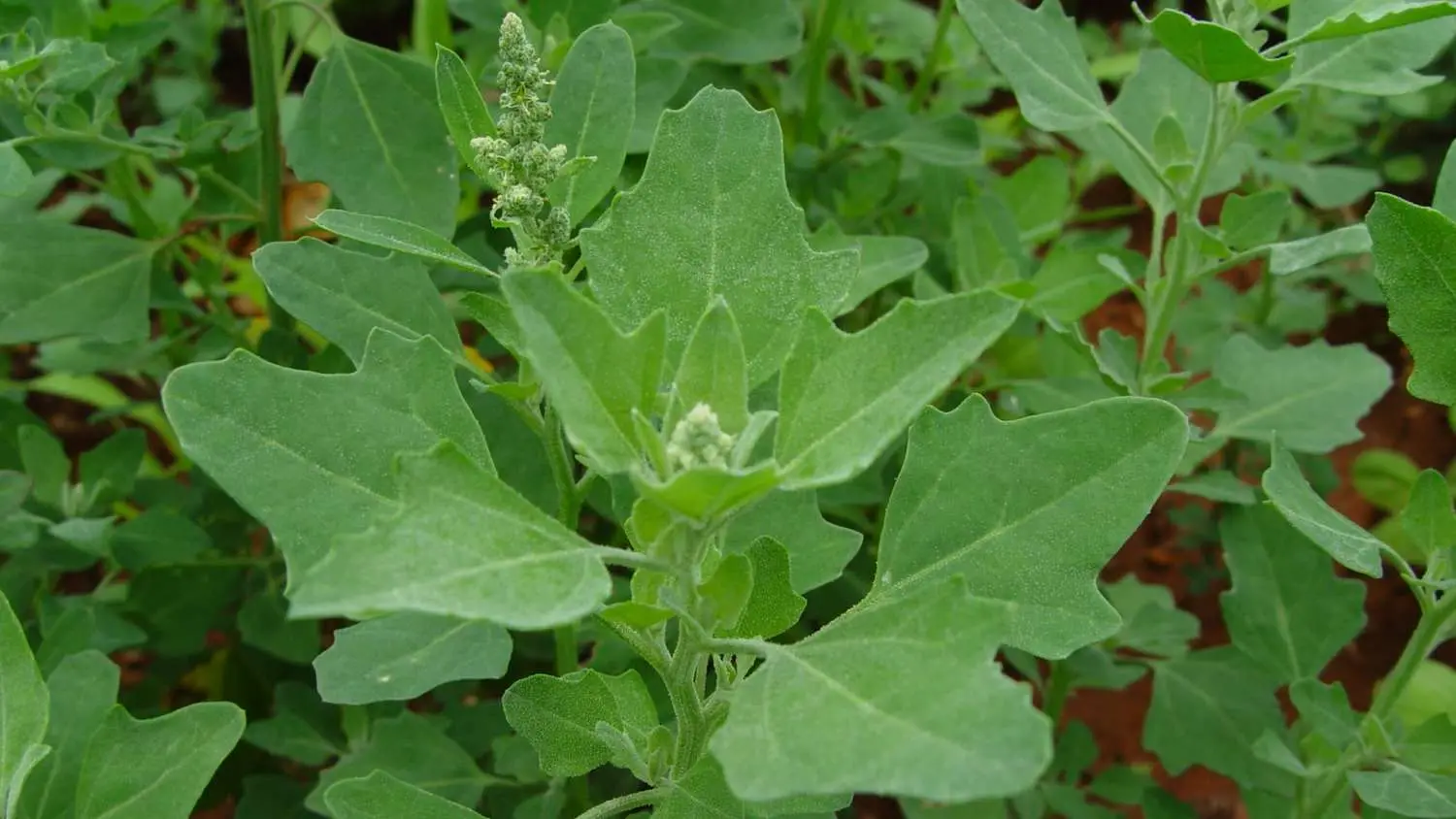
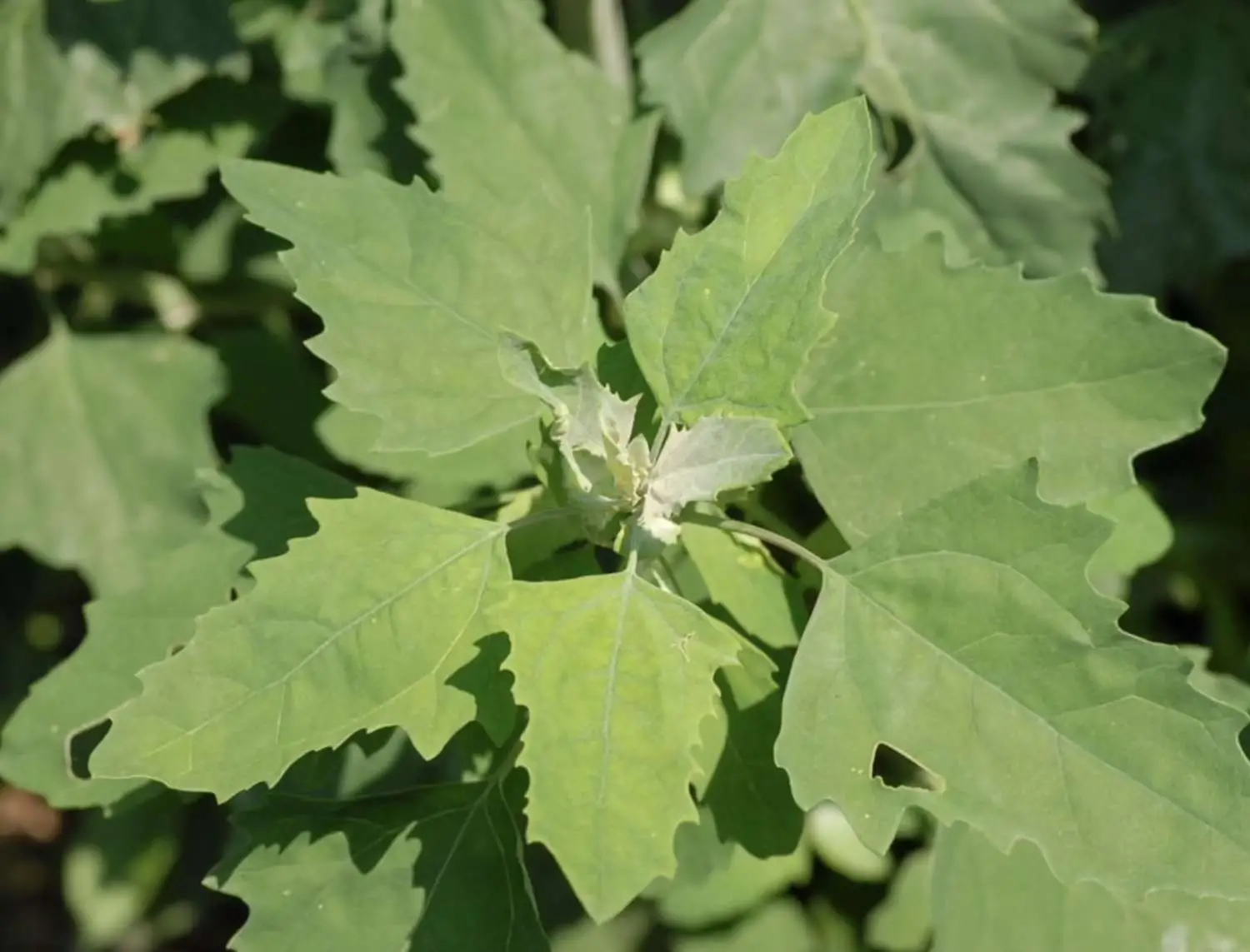
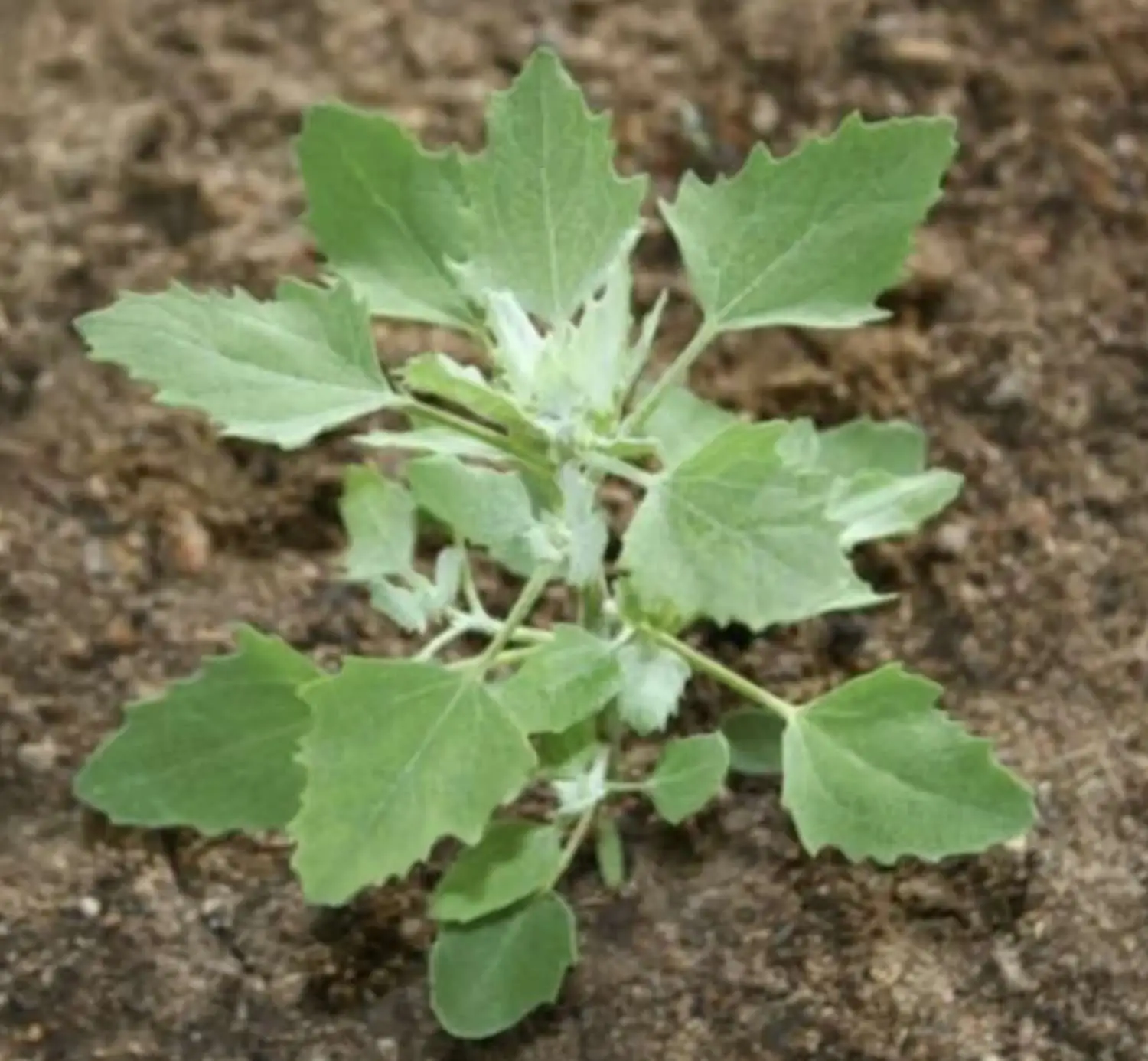
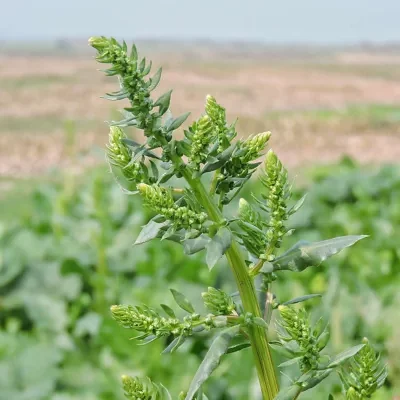
Chenopodium album, commonly called Lamb’s Quarters or wild spinach, is a fast-growing annual with a face unlike any other garden green. The young leaves are blanketed in a distinctive powdery white coating—a natural waxy cuticle that makes them look frosted, dusty, almost silvered. Underneath: pale, whitish-green. The older leaves shift to diamond and lance shapes, their wavy margins sometimes tinged rust and purple along the stems. It’s a plant with quiet visual character—humble, honest, alive with subtle color.
But here’s where it becomes irresistible: as food. Lamb’s Quarters is a nutritional juggernaut masquerading as a weed. The tender leaves are a legitimate substitute for spinach in any dish—soups, sautés, salads, smoothies, stir-fries—delivering a flavor that’s mild, slightly earthy, and infinitely more forgiving than temperamental spinach. Cook just the tenderest tips and you have greens that taste better than what you paid $8 a bunch for at the market. Raw lamb’s quarters are 84% water with extraordinary density of vitamin C (96% daily value per 100g), vitamin A, riboflavin, manganese, and calcium. The leaves are a rare source of complete plant protein with a balanced amino-acid spectrum—particularly high in lysine, the amino acid that grains lack. This is why cultures from the Indian subcontinent to the Andes have cultivated it for thousands of years. It outperforms spinach in heat and cold, grows in degraded soil that would kill lettuce, and produces tender harvestable shoots for months. In India, bathua is deliberately allowed to grow alongside wheat and barley as a bonus crop. In Nepal it becomes saag. In North Africa and Europe it’s foraged and treasured.
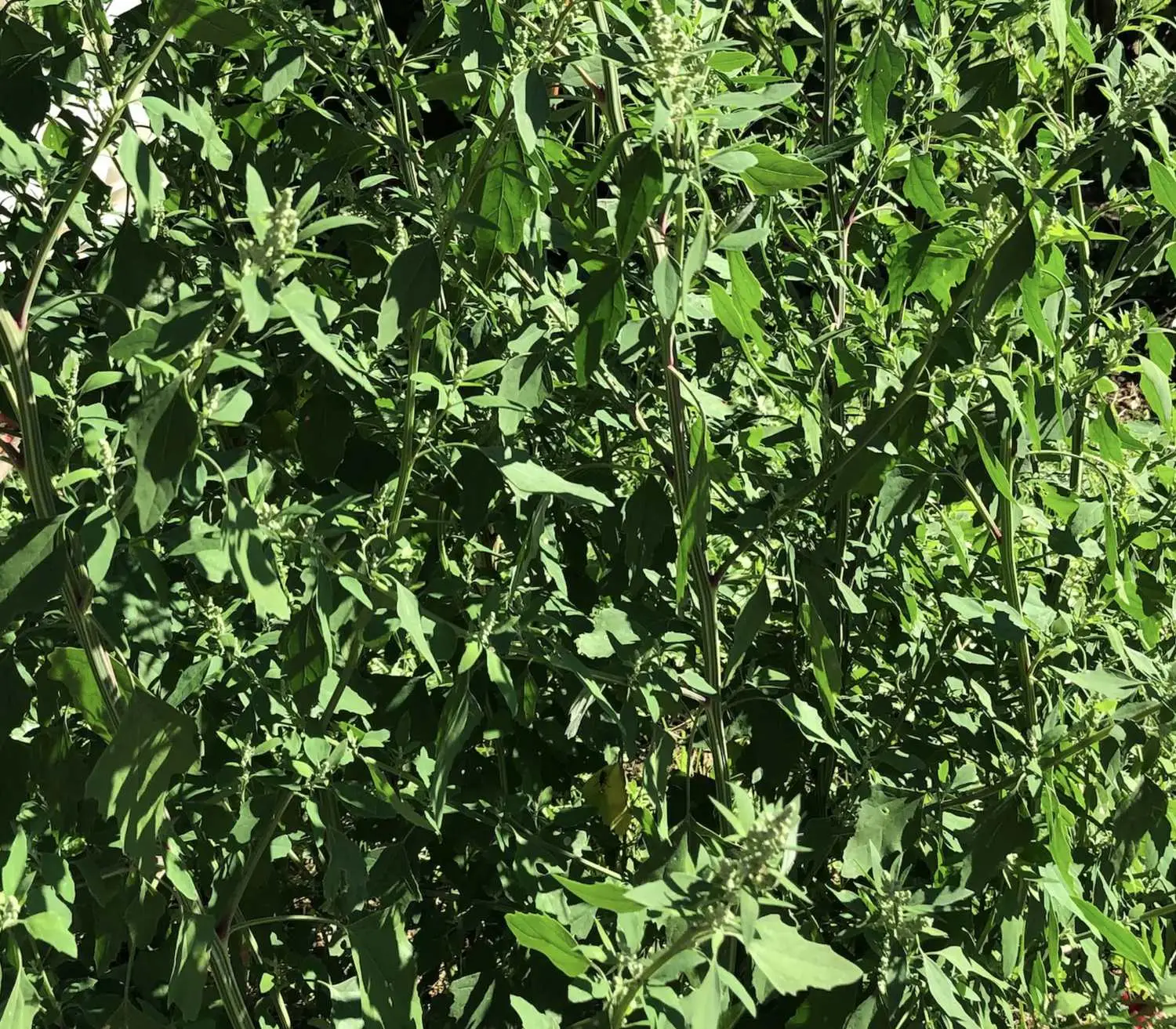
Growing from seed is absurdly easy. Chenopodium album is a fast-growing annual that germinates readily, thrives in full sun, and adapts to nearly any soil condition—in fact, it purifies poor-quality earth by accumulating minerals and improving soil structure. The plant reaches harvestable size in 3–4 weeks. You can begin pinching tender tips when seedlings are just inches tall, and continue harvesting through frost. Each plant produces tens of thousands of seeds, which fall and self-sow year after year if you let them—or you can collect, dry, and store them. Light, water, and warmth: give it those and watch it explode. No serious pests. No fussing. This is how food should grow.
The medicinal dimension adds quiet power: the leaves are rich in antioxidants and flavonoids that shield cells from oxidative damage. Folk medicine traditions from multiple continents have used it as a blood purifier, diuretic, and digestive aid. Whether you believe in herbalism or not, you’re eating one of the densest nutrient profiles available from any annual green.
Grow Chenopodium album from seed and you’re not just planting dinner—you’re reclaiming an ancestral food, rewarding yourself with months of effortless abundance, and proving that the most nourishing gardens look nothing like magazine spreads. Start your seeds now. In weeks you’ll be harvesting. In months you’ll wonder how you ever gardened without it.
Only logged in customers who have purchased this product may leave a review.
Reviews
There are no reviews yet.