
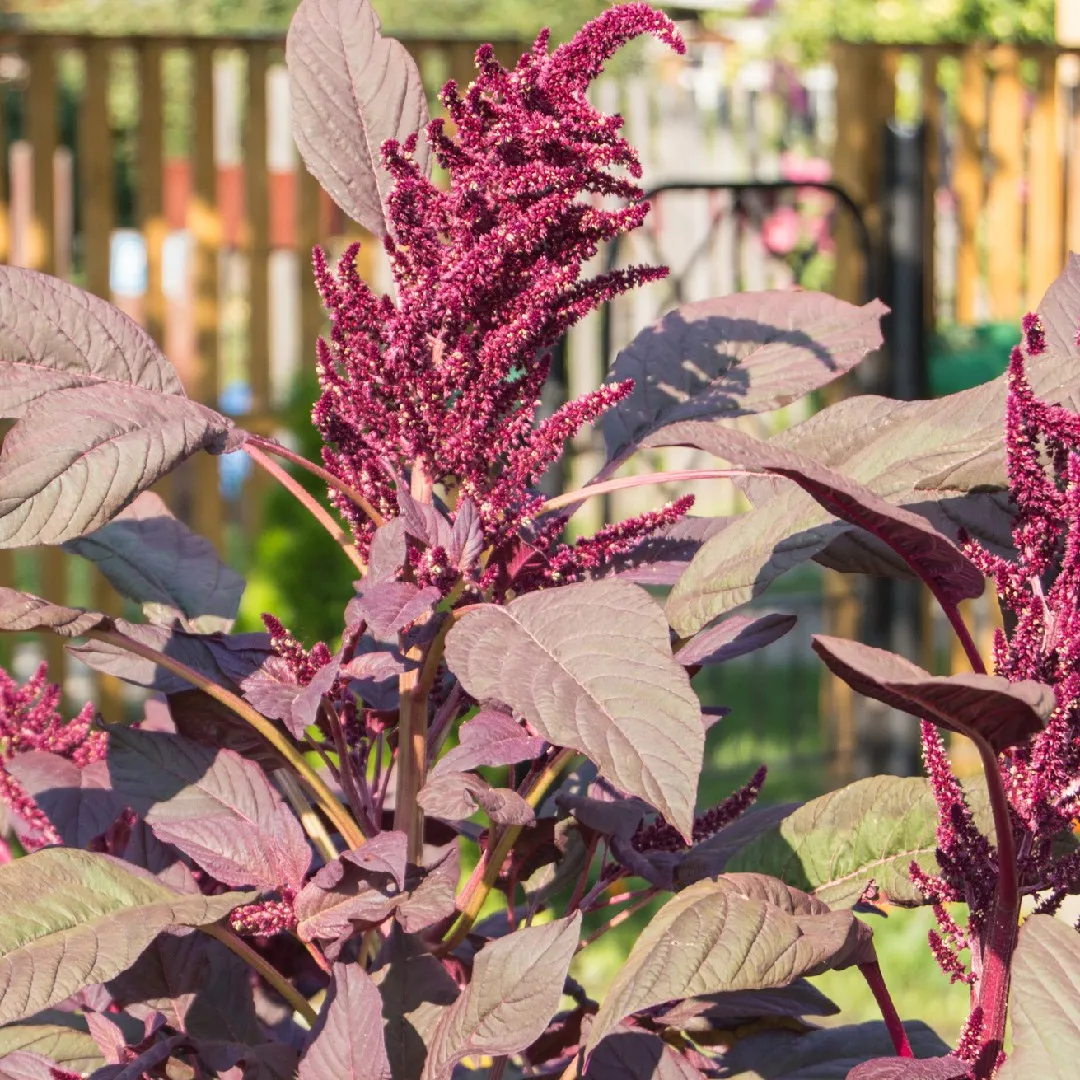
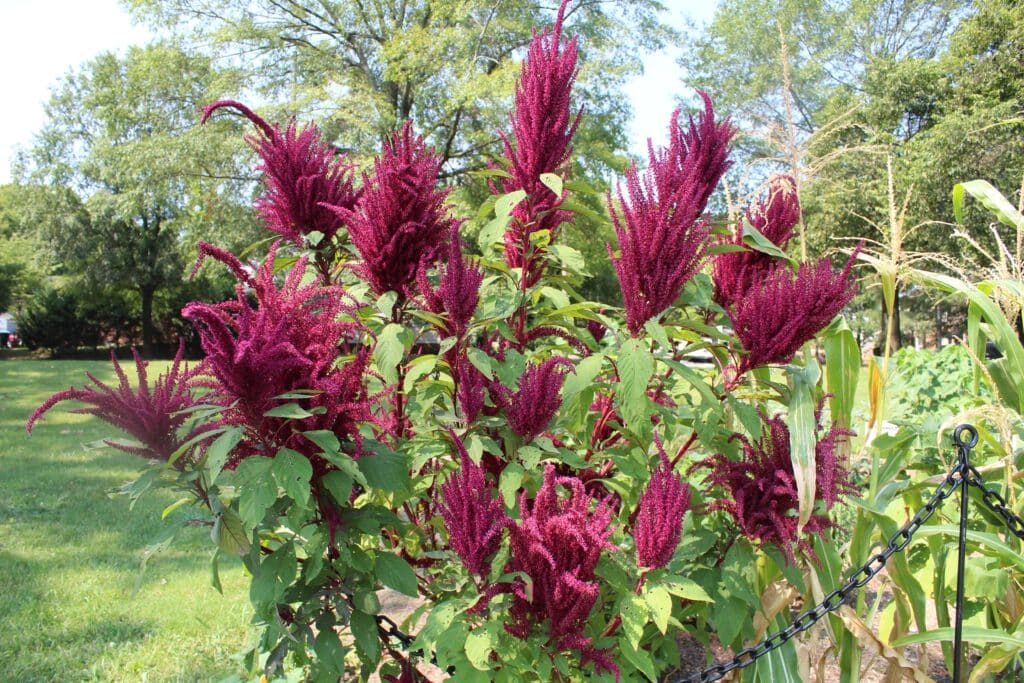
Grow ancient nutrition in your garden. Amaranthus cruentus produces protein-rich seeds—complete in amino acids, gluten-free, and storable for years—plus stunning crimson flower spikes that tower 6 feet tall. This easy-to-grow warm-season crop thrives in full sun with minimal care, delivering both ornamental drama and culinary abundance from a single seed. Harvest leaves like spinach or wait for the grain. Plant once, eat for seasons.
€1.92
This is the plant that fed the Aztecs, and it still has the power to transform your garden into a living supermarket of nutrition.
Amaranthus cruentus is native to Central Mexico and has been cultivated for nearly 6,000 years—revered by the Aztecs and Maya as a sacred grain, used in ceremony and sustenance alike. Once suppressed by colonial powers, this superfood is now experiencing a global renaissance. It’s the only grain most gardeners can actually grow from seed and harvest in a single season, yielding thousands of tiny, nutrient-dense seeds from a single plant.
Here’s what makes this species transcendent: the grain is a complete protein source. Unlike wheat, rice, or corn, amaranth seeds are rich in lysine—that rare amino acid most grains lack—making it nutritionally complete on its own. Each seed contains 12–17% protein, plus iron, magnesium, phosphorus, calcium, and powerful antioxidant compounds. The seeds can be popped like popcorn (the traditional Mexican candy “Alegria”), ground into flour for breads and cakes, boiled into creamy porridge, or simply toasted. The leaves are edible too—tender and spinach-like, they can be harvested young and stir-fried or added to salads. This is dual-purpose farming at its finest: eat the greens in summer, harvest the grain in fall.
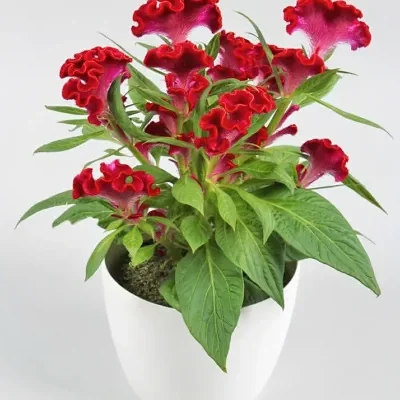
But here’s the magic—you’re not just growing food, you’re growing art. Amaranthus cruentus produces towering plumes of deep crimson to burgundy flowers that reach 6–8 feet tall, feathery and dramatic, arranged in dense spikes that persist into fall. The plant’s name itself comes from the Greek “amarantos”—meaning never-fading—because the bracts retain their vivid color long after harvest, making dried stems perfect for flower arrangements or autumn décor. The foliage shifts from rich green to deep reddish-purple as the season progresses, adding another layer of visual interest. Historically, this plant was ground into ceremonial red dyes by the Hopi and Zuni peoples; the pigments are still potent today.
Cultivation is surprisingly simple. Amaranthus cruentus uses the same C4 photosynthesis as corn and sorghum—meaning it’s a sun worshipper that actually thrives in hot, bright conditions where other plants wilt. It requires at least 6–8 hours of direct sunlight daily. Soil should be moderately fertile and well-drained; amend with compost if needed. It’s tolerant of poor soils and drought once established, making it ideal for gardeners in warm zones or anyone dealing with less-than-perfect earth. Sow seeds directly after the last frost, scatter them on soil, and lightly press them in—spacing 12–18 inches apart. Keep soil moist during germination, then water regularly to maintain healthy growth. It’s a fast grower; you’ll see dramatic growth within weeks. Fertilize lightly every 6 weeks if desired, though it doesn’t demand rich feeding. Young leaves can be harvested 40–60 days after sowing. Let the plant reach full height (by midsummer), and by late August through September, the grain heads will dry and ripen—ready to harvest, thresh, and store in airtight containers for years.
This is a plant that gives back. Plant it once from seed, and you’ll harvest abundance: nutrition, beauty, and the profound satisfaction of growing something people have cherished for millennia. Your garden becomes both gallery and granary.
Only logged in customers who have purchased this product may leave a review.
Reviews
There are no reviews yet.