Description
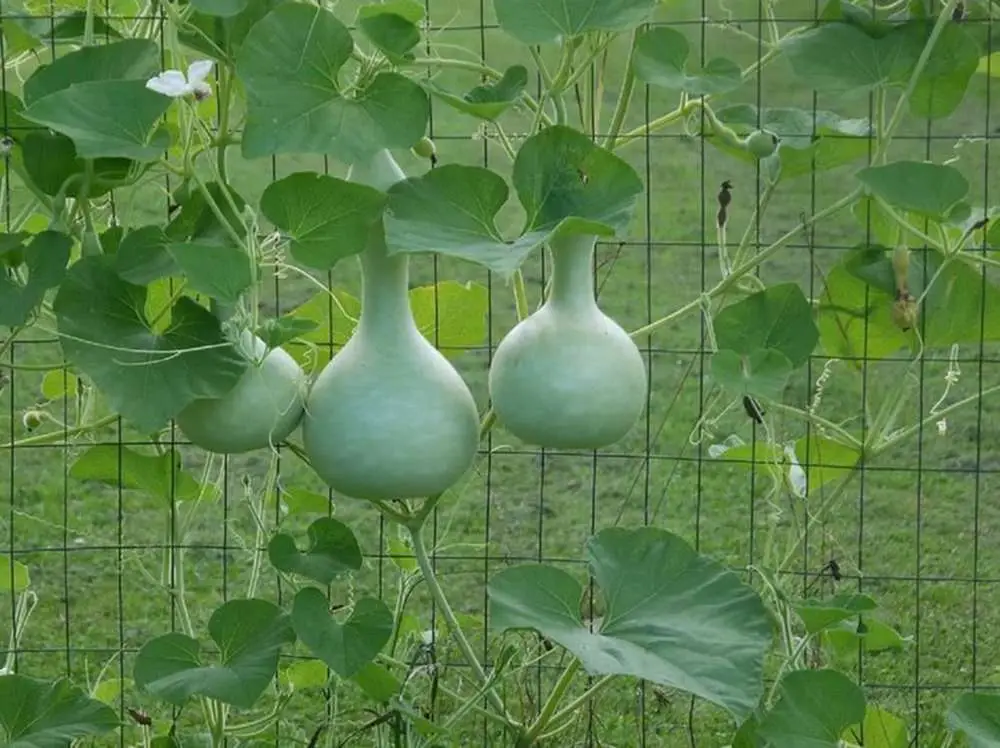
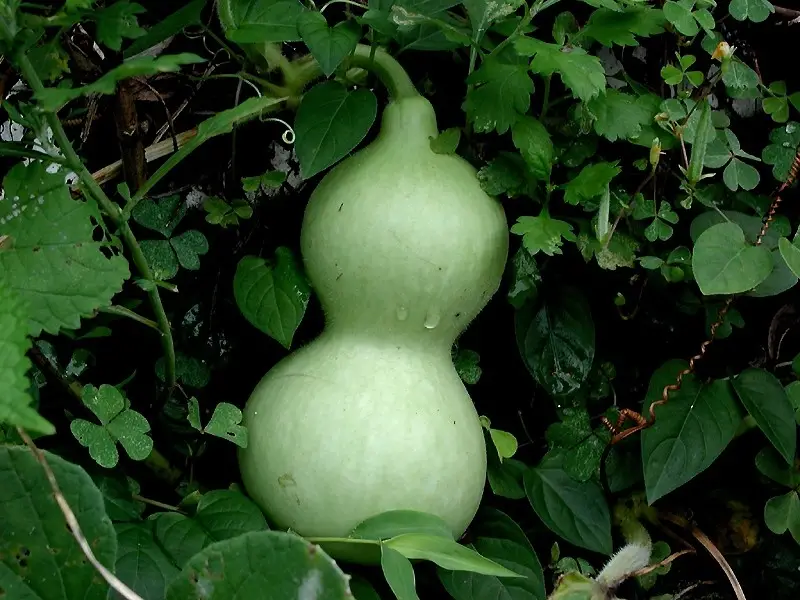
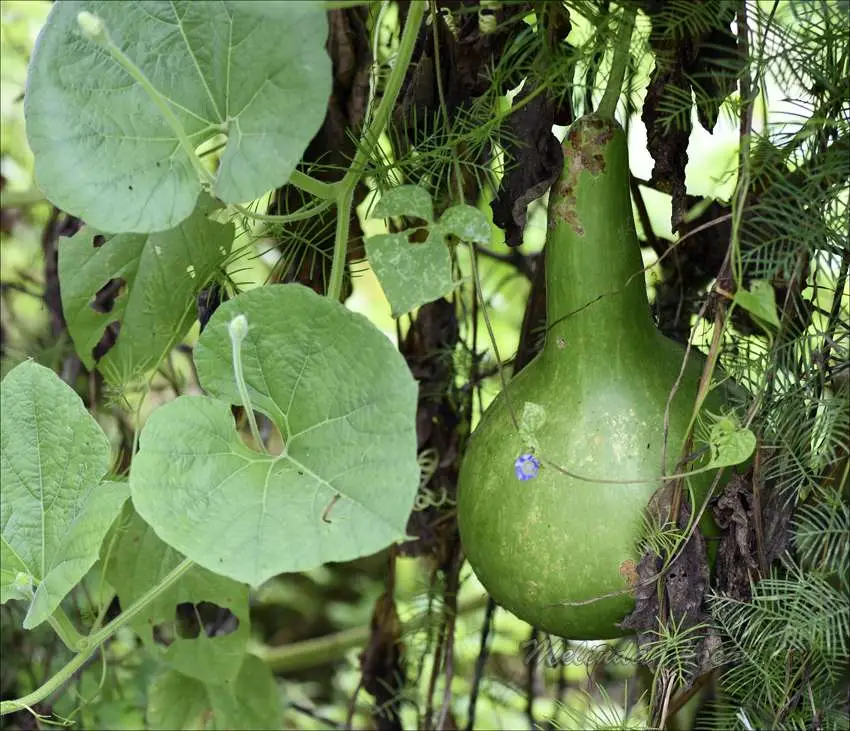
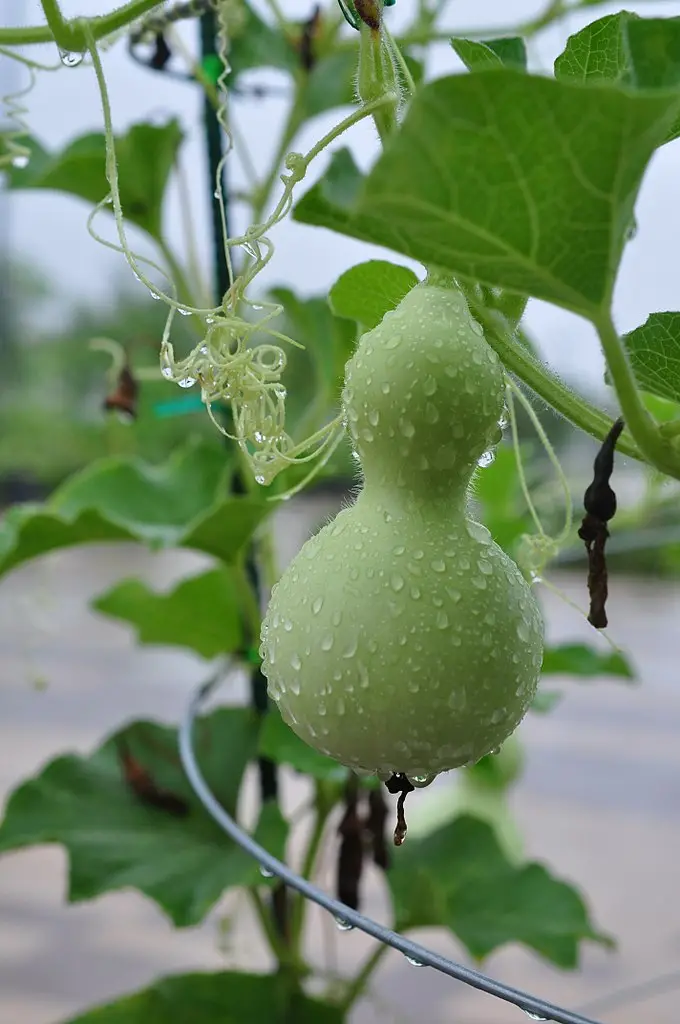
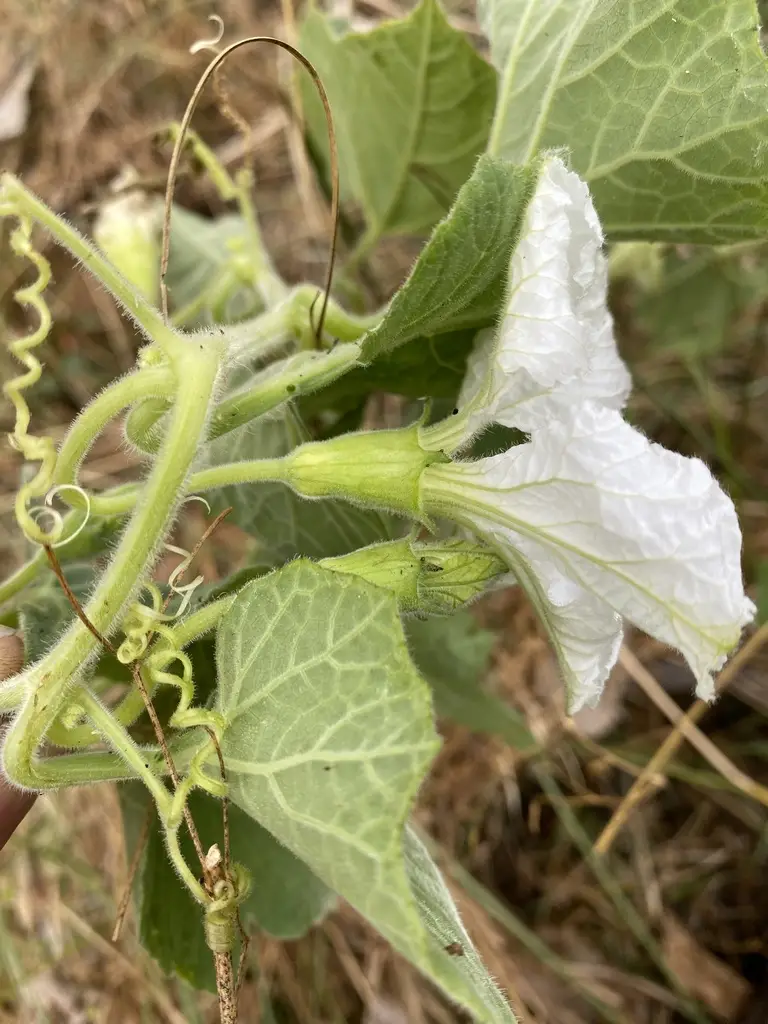
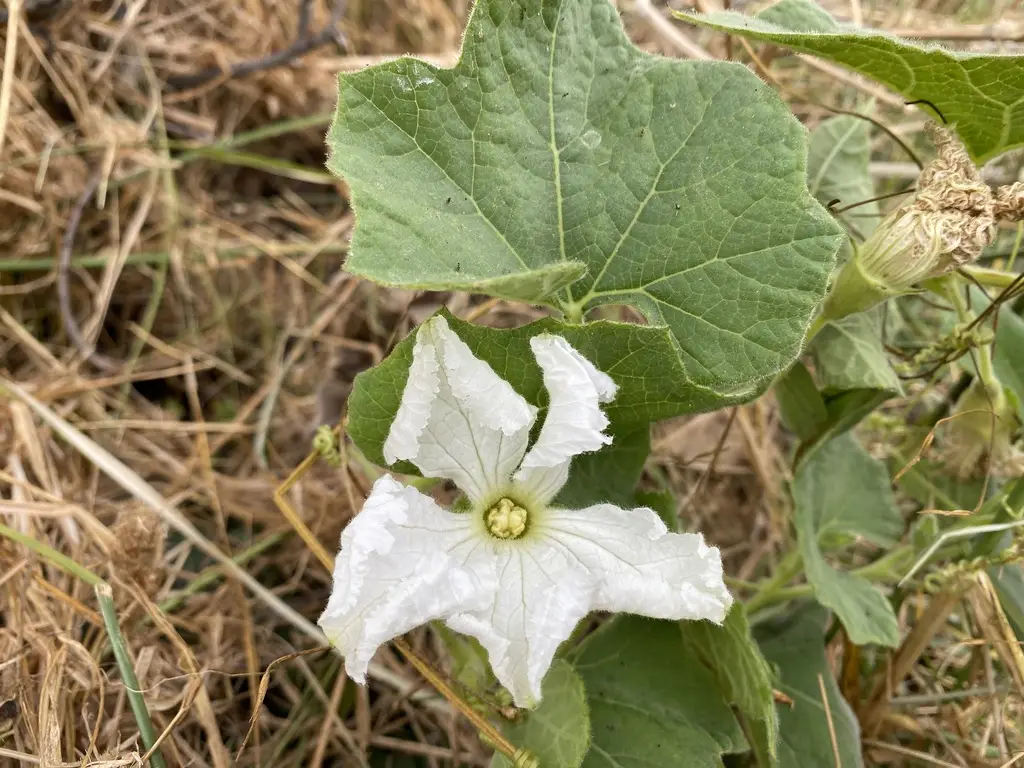
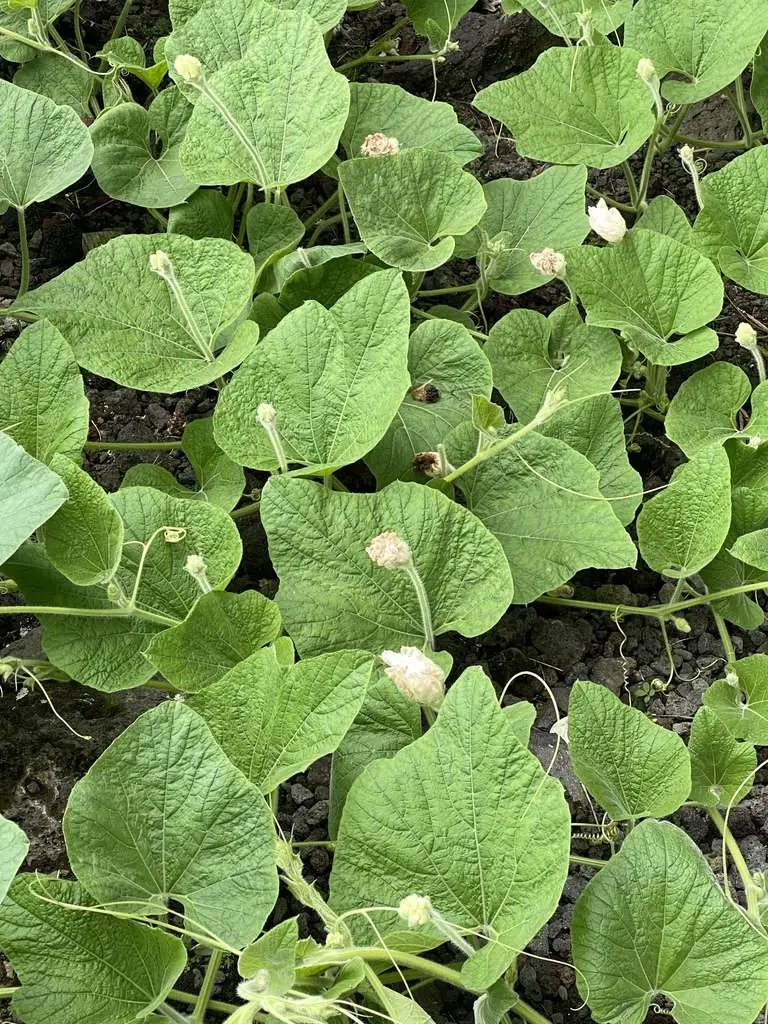
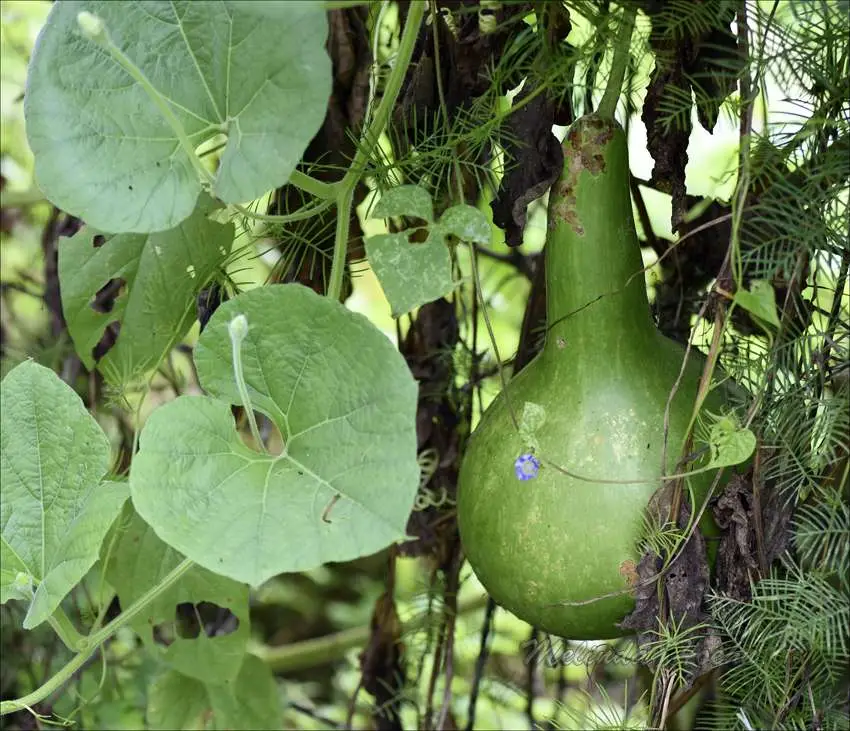
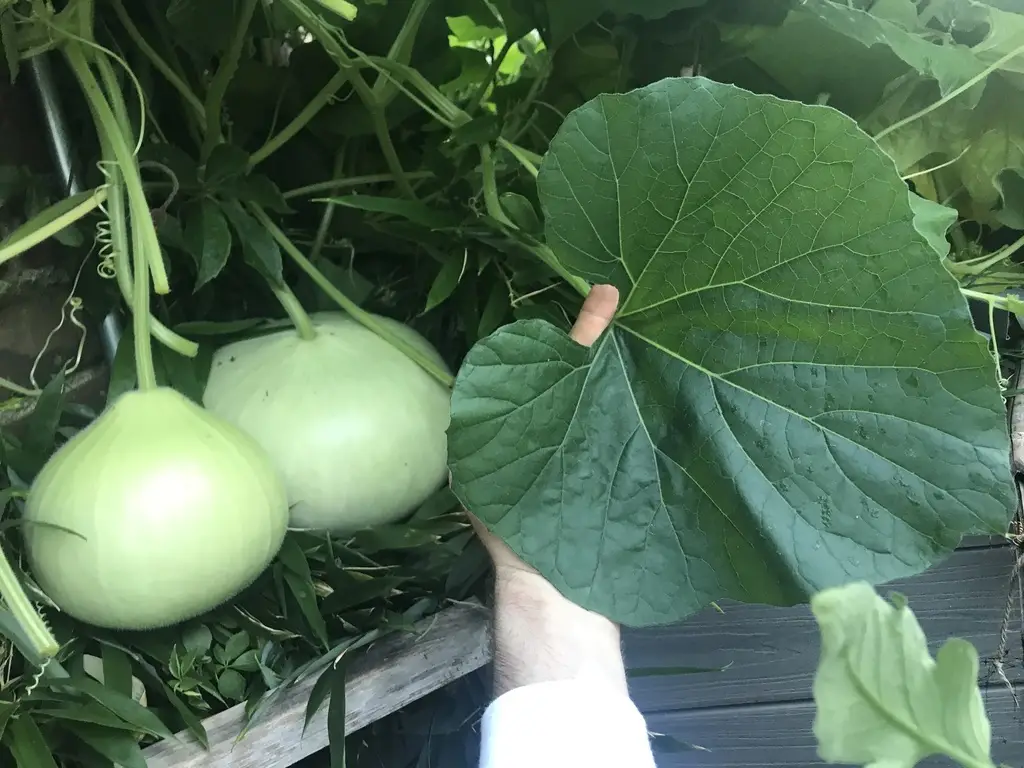
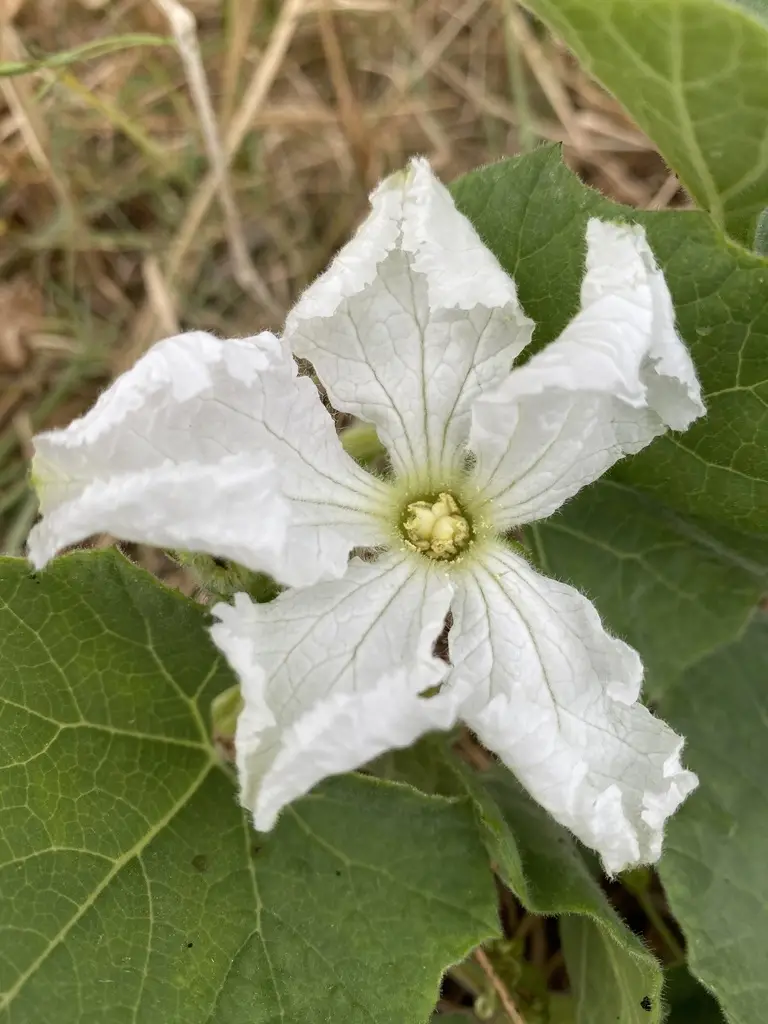
Lagenaria siceraria is a vigorous annual climbing vine cultivated worldwide for its distinctive hard-shelled fruits, which come in a variety of shapes, from bottle-like and round to serpentine. The plant has large, heart-shaped leaves and long, trailing stems that can extend several meters, producing striking white, night-blooming flowers that attract moths and other nocturnal pollinators.
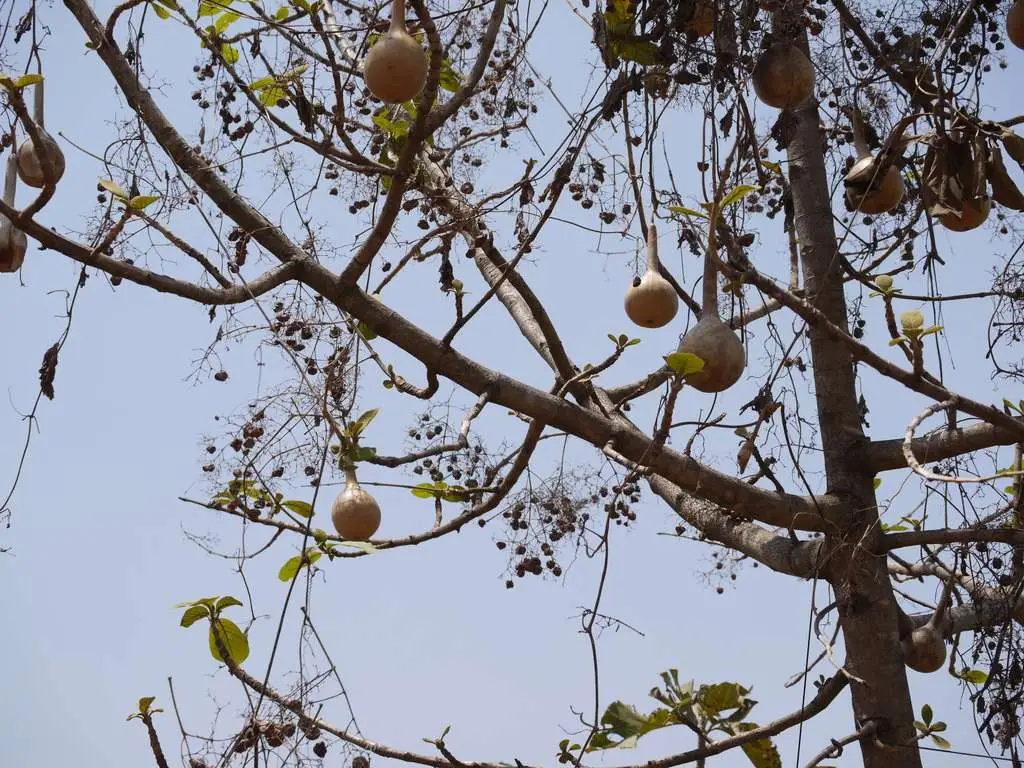
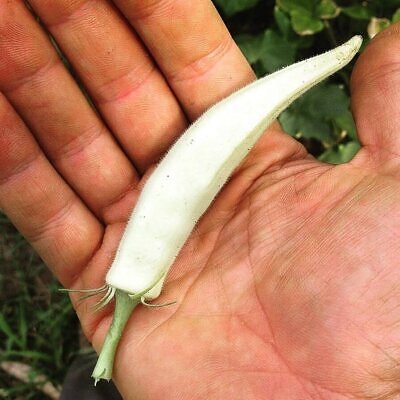
The young fruits are edible when harvested early and are used as a vegetable in many cuisines, while mature gourds dry into tough shells traditionally used to make utensils, containers, musical instruments, and ornaments.
Bottle gourd thrives in warm, sunny conditions with well-draining, fertile soil and regular watering. It grows best on trellises or fences, allowing the fruits to hang and develop their characteristic shapes. A versatile and culturally significant plant, Lagenaria siceraria combines ornamental appeal with practical uses in the home and garden.
Germination Guide
🌍 Tropical Africa
Easy
Lagenaria siceraria (bottle gourd or calabash) is an annual climbing vine native to tropical Africa, belonging to the Cucurbitaceae family. Seeds germinate readily in warm conditions (20-30°C) with proper pre-treatment, typically emerging within 7-14 days. This vigorous species requires warm soil, consistent moisture, and bright light for successful seedling establishment.
Germination
Germination time
Expect germination in
7 – 14 days
Temperature
Min 20°C
Ideal 25°C
Max 35°C
Substrate moisture
💧 Medium
Seed Pre-treatment
-
💧
Soaking — 24 hours
Soak seeds in warm water for 12-24 hours before sowing to soften seed coat and hasten germination
-
🔨
Mechanical scarification
Scarify seed coat lightly with file, sandpaper, or by nicking to enhance germination
-
📋
Additional notes
Scarification followed by soaking in warm water recommended to improve germination speed and uniformity
Substrate & Container
Recommended substrate
Well-draining potting mix or seed starting mix with pH 6.5-7.5. Can use 50% coco coir or peat combined with 50% perlite or coarse sand
Recommended container
Seed starting trays, peat pots, or individual 4-inch pots for indoor propagation. Biodegradable pots recommended for minimal transplant shock
Growing Tips
Scarify seeds before soaking to improve germination rates significantly. Maintain soil temperature at 25-30°C (77-86°F) for optimal results; germination will be poor below 20°C or above 35°C. Provide bright light or full sun immediately after sowing to prevent etiolation. Keep soil consistently moist but not waterlogged to prevent damping-off. Ensure good air circulation around seedlings to minimize fungal diseases. Discard any seeds that fail to germinate after 10-12 days as resulting plants may lack vigor. Start seeds indoors 3-4 weeks before the last frost if growing in cooler climates. Seedlings can be transplanted once established with 2-3 true leaves. Install support structure early as this is a vigorous, heavy-fruiting climbing species that requires sturdy trellising.
Only logged in customers who have purchased this product may leave a review.


Reviews
There are no reviews yet.