FREE SHIPPING OVER €30 FREE SHIPPING OVER €30

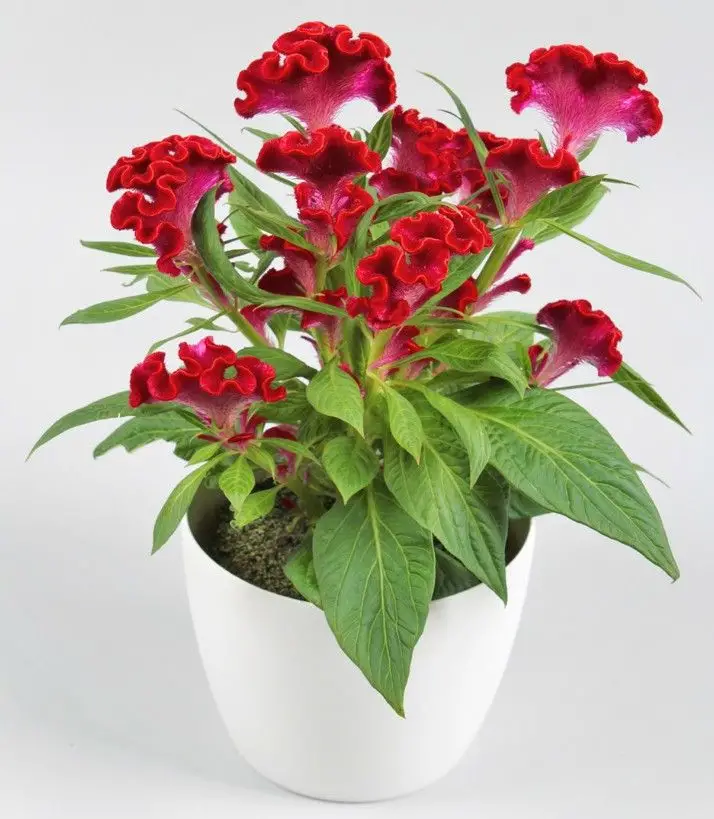
Celosia argentea var. cristata Red — Velvety Cockscomb | Garden Drama & Edible Treasure

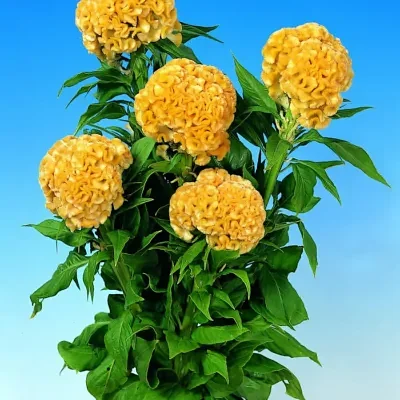
Imagine touching velvet that blooms. Celosia argentea var. cristata Red erupts in intense crimson crests—dense, wavy, dangerously tactile—that rival a rooster’s pride. But here’s the secret: leaves and young shoots taste like spinach and pack vitamins A, C, beta-carotene, and folic acid. Ornamental showstopper meets edible superfood. Heat-loving and easy from seed, it blooms all summer into autumn. Grow it, admire it, harvest it.

1.92

SKU: P-2002 Category: Tags: ,

You May Also Like

Description

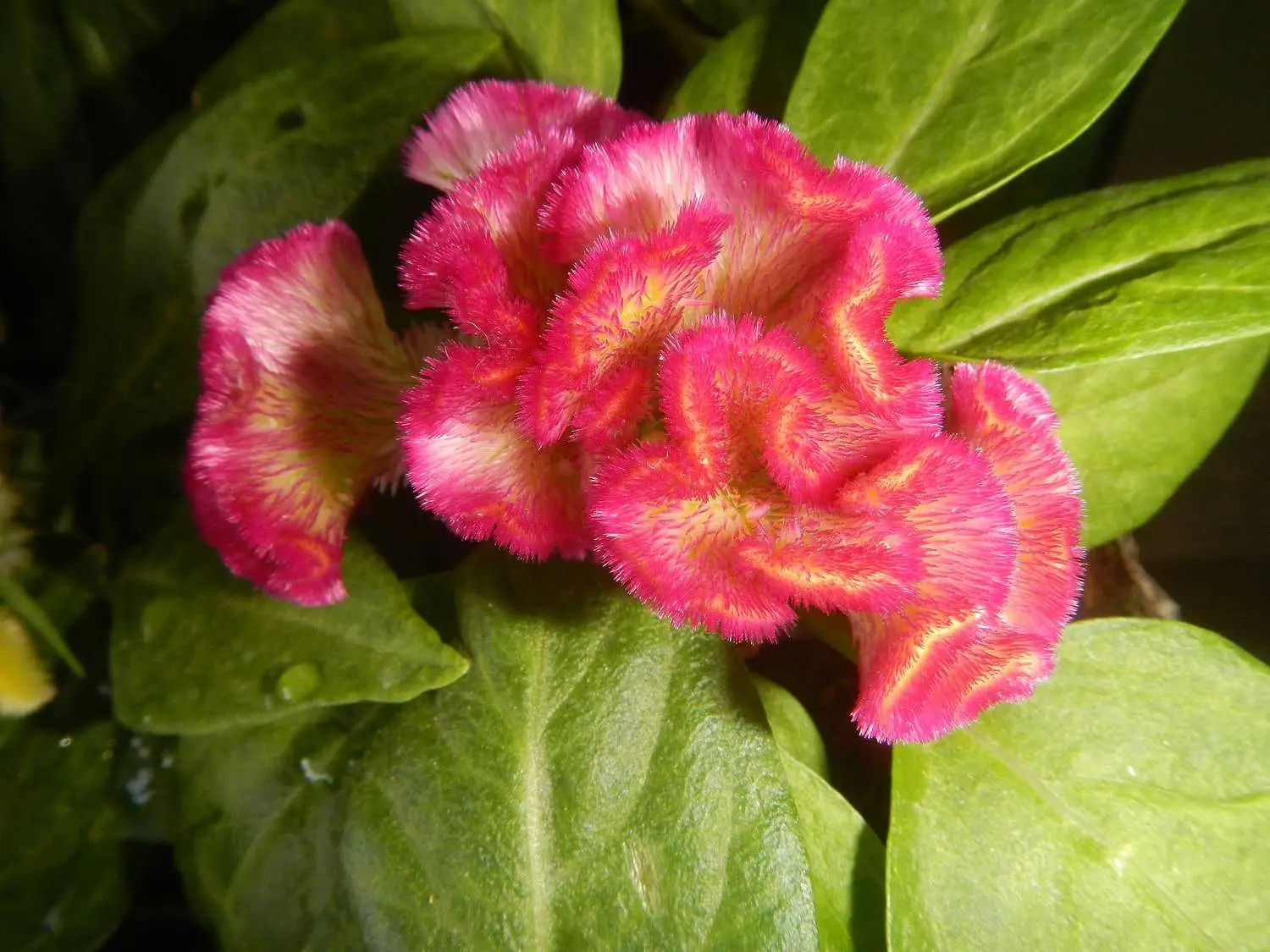
Primarily cultivated as an ornamental plant, cockscomb is valued for its distinctive wavy, velvety inflorescence. But touch one and you’ll understand the obsession—the texture is pure luxury, and the color in your red variety burns with an intensity that stops every passerby. The name cockscomb comes from the flower’s appearance, which resembles the crest (comb) on a rooster (cock).

It is likely native to India, where it was saved from extinction through cultivation because of its religious significance. Indian, Burmese, and Chinese gardeners have traditionally planted it near temples. For centuries, this plant has been treasured—not as an afterthought, but as sacred. The name celosia comes from the Greek keleous or “burning,” alluding to the flower’s brilliance. That brilliance is exactly what you’re getting in this red variety: a burning crest that demands to be seen.

Here’s where Celosia argentea var. cristata Red transforms from beautiful to invaluable. Young stems and flowers are also edible. Additionally, the seeds are edible and classified as pseudocereals. They are often grown as food in India, Western Africa, and South America. The leaves are a nutritious addition to the vegetable garden. They contain high levels of beta-carotene and folic acid. It is generally used in medicine as relief from diarrhoea, bloodshot eyes, hypertension, cataracts, poison from snake bites, and blurring of vision. It is used as a natural food colorant in local dishes to impart a fiery hot color to gravies, without affecting taste and aroma. The coloring property of C. cristata flower is due to the presence of betalains, which are water soluble pigments found in plants belonging to the family Amaranthaceae. You’re growing both a masterpiece and a medicine cabinet, a living artwork that nourishes your body. The red flowers can be harvested fresh or dried; the leaves go into soups, stews, salads. Nothing is wasted. Everything is used.

Growing Celosia argentea var. cristata Red is refreshingly straightforward. Cockscomb is relatively easy to grow and care for. Thriving in full sun and well-draining soil, it’s heat-tolerant and drought-resistant once established. They do best in sunny, well-drained locations, as the plant is susceptible to fungal diseases. The key is airflow—space plants 6–12 inches apart and water at the base to keep leaves dry. They are heat loving and are somewhat drought tolerant. Full sun locations allow cockscomb Celosia to grow taller. Cockscomb may grow in only partial sun too, so it can happily exist when partially shaded by taller plants. Sow seeds indoors 6–8 weeks before your last frost, or direct sow once soil has warmed. The plants are resistant to most plant diseases, and can thrive both indoors and outdoors. From seed to first bloom takes one summer—a fast, rewarding cycle.

Grow this from seed and you’re not just planting flowers. You’re cultivating a living legend that ancient gardeners protected in temples, that modern healers prescribe, that artists dry for eternal arrangements. The flowers can be cut and dried for use in dry bouquets. You’ll harvest beauty for your table and medicine for your body. Every petal, every leaf, every seed—purposeful. This is ornamental gardening with meaning.

Germination Guide

🌍 Tropical regions of Africa
Easy

Celosia argentea var. cristata Red, commonly known as Red Cockscomb, is a warm-season annual flower prized for its distinctive crested, brain-like flower heads with velvety texture. Native to tropical African regions, it germinates readily with proper warm conditions and light exposure.

Germination
Germination time
Expect germination in

7 – 14 days

Temperature

Min 60°C
Ideal 72°C
Max 90°C
🌡️ Temperature alternation recommended
— Optimal: 65-70°F night, 80-85°F day for germination

Light
☀️ Light required

Substrate moisture
💧 Medium

Sowing depth
Surface

Press seed
👆 Yes


Substrate & Container
Recommended substrate
well-draining seed-starting mix or vermiculite

Recommended container
72-cell flats, cell-packs, plug trays, individual peat pots


Growing Tips
Seeds are tiny and light-dependent; press gently into soil without deep burial. Provide bottom heat (heat mat) for optimal germination. Keep soil consistently moist but not waterlogged. Use vermiculite covering to retain moisture and prevent damping-off fungus. Do not allow seedlings to become root-bound; transplant when 3-4 inches tall. Avoid temperatures below 60°F as this causes stunted growth and premature flowering.

Reviews

There are no reviews yet.

Only logged in customers who have purchased this product may leave a review.

Related Products