Description
Medicago sativa is the plant that whispers of ancient meadows, Alpine pastures, and the quiet knowledge of cultures that knew how to heal from the earth. There is a reason this legume has traveled the world for millennia, embedded in the practices of Persian physicians, Chinese herbalists, Ayurvedic healers, and American folk practitioners—because it works, and it transforms how you think about what grows in your garden. Not merely a crop. A medicine cabinet that photosynthesizes.
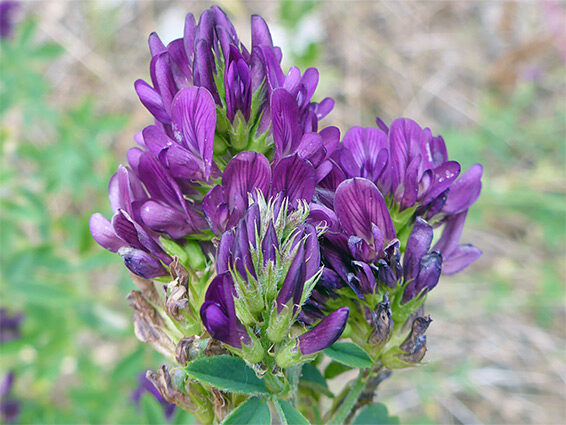
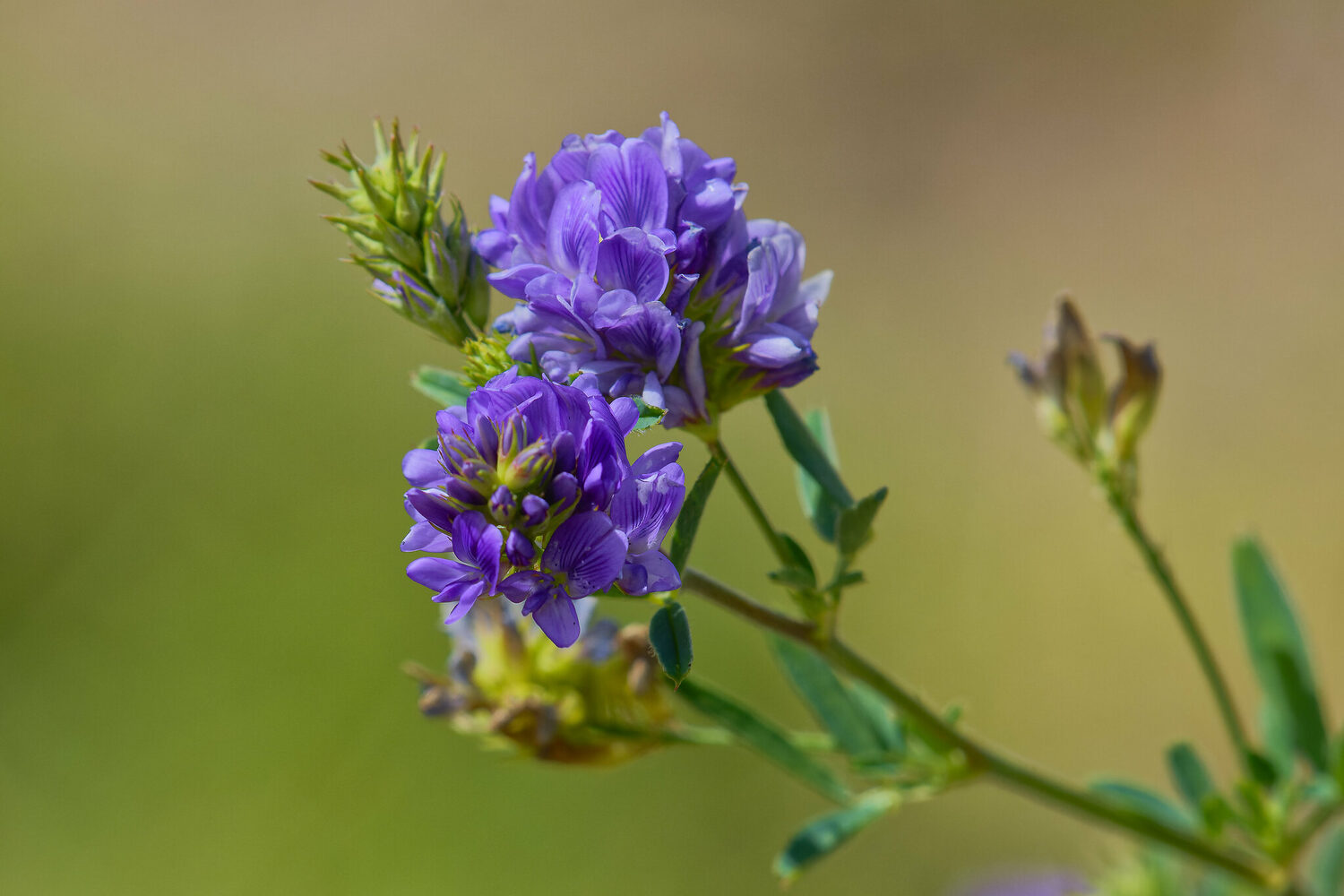
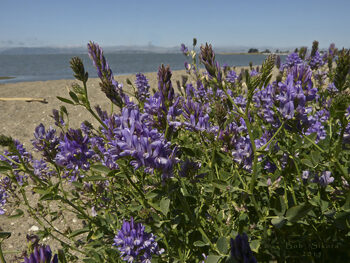
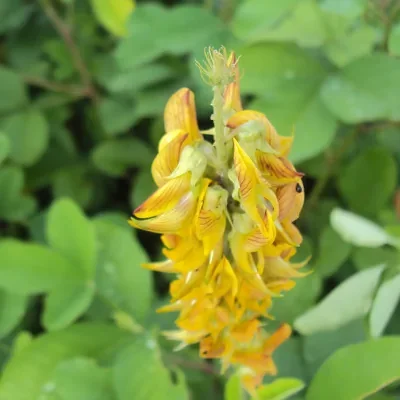
Origin and Why This Plant Matters: Alfalfa emerges from the high-altitude plains of Persia and south-central Asia, where it was first cultivated in ancient Iran before spreading to every continent. What makes Medicago sativa botanically exceptional is its profound partnership with soil. A deep taproot system—penetrating far below the surface where other plants dare not venture—draws up minerals and moisture while simultaneously fixing atmospheric nitrogen through symbiotic Rhizobium bacteria living in its root nodules. This is not just a plant; it is a soil architect. A perennial flowering herb with trifoliate (three-part) green leaves and delicate purple-violet to blue pea-shaped flowers arranged in tight, dense racemes, it possesses a quiet, understated beauty that masks its extraordinary power.
The Herbal Infusion Revolution—Your Primary Use: Here is where Medicago sativa becomes indispensable in a modern home garden. For centuries, the dried leaf and young flowering tops have been steeped into a nourishing herbal tea—mild, slightly earthy-sweet, with mineral-forward notes that pair beautifully with mint and lemon. Traditional Chinese Medicine used alfalfa to stimulate appetite and support digestive health. Ayurvedic practitioners administered it for water retention, arthritis, and ulcers. European folk herbalists prized it as a nutritive tonic, and contemporary herbalists value it for its extraordinary nutritional profile: rich in proteins, vitamins A, D, E, and K, plus calcium, magnesium, potassium, and beta-carotene. More intriguingly, modern research has begun validating what traditional healers knew—that alfalfa saponins may help reduce cholesterol, that its alkaloid and flavonoid content supports blood sugar regulation, and that it functions as a gentle blood detoxifier and immune stimulant. One clinical study documented that women using an alfalfa-sage combination saw dramatic reduction in menopausal hot flashes and night sweats. The dried leaf is easy to prepare: steep 1–2 teaspoons per cup of hot water for 10–20 minutes, creating a pale golden infusion that tastes clean, subtly nourishing, and decidedly medicinal. Harvest your own leaves before flowering, dry them in bundles, and you have a year’s supply of premium herbal tea—far superior to anything purchased, because you grew it with intention. This single use—wellness through your own cultivated herb—transforms alfalfa from livestock feed into a respected botanical ally.
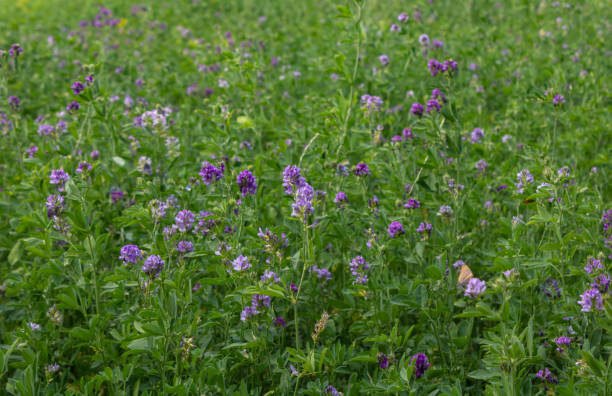
Bonus Uses That Deepen Your Connection: Grow alfalfa and you unlock multiple treasures. The tender young sprouts, germinated from seed at home, become a crunchy, protein-packed addition to salads and sandwiches—fresh harvests year-round from your kitchen counter. As a nitrogen-fixing cover crop or green manure, alfalfa regenerates exhausted garden beds, leaving soil richer for whatever you plant next season. It is a powerful pollinator magnet, drawing bees and beneficial insects that will service your entire garden. The deep root system prevents erosion and mines nutrients from subsoil, making alfalfa a key player in any permaculture or regenerative approach. For those interested in phytoremediation—using plants to clean contaminated soil—alfalfa accumulates heavy metals and can begin the healing process on damaged land.
How to Grow Medicago sativa From Seed: Full sun is non-negotiable; this is a light-demanding plant. Sow directly into a firm, well-draining seedbed, preferably into neutral to slightly alkaline soi


Reviews
There are no reviews yet.