
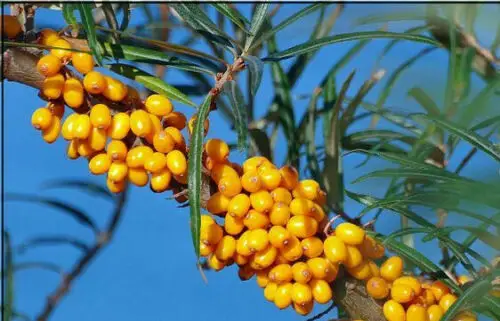
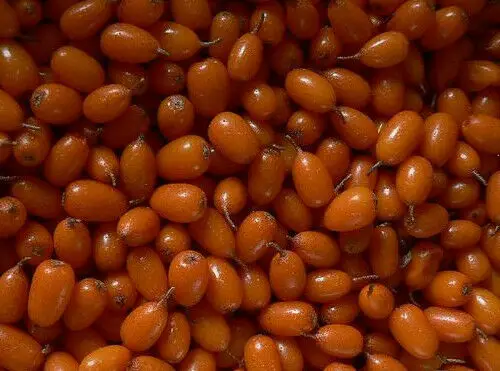
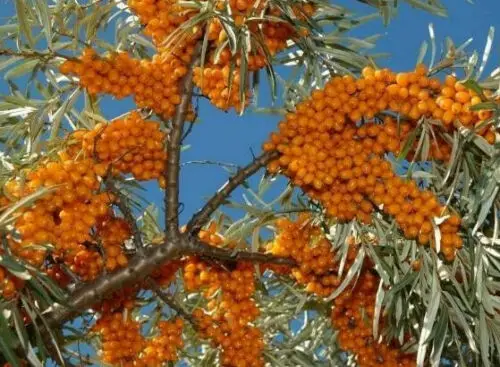
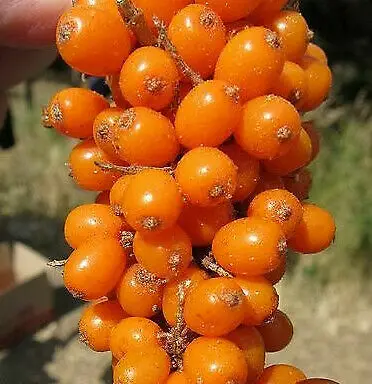
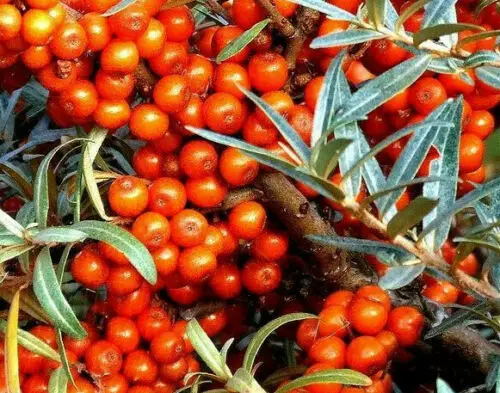
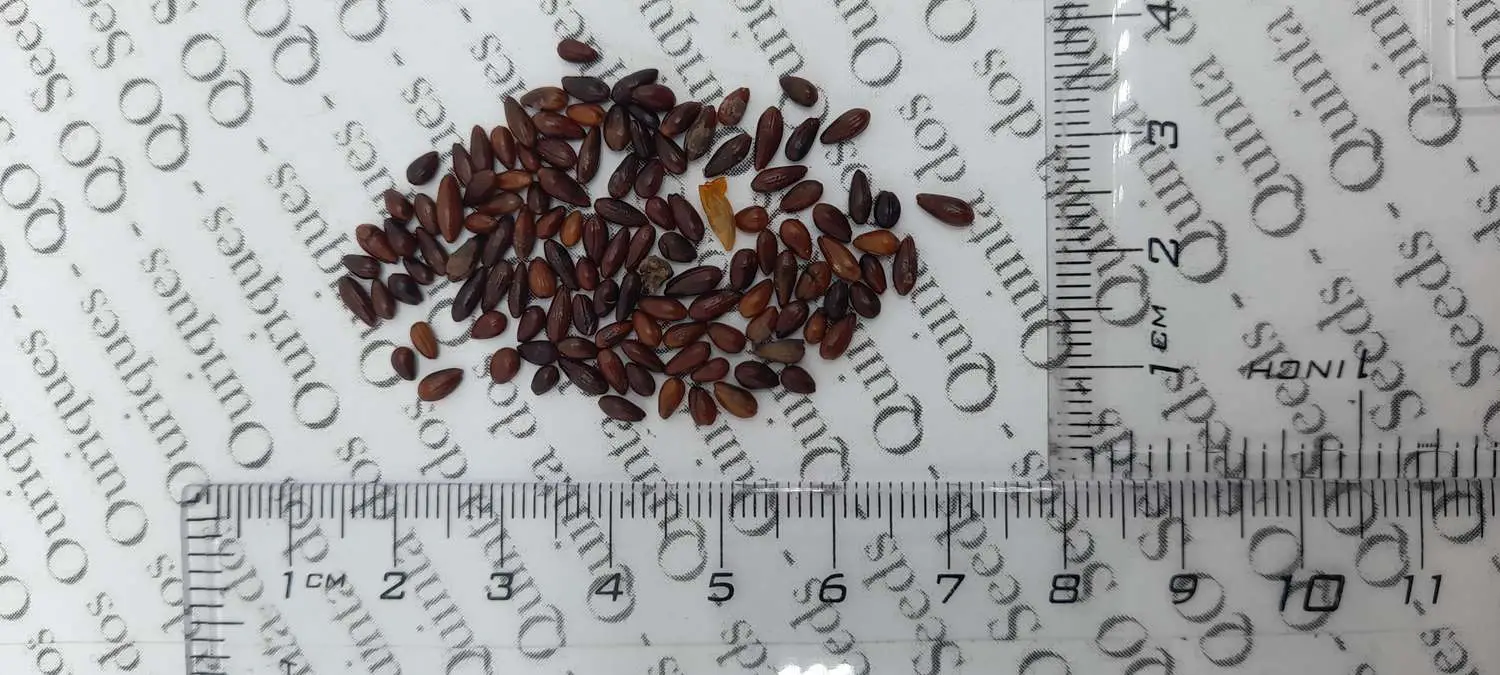
Grow the superfruit that beauty brands crave: liquid-gold sea buckthorn berries brimming with omega fatty acids, carotenoids, and bioactive compounds that transform into potent oils for radiant skin. Each berry is a tiny wellness treasure, packed with vitamin C and rare nutrients. Easy to medium cultivation in sun-filled spots. Start from seed and harvest your own luxury skincare elixir.
€2.12
Imagine berries so nutrient-dense, so laden with precious oils, that the world’s leading cosmetics companies extract and bottle them as luxury ingredients. That’s sea buckthorn—the golden bush that turns gardeners into harvesters of botanical wealth.
Originating in the Hengduan Mountains and East Himalayas, sea buckthorn is an ancient plant with modern virtues, due to its nutritional and medicinal value. It has lived on the earth for about 200 million years, yet only recently has the world awakened to its extraordinary potential. Known as the “Wonder Plant” and “Golden Bush”, it was revered across Asia and Europe for centuries—now, it’s becoming the darling of clean beauty, nutraceuticals, and functional food.
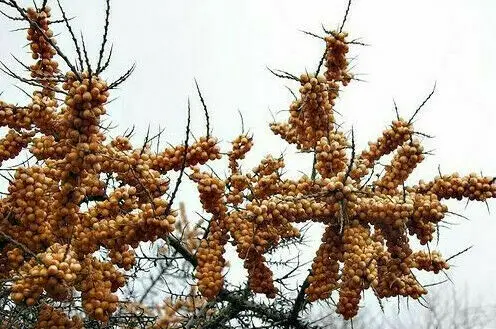
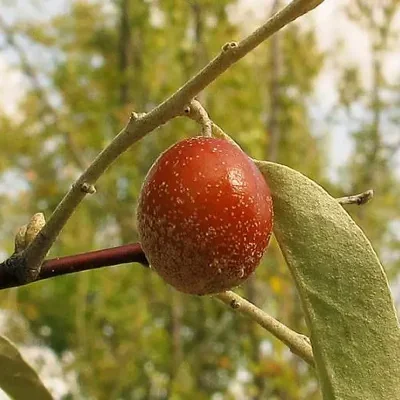
But here’s what makes sea buckthorn truly exceptional: **the oil.** A thorny shrub with small, yellow to dark orange, soft, juicy berries, each one is a reservoir of liquid medicine. Sea buckthorn oil is a red-orange oil derived from sea buckthorn plants, with Hippophae rhamnoides being the most commonly used species. This is not accessory—it is the plant’s superpower.
The unique unsaturated fatty acids, such as palmitoleic acid (omega-7) and gamma-linolenic acid (omega-6), give sea buckthorn oil skin regeneration and repair properties, improve blood circulation, facilitate oxygenation of the skin, remove excess toxins from the body, and because gamma-linolenic acid is converted to prostaglandins inside the skin, sea buckthorn oil protects against infections, prevents allergies, eliminates inflammation and inhibits the aging process. With close to 200 properties, sea-buckthorn oil is a valuable addition to health and beauty products. Dermatologists and cosmeceutical formulators prize it for its power as an antioxidant to delay aging by removing free radicals, making skin more elastic due to its carotenoid concentration. Throughout history, the oil and juices from the sea buckthorn berry have been used as a topical healing agent for wounds, burns, and other types of skin irritations.
Beyond the skin, your harvest unlocks wellness on every level. Berries, leaves, and seed or pulp oils contain natural antioxidants such as ascorbic acid, tocopherols, carotenoids, flavonoids, while they contain proteins, vitamins (especially vitamin C), minerals, lipids (mainly unsaturated fatty acids), sugars, organic acids and phytosterols. Each fruit is packed with vitamin C – several times that of oranges (typically ~250–400 mg/100 g, far above orange’s ~50–53 mg/100 g) – along with E and K vitamins, carotenoids, and fatty acids rare in other fruits. Studies suggest that sea buckthorn may have cardioprotective, anti-atherogenic, antioxidant, anti-cancer, immunomodulatory, anti-bacterial, antiviral, wound healing and anti-inflammatory effects. The berries also shine in the kitchen—when processed into juices, jams, or cooked preparations, the flavor mellows into a complex, tangy-sweet profile that’s quite appealing.
**How to Grow This Golden Wonder:**
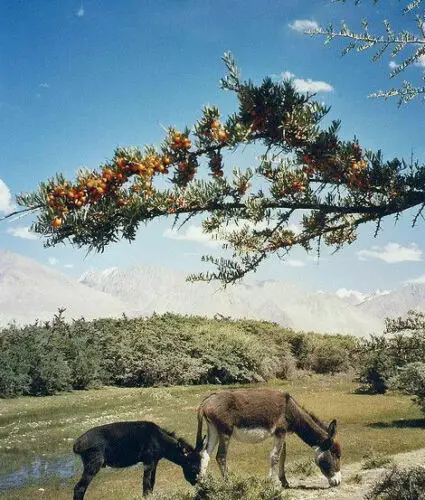
Sea buckthorn thrives in full sun and adapts to diverse climates. It can grow under harsh conditions, such as drought, frost, and air pollution—making it resilient and low-fuss. The silver gray leaves catch the light, creating a luminous effect that pairs beautifully with blue skies and coastal grasses, so it’s ornamental as well. The plant reaches typical heights of 8 to 12 feet depending on variety and conditions, with coastal forms staying low and spreading, while inland or cultivated selections can form small trees.
Note:
Only logged in customers who have purchased this product may leave a review.


Reviews
There are no reviews yet.