
Grow a living sculpture from seed. This rare Madagascar native thrives as a bonsai masterpiece—bottle-shaped trunk, silver bark, glossy crown of leaves, and fragrant winter flowers. Fast-growing and surprisingly forgiving with sun and dry soil. Plant from seed and watch architectural beauty unfold over years. A collector’s dream.
€7.01
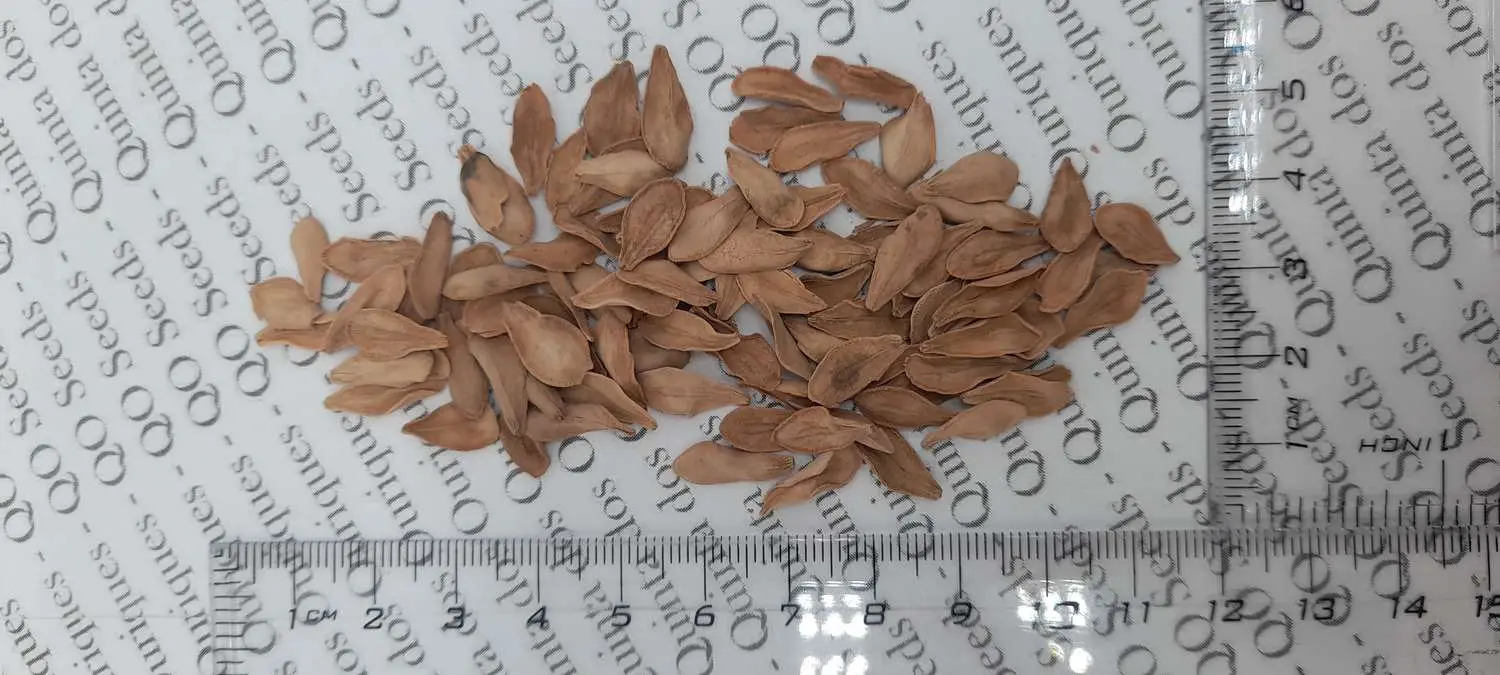
This is where patience meets architectural genius. Pachypodium rutenbergianum—the Madagascar Palm—is one of nature’s most spectacular bonsai candidates, and growing it from seed is the ultimate journey into slow, sculptural perfection.
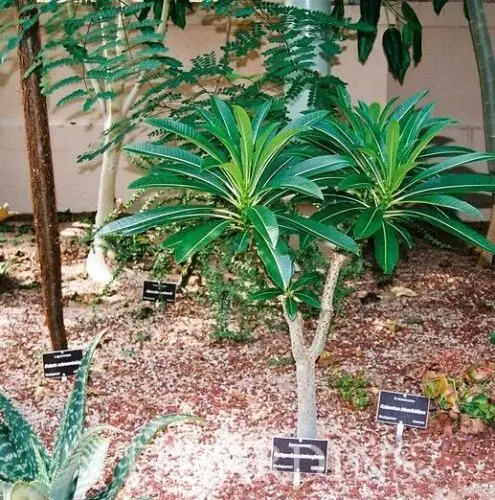
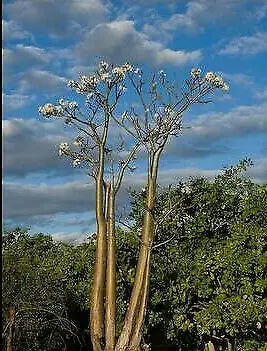
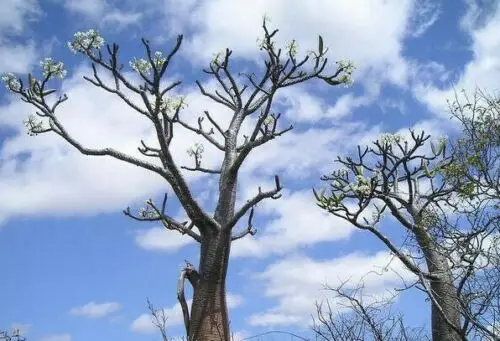
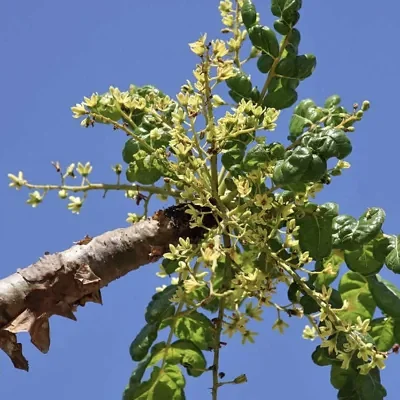
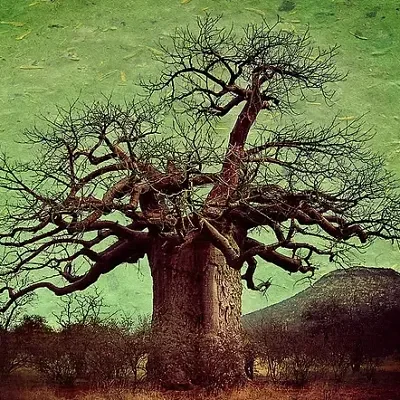
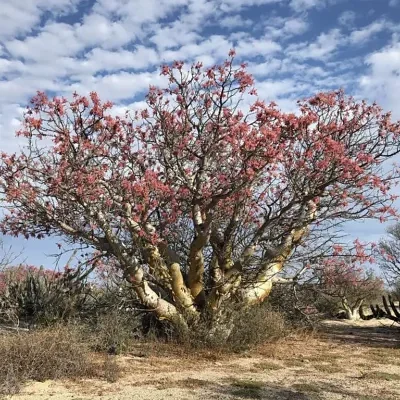
Native to the arid regions of Madagascar, this caudiciform marvel has been cultivated for centuries. The name honors explorer Diedrich Christian Rutenberg, a botanical collector who understood rarity when he saw it. What makes P. rutenbergianum extraordinary is its natural growth habit: a massively swollen, silvery-brown bottle trunk that becomes thicker and more dramatic with every passing season, crowned with a sparse, airy canopy of narrow, deciduous leaves. This is a tree that looks ancient when young—and that’s precisely why collectors obsess over it.
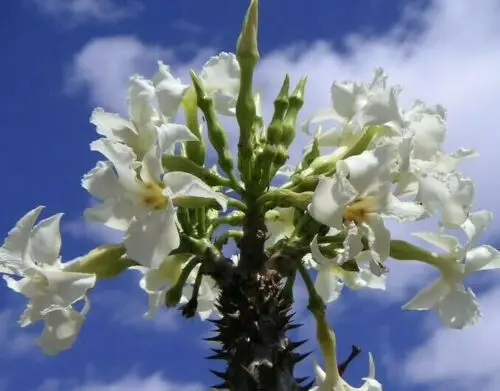
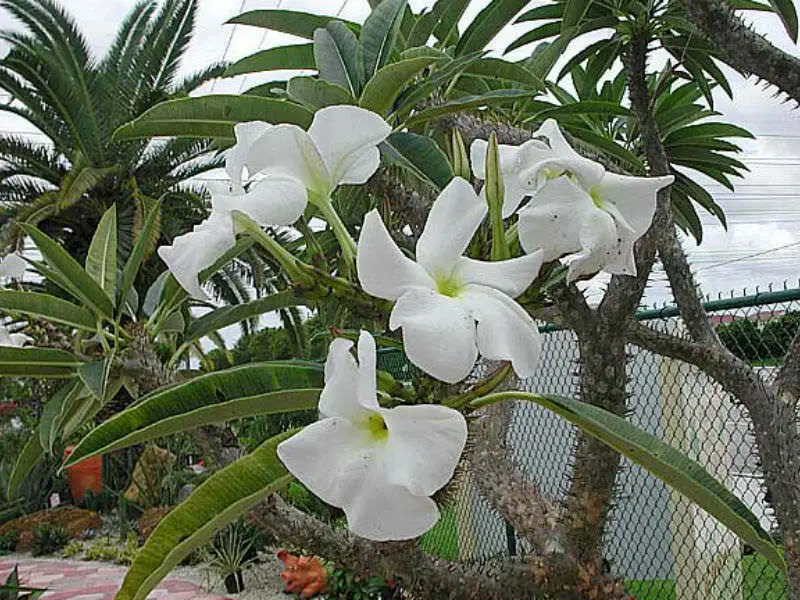
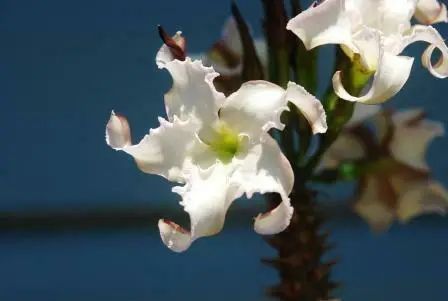
As a bonsai subject, Pachypodium rutenbergianum has no equal among succulents. Unlike typical bonsai, which require constant refinement, this species develops its own sculptural form naturally. The thick, columnar trunk thickens at the base, creating that coveted caudex—the swollen “elephant’s foot” that bonsai enthusiasts crave. You don’t force the shape; the plant creates it for you. Growers can shape and trim branches to create candelabrum forms, weeping silhouettes, or architectural cascades. The reward? Compact, fragrant white flowers with yellow centers that bloom in winter clusters, followed by ornamental seed pods that range from yellow to orange. Fast-growing for its genus, seedlings from seed reach visible bonsai proportions faster than competitors. It’s the rare succulent that satisfies both the impatient and the meditative collector.
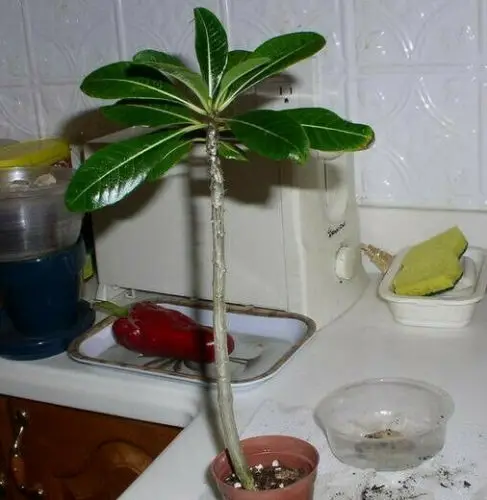
Cultivation is refreshingly straightforward. Pachypodium rutenbergianum demands full sun—this is non-negotiable, and that’s your advantage. Give it 6-8 hours of direct light daily, and it thrives indoors or in containers year-round (USDA zones 10-11 outdoors, greenhouse/houseplant anywhere else). Soil must drain obsessively; use gritty, sandy succulent mix. Water sparingly during the growing season—the plant is evolved for drought and will sulk with wet feet. In winter dormancy, reduce water further; the tree will drop its leaves, a perfectly normal reset. No fertilizer needed; sunlight powers growth. Seedlings grow quickly compared to other Pachypodiums, rewarding your patience with visible progress.
Grow Pachypodium rutenbergianum from seed and you’re not just planting; you’re nurturing a living sculpture that will reward you with sculptural beauty, architectural presence, and the quiet satisfaction of witnessing nature’s own bonsai unfold. This is the rare plant that becomes an heirloom.
Only logged in customers who have purchased this product may leave a review.
Reviews
There are no reviews yet.