
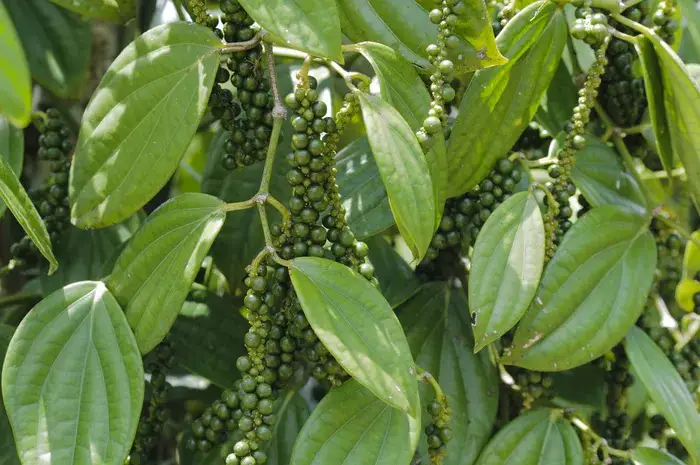
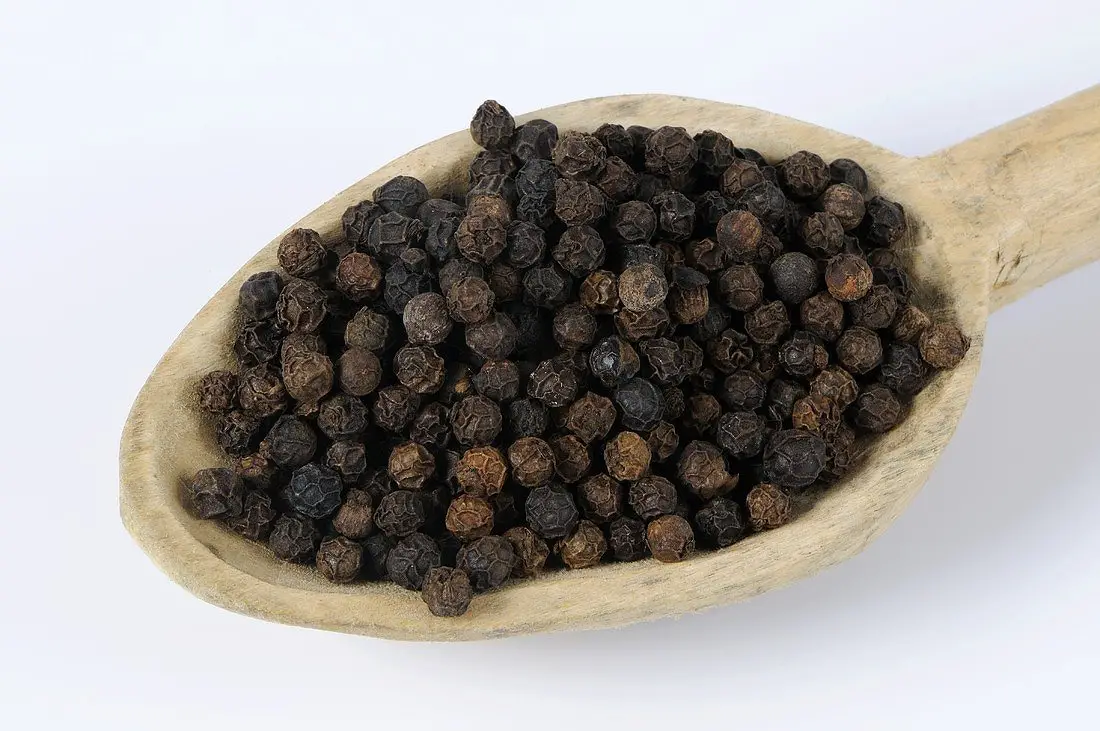
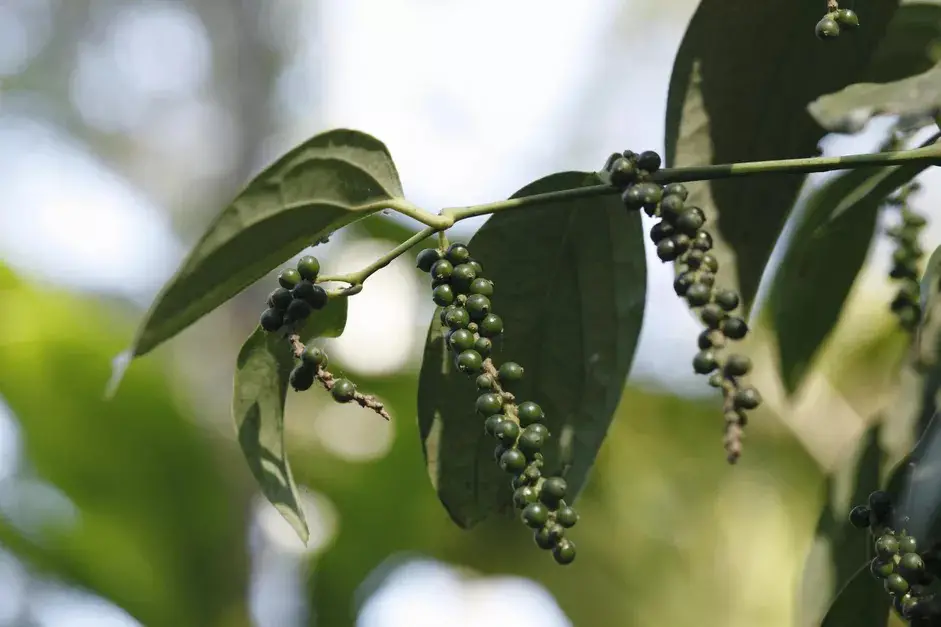
Cultivate the world’s most coveted spice in your home. Piper nigrum is a stunning climbing vine with glossy green leaves and delicate flower spikes that mature into precious peppercorns—from verdant green to blushing red to black gold. Grow it in a container on a trellis and harvest fresh, fragrant pepper that tastes infinitely better than anything store-bought. This tropical treasure rewards patience with years of abundant harvests. Start from seed and jo
€2.98
Pepper originated in the tropical forests of southern India and has been cultivated for over 4,000 years. You’re not just growing a plant—you’re cultivating legend. Black pepper as food additive, taste enhancer with great medicinal value was commonly referred as “king of spices” and the black gold in international trade. Pepper became an important article of overland trade between India and Europe and often served as a medium of exchange; tributes were levied in pepper in ancient Greece and Rome. This vine once sparked empires.
Piper nigrum is a woody perennial vine that thrives in humid, tropical climates. It’s a vigorous climber that naturally grows by attaching itself to trees, poles, or trellises using adventitious roots produced along its stems. Its broad shiny green leaves are alternately arranged. The small flowers are in dense slender spikes of about 50 blossoms each. Watch as fruits become yellow to red and finally black—a visual transformation so sensual it rivals any ornamental plant. Each spike holds dozens of developing drupes; the entire plant becomes an edible, aromatic sculpture.
Here is where passion meets practicality: growing black pepper from seed means harvesting your own peppercorns. Ground black pepper contains up to 3 percent essential oil that has the aromatic flavor of Capsicum peppers but not the pungency. The characteristic flavor is principally derived from the chemical piperine, though the seeds also contain chavicine, piperidine, and piperettine. When you grind your own fresh-dried pepper, you unlock an aroma and heat that commercial bottled pepper cannot match. Piperine present in black pepper possesses several therapeutic properties, that is, antioxidant, antiinflammatory, anticancer, antidiabetic, antimicrobial, antidepressant, enhance the bioavailability, and help to aid digestion. You’re not just seasoning your food—you’re infusing it with centuries of traditional wellness wisdom. The black pepper plant (Piper nigrum) fruit—called peppercorns—has been used since antiquity as a food flavoring and as a folk medicine.
Growing black pepper at home is achievable with the right setup. Black pepper is a tropical plant that enjoys warm, wet conditions with mild winters (equivalent to USDA Hardiness Zone 12). Piper nigrum, a shiny tropical vine, is the source of black peppercorns. It’s Ideal for container growing and will grow up a small trellis or stake. The plant requires a long rainy season, fairly high temperatures, and partial shade for best growth. Indoors with a sunny window or grow light, consistent warmth, and regular misting, your pepper vine will thrive. Black pepper plants require partial to full sunlight for healthy growth. Use rich, well-draining potting soil—the plant loves organic matter—and keep the soil moist but never waterlogged. Average mature height: 12 to 15 feet, though you can prune to fit your space. Yes, plants begin bearing in 2 to 5 years and may produce for as long as 40 years—a long-term investment in your kitchen garden, and all the more thrilling when the first flower spikes appear.
Imagine this: five years from now, you’re grinding peppercorns you grew from seed, filling your kitchen with an aroma so complex and alive it tastes like the history of spice itself. Your guests ask where you sourced this extraordinary pepper. You smile and point to the thriving vine climbing your trellis, laden with fruit. That is the dream Piper nigrum offers—not just a houseplant, but a connection to the ancient world, a daily ritual, a harvest you can touch and taste. Sow your se
Only logged in customers who have purchased this product may leave a review.
Reviews
There are no reviews yet.