Description
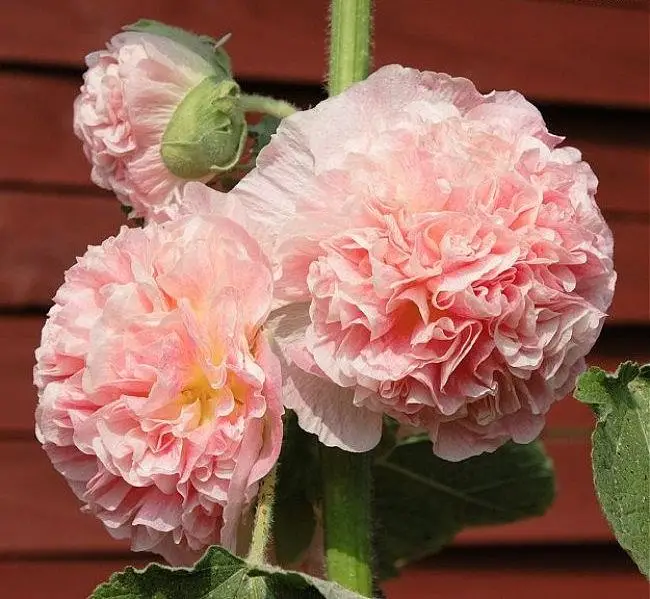
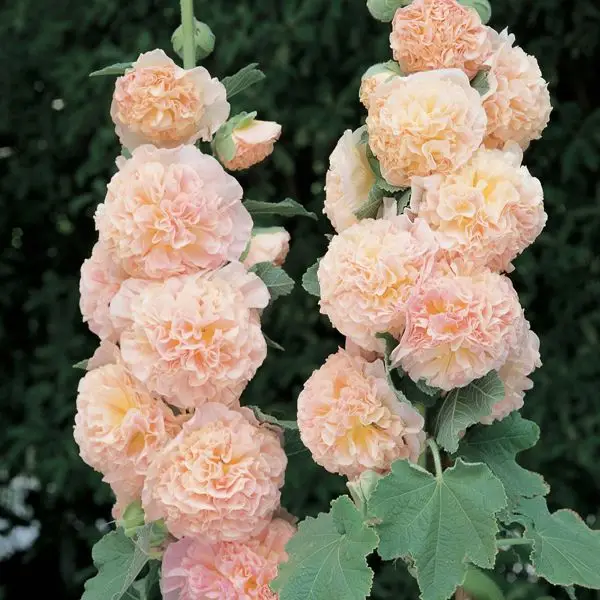
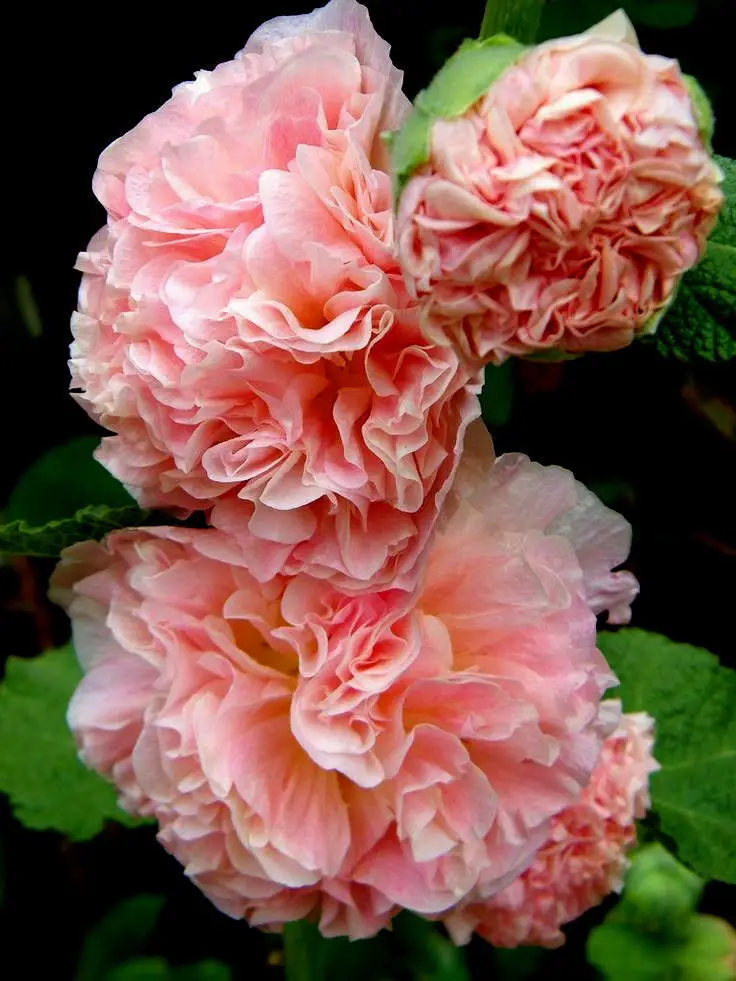
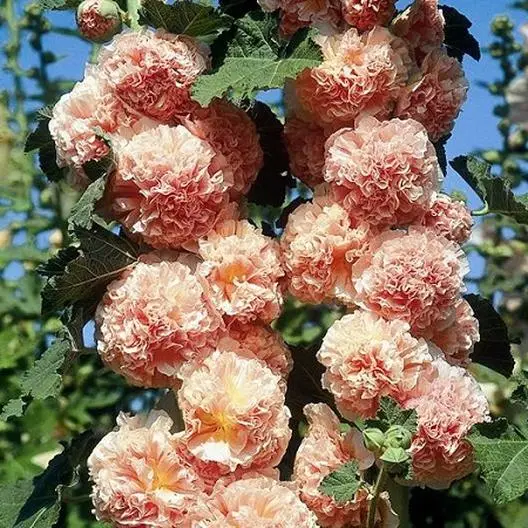
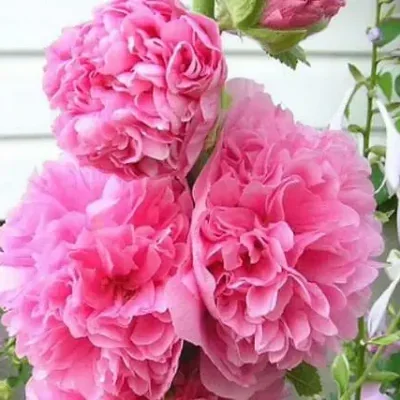
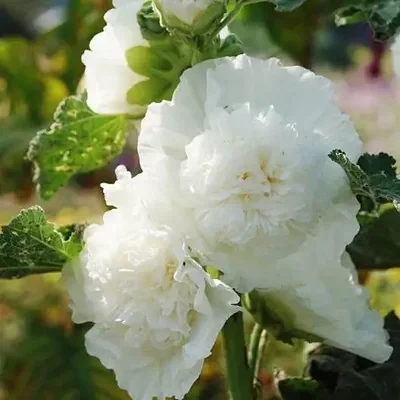
Alcea rosea variety double chaters have been grown in gardens for centuries, their high spikes of silk-textured satin flowers promote a beautiful display and a unique spectacle.
Several variety in mauve were planted in the gardens at Monticello by Thomas Jefferson in 1629; traditional and outrageously beautiful. A must for historic gardens,
Edible flowers are used in the preparation of salads and ornamentation of various dishes, as well as in the preparation of tea or as a coloring agent for other foods.
It prefers its planting in a place that receives direct solar illumination, however, in the hottest regions should be planted in a place that receives solar protection in the hottest hours of the day.
The species is biennial, but usually treated as perennial because once established form colonies by self seeding.
Very fast growth and possibly flourishes in its first year in cultivation.
Huge, velvety flowers present us with simply fantastic scenery and bring close to the constant visit of butterflies and hummingbirds.
Very much traveled by landscapers the world outside in massive and as surround high walls and walls.
In the culinary the flowers of this cultivar are very appreciated when crystallized for decoration of cakes or in the preparation of delicately flavored syrups for puddings.
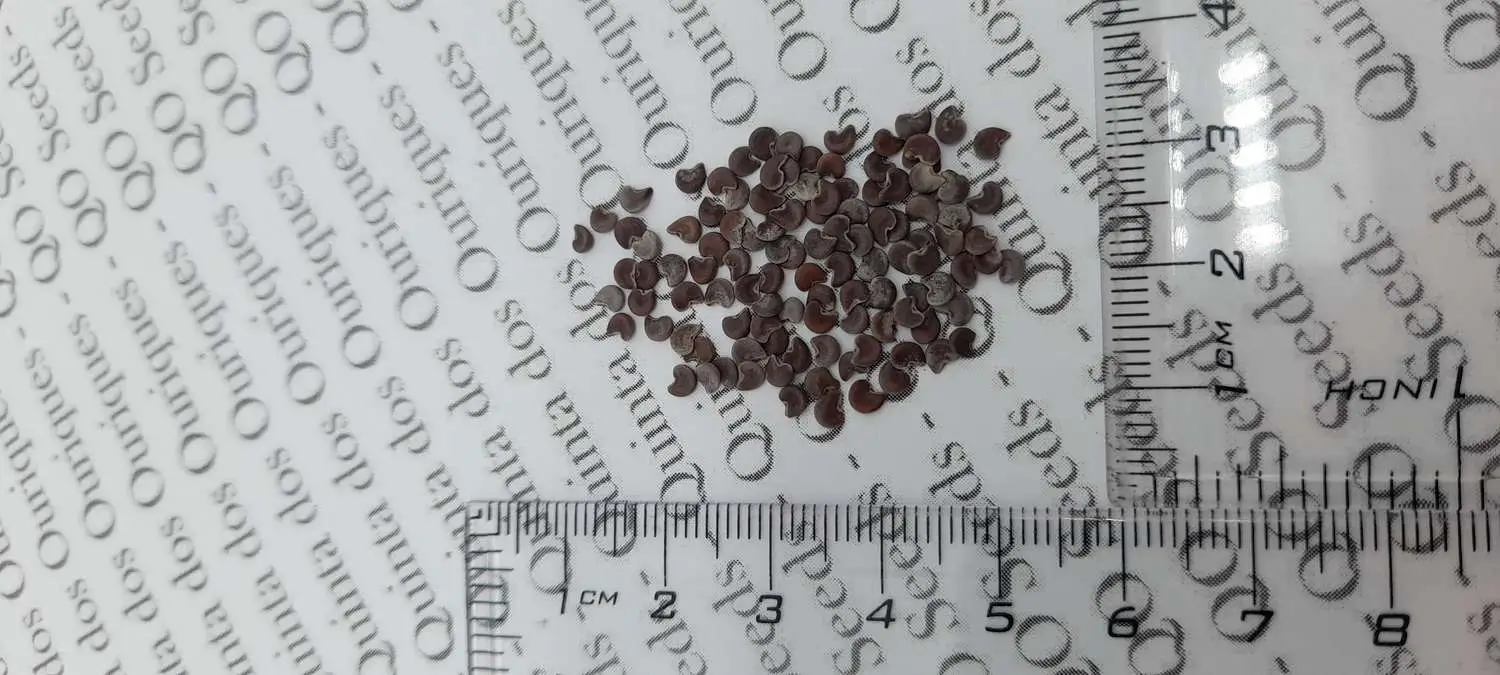
Seeds very fresh, in appropriate conditions, germinating between 20 to 40 days.
Germination Guide
🌍 Asia and Europe
Easy
Alcea rosea 'Chater's Double Group Salmon Pink', commonly known as Double Salmon Pink Hollyhock, is a classic biennial or short-lived perennial flower originating from Asia and Europe. The seeds are relatively easy to germinate when given warm, moist conditions (60-70°F) and light exposure, typically sprouting within 7-21 days. Optional pre-treatment with warm water soaking improves germination rates significantly, especially for older seeds.
Germination
Germination time
Expect germination in
7 – 21 days
Temperature
Min 60°C
Ideal 65°C
Max 70°C
🌡️ Temperature alternation recommended
— Cold stratification option: Keep at 35-40°F for 10 days, then transfer to 65-70°F for germination. This cold period may enhance germination in some cases
Substrate moisture
💧 Medium
Seed Pre-treatment
-
💧
Soaking — 12 hours
Soak in warm water (approximately 113°F / 45°C) for 12 hours prior to sowing to soften seed coat and improve germination rate and speed
-
🔨
Mechanical scarification
Mechanical scarification or warm water soaking improves germination rates; rub seeds gently with fine-grit sandpaper or soak in warm water (approximately 113°F / 45°C) for 12 hours to soften seed coat
-
📋
Additional notes
Water treatment significantly improves germination rate for Alcea rosea. May be soaked in warm water or subjected to mechanical scarification. Optional but recommended, especially for older seeds
Substrate & Container
Recommended substrate
Well-drained seed starting mix, loamy fertile soil
Recommended container
Individual pots or cells; deep pots (7.5-10cm minimum) recommended due to long taproots; avoid shallow trays
Growing Tips
Sow seeds indoors 6-8 weeks before the last frost date, or direct sow outdoors 1-2 weeks before last frost. Seeds require light and should be pressed lightly into moist soil without covering. Maintain consistent soil moisture and provide bright indirect light after germination. Transfer seedlings to individual deep pots when 2-3 inches tall to accommodate long taproots. Harden off seedlings gradually before transplanting outdoors. These double-flowering Chater's varieties are true biennials, typically blooming in their second year. Pre-soaking seeds in warm water (113°F/45°C) for 12 hours can significantly speed and improve germination. Space transplants 18-24 inches apart in well-drained soil with full sun exposure.
Only logged in customers who have purchased this product may leave a review.


Reviews
There are no reviews yet.