Description
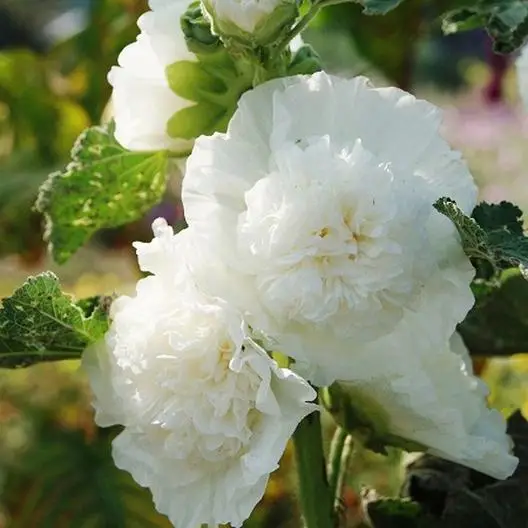
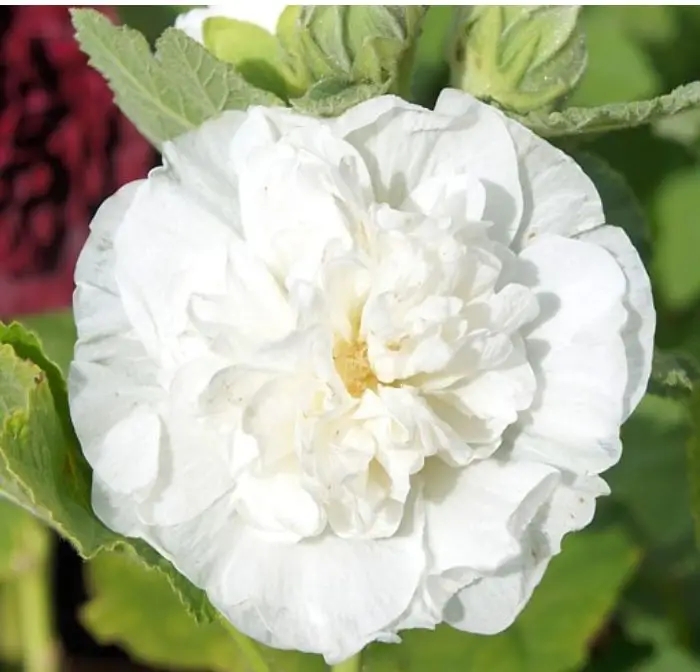
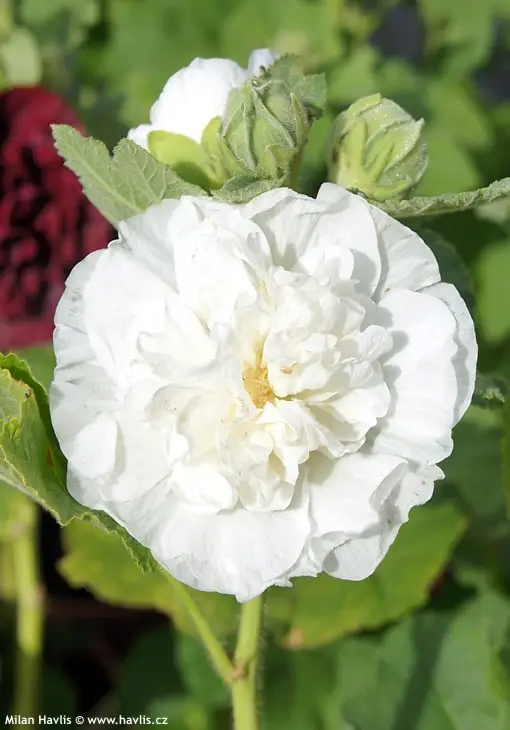
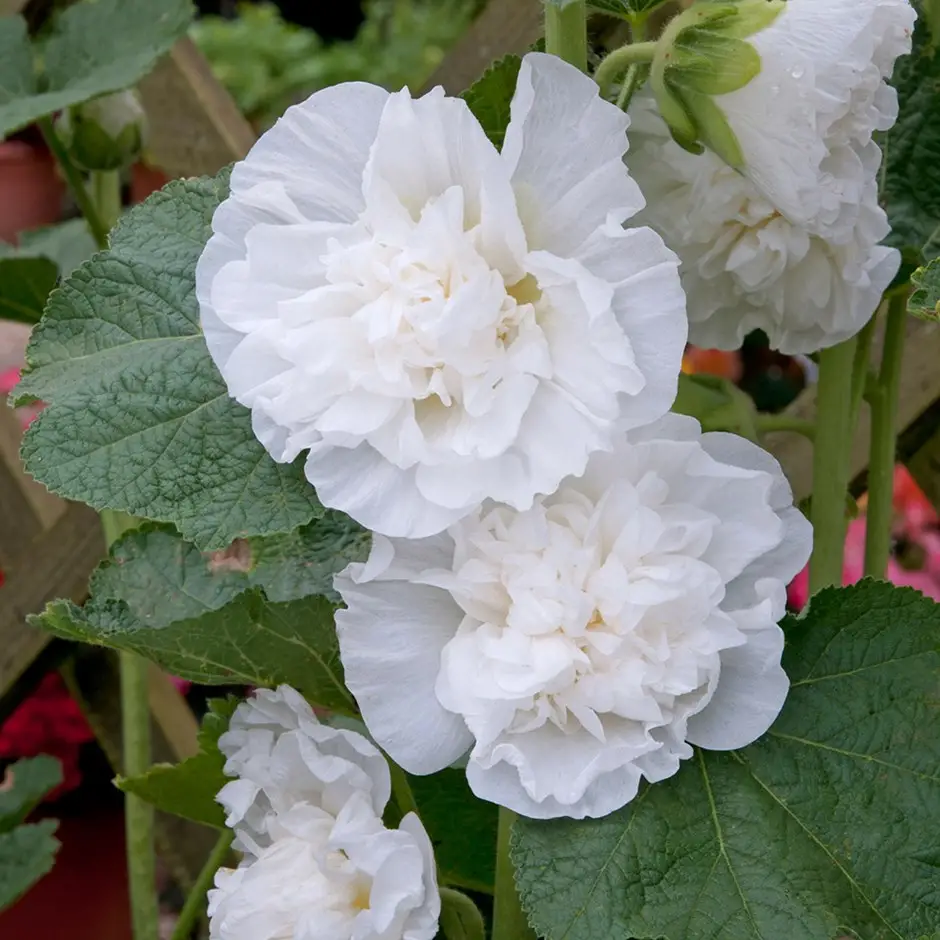
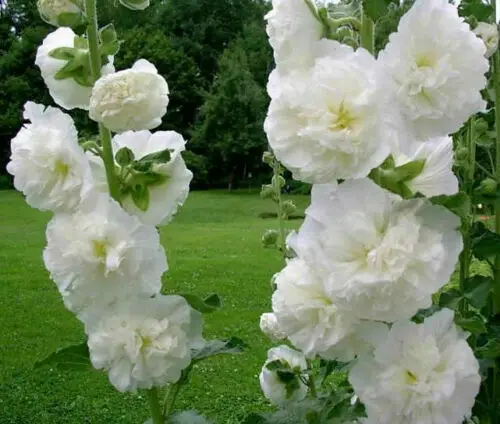
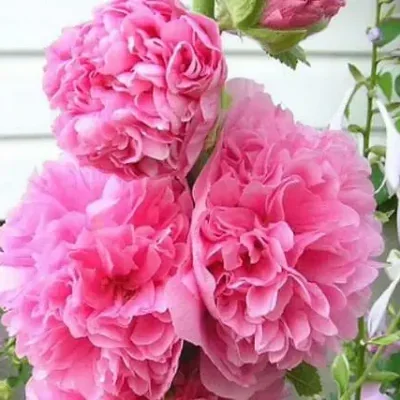
Alcea rosea variety double chaters have been grown in gardens for centuries, their high spikes of silk-textured satin flowers promote a beautiful display and a unique spectacle.
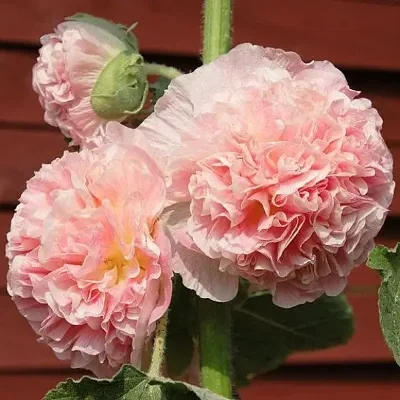
Several variety in mauve were planted in the gardens at Monticello by Thomas Jefferson in 1629; traditional and outrageously beautiful. A must for historic gardens,
Edible flowers are used in the preparation of salads and ornamentation of various dishes, as well as in the preparation of tea or as a coloring agent for other foods.
It prefers its planting in a place that receives direct solar illumination, however, in the hottest regions should be planted in a place that receives solar protection in the hottest hours of the day.
The species is biennial, but usually treated as perennial because once established form colonies by self seeding.
Very fast growth and possibly flourishes in its first year in cultivation.
Huge, velvety flowers present us with simply fantastic scenery and bring close to the constant visit of butterflies and hummingbirds.
Very much traveled by landscapers the world outside in massive and as surround high walls and walls.
In the culinary the flowers of this cultivar are very appreciated when crystallized for decoration of cakes or in the preparation of delicately flavored syrups for puddings.
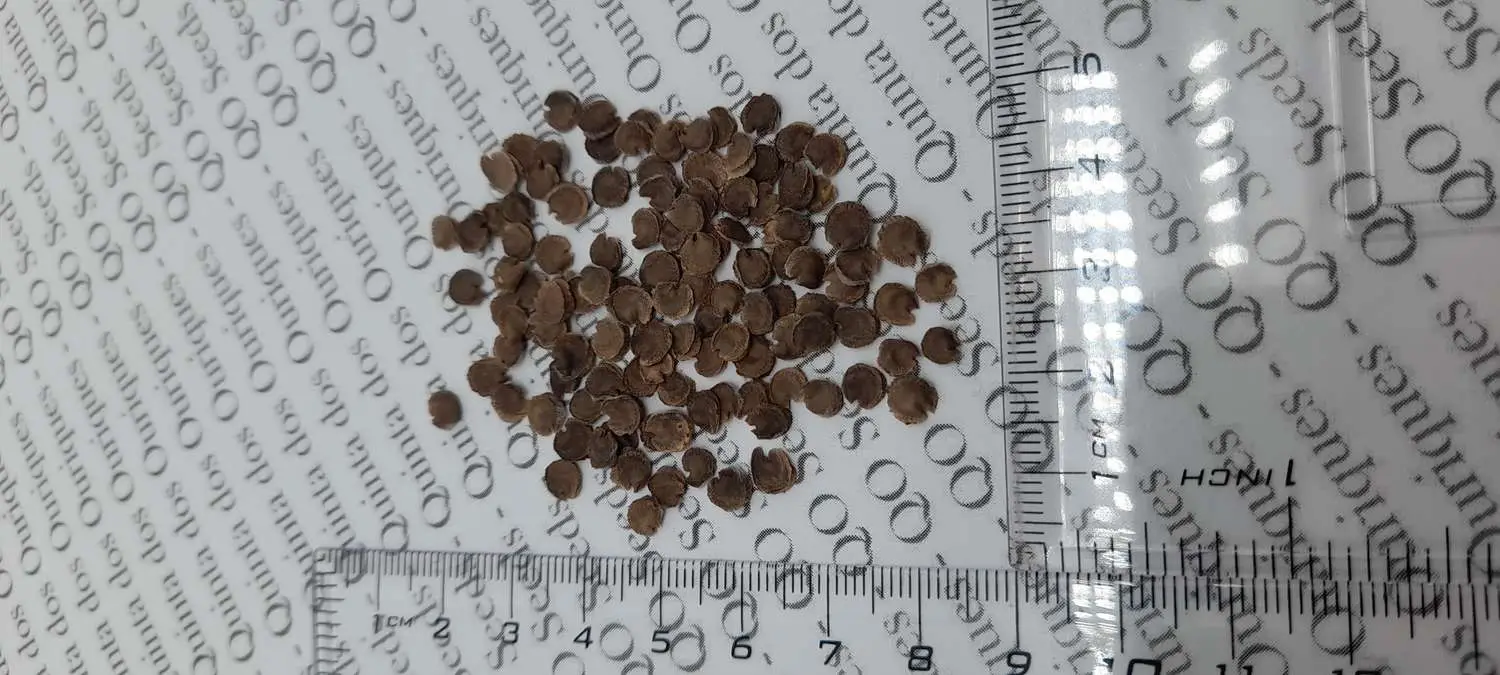
Seeds very fresh, in appropriate conditions, germinating between 20 to 40 days.
Germination Guide
🌍 Asia and Europe, specifically southwestern China
Easy
Alcea rosea 'Chater's Double White', commonly known as Hollyhock, is a classic biennial or short-lived perennial flowering plant originating from southwestern China that has been cultivated in gardens since the 15th century. This variety produces large, fully double white pompom-like flowers on tall, elegant spikes reaching 6-8 feet in height. Germination is straightforward and reliable, typically occurring within 10-28 days when seeds are provided adequate light, consistent moisture, and appropriate temperatures.
Germination
Germination time
Expect germination in
10 – 28 days
Temperature
Min 15°C
Ideal 18°C
Max 22°C
🌡️ Temperature alternation recommended
— Some growers recommend 35-40°F for 10 days, then 65-70°F for enhanced germination
Substrate moisture
💧 Medium
Sowing depth
Lightly covered
Substrate & Container
Recommended substrate
Well-drained seed compost, peat, or coir-based medium
Recommended container
Seed trays, pots, or peat pots with humidity dome
Growing Tips
Sow seeds indoors 6-8 weeks before the last frost date for first-year flowering, or directly outdoors in late spring/early summer for blooms the following year. Press seeds lightly into soil surface as light is essential for germination—do not cover completely. Maintain temperatures of 60-70°F (15-21°C) and keep substrate consistently moist until germination. Provide bright light and good air circulation. Once seedlings have true leaves, transplant into individual pots or cells. Space plants 18-24 inches apart when planting outdoors. Ensure good drainage to prevent fungal issues, particularly rust. These hardy plants thrive in full sun with well-drained, fertile soil and easily self-seed in subsequent years.
Only logged in customers who have purchased this product may leave a review.


Reviews
There are no reviews yet.