
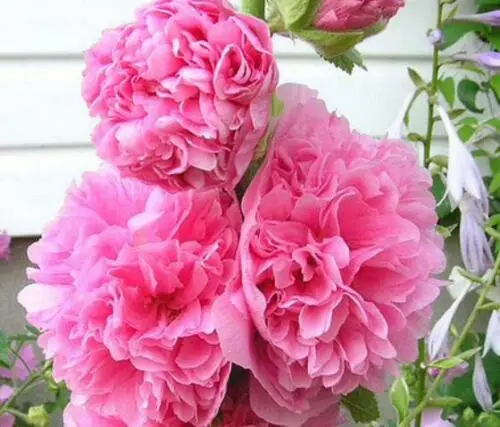
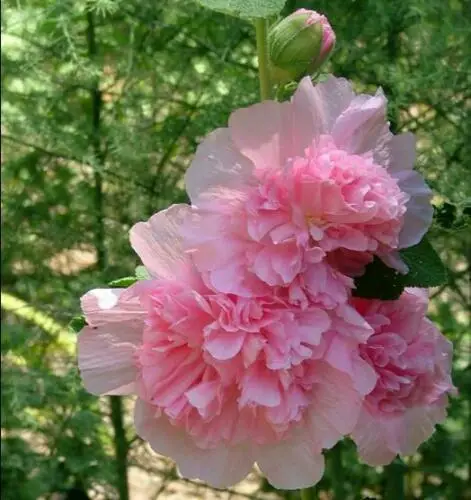
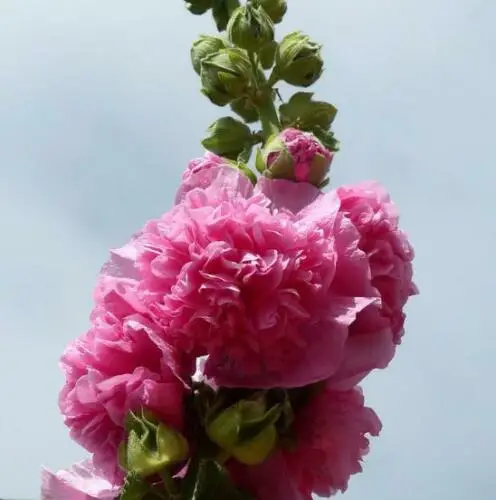
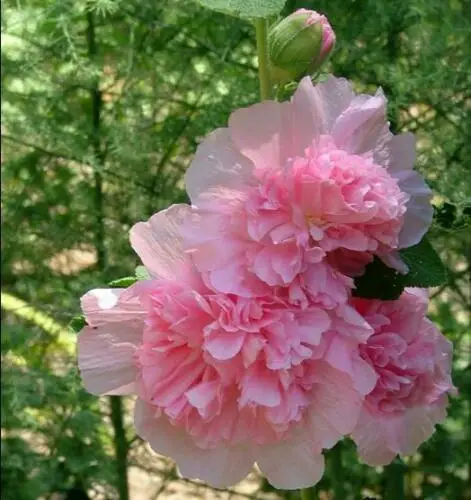
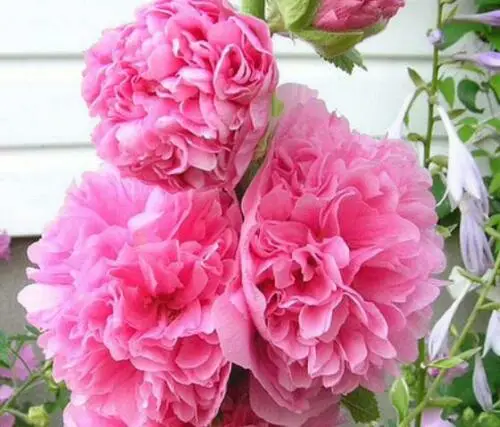
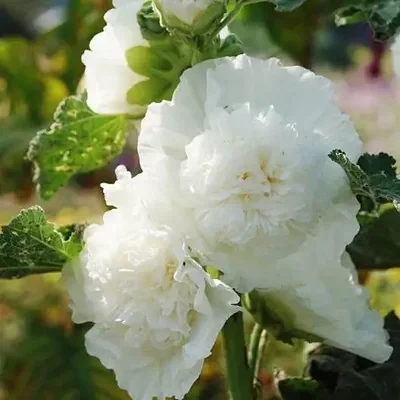
Grow towering stems of the most lush, ruffled double rose-pink blooms—each flower a velvety pom-pom bursting with romance. Since the 1880s, Chater’s Double has been the gold standard for cutting gardens. Eight-foot spires bloom mid-summer through fall, lasting 7-10 days in the vase. Easy from seed, these biennials self-sow year after year.
€1.92
Imagine: six-foot spires lined entirely with luxurious, fully double blooms that look like tiny velvet roses clustered along the stem—this is Alcea rosea ‘Chater’s Double Rose Pink,’ the romantic showstopper that will stop every visitor to your garden mid-breath.
This is no modern invention. Originating in Asia and brought to Europe centuries ago, this cultivar was perfected in the 1880s by the English horticulturist Chater of Essex, who painstakingly bred the double-flowered form we treasure today. It remains one of the most iconic and beloved garden plants in the world, a living link to Victorian cottage gardens and the genteel traditions of cutting gardens everywhere. The rose-pink flowers—neither fully red nor pale blush, but a sophisticated, dusty rose that photographs beautifully—are truly distinctive among hollyhocks.
But here is where Chater’s Double Rose Pink becomes absolutely indispensable: it is THE classic cut flower for those who understand real floristry. Unlike modern hybrids that fade in days, these blooms have presence. Cut the stalks when the lower flowers begin to open, and each spike will continue to produce fresh florets up the stem for 7–10 days in the vase, a parade of perpetual freshness. Florists and wedding designers prize them for bridal bouquets, ceremony backdrops, and cottage-style arrangements. The ruffled, fully double petals create the texture that modern cultivars simply cannot match. Beyond cutting, these flowers are edible and have been used for centuries in traditional medicine to soothe coughs, calm inflammation, and support digestive comfort. The petals can garnish desserts or be crystallized for cake decoration. Historically, they’ve been used to create natural dyes ranging from delicate pink to deep purple—a forgotten art worth rediscovering.
Cultivation is surprisingly forgiving. Plant in full sun (at least 6 hours daily) in well-drained, fertile soil—these beauties are happy in loam, clay, or sandy earth. They prefer moist, rich conditions but adapt well once established. Young plants thrive with consistent water; mature plants become fairly drought tolerant. This is a biennial or short-lived perennial, meaning the first year builds roots and foliage, the second year produces those magnificent flower spikes. The magic: they self-seed so readily that once you’ve grown them, they return year after year like old friends. In Zones 2–9, they’re winter hardy. Give them protection from wind (or gentle staking in exposed gardens) and adequate air circulation to prevent rust, and they’ll reward you with abundance.
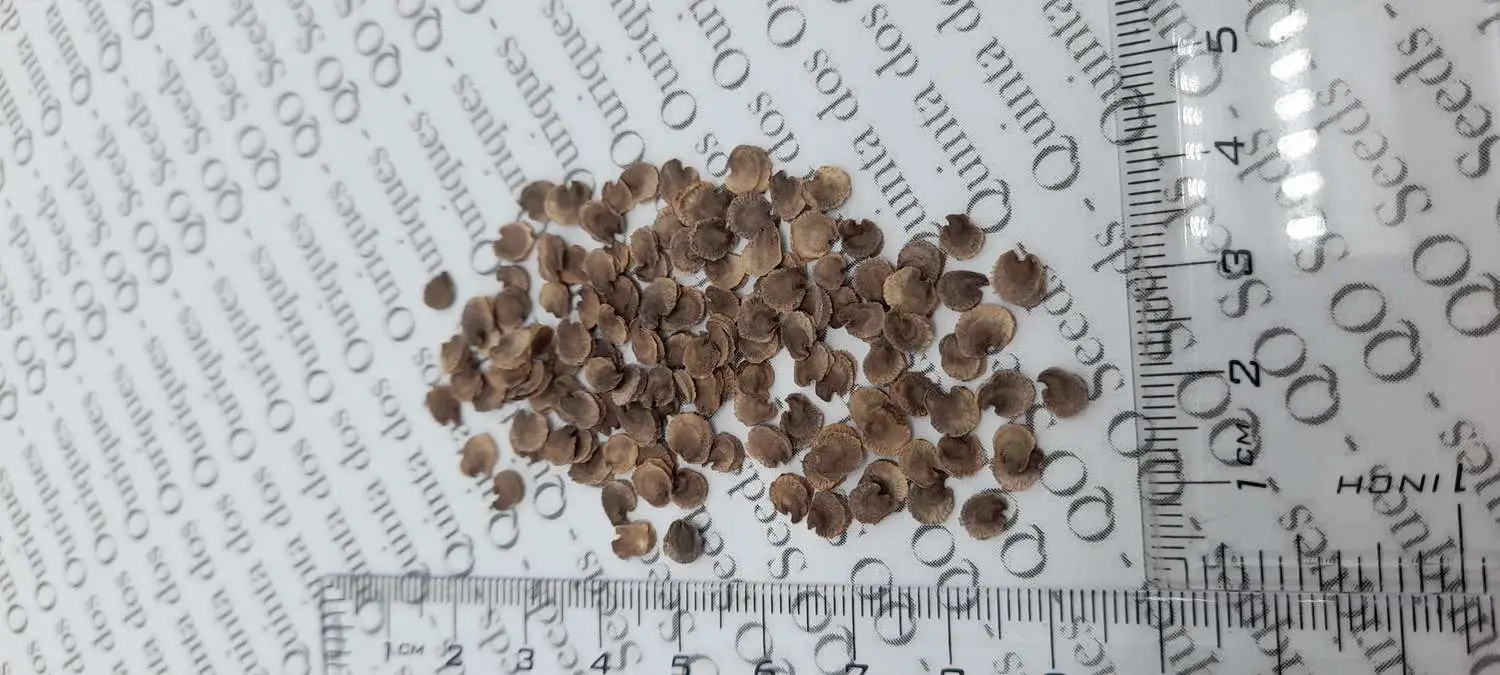
To grow from seed is to participate in a tradition stretching back over a century. Sow indoors 6–8 weeks before your last frost, or direct-sow after danger of frost has passed. The seeds germinate in 10–14 days at 70°F, and within months, you’ll have young rosettes storing energy for next year’s breathtaking display. Once you plant them, they become the tall, elegant anchors of your garden—commanding attention, drawing hummingbirds and bees, providing cutting material that makes even humble wildflower bouquets look sophisticated. This is not just a flower; it’s a living heirloom. Grow it from seed and become part of a centuries-old lineage of gardeners who understood that true beauty demands patience, presence, and the kind of grace that only time and tradition can provide.
Only logged in customers who have purchased this product may leave a review.

Reviews
There are no reviews yet.