
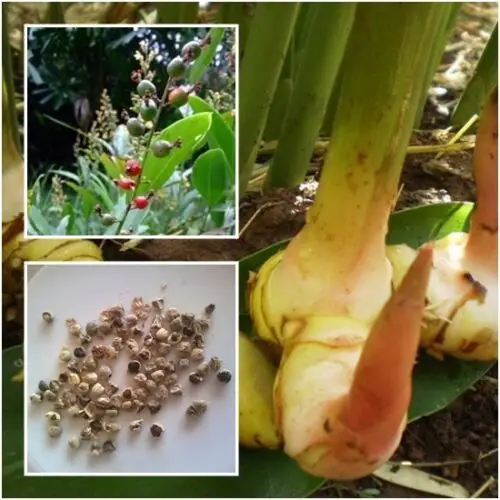
Forget bland homegrown spices. Alpinia galanga grows tall, beautiful, and produces the aromatic rhizome that defines Tom Yum, Thai curry, and countless Southeast Asian dishes you crave. More potent, piney, and complex than regular ginger. This tropical perennial is surprisingly easy to grow in warm zones or containers—plant now, harvest legendary flavor within years. Your kitchen will never be the same.
€2.46
Alpinia galanga is not just another rhizome in the ginger family—it’s a living culinary legend that transforms your kitchen into a Thai restaurant. If you’ve ever tasted a perfectly balanced Tom Yum soup or authentic Thai curry paste, you’ve tasted the unmistakable, irreplaceable signature of greater galangal. This is the spice that separates pretenders from authentic Southeast Asian cuisine—and now you can grow it from seed.
Native to Indonesia, Thailand, and throughout the tropical Southeast Asian heartland, galangal has been cultivated for centuries as both a sacred culinary ingredient and a powerful medicinal herb. Medieval European merchants paid premium prices for dried galangal, which Hildegard of Bingen herself called a tonic for vitality. Today it remains a cornerstone of Thai and Indonesian identity, deeply woven into their culinary soul. While many “exotic” spices fade with time, galangal has only grown in reverence—and in demand.
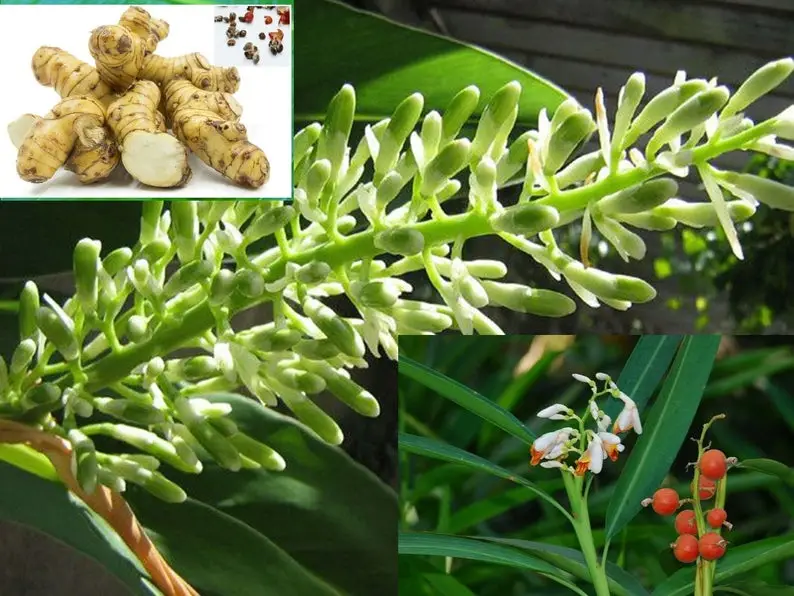
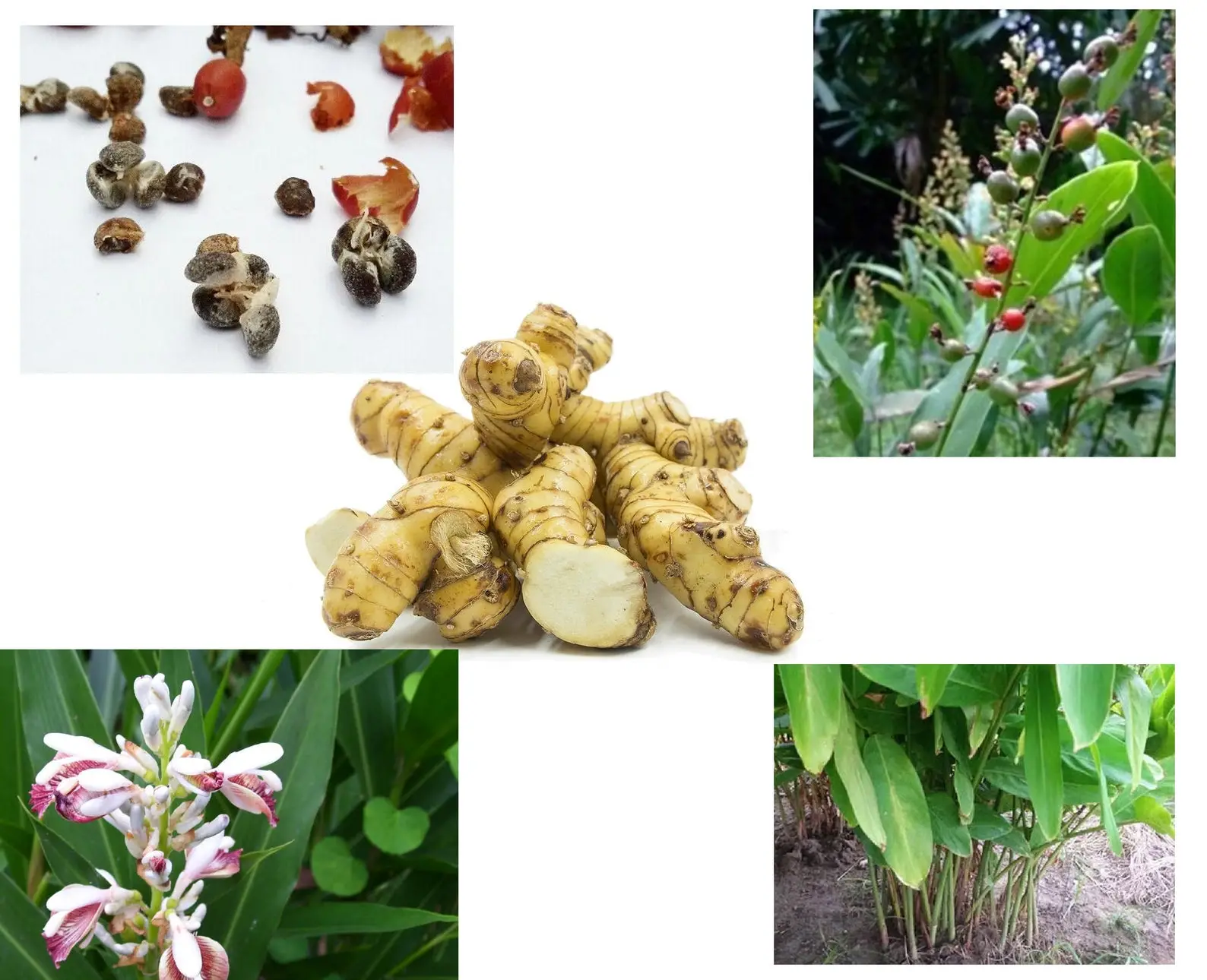
Here’s what makes galangal so prized: the rhizome. Unlike common ginger, which tastes hot and simple, galangal delivers a sophisticated, layered flavor profile—piney, citrusy, slightly peppery, with a hint of camphor that makes your palate sing. When you slice fresh rhizomes into Thai curries or Tom Yum soup, you’re not adding “a spice.” You’re adding an entire dimension of flavor that cannot be replicated by dried imports or weak substitutes. The rhizome is knobbly, reddish-brown to pale yellow inside, firm and aromatic. Just crushing a piece releases an aroma that smells of pine forests, fresh citrus, and earth. This is culinary alchemy—and it grows in your soil. Beyond the kitchen, galangal carries serious medicinal firepower: anti-inflammatory, antimicrobial, carminative (soothing digestion), and full of flavonoids and phenolic compounds that support wellness. Centuries of traditional use in Ayurveda and Chinese medicine speak to its power to ease indigestion, respiratory issues, and inflammation. Many growers and cooks report that fresh galangal—with its full spectrum of volatile oils and bioactives—works far more effectively than dried versions from import warehouses.
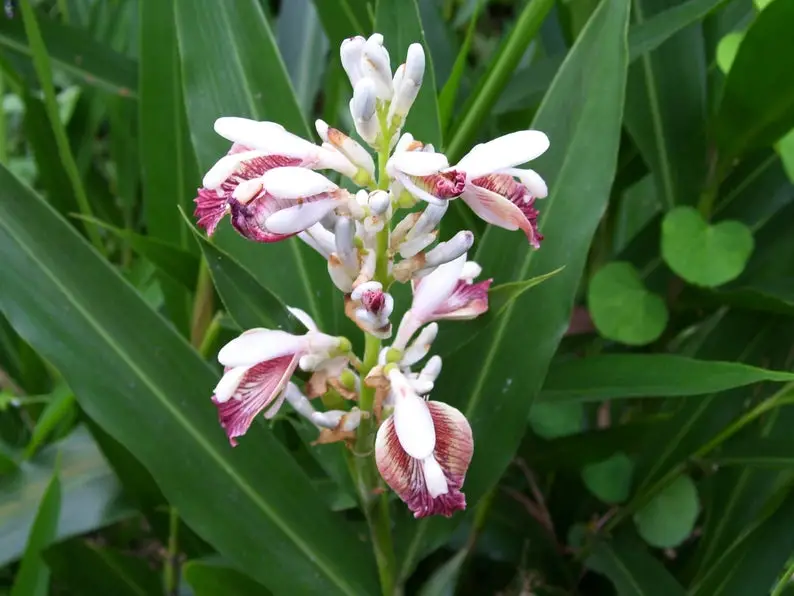
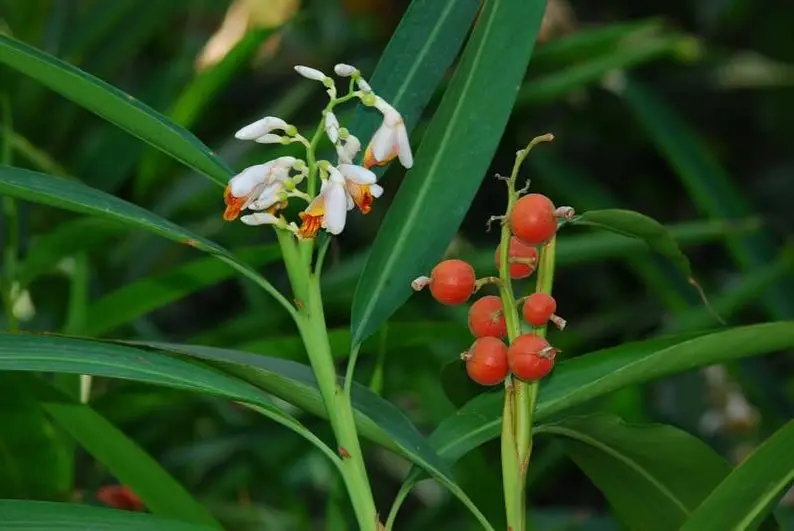
Growing galangal is entirely within reach, even for gardeners new to tropical herbs. This is a tropical perennial that thrives in USDA zones 9–11, but it can be grown in containers anywhere and brought indoors through cold winters. Provide warm temperatures (ideally 27–32°C, but tolerates 20–36°C), consistent moisture in a rich, well-draining loamy soil, and either full sun or partial shade—it’s forgiving on light. The plant itself is a visual reward: tall, upright pseudostems reaching 5–6 feet, with bold lance-shaped glossy green leaves that form dense, tropical clumps. In summer and autumn, it crowns itself with delicate white flowers streaked with red, followed by small red berries. Even ornamentally, it’s stunning. Young shoots emerge roughly one week after planting, and within 4 weeks, you’ll have 2–3 leaves sprouting. Full rhizome harvest takes patience—4–6 years—but the wait is rewarded with thick, mature rhizomes bursting with flavor and medicinal compounds. (Pro tip: red cultivars are traditionally medicinal; white cultivars are primarily culinary, though both work in both applications.)
Imagine reaching into your own garden, digging up a rhizome you grew yourself, and creating an authentic Tom Kha Gai or Thai red curry that makes everyone at your table pause and ask, “Where did you learn to cook like this?” That moment—when someone realizes you’re using fresh, homegrown galangal—is worth every moment of patience. This isn’t just a plant. It’s a passport to the flavors of Thailand, a wellness ally rooted in centuries of tradition, and a statement that you refuse to settle for supermarket substitutes. Grow Alpinia galanga from seed. Your kitchen—and your palate—will thank you.
Only logged in customers who have purchased this product may leave a review.


Reviews
There are no reviews yet.