FREE SHIPPING OVER €30 FREE SHIPPING OVER €30

Trichosanthes tricuspidata — Red Indrayan | Ancient Healer in Glowing Scarlet Fruit

Unlock centuries of Asian medicinal wisdom with the Red Indrayan—a vigorous jungle vine bearing jewel-like scarlet fruits treasured in traditional Ayurveda and Chinese medicine. Rich in bioactive compounds with documented antioxidant and anti-inflammatory power, this plant offers both ornamental drama (stunning white fringed flowers, glossy lobed leaves) and serious herbal potential. Grows readily as a warm-season annual with simple care: trellis support,

2.00

SKU: P-2182 Categories: , Tags: , ,

You May Also Like

Description

Trichosanthes tricuspidata is one of Asia’s best-kept botanical secrets—a powerful medicinal vine wrapped in stunning ornamental beauty.

Native to the Himalayan forests and Southeast Asian tropics from Myanmar to Malaysia, Indonesia, and beyond, the Red Indrayan (also called Bitter Snake Gourd or Redball Gourd) has earned reverence across cultures as a multifaceted healer. For centuries, traditional practitioners in India, China, and across Southeast Asia have turned to this remarkable plant, integrating it into Ayurvedic, Siddha, Unani, and traditional Chinese medicine protocols.

**THE HEART OF THIS VINE: SERIOUS MEDICINAL POTENTIAL**

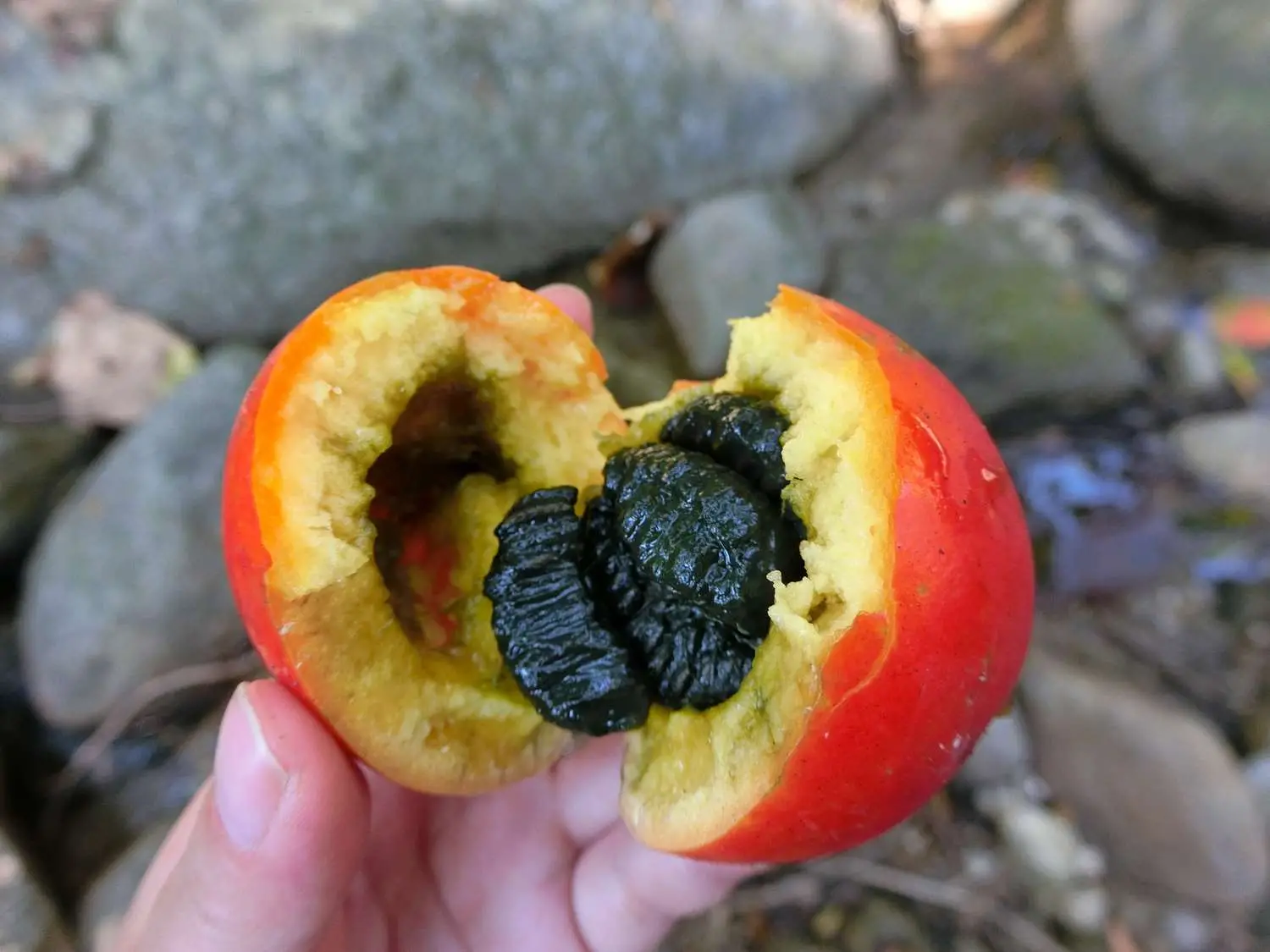
This is where the Red Indrayan transforms from pretty vine into genuine plant medicine. Scientific research validates what traditional healers have always known: Trichosanthes tricuspidata fruit, seeds, leaves, flowers, and roots are biochemical powerhouses. The fruit alone contains rare bioactive compounds including cucurbitacins with documented cytotoxic properties—compounds now being studied for their anti-cancer potential against human tumor cell lines. Beyond oncology, the plant demonstrates robust antioxidant, anticancer, antibacterial, antifungal, and gastroprotective activities. Traditional uses span a stunning range: pain relief (root oil as traditional painkiller), asthma management, fever reduction, inflammation control, snakebite treatment (leaf paste has shown tissue-protective properties), and phlegm clearance. The leaves and stems contain cucurbitane saponins—powerful plant compounds with their own therapeutic significance. In traditional contexts, ripe fruit consumption addresses asthma and earache; the cooked fruit and seeds carry carminative and purgative properties. This is a plant worth cultivating not as ornament alone, but as a living medicine cabinet—one whose potential modern science is only beginning to understand.

**ORNAMENTAL SPECTACLE TO MATCH THE MEDICINE**

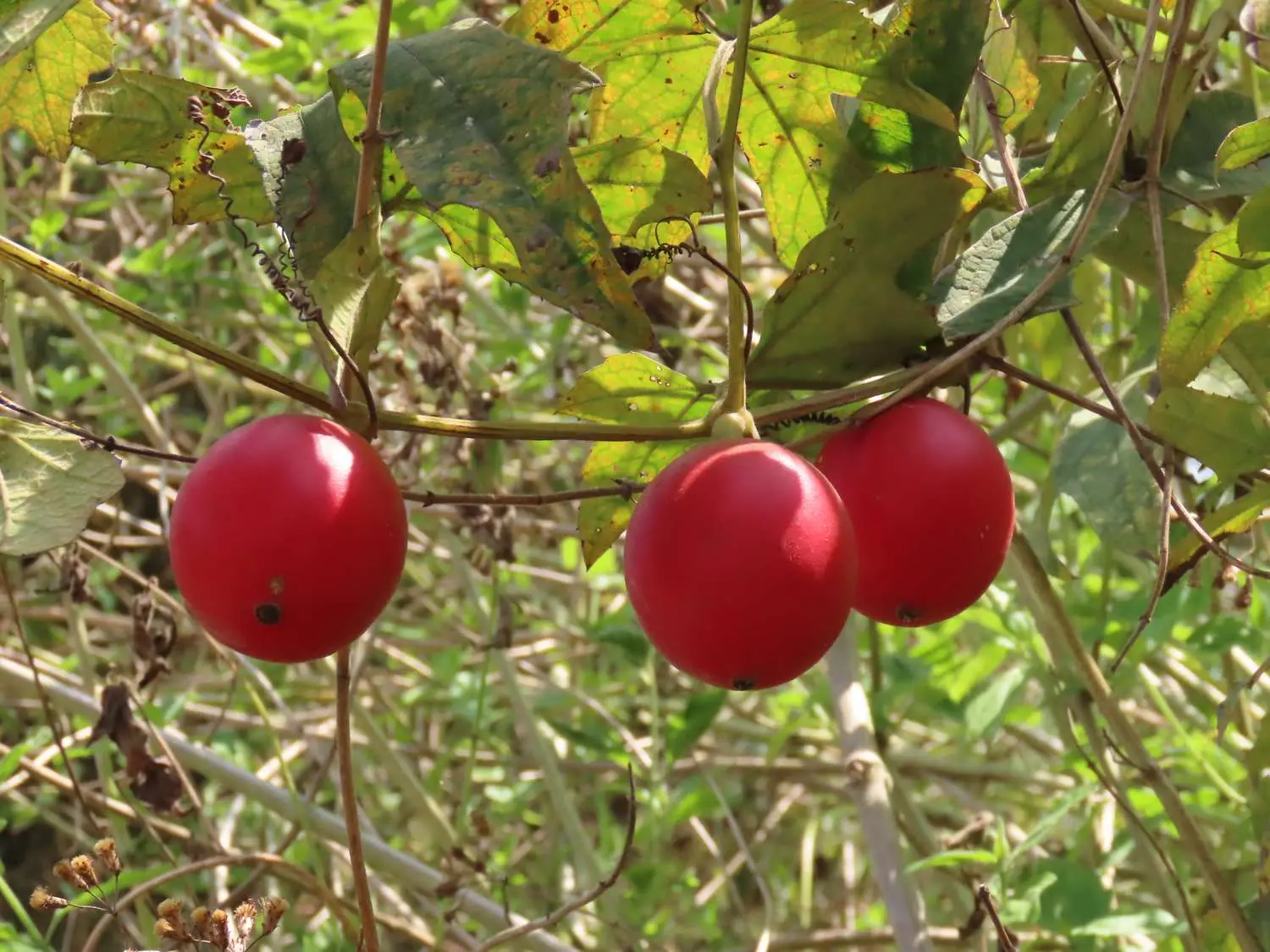
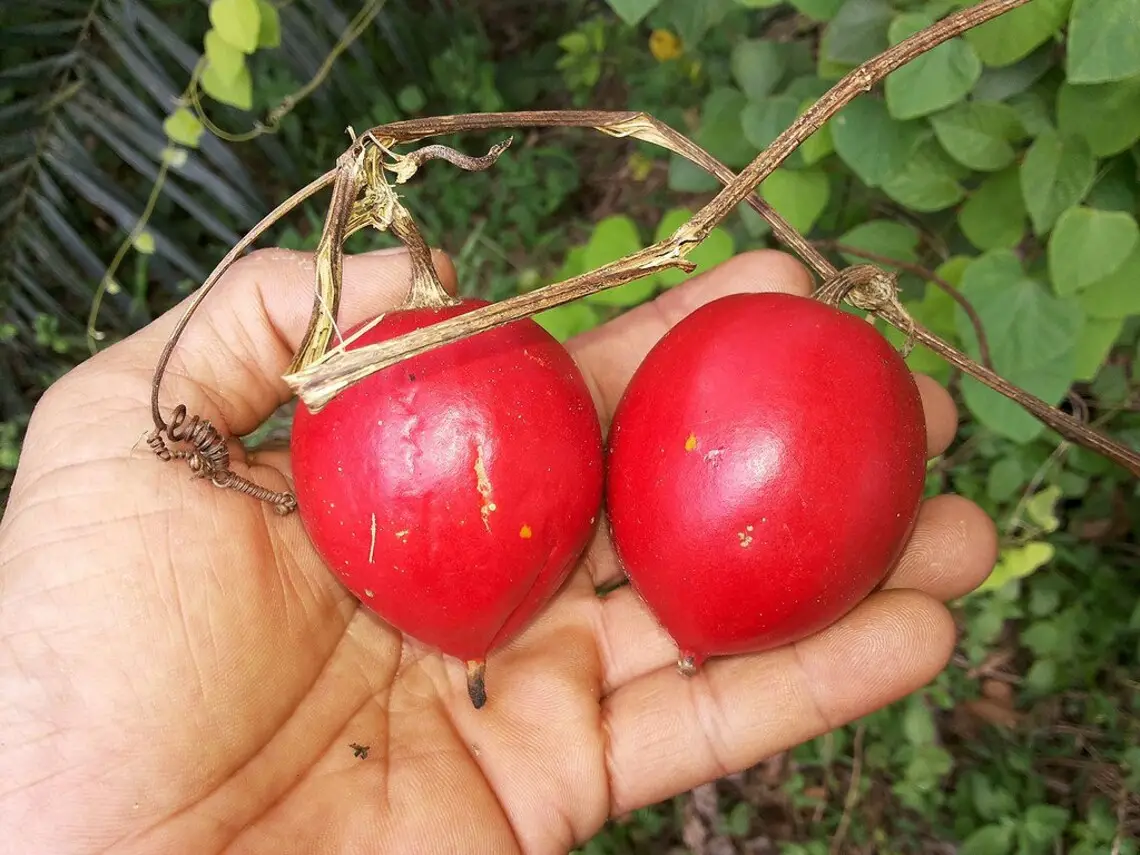
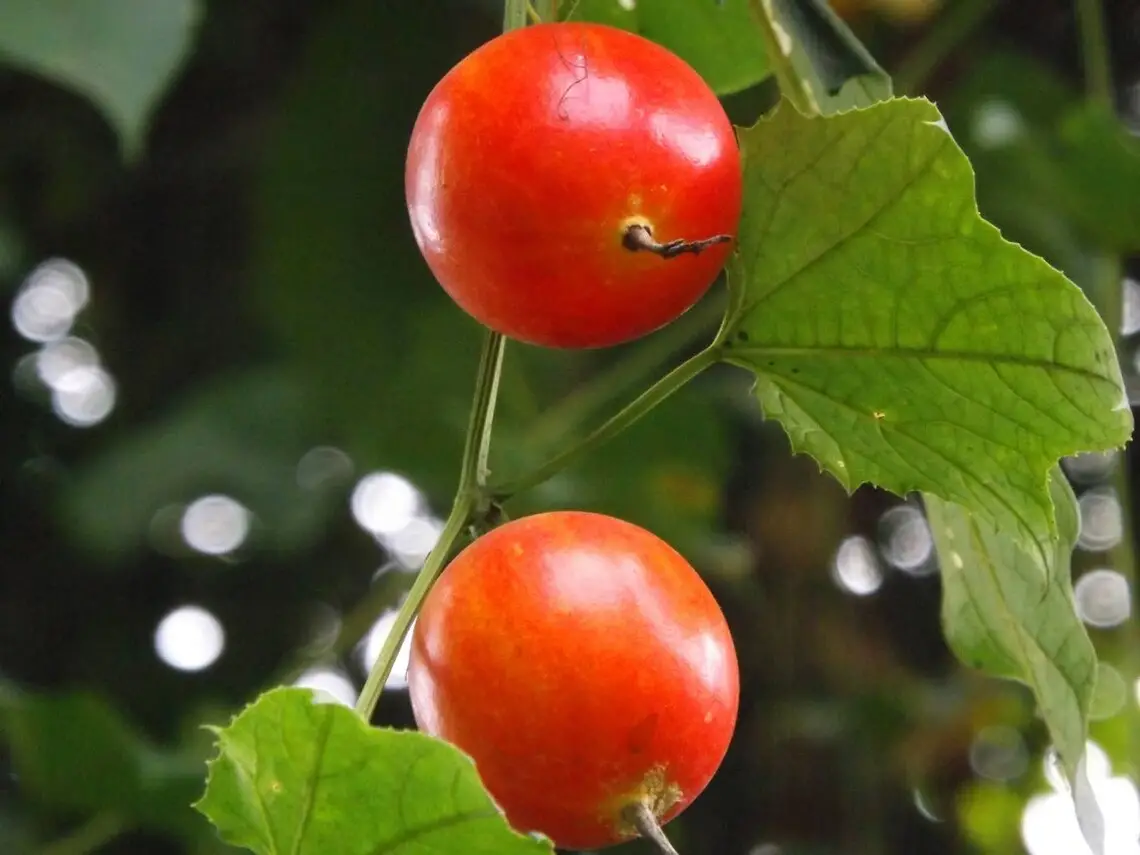
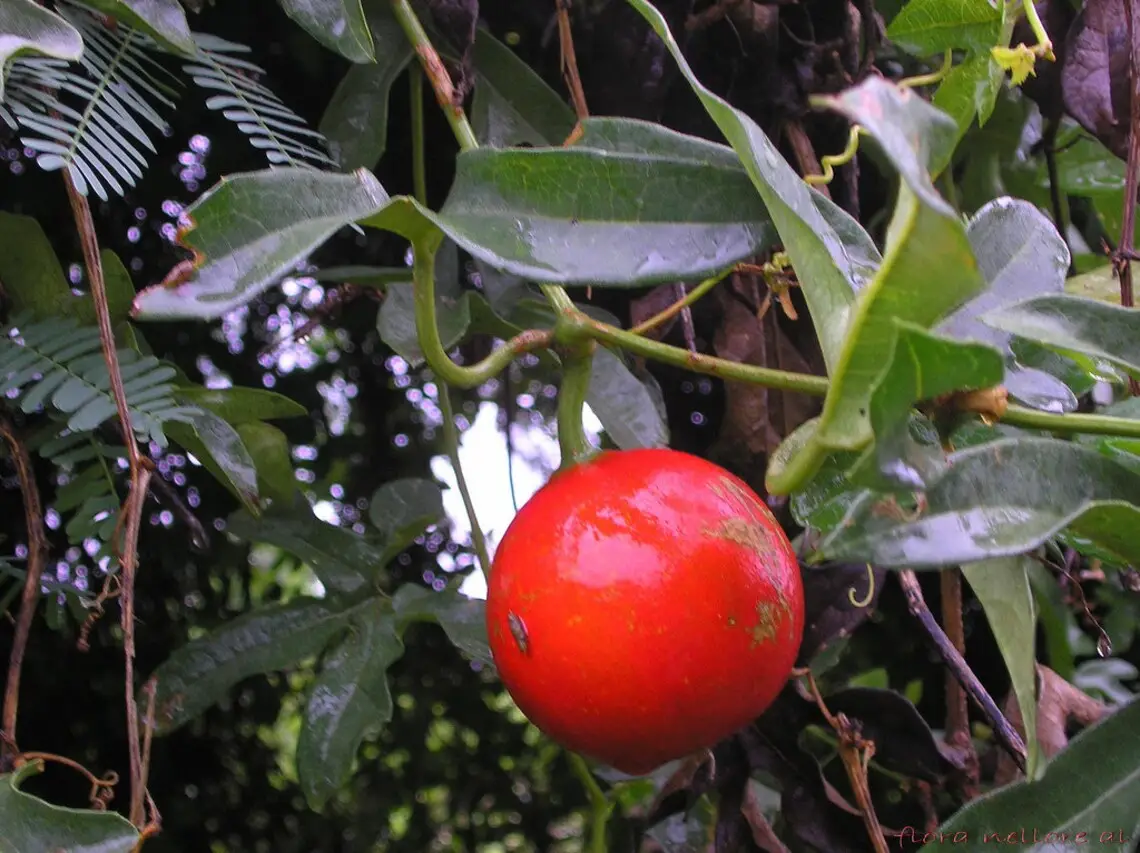
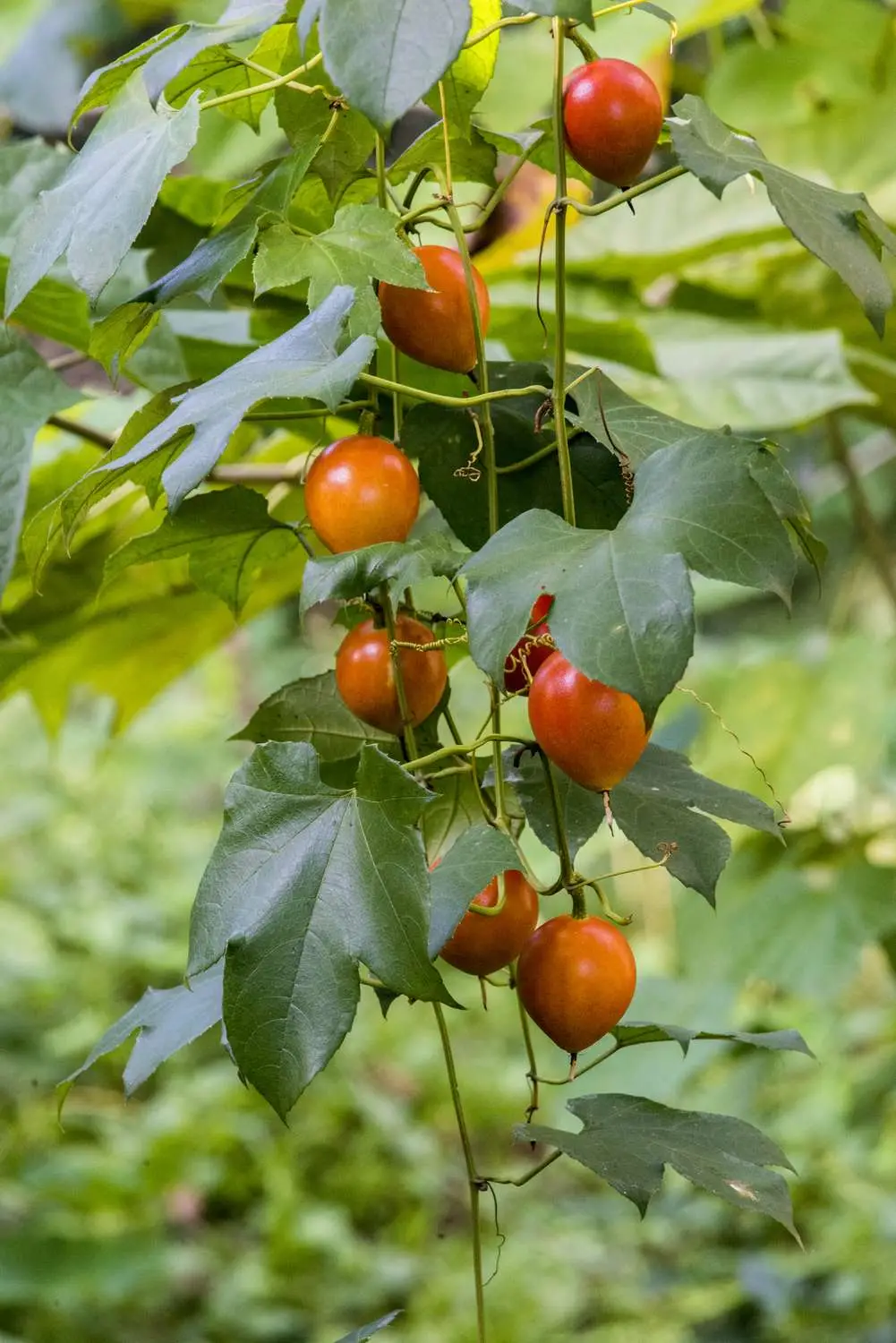
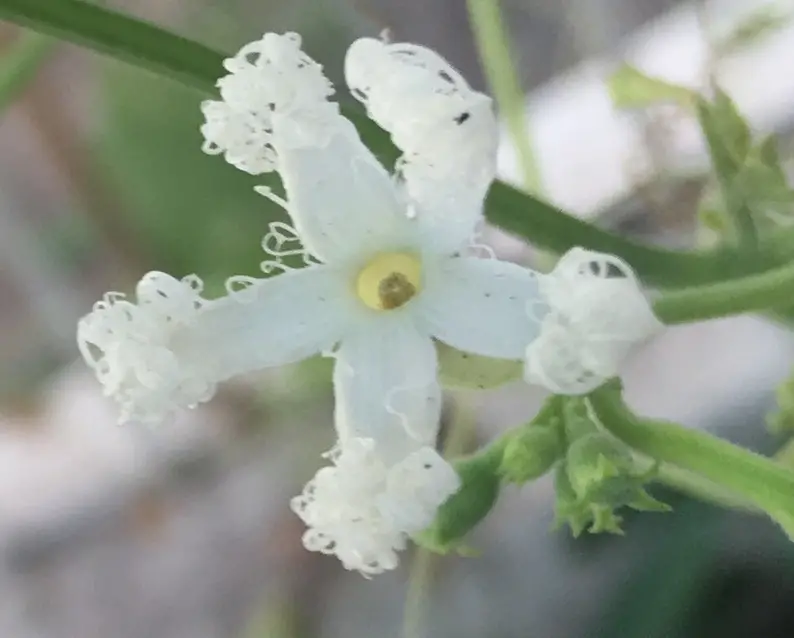
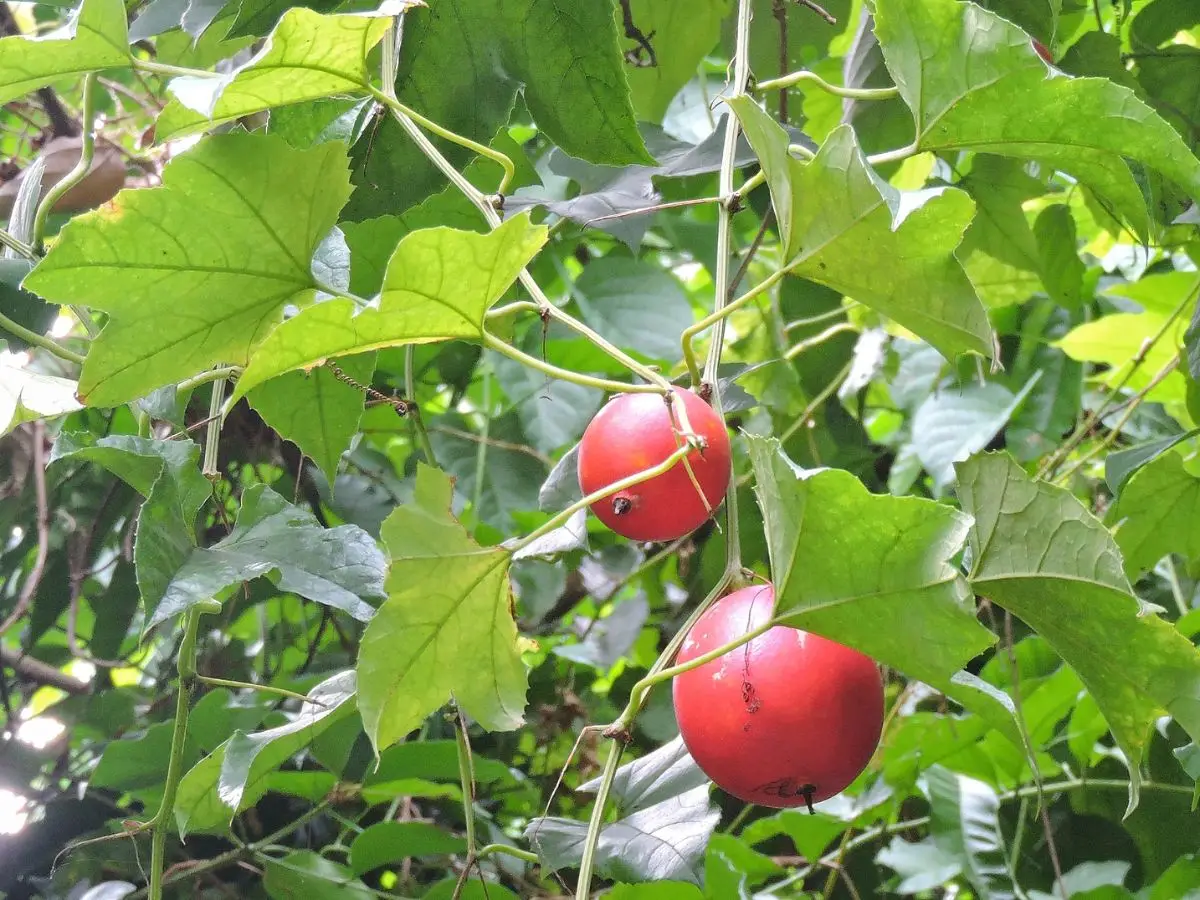
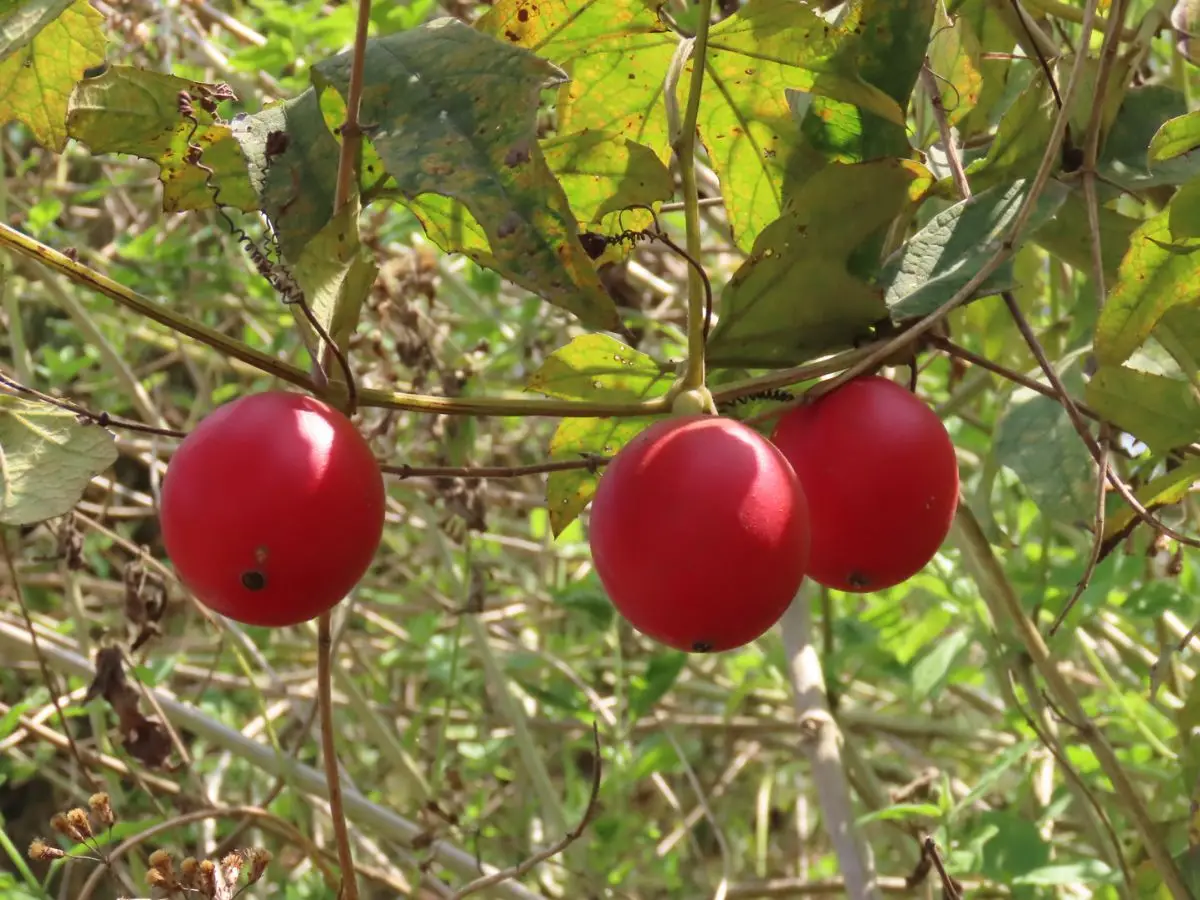
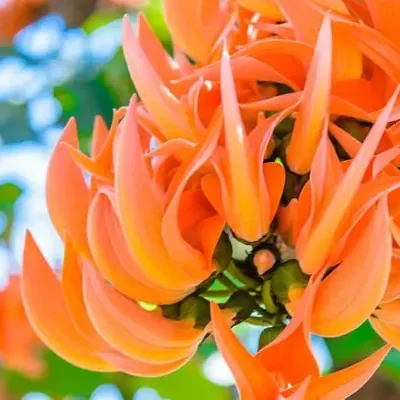
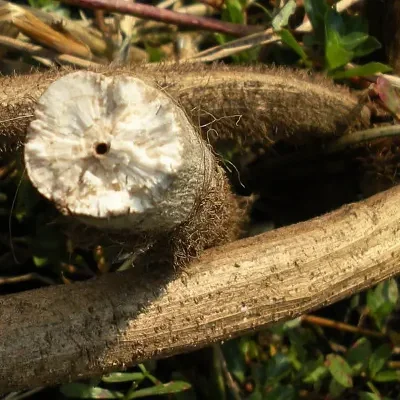
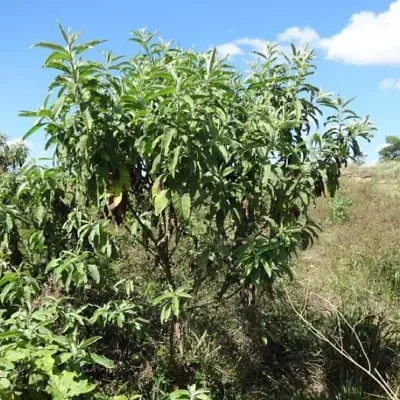
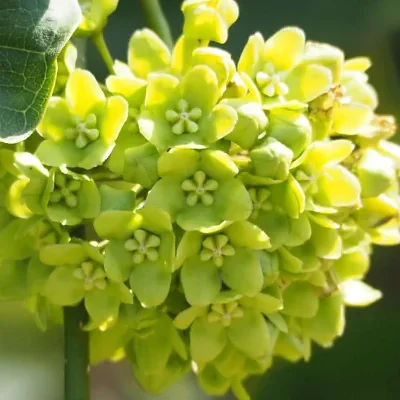
Nature rarely pairs deep function with such visual drama, yet the Red Indrayan delivers both. The vine grows as a woody, tendriled climber to 20 meters in its native habitat—commanding presence and architectural presence in any space. Heart-shaped, deeply palmately lobed leaves (5-12 cm across) create lush, textured green architecture. But the flowers are the real show: white blossoms with distinctive frilly, wedge-shaped petals, nocturnal and fragrant, blooming in generous clusters (5-10 flowers per raceme) from May through April. These perfumed night bloomers attract moths and bats—pure garden magic. Then come the jewels: spherical fruits (4-5 cm across) that ripen to brilliant red, streaked with glowing orange lines. These glowing orbs cling to the vine for weeks, delivering visual impact that rivals any ornamental gourd.

**GROWING THE RED INDRAYAN: STRAIGHTFORWARD AND REWARDING**

Despite its medicinal sophistication and tropical origins, this vine is surprisingly grower-friendly. Treat it as a warm-season annual (it thrives in all USDA hardiness zones when grown this way). Start seeds indoors with overnight soaking to soften the seed coat—this simple step dramatically improves germination rates. Provide a warm, humid environment (75-85°F ideal) with bright light. Once established, the Red Indrayan asks for modest attention: a sturdy trellis or arbor (the vine grows vigorously and fruit adds real weight), warm temperatures year-round, high humidity when possible, well-drained soil enriched with organic matter, and consistent moisture during growth. Full sun yields the most flowers and heaviest fruit set, though it tolerates part shade. In optimal conditions, it flowers prolifically and fruits abundantly—rewarding your patience with medical-grade bounty and ornamental glory.

**YOUR CHANCE TO GROW ANCIENT WISDOM**

How often do you get to cultivate a plant that blends cutting-edge phytochemical research with centuries of verified traditional use? To grow something that heals AND dazzles? The Red Indrayan

Germination Guide

🌍 Southeast Asia including Andaman Islands, Borneo, Cambodia, Indonesia, Java, Laos, Lesser Sunda Islands, Malaysia, Myanmar, Nicobar Islands, Sulawesi, Thailand, Vietnam
Moderate

Trichosanthes tricuspidata is a climbing vine in the Cucurbitaceae family, valued for edible fruits and traditional medicinal uses across tropical Asia

Germination
Germination time
Expect germination in

7 – 14 days

Temperature

Min 24°C
Ideal 30°C
Max 29°C

Light
☀️ Light required

Substrate moisture
💧💧 High

Sowing depth
Lightly covered

Germination rate
60 %


Seed Pre-treatment
  • 💧

    Soaking — 24 hours
    Soak seeds overnight or for 24 hours in water to increase germination
  • 📋

    Additional notes
    Overnight soaking in water recommended to soften seed coats and increase germination rate

Substrate & Container
Recommended substrate
well-draining seed-starting mix or potting mix with organic matter

Recommended container
seed tray or covered container to create greenhouse effect


Growing Tips
Plant many more seeds than needed due to 60% germination rate. Keep soil moist but not waterlogged. Use bright, warm location for optimal germination. Maintain 75-85°F temperatures and high humidity with covered containers

Reviews

There are no reviews yet.

Only logged in customers who have purchased this product may leave a review.

Related Products