
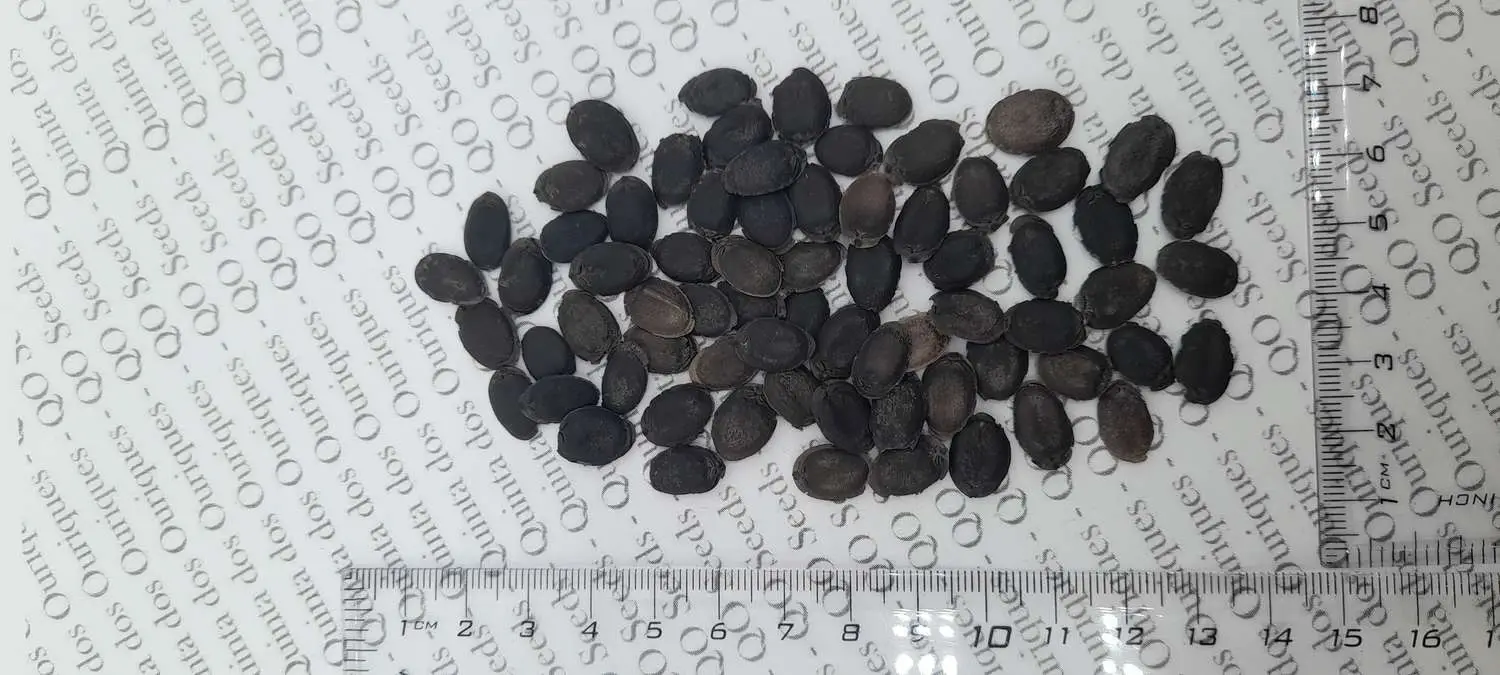
Imagine harvesting your own perfect natural sponges—no plastic, pure fibers. Luffa transforms from innocent green fruit into dried fiber magic. Young plants adore sun and warmth; mature gourds become shower luxuries or kitchen scrubbers that last months. Bonus: immature fruit under six inches long can be prepared and eaten like cucumber, squash or okra, and bright yellow flowers attract bees all summer. Re
€1.92
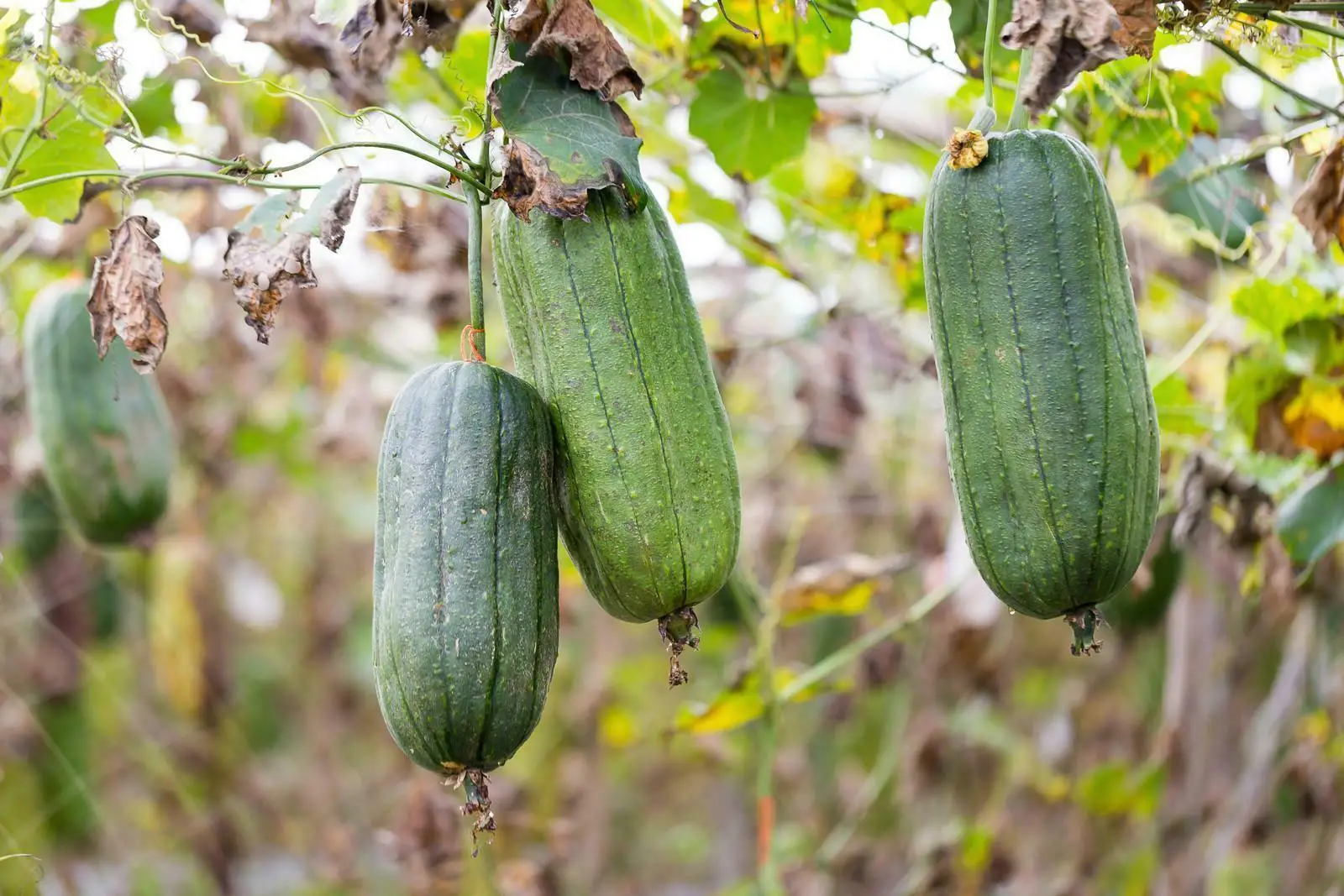
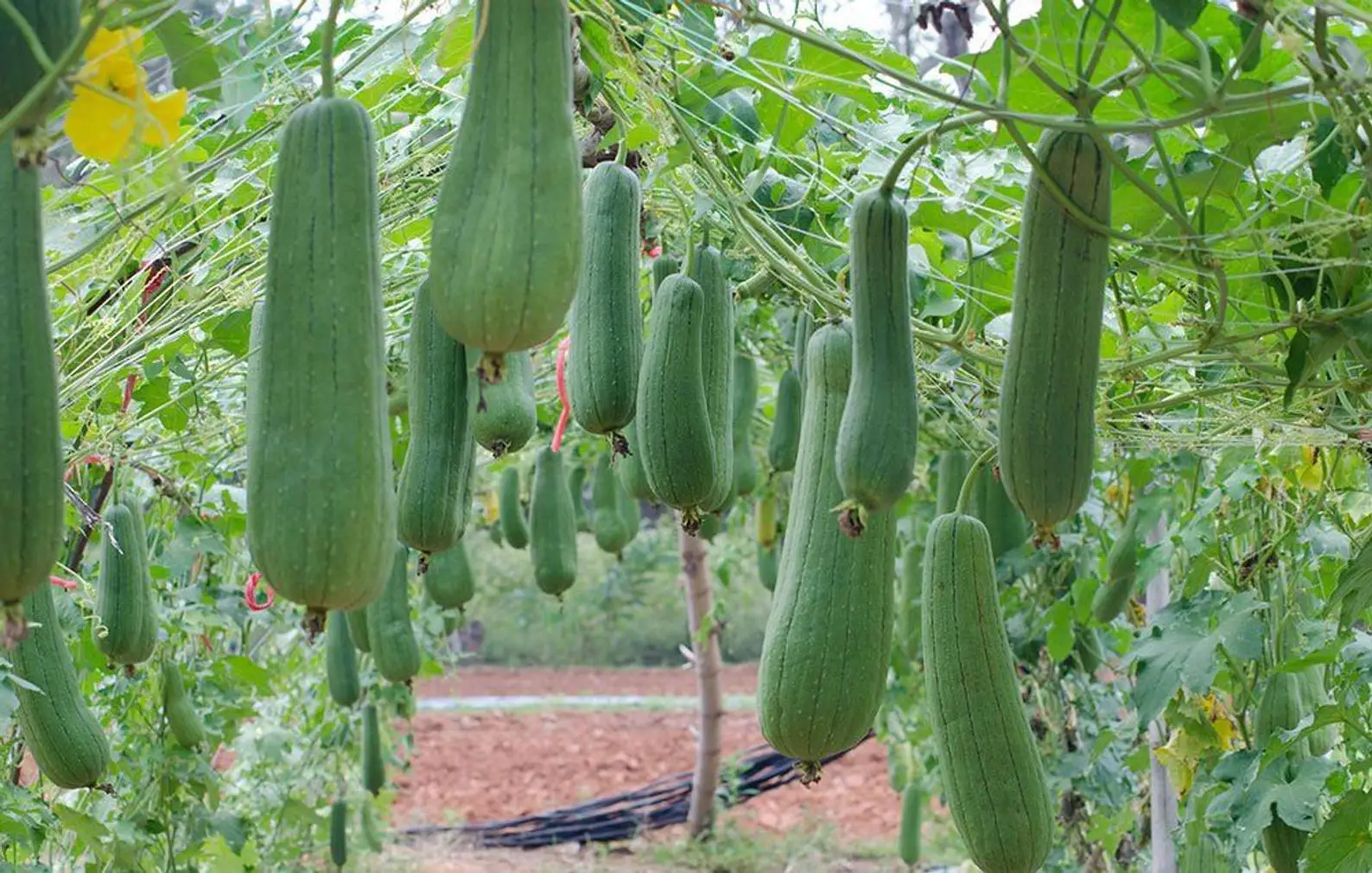
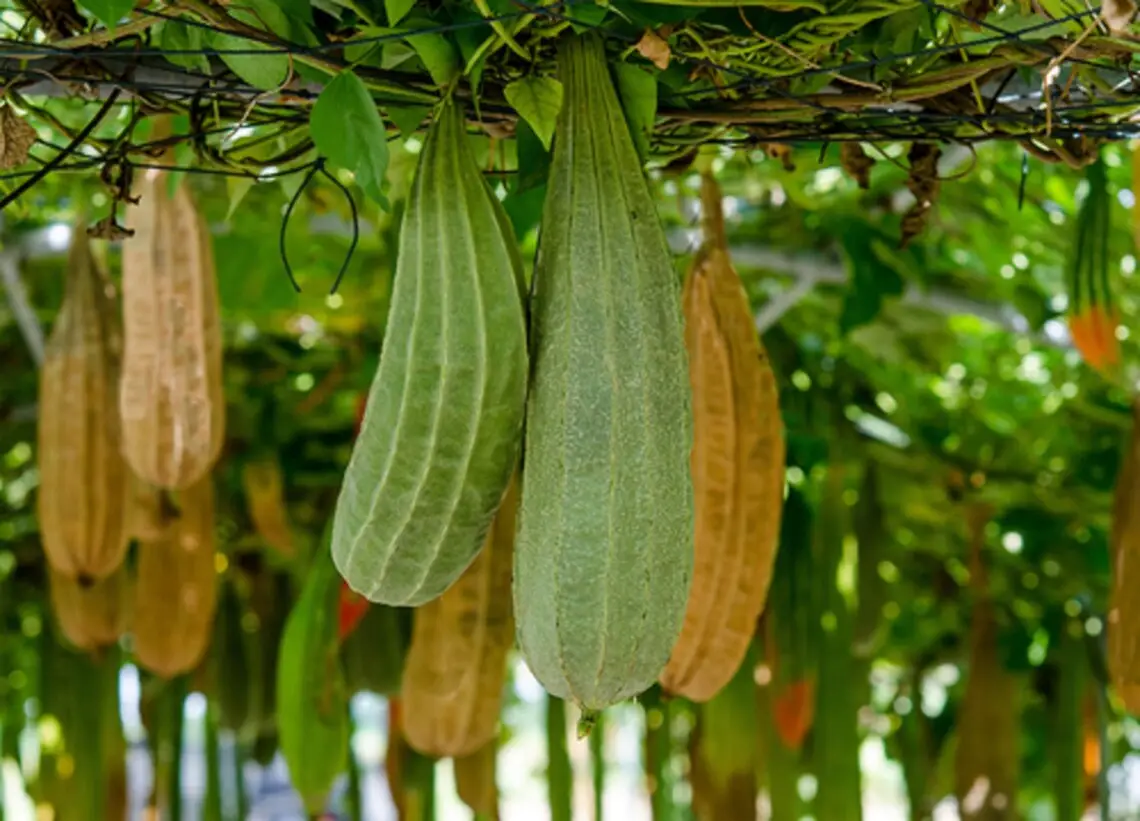
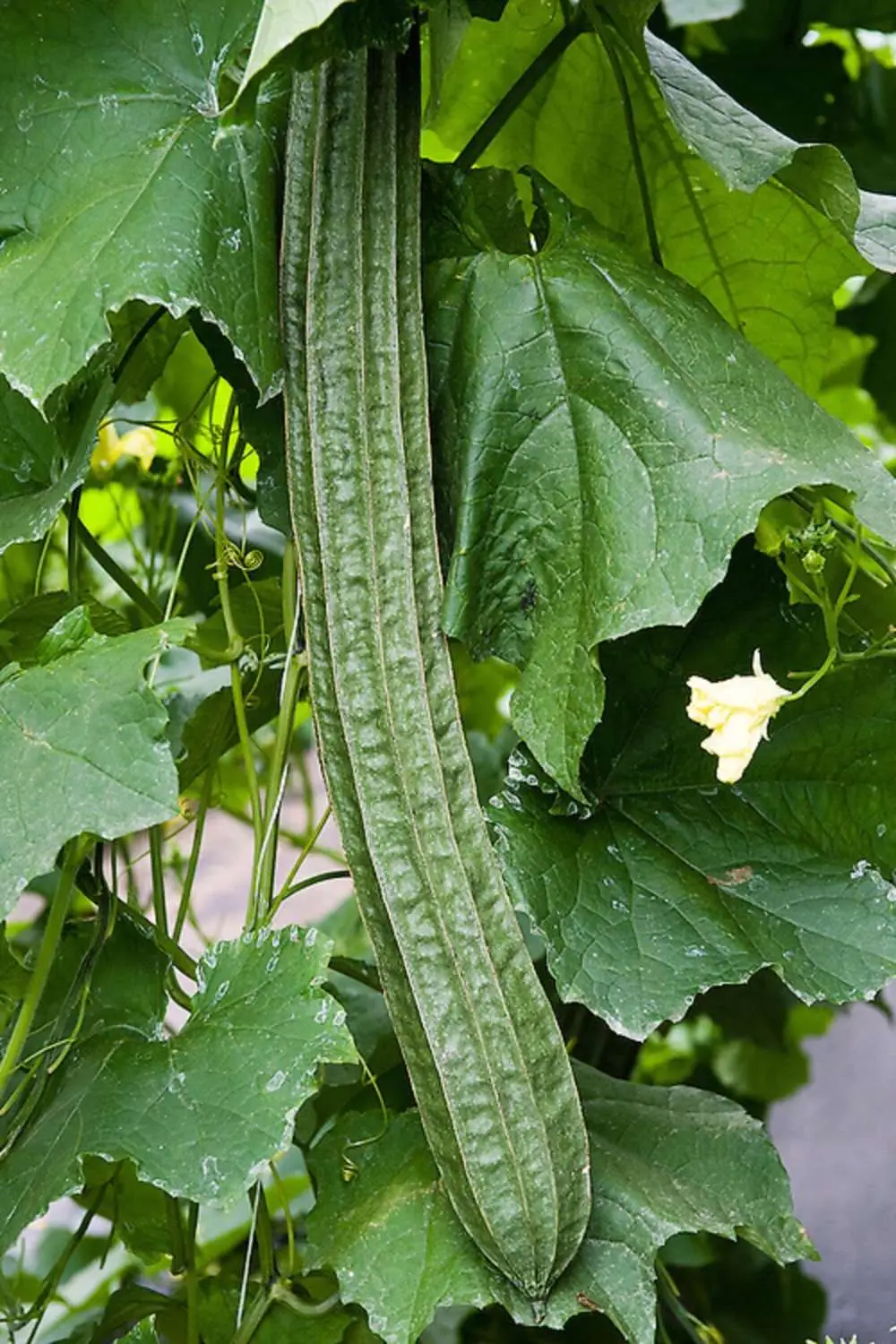
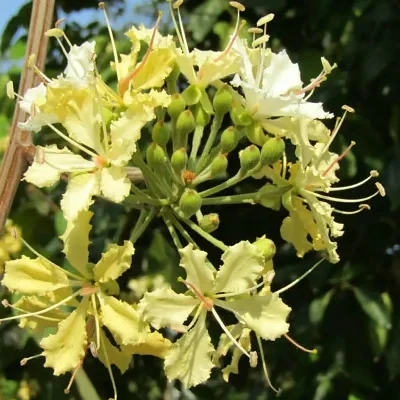
A vigorous, climbing vine with large, lobed leaves and bright yellow flowers, bearing long cylindrical fruits that reach 12 to 24 inches in length—this is the loofah, one of gardening’s most rewarding secrets. Native to tropical Asia and Africa, this heirloom has been cultivated for centuries both as a food crop and for its fibrous interior; the tradition of using it as a cleaning tool dates back hundreds of years, particularly in China, India, and Egypt.
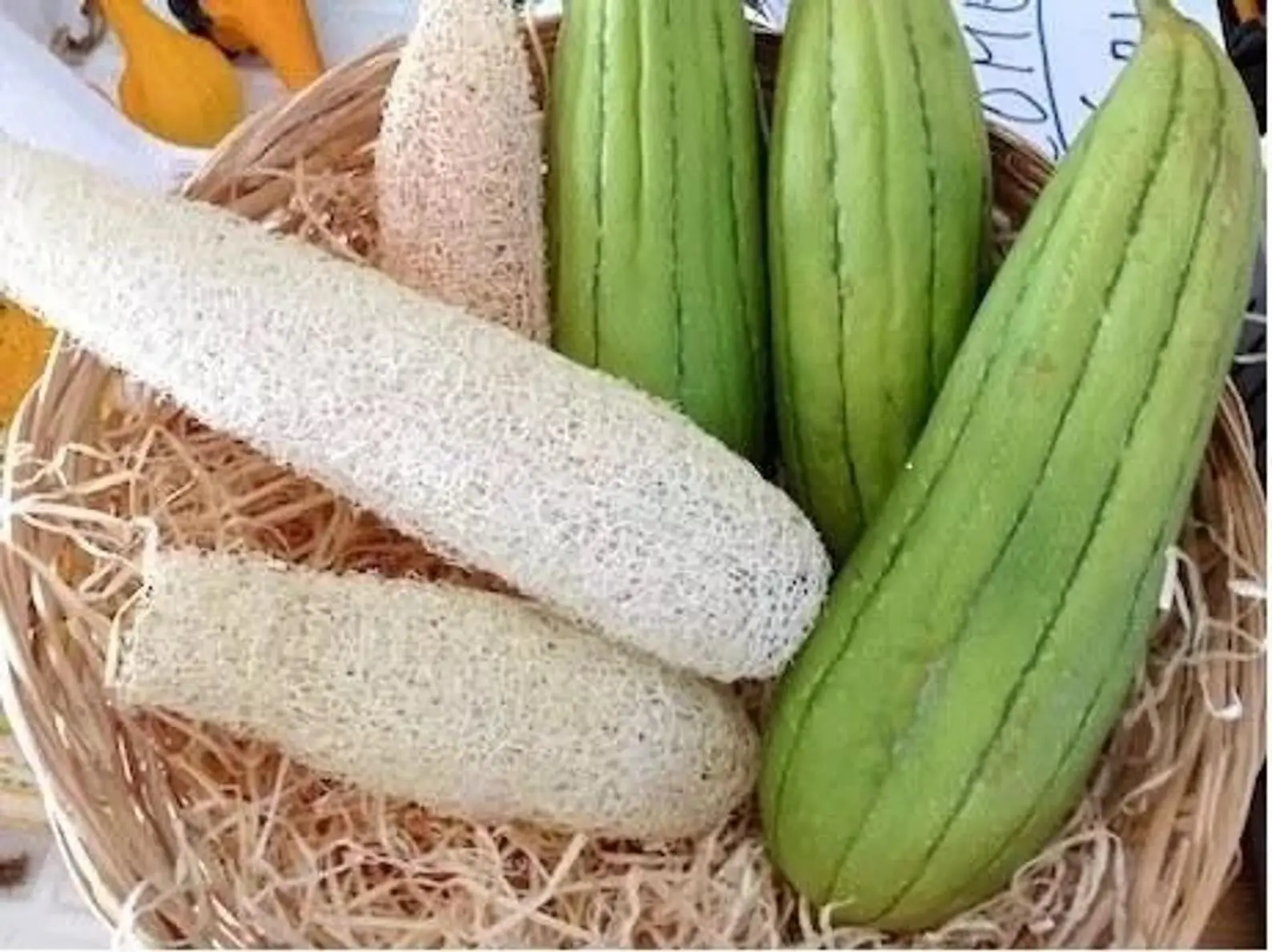
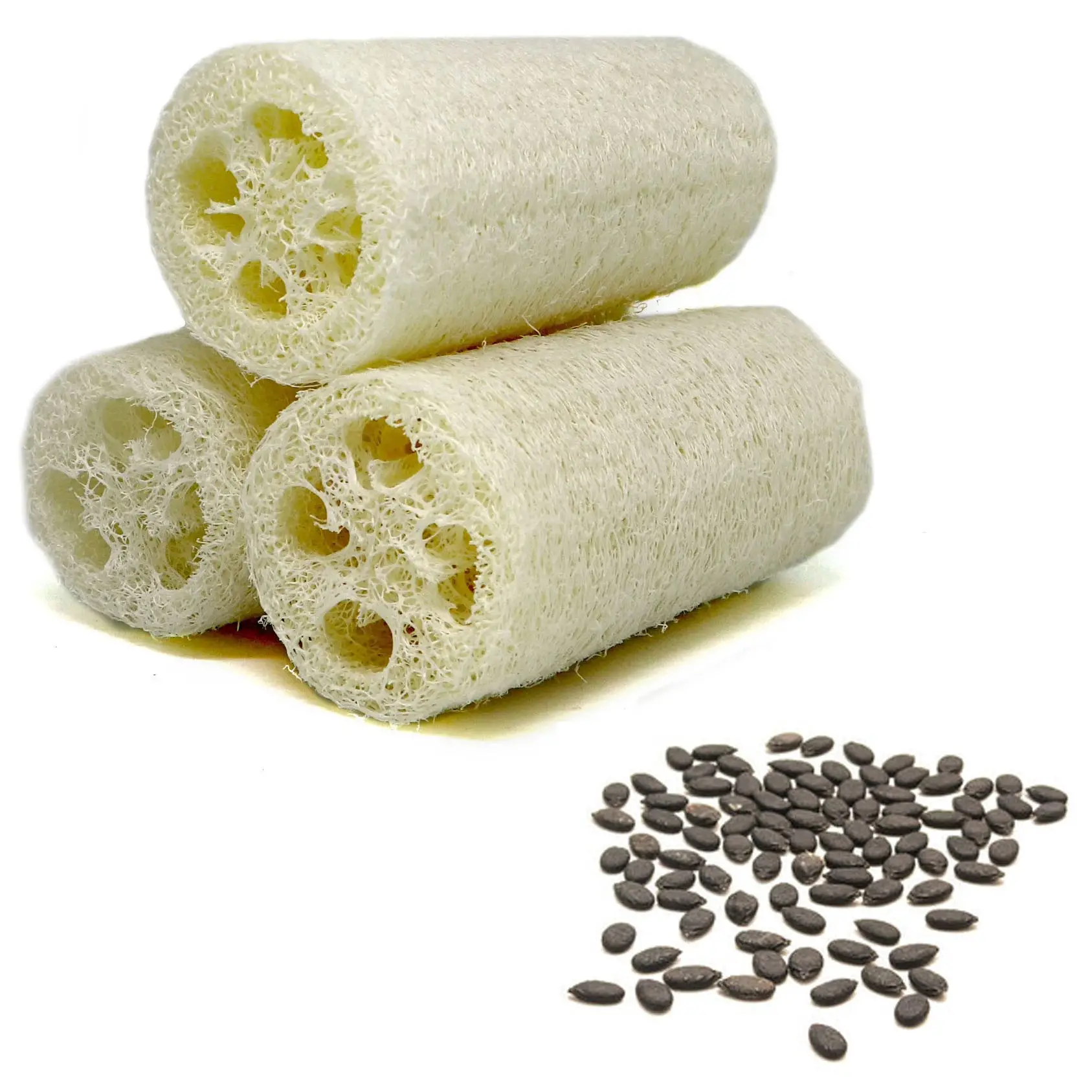
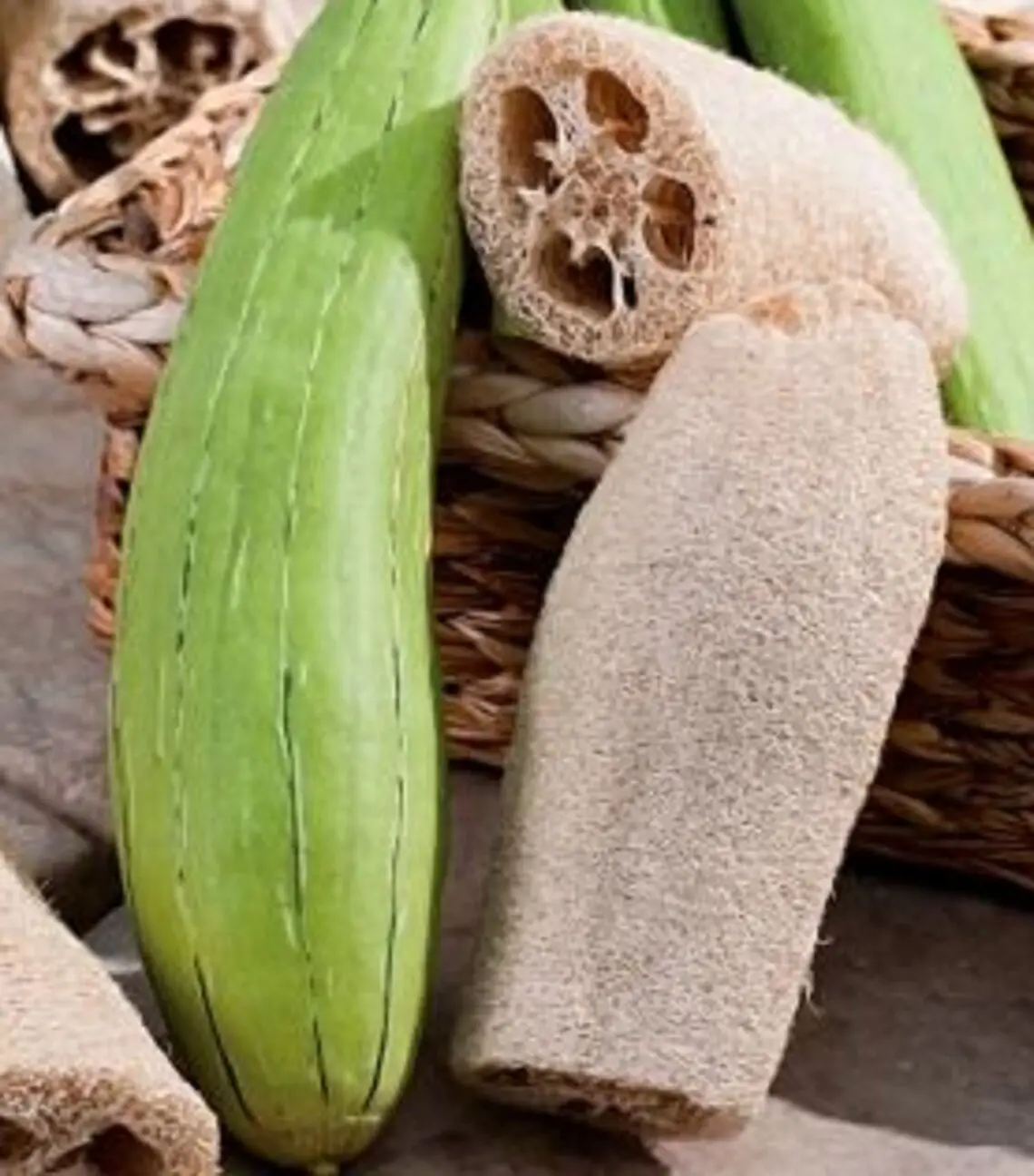
A member of the Cucurbitaceae family, closely related to squashes, pumpkins, and cucumbers, the loofah is perhaps nature’s most elegant gift to anyone tired of plastic sponges. Here’s the magic: when the fruit fully ripens, it becomes too fibrous for eating—the fully developed fruit is the source of the loofah scrubbing sponge. But this isn’t mere utility. When fully matured, the fruits become a tough mass of fiber that makes a great scrubbing sponge that can exfoliate loose cells from your skin and make you squeaky clean or shine up your dirty dishes. Working luffa sponges will last a surprisingly long time if they are allowed to dry between uses, usually a few months. The fiber is completely biodegradable, endlessly compostable, and utterly gorgeous—large whole loofahs are conversation starters, and people tend to find them very interesting and useful.
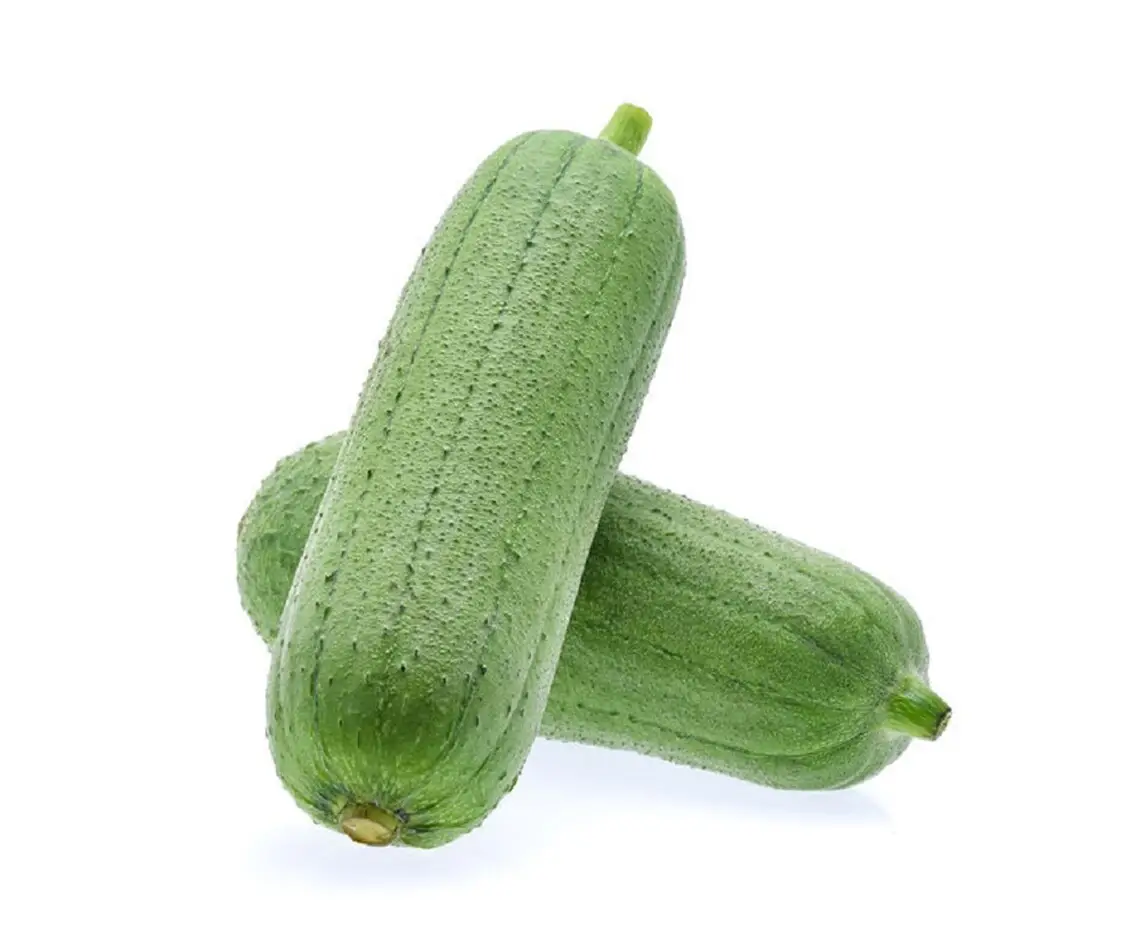
Loofah fruit/leaf/stem extract is valued in skincare for its gentle exfoliating, moisturizing, and antioxidant properties, commonly used in cleansers, exfoliants, and hydrating products. Beyond personal care, the young fruit is edible and contains phenolics, flavonoids, oleanolic acid, ascorbic acid, alpha-tocopherol, carotenoids, chlorophylls, and triterpenoids that make it highly effective. Young immature fruits and leaves can be prepared as curry or eaten fresh or dry—imagine a stir-fry or soup that grows on your trellis. The inside is white in color, with a mild sweet taste and silky texture when eaten. Loofah is harvested for food in many parts of Asia; in China it is steamed, boiled, or stir-fried with garlic, onions or dried prawns, and used as a cooling ingredient in spicy dishes. One plant gives you dinner, medicine, skincare, and bathroom luxury.
Growing loofah demands respect for its tropical nature—it needs from 150 to 200 or more frost-free warm days, plenty of sun, warmth, consistent water, and a large trellis. In the right conditions, luffa vines grow vigorously, sometimes as long as 30 feet. Pollinators frequent the yellow flowers that appear, and the flowers are often visited by bees and other insects that pollinate them. Plant seeds from March through July in a full-sun location with well-drained soil. Use well-draining, nutrient-rich soil with pH between 6.0 and 7.0, and ensure 6–8 hours of sunlight daily and ideal temperatures of 20°C to 30°C (68°F to 86°F). Luffas take 90 to 120 days to mature, so patience is essential—but the reward justifies every wait. If you’re interested in eating them, harvest when less than six inches long; they can be eaten raw or prepared as you would other squashes. For sponges, harvest once they are fully matured, with green or brown skin that is pulling away from the fibers within.
There is no ordinary garden plant quite like this. Grow loofah from seed, and you’ll unlock a chain of abundance: first the visual drama of towering vines and buttery-yellow blooms aliv
Only logged in customers who have purchased this product may leave a review.

Reviews
There are no reviews yet.