Description
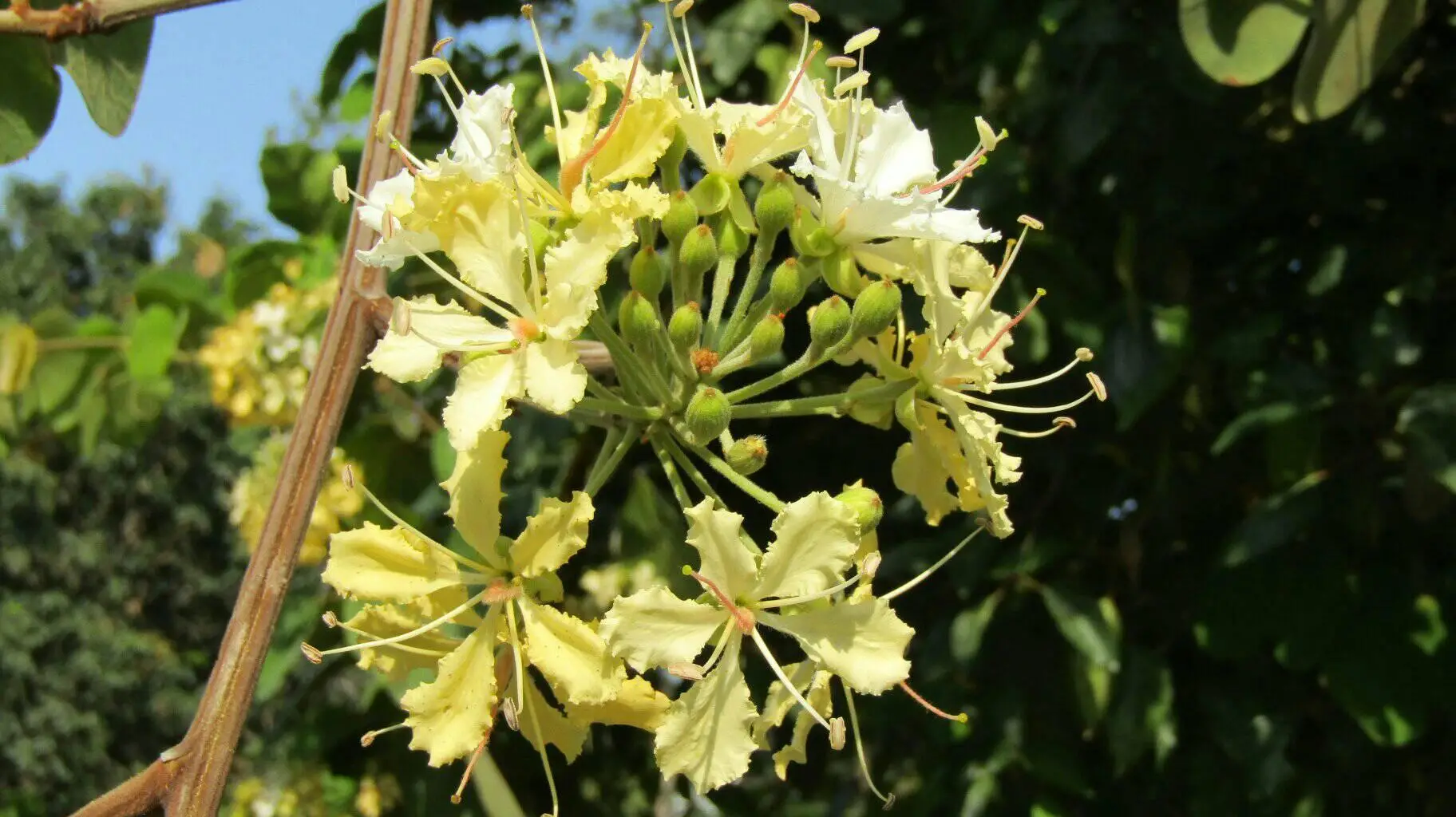
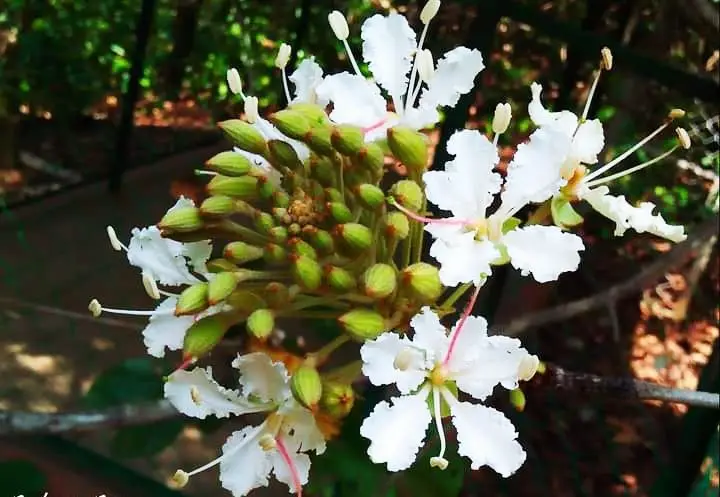
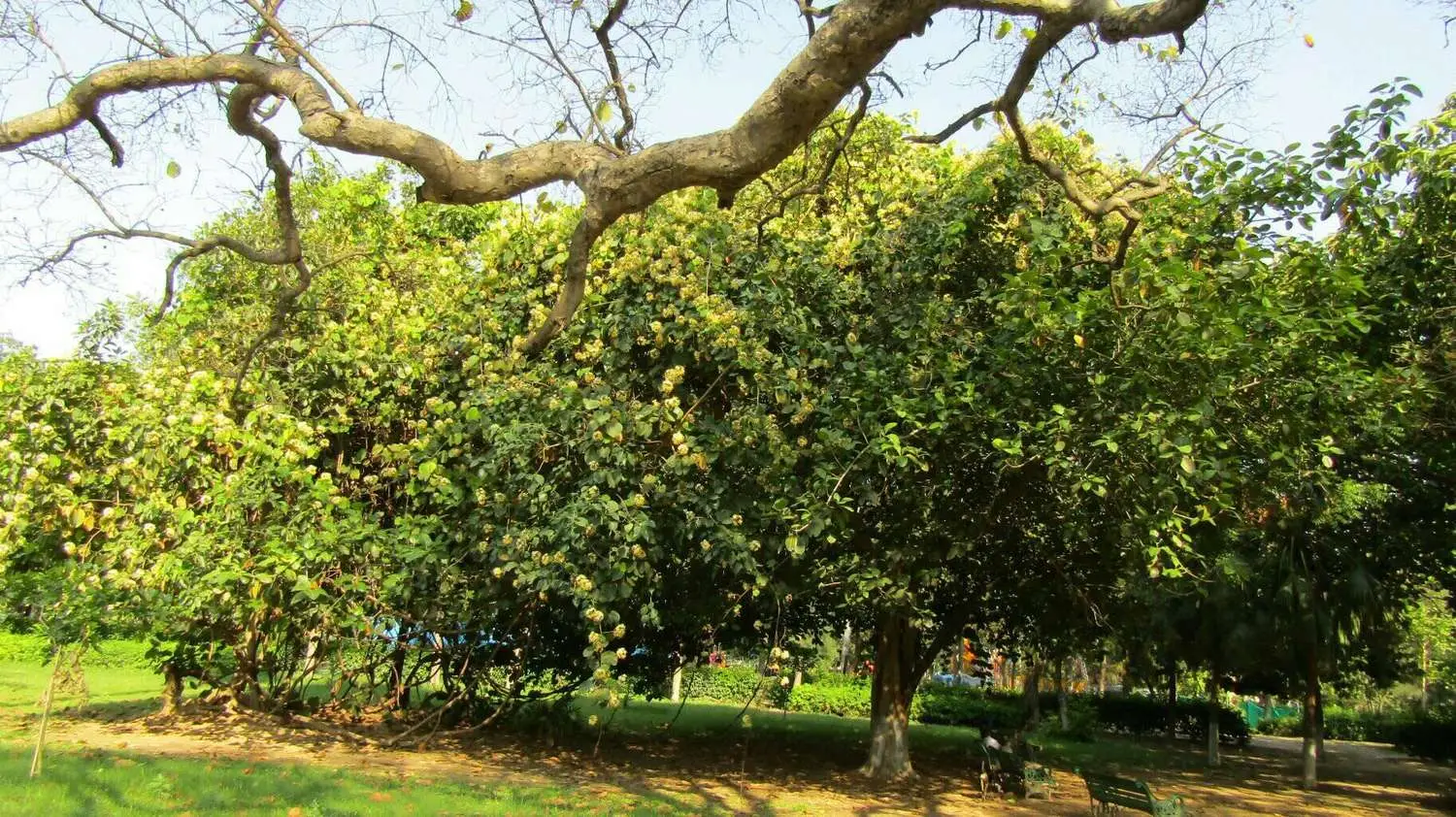
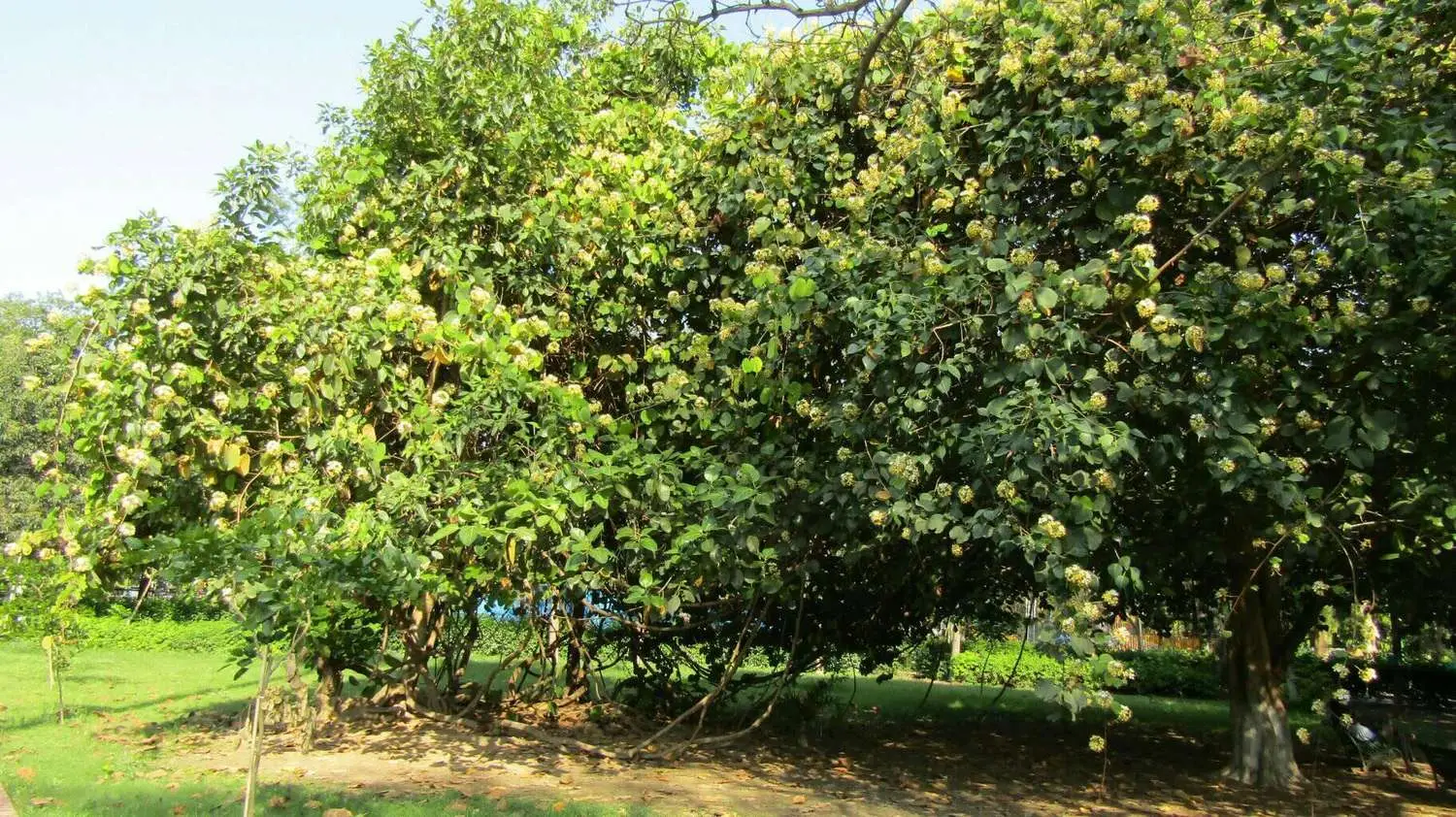
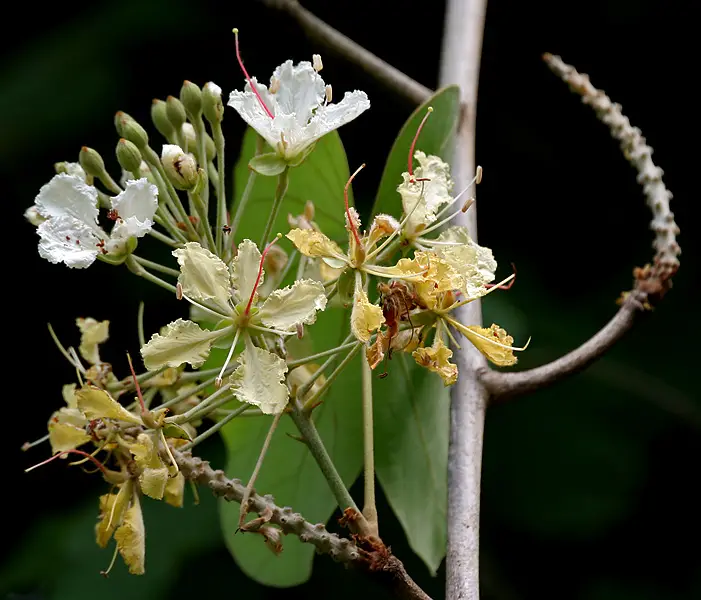
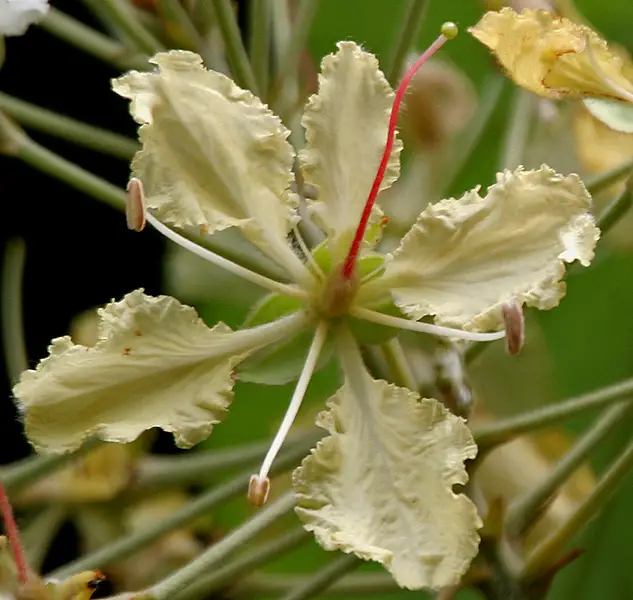
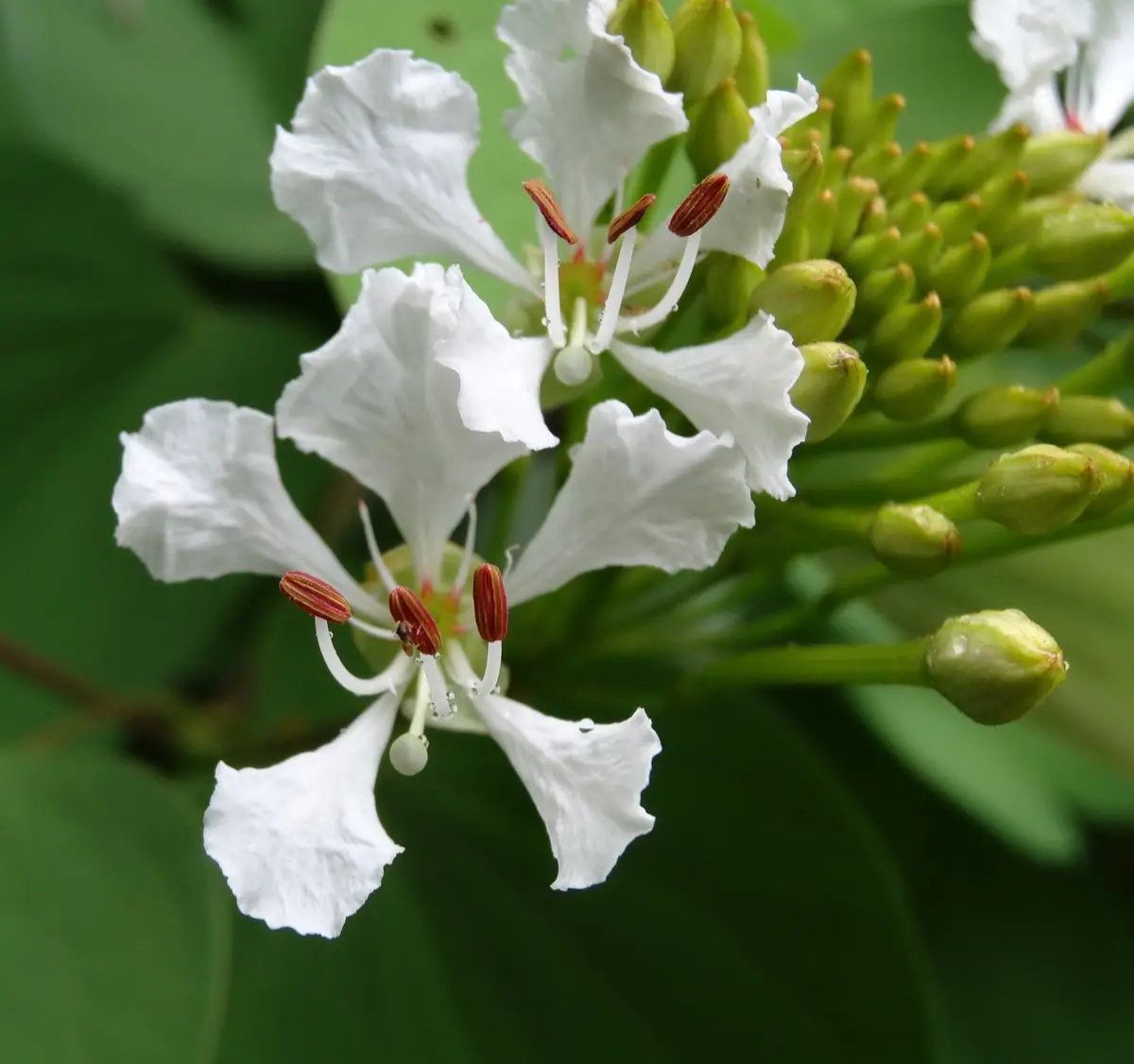
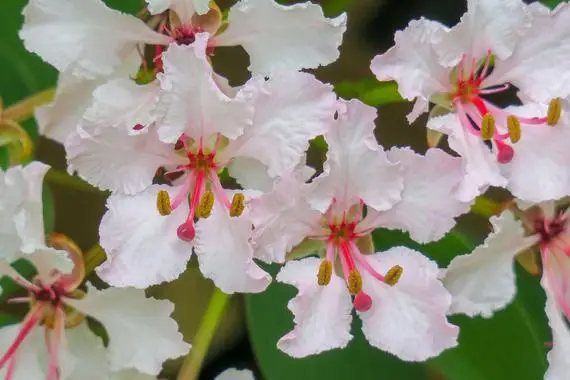
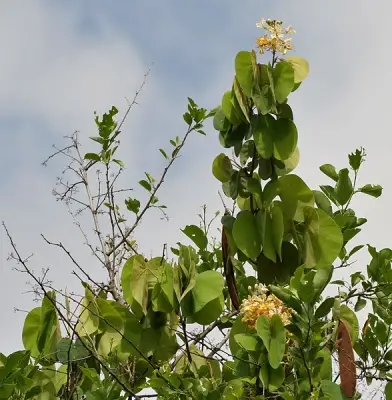
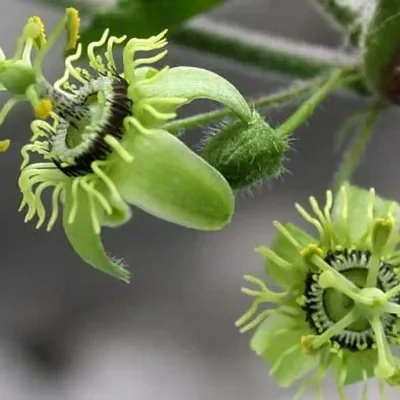
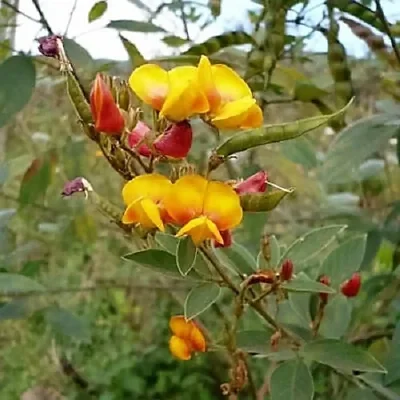
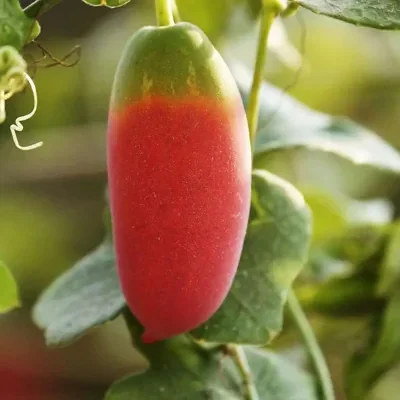
Malu creeper or Bauhinia vahlii is a fast-growing climbing shrub up to 30 m long and 20 cm in diameter. It can grow into tops of the trees. The seeds are tonic and aphrodisiac and the leaves are demulcent and mucilaginous. The seeds can be eaten raw or fried and cooked as a pulse. The inner bark is a source of fibre used in making ropes. The stems are used for basketry, matting, and wickerwork. The leaves are used as a thatch. Other Names:Adda, Bhorla, Chambul, Jallur, Mahulan, Maljhan, Malu, Moharain, Namarain, Sihar.
Germination Guide
🌍 Indian subcontinent: Himalayan region from Kashmir to Sikkim, Nepal, Pakistan (Punjab), and India (lower Himalayas, Odisha, West Bengal, Madhya Pradesh, Chhattisgarh, Bihar)
Easy
Bauhinia vahlii, commonly called Camel's Foot Climber or Maloo Creeper, is a vigorous woody climber native to the Indian subcontinent, especially the Himalayan region. This multipurpose legume produces seeds with hard seed coats that require pre-treatment for optimal germination, typically within 2-4 weeks at warm temperatures. The species is valuable for its edible seeds, medicinal properties, and fiber-rich bark traditionally used in rope-making.
Germination
Germination time
Expect germination in
14 – 28 days
Temperature
Min 20°C
Ideal 25°C
Max 25°C
Substrate moisture
💧 Medium
Sowing depth
Lightly covered
Seed Pre-treatment
-
💧
Soaking — 24 hours
Soak seeds in hot tap water for 24 hours; repeat process for seeds that did not absorb water
-
🔨
Mechanical scarification
Gently scarify or sand the seed coat for unswollen seeds to improve water absorption and germination
-
📋
Additional notes
Swollen seeds: sow immediately after soaking. Unswollen seeds: gently scarify before sowing
Substrate & Container
Recommended substrate
well-draining seed-starting mix or peat-based medium
Recommended container
seed trays or 1-gallon containers
Growing Tips
Maintain high humidity levels around seedlings using plastic covers or humidity domes. Keep the growing medium consistently moist but well-draining to prevent seed rot. Transplant seedlings with 2-3 true leaves to 1-gallon containers. Provide warm, semi-shaded conditions to avoid drying out. For faster germination, repeat the hot water soaking and scarification process on seeds that do not swell after the first 24 hours.
Only logged in customers who have purchased this product may leave a review.

Reviews
There are no reviews yet.