Description
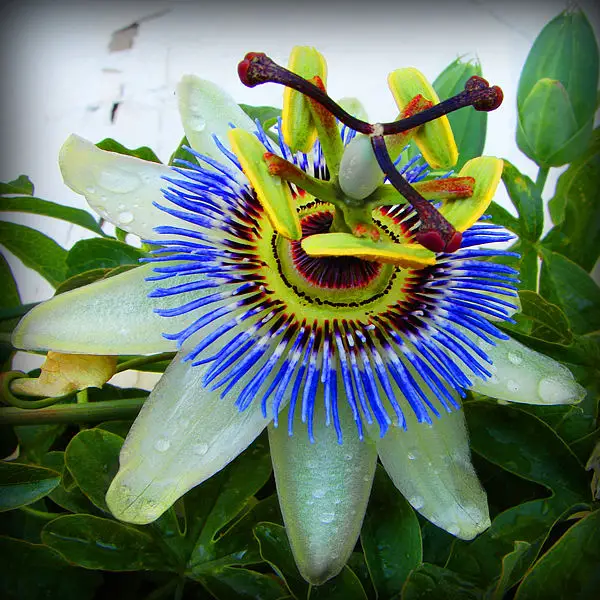
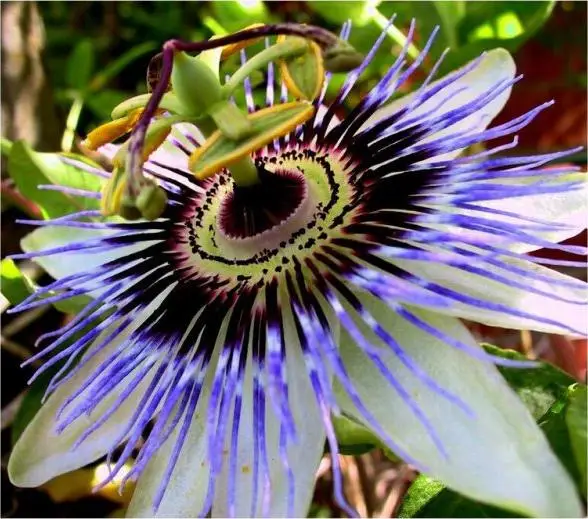
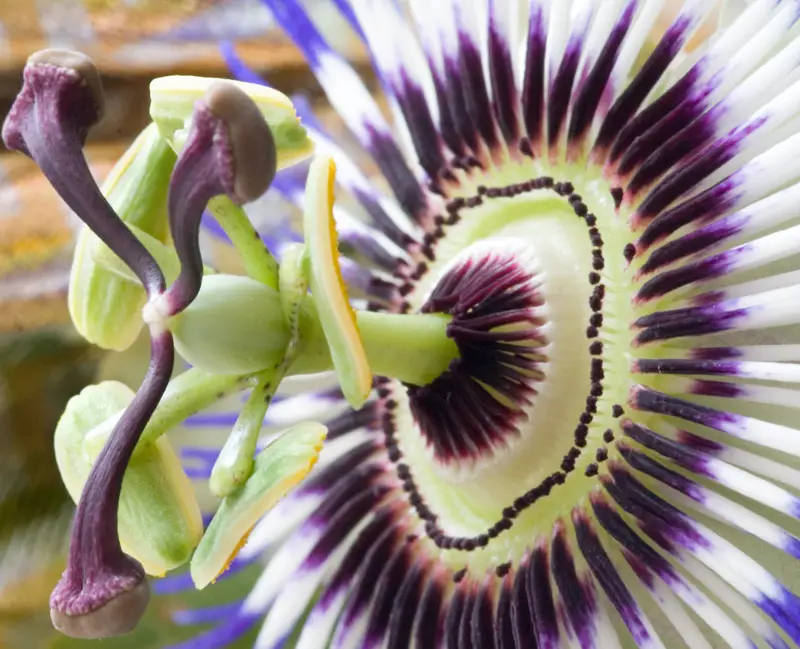
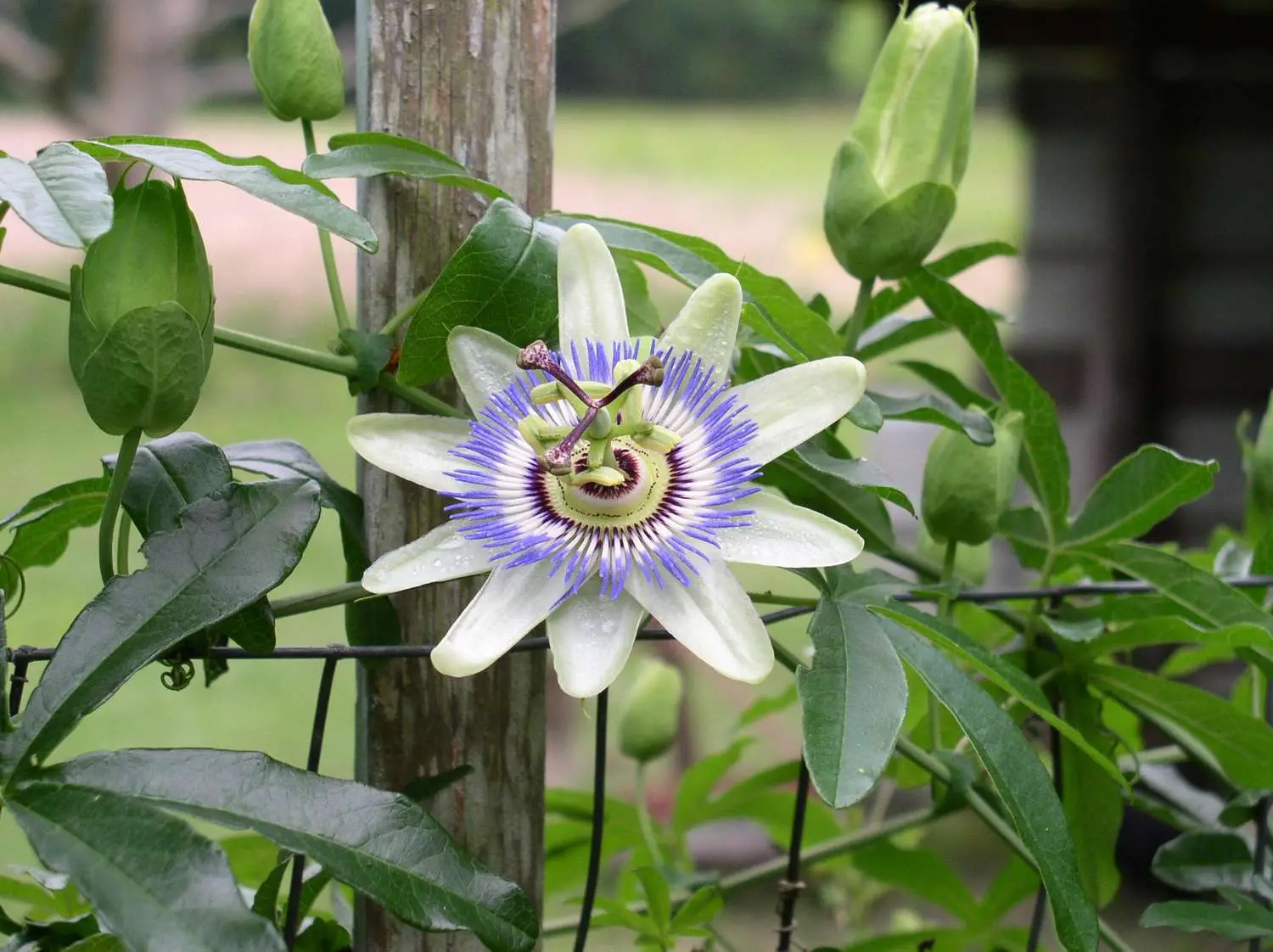
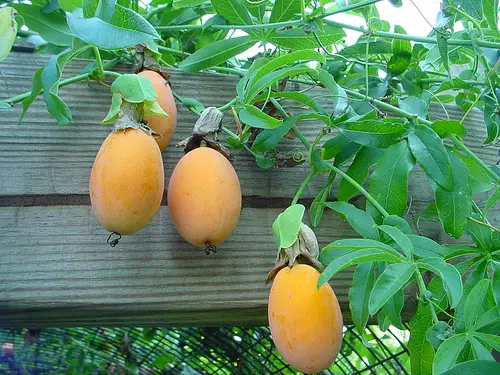
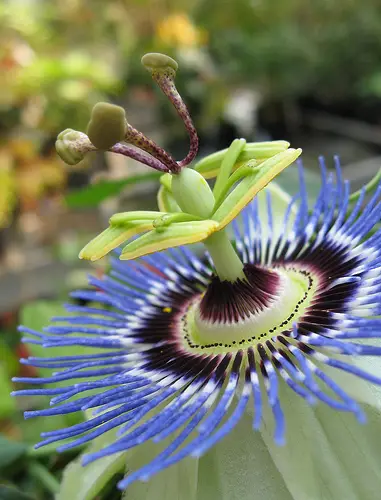
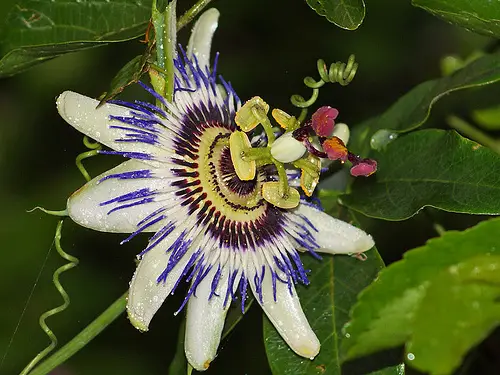
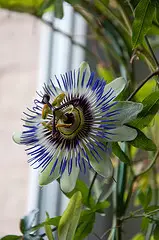
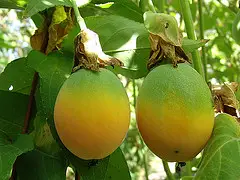
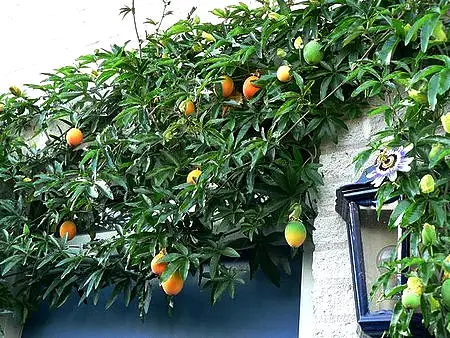
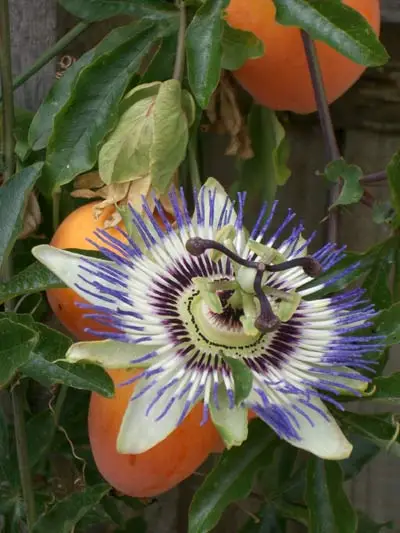
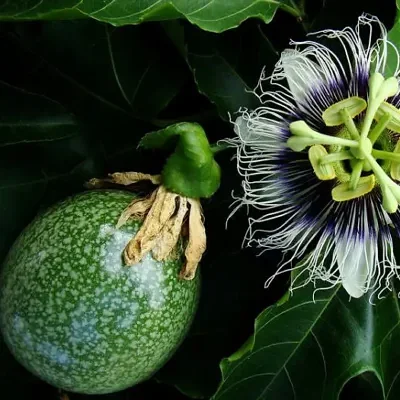
Blue passion fruit is typically grown in tropical gardens for the exoticity of its flowers and fruits.
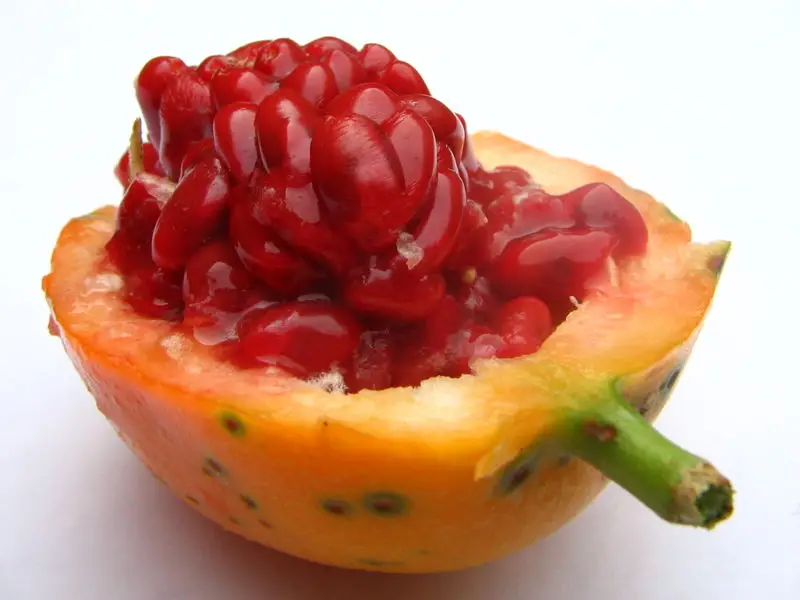
Tasty fruits with a slight blackberry flavor, being commonly substituted in blackberry pie recipes.
This species is also widely used for crossing with other species due to its resistance to bad weather and common pests in the passion fruit culture.
They grow quickly, reaching around 9 meters and must be well supported, they are more resistant to heat and less to cold.
Its flowers are one of the most appreciated and cultivated in the passiflora kingdom.
Vigorous, extremely aromatic vine with reddish pulp, usually savored in sweets, ice cream and pies.
Germination Guide
🌍 South America (Brazil, Argentina, Paraguay, Bolivia)
Moderate
Passiflora caerulea, commonly known as blue passion flower, is a frost-hardy climbing vine native to South America that produces intricate blue and white flowers and orange egg-shaped fruits. Seeds have a tough coating that benefits from warm soaking and light scarification to improve germination rates. Germination is slow and erratic, typically occurring between 1-12 months at cool temperatures (around 20°C).
Germination
Germination time
Expect germination in
30 – 360 days
Temperature
Min 20°C
Ideal 22°C
Max 25°C
Substrate moisture
💧 Medium
Sowing depth
Lightly covered
Seed Pre-treatment
-
💧
Soaking — 12 hours
Soak in warm water for 12-24 hours before planting to improve germination. Discard floating seeds.
-
🔨
Hot water scarification
Soak in warm water, let stand in water for 12 hours or soak 24-48 hours before planting. Light mechanical scarification with sandpaper can also improve germination.
-
📋
Additional notes
Avoid chemical scarification with acids such as hydrochloric acid, which inhibits germination. Combine soaking and light mechanical scarification for best results.
Substrate & Container
Recommended substrate
Well-drained potting mix or seed-starting soil with perlite or sand added for drainage
Recommended container
Small pots or trays with clear plastic cover to retain moisture
Growing Tips
Sow seeds in late winter or early spring in a greenhouse. Maintain warm soil temperature of 70-85°F (21-29°C) for best results; cooler temperatures significantly delay germination. Place seeds on soil surface or just beneath (not buried) and cover container with clear plastic to retain moisture. Provide light once sprouted. Keep soil consistently moist but not waterlogged. Avoid high humidity combined with poor air circulation to prevent fungal issues. Seedlings should be kept in a greenhouse for their first winter before transplanting outside after the last frost. Mulch roots in fall to protect from cold in temperate climates.
Only logged in customers who have purchased this product may leave a review.


Reviews
There are no reviews yet.