



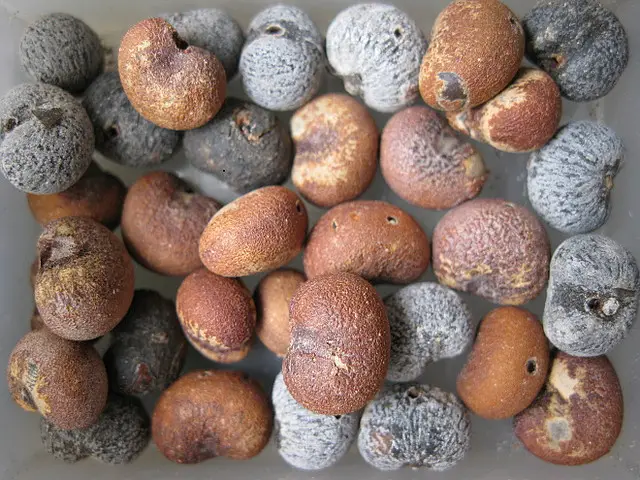
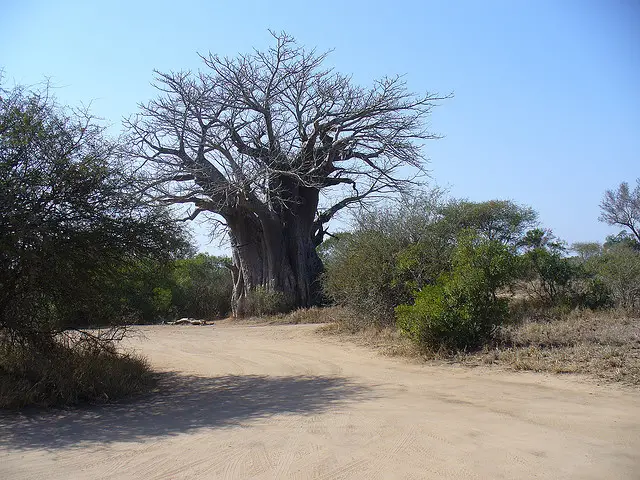
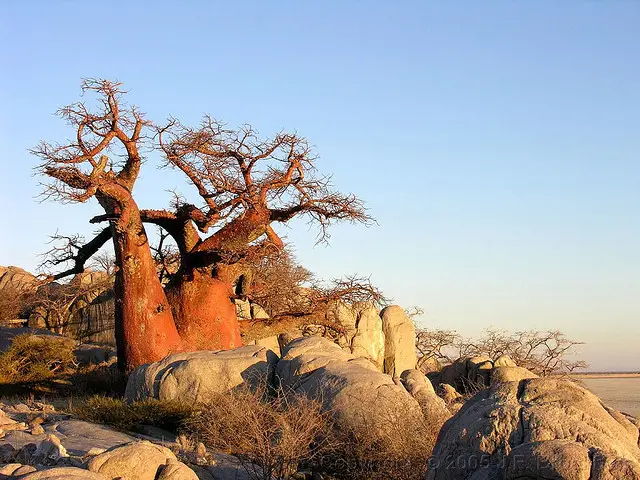
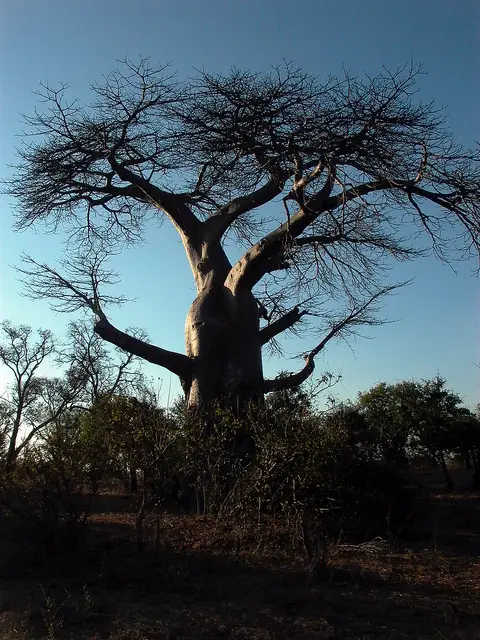
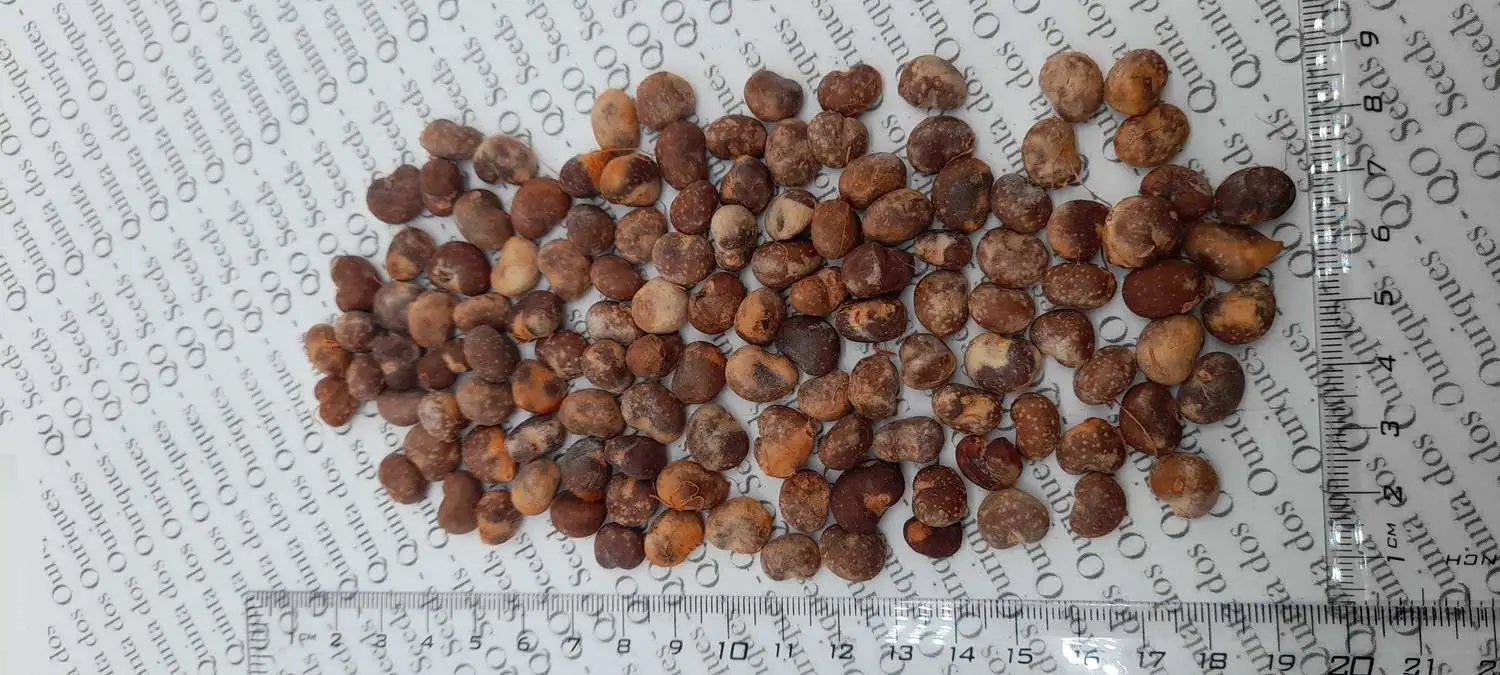
Grow your own Tree of Life and harvest nature’s most nutrient-dense superfruit. Baobab fruit pulp explodes with vitamin C—5 to 10 times more than oranges—plus fiber, calcium, and ancient medicinal power. This iconic African giant thrives indoors as an adaptable bonsai or container plant. Scarify seeds, soak, and watch a living legend emerge. Simple patience rewards you with a bottle-trunked masterpiece, creamy-white night-blooming flowers, and a harvest th
€1.92
Imagine nurturing a prehistoric giant—a tree that has witnessed 3,000 years of African history, now thriving in your home or garden. This is Adansonia digitata, the African baobab, and it is far more than an ornamental curiosity. It is a living superfood factory and a symbol of resilience that will rewire how you think about plants.
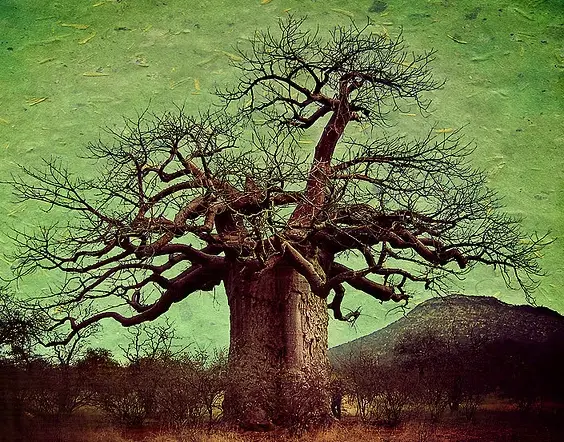
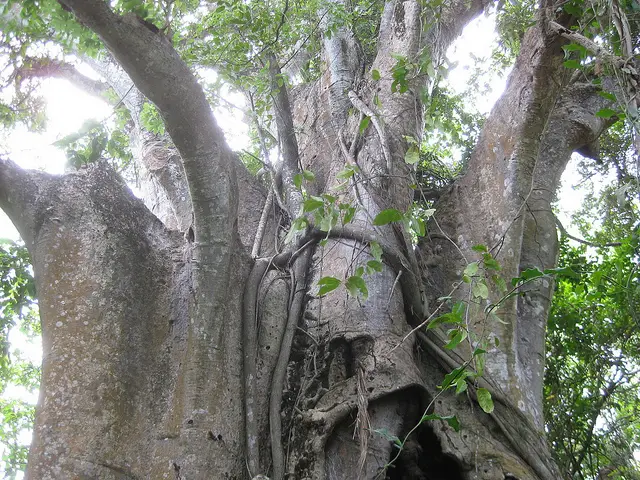
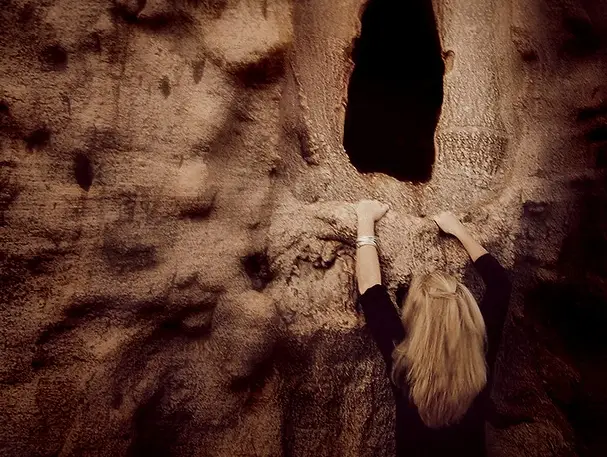
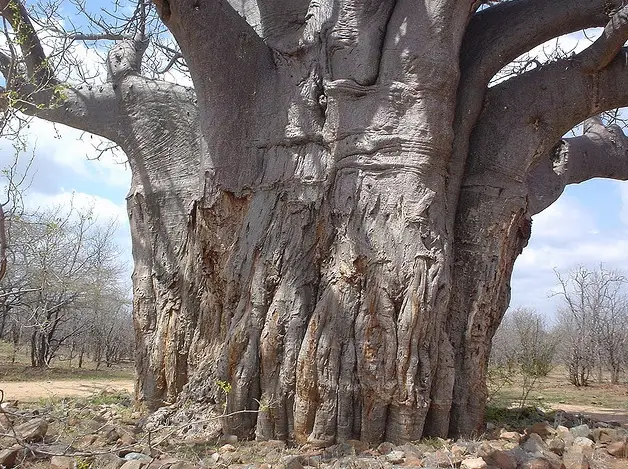
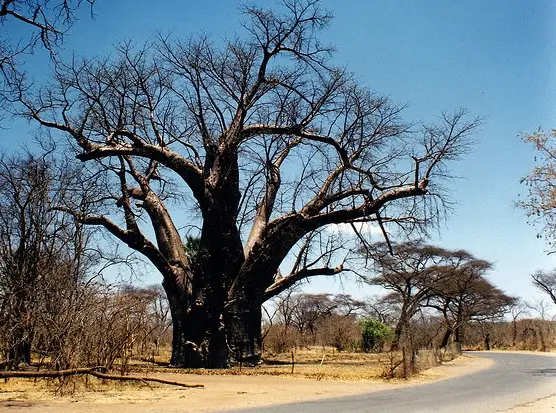
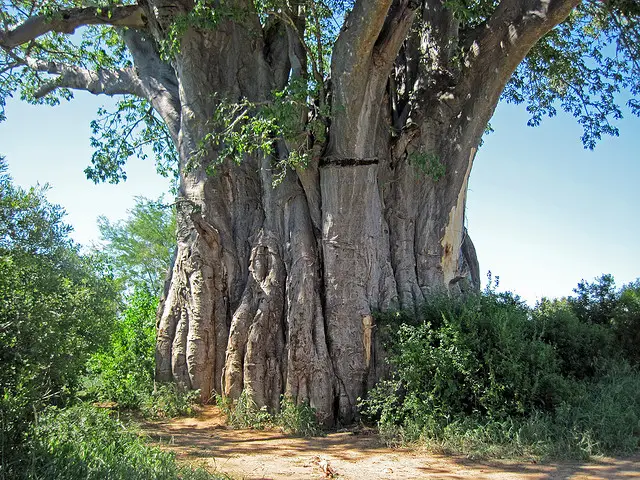
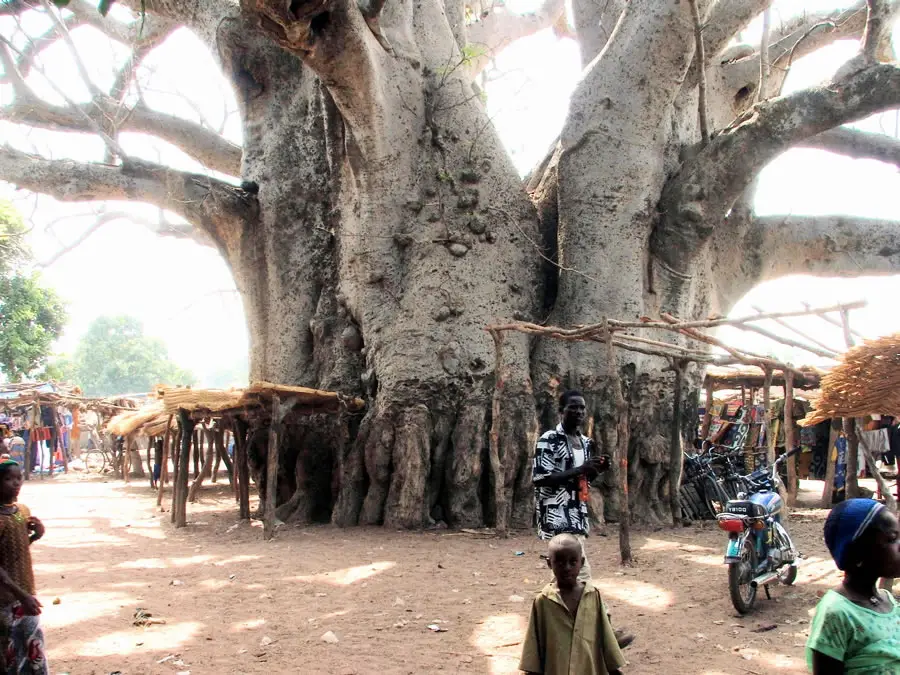
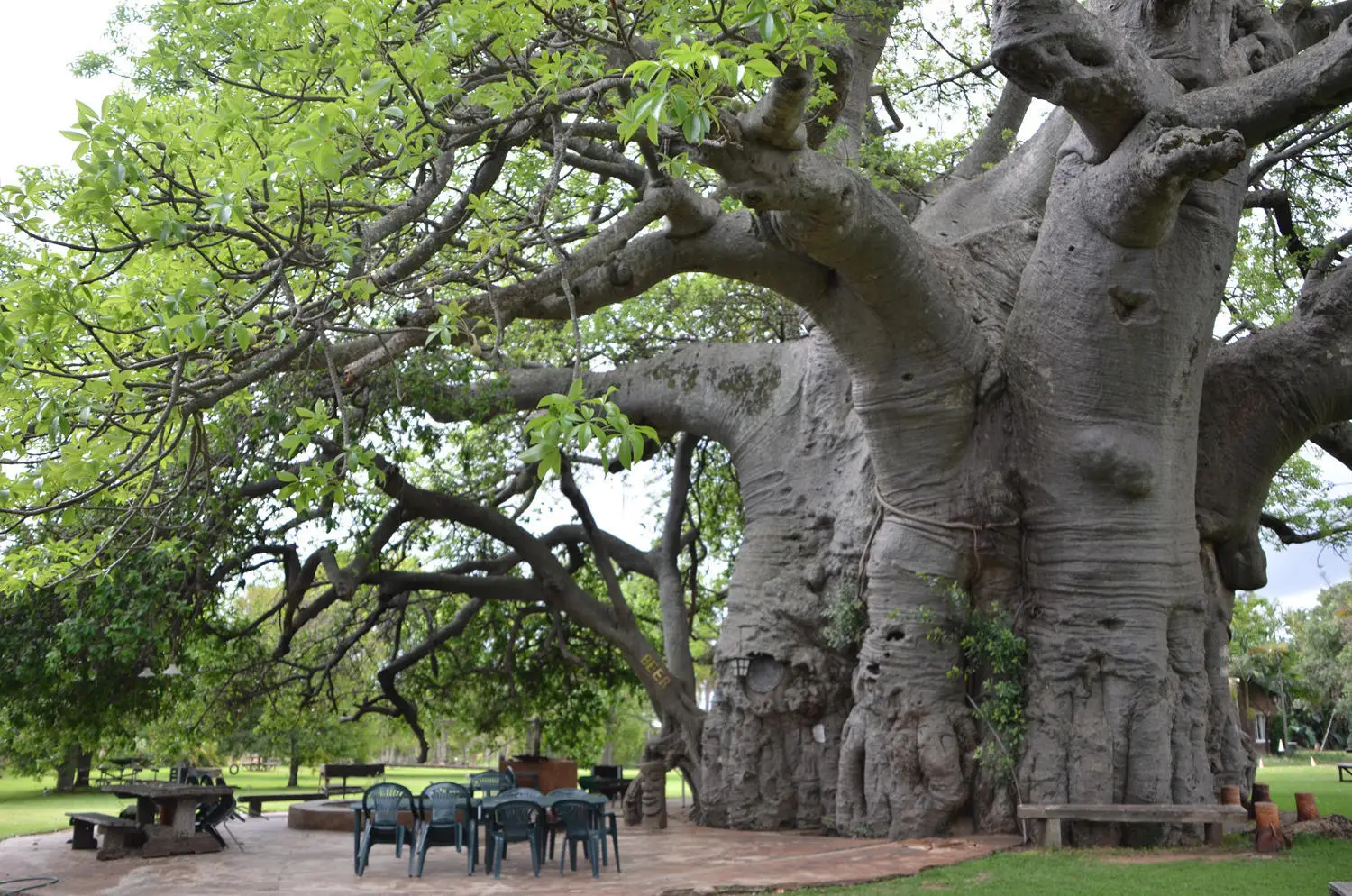
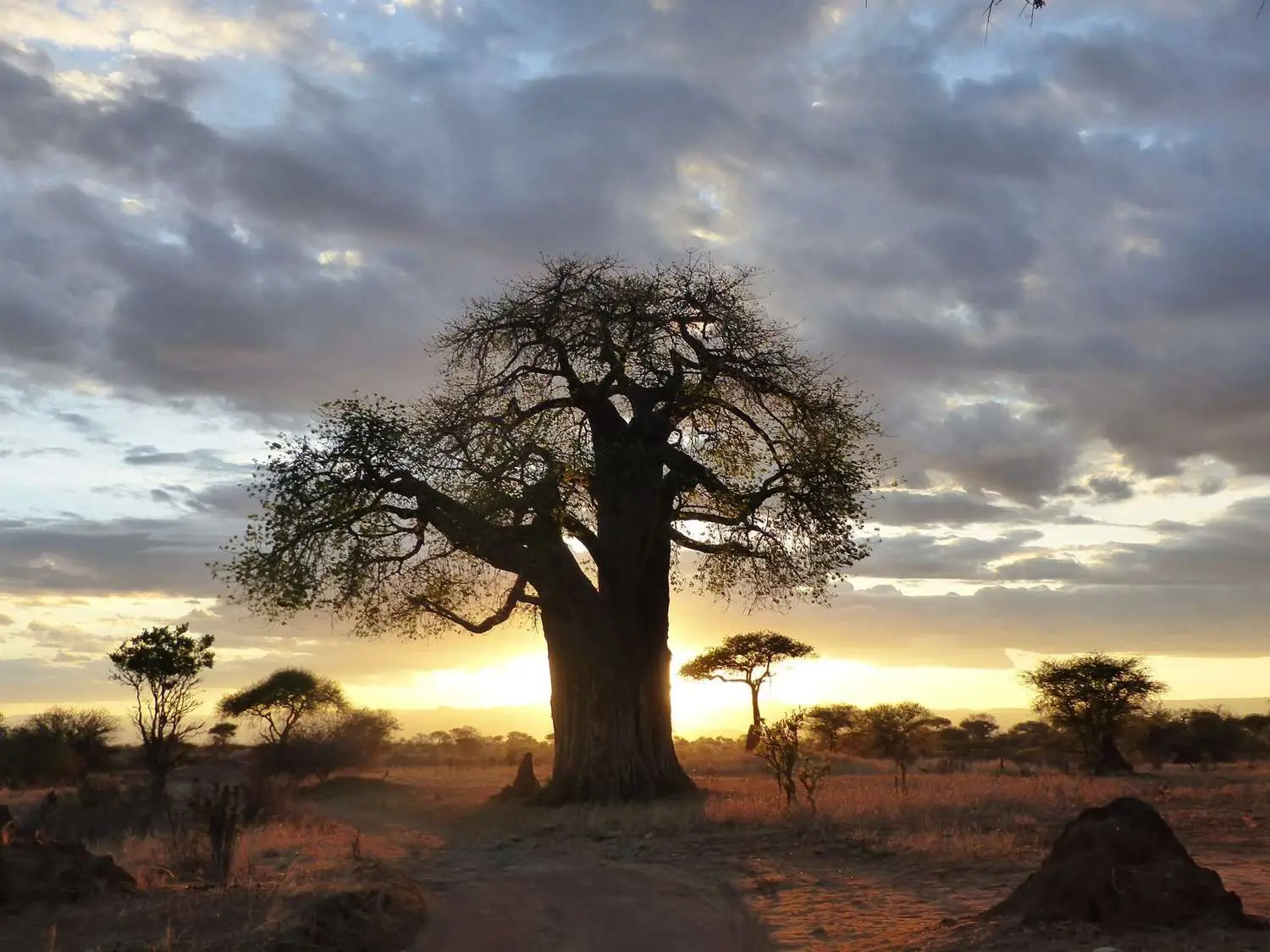
Native to the drylands of sub-Saharan Africa, the baobab is a botanical anomaly: a succulent tree that stores entire seasons’ worth of water in its massive, bottle-shaped trunk. It survives where almost nothing else can, emerging from drought with fruit more nutrient-dense than any conventional crop. The name itself reveals the tree’s sacred role in African life—it is called the Tree of Life because every part sustains communities, wildlife, and medicine. Prehistoric in origin (dating back over 200 million years), the baobab predates human civilization and has shaped the identity of African peoples for millennia. Legends say the gods planted it upside-down, which might explain its otherworldly silhouette: a massive, wrinkled trunk that seems to defy gravity, crowned with delicate, reaching branches.
But the real magic lies in the fruit. Baobab fruit pulp is recognized globally as a superfruit—a powerhouse containing 5 to 10 times more vitamin C than oranges, alongside exceptional levels of fiber, calcium, magnesium, potassium, iron, and bioactive polyphenols. This is not marketing hyperbole; rigorous science confirms it. The pulp has been called a natural remedy for inflammation, immune support, digestive health, and blood sugar regulation. In traditional African medicine, the fruit treated dysentery, fever, and dehydration; today, Western wellness brands pay premium prices for baobab powder. You can grow it yourself. The pulp is tart, slightly sweet, and tastes faintly of gingerbread and sherbet. You can make it into refreshing drinks, blend it into smoothies, transform it into jam, or roast and grind it as a coffee substitute. The leaves are equally edible—rich in protein, calcium, and iron—fresh or dried for soups and infusions. Even the seeds contain oils and proteins. In short, you are growing a multi-harvest superfood tree that your ancestors would have recognized as sacred bounty.
Growing baobab from seed requires patience but is entirely manageable. Scarify the seed coat (sandpaper works perfectly) and soak seeds in warm water for 24–48 hours to break dormancy—this mimics the natural scarification that baobab seeds undergo passing through elephant digestive systems. Plant 1–2 cm deep in a well-draining sandy soil mix (cactus soil blended with pumice and perlite works beautifully). Seedlings adore bright, direct sunlight—at least 6 hours daily, more if possible. Keep them warm (above 20°C consistently, ideally 24°C) and water moderately but never soggy; baobab seedlings are prone to root rot. In spring and summer, water more generously as the tree enters active growth; in winter, reduce water dramatically and provide dormancy. The tree will reward you by developing that signature bottle-shaped trunk early on. You can grow it in a pot indefinitely—it will scale beautifully to container size, making it perfect for bonsai cultivation. In fact, baobab bonsai is a celebrated art form, and your tree’s natural thick trunk and sparse canopy make it ideal for this purpose. If your climate allows frost-free winters, you can eventually plant it outdoors in warm regions (zones 10–12). Mature baobabs need minimal care—they are supremely drought-tolerant once established—but young trees benefit from consistent attention and won’t forgive neglect of their dormancy period.
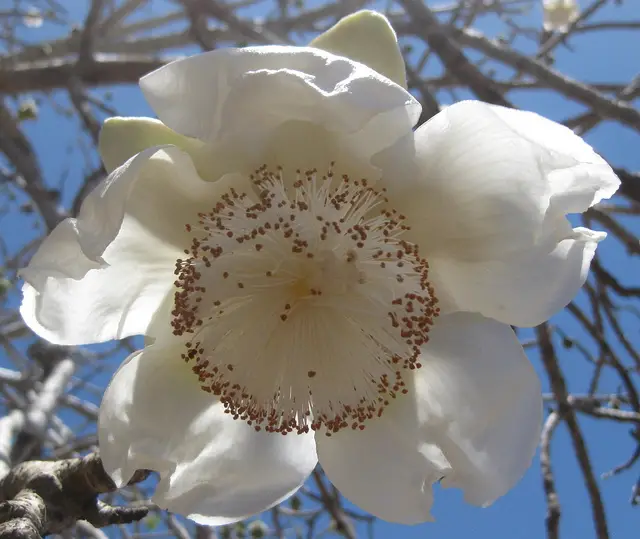
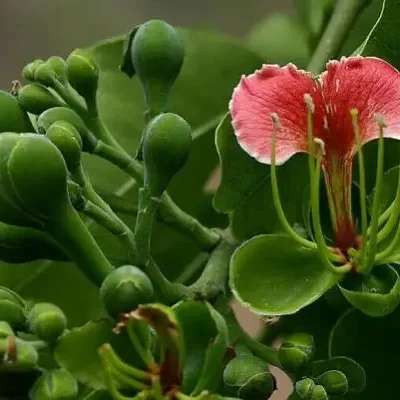
There is something profoundly moving about nurturing a seed into a living monument. Every leaf that unfolds, every year of trunk expansion, every eventual flower (which opens at dusk in ethereal white or cream, heavy with wax-textured petals, and lasts just 24 hours before surrendering to dawn) connects you to a tree species that has
Only logged in customers who have purchased this product may leave a review.


Reviews
There are no reviews yet.