Description
The Mountain Papaya is native to the cooler climates of cloud forests in the Andes between Panama and Chile, to an altitude of 3000 m.
This remarkable species evolved in the cold climates of the high forests in the andes, from colombia to bolivia, to an altitude of 1,000 to 3,000 meters. It represents centuries of indigenous botanical wisdom—cultivated for generations by Central and South American peoples who valued its exceptional digestive properties and deeply embedded this fruit in traditional medicine and culinary practices. Unlike the familiar tropical papaya, this mountain dweller thrives in the cool highlands where common papayas simply cannot survive, making it a botanical treasure for gardeners in warmer-temperate and subtropical zones.
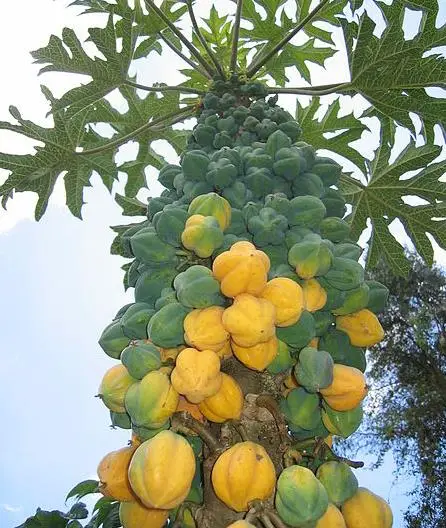
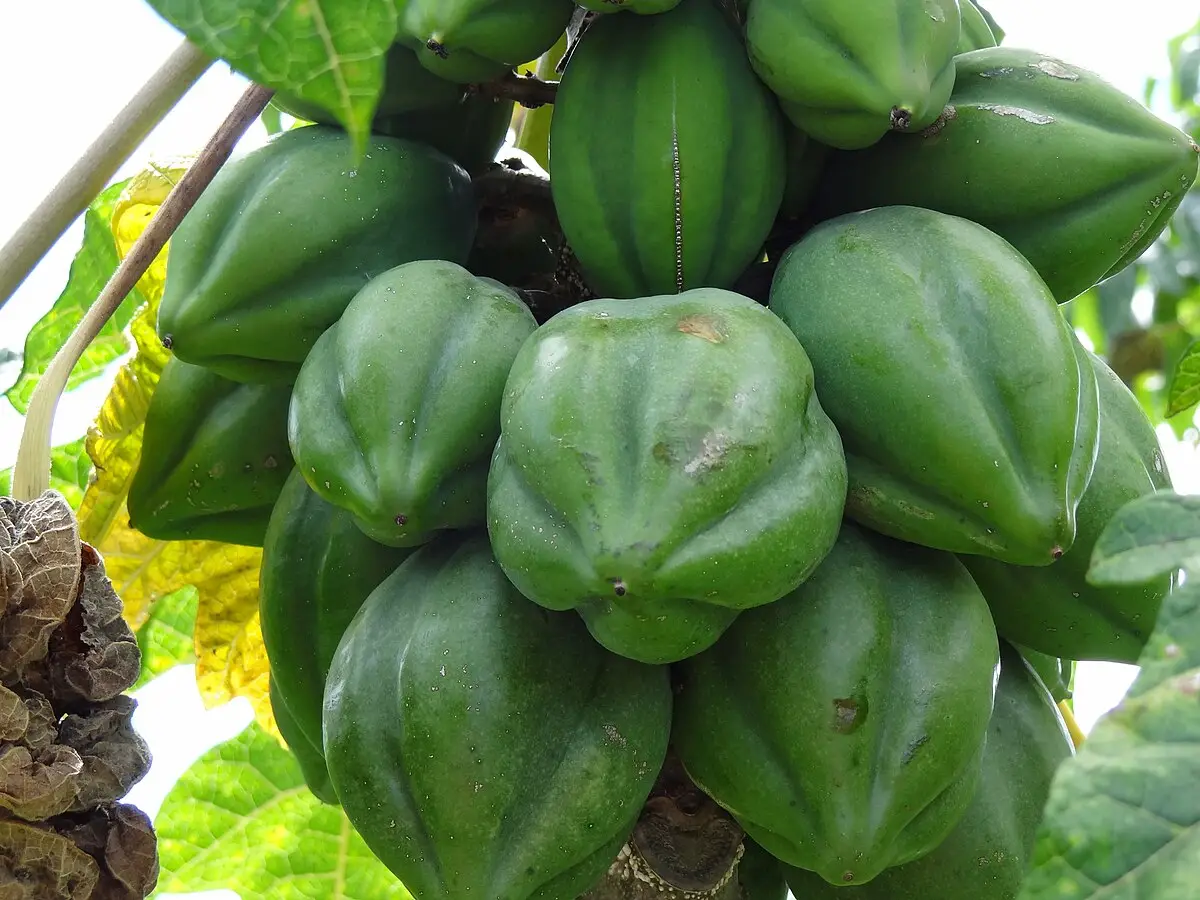
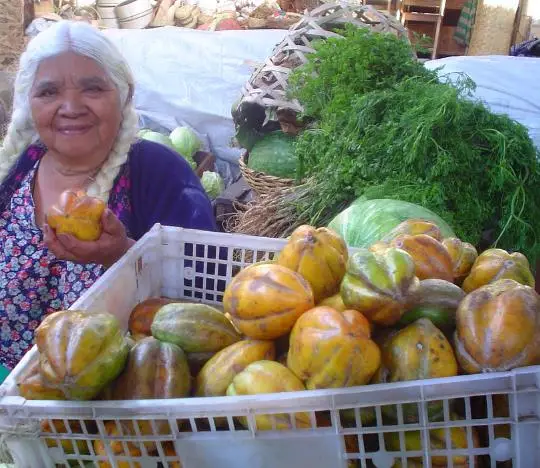
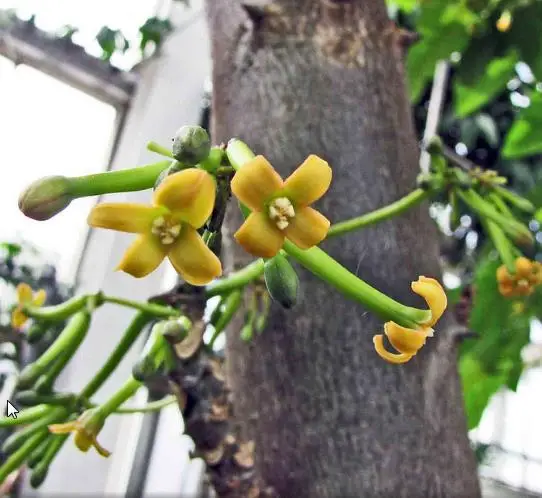
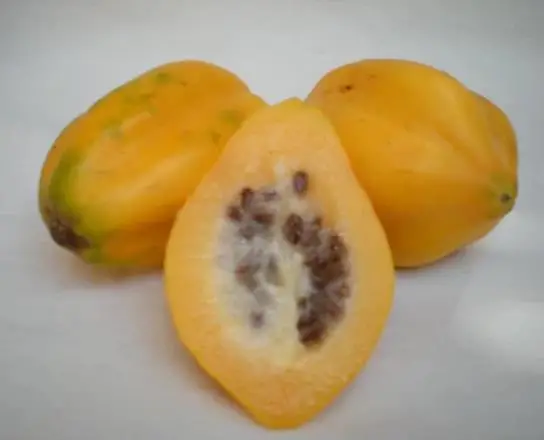
Apart from being a splendid ornamental, with large, dark green, palmate leaves that have velvety undersides, the female plants produce large quantities of fruits which are traditionally used for preparing beverages and also cooked and eaten. This is the crux of its glory: the proteolytic enzyme papain is produced in 5-8 times the quantity than the common papaya, and serves as a valuable digestive enzyme in human consumption. The fruit is rich in many important nutritional compounds, such as vitamins A, B, and C, antioxidants, flavonols, carotenoids, and papain. There are particularly high concentrations of quercetin glycosides, rutin, and manghaslin, which are not produced by the common papaya. Traditionally, fruits are 3-6″ with a tart flavor, and are often used to flavor drinks within its native range. Since it has a naturally sourish pulp, it is usually sweetened with sugar or used in preserves, jams, juices, and ice creams. It can also be added to soups and stews to add rich, fruity flavors. The papain enzyme present in the milky latex of immature fruits and leaves is often used in the culinary industry as a meat tenderizer since it is a digestive enzyme.
Cultivation is refreshingly straightforward. This fast-grower is hardy to the mid-20s (F), thriving in warm-temperate and subtropical climates where it rewards minimal fuss with prolific harvests. This plant grows in a temperature range of 10–28 °C (50–82 °F) but an average temperature of 17 °C (63 °F) is preferred. Plant in well-draining soil, provide bright light and consistent moisture, and a single Mountain papaya tree can produce 50 to 60 fruits per year, with trees often covered in fruits, giving them a full, top-heavy appearance. Note: you may need male and female plants to produce. The reward is both visual majesty—those magnificent palmate leaves becoming a garden centerpiece—and the incomparable pleasure of harvesting your own enzyme-rich superfruit year after year.
Grow this Andean heirloom from seed and join a lineage of cultivators who understood that the greatest plants offer abundance on every level: beauty, flavor, health, and the deep satisfaction of nurturing something rare and alive.
Germination Guide
🌍 Andes Mountains from Panama and Colombia south to central Chile, altitudes 1500-3000m
Easy
Carica pubescens, commonly called mountain papaya, is a hardy papaya species native to cloud forests of the Andes. Unlike common papaya, it is cold-tolerant and grows in temperate highland climates.
Germination
Germination time
Expect germination in
14 – 56 days
Temperature
Min 25°C
Ideal 27°C
Max 30°C
Substrate moisture
💧 Medium
Growing Tips
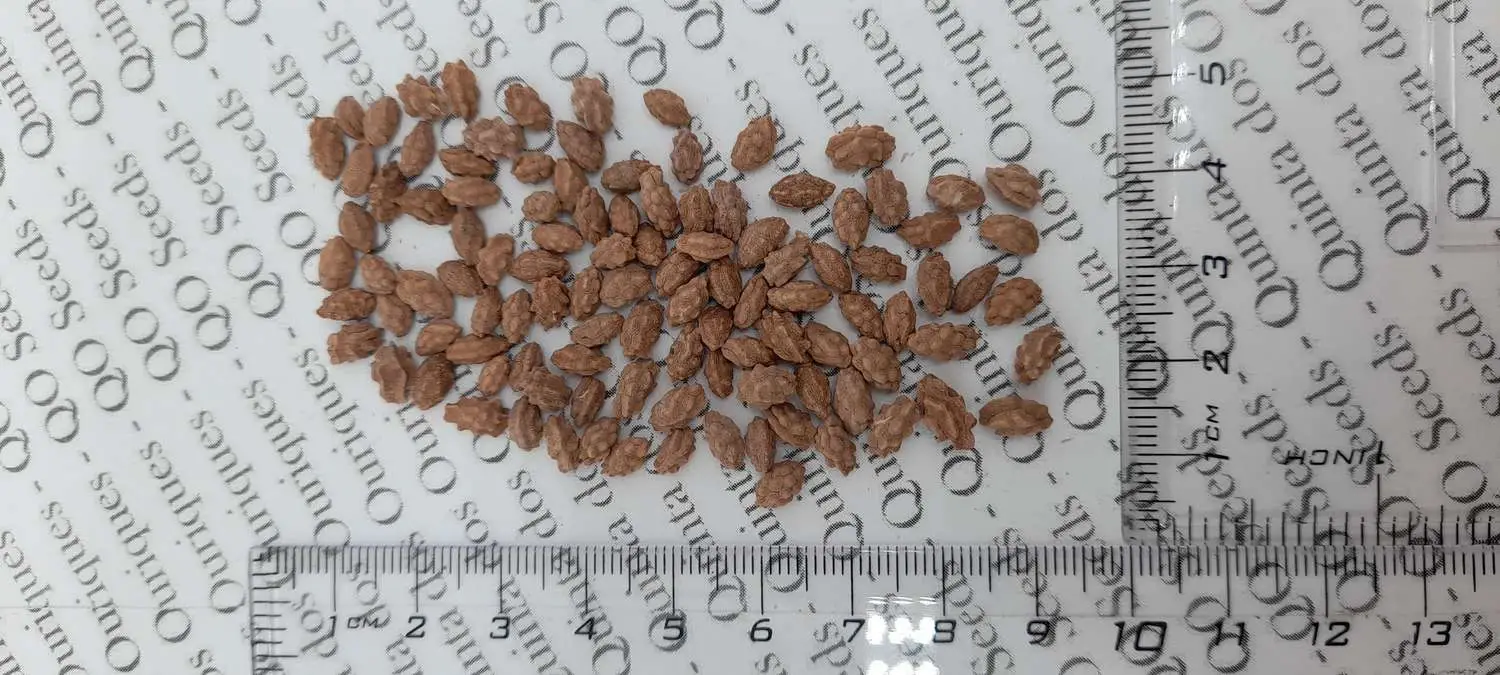
Sow at 5mm depth in direct light with moderate humidity. Seeds germinate in 2-8 weeks. Plant in early spring in unheated greenhouse for natural germination.
Only logged in customers who have purchased this product may leave a review.

Reviews
There are no reviews yet.