
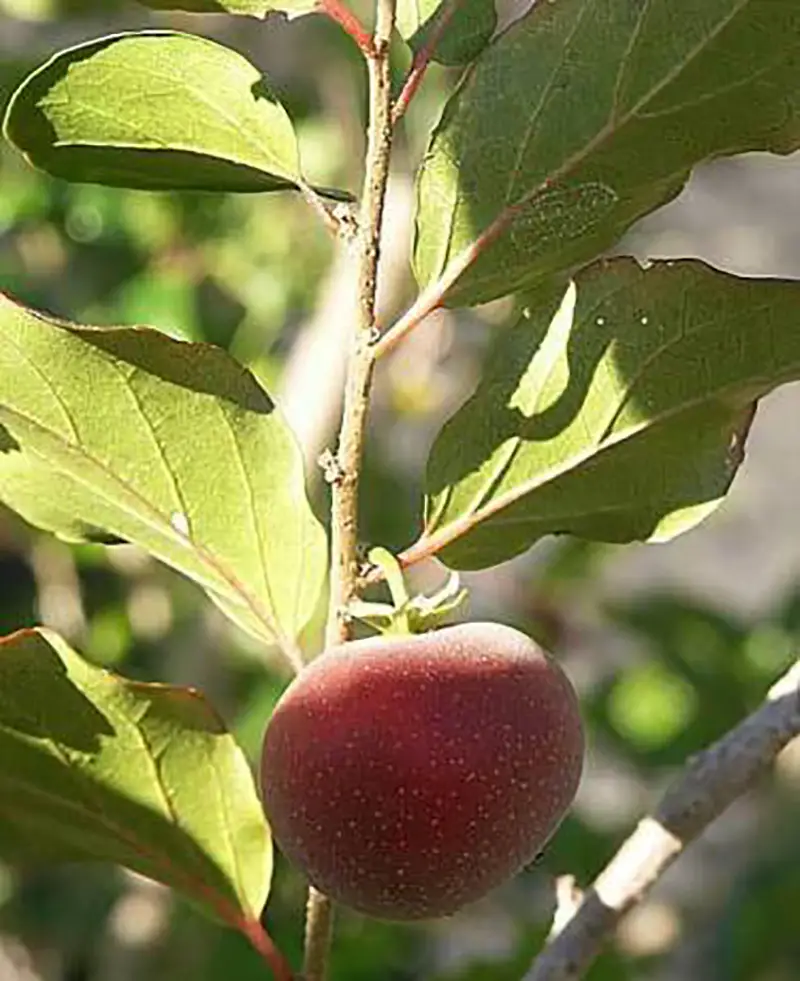
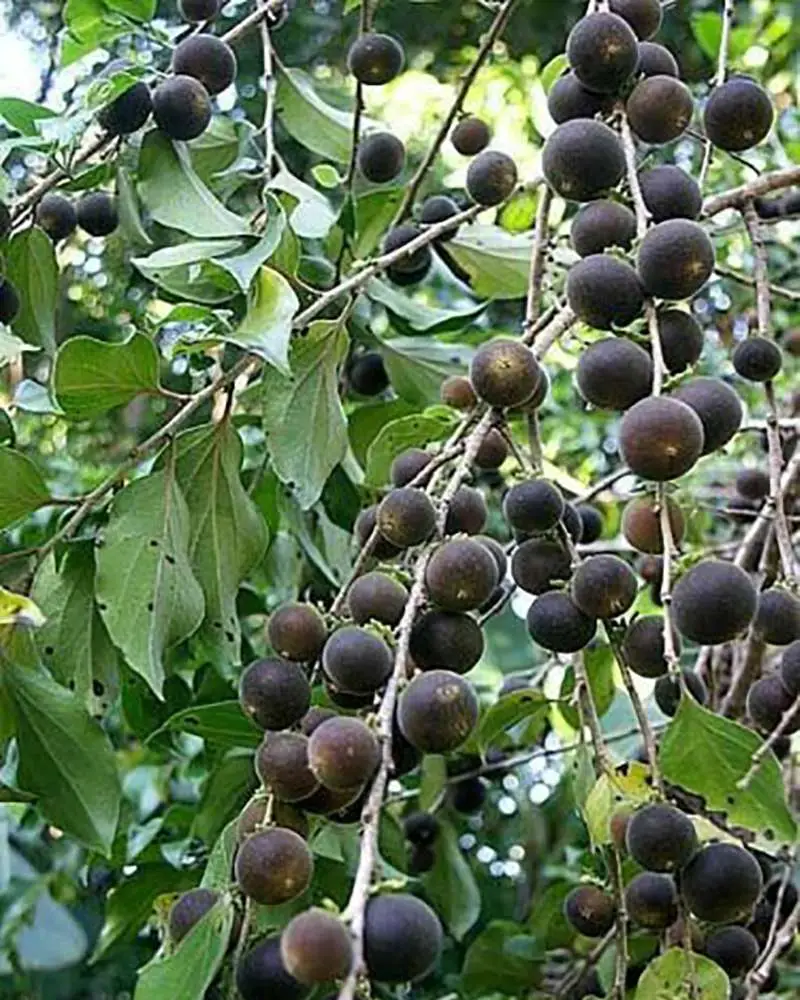
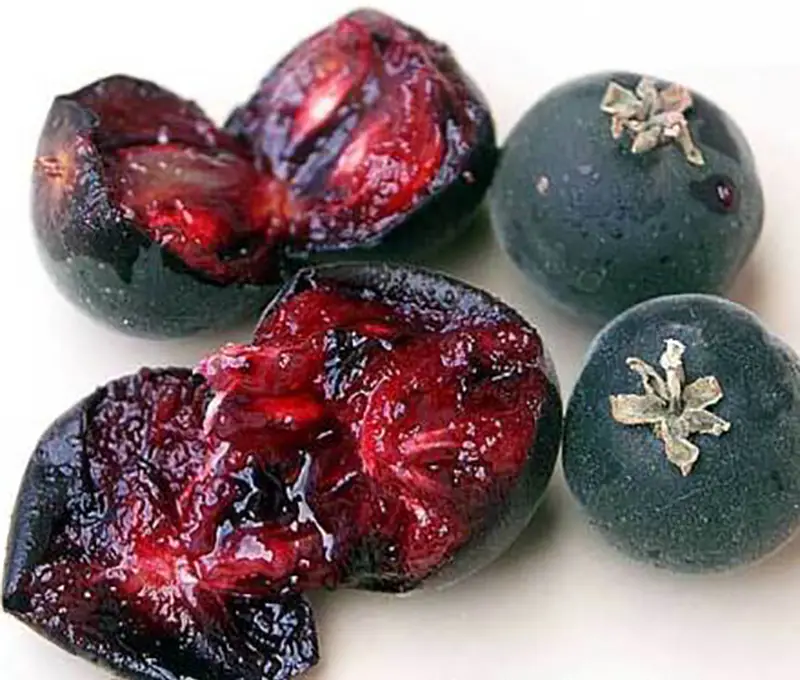
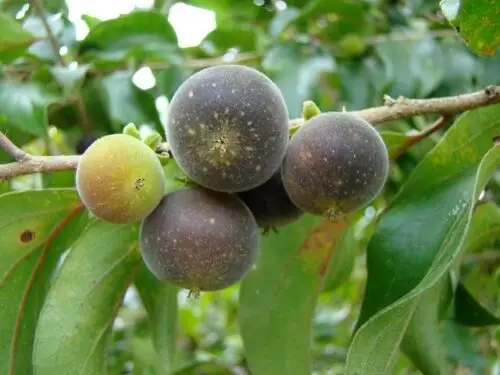
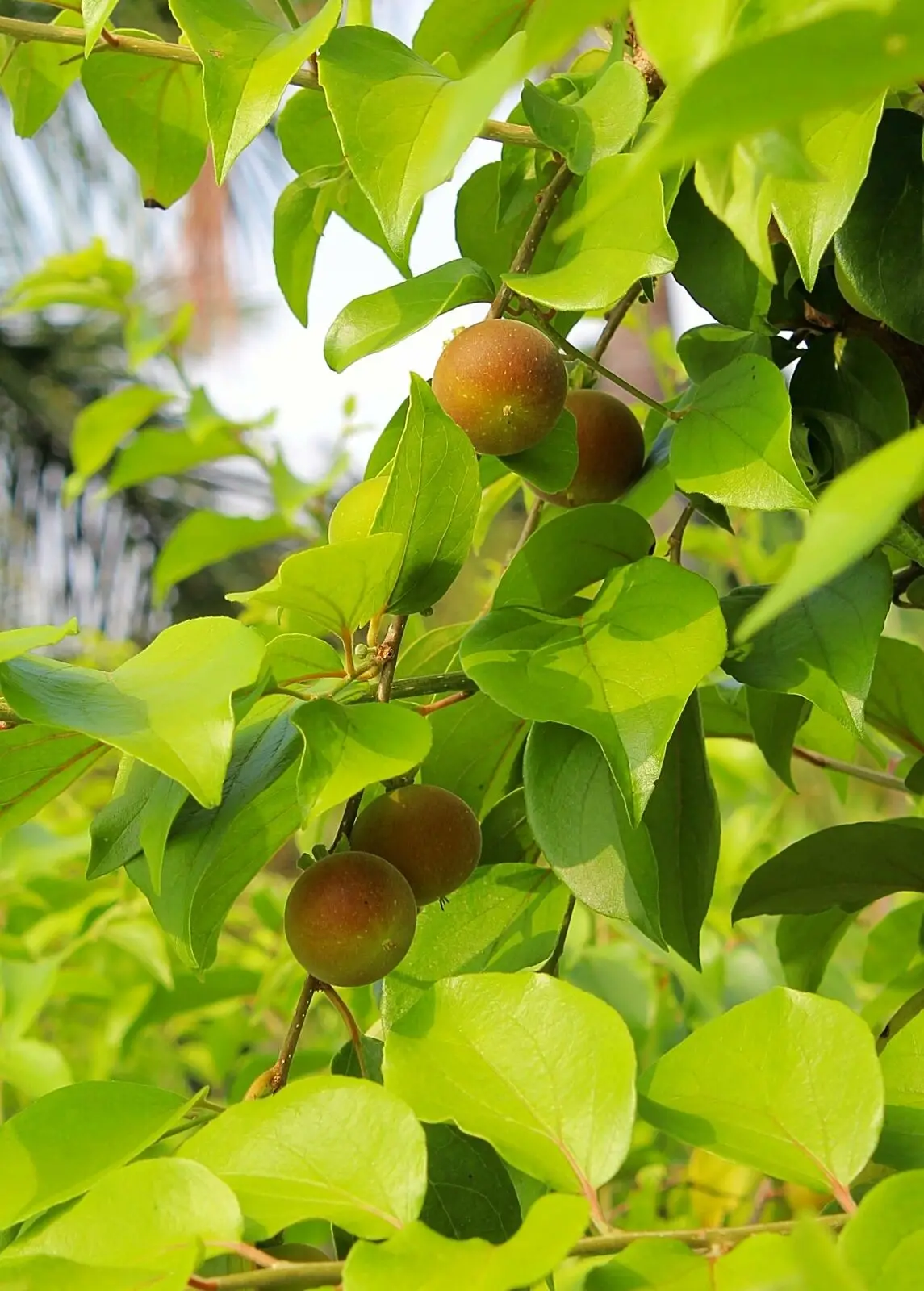
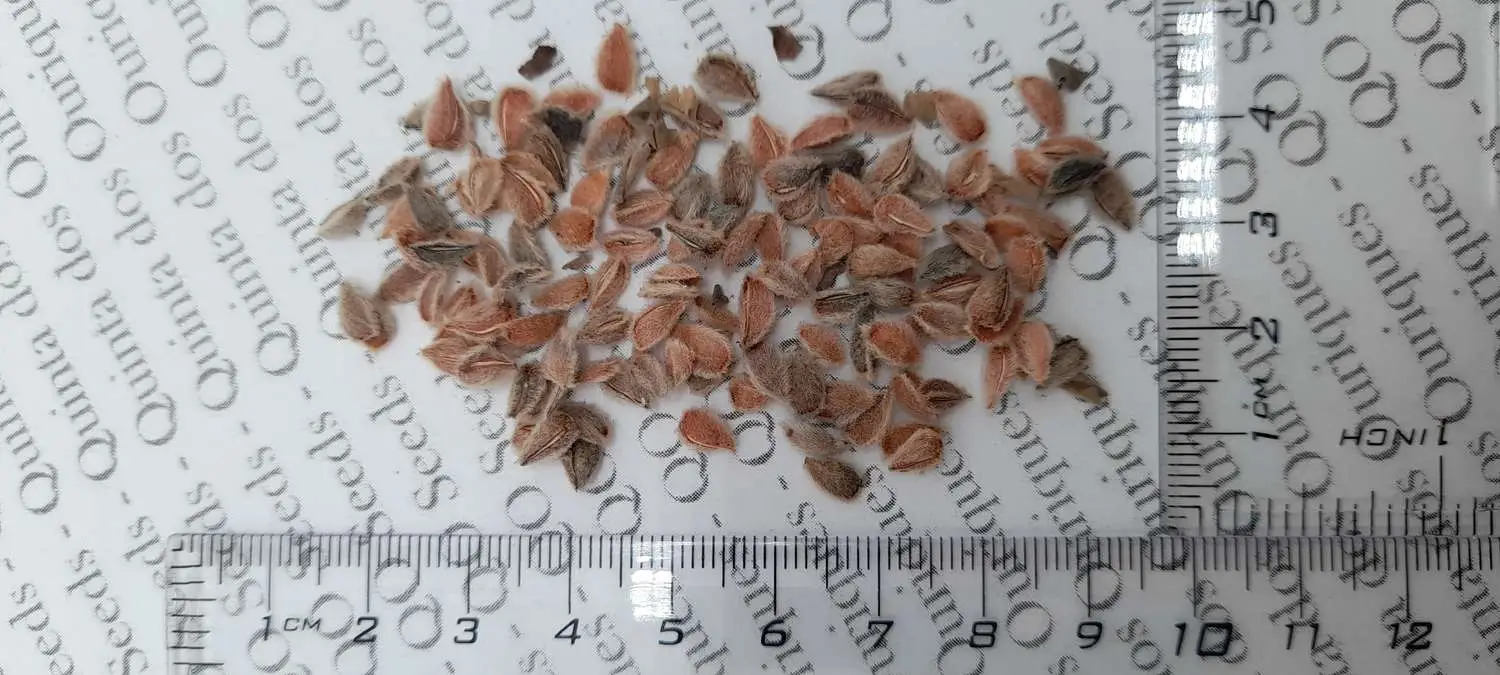
Grow your own jam jewels: small, dark purple globose berries with juicy, acidic flavor that transform into liquid gold. Their tartness makes them ideal for jams, jellies, and preserves, turning simple sugar into restaurant-quality condiments. Performs best in warm conditions with consistent moisture during growing season. Modest care, spectacular harvest. Grow from seed and taste
€2.54
Dark purple globose berries, juicy with acidic flavor—this is the Ceylon ketembilla, a tropical treasure that has seduced preservers and home cooks for centuries. Native to Sri Lanka and South Asia, and highly valued for its tart and tangy fruits, Dovyalis hebecarpa is a plant that doesn’t just produce fruit—it produces purpose. When you grow this species from seed, you’re not simply tending a shrub; you’re cultivating the raw material for the preserve that will make guests ask for your recipe.
Native to Sri Lanka and Southern India, Ceylon gooseberry trees have both culinary and ornamental value. The plant arrived in the Western hemisphere when Ceylon Gooseberry was originally brought to the United States by Dr. David Fairchild and has since been naturalized in Hawaii, Florida, Puerto Rico, Israel, and parts of Central America and South Africa. What makes this species remarkable is that it doesn’t succeed *despite* being undervalued—it thrives *because* it’s not yet discovered by everyone. The specimens you’ll grow are closer to their Sri Lankan ancestors than any supermarket fruit you’ll ever taste.
**The Preserve Revolution: Why Ketembilla Changed the Game**
Here’s where passion becomes commercial reality: fruits are commonly consumed fresh, though their tartness makes them ideal for jams, jellies, and preserves, and can be used in chutneys or pickled for tangy additions to savory dishes. But don’t think “ordinary jam fruit.” Ketembilla is respected mainly as a source of jelly for export in Israel—a country that built an export business on these berries. The fruits are prized for their unique, tangy flavor and are used to make jams, jellies, juices, and desserts, and the tart flavor complements sweeteners, making it a popular ingredient in preserves and desserts, while the fruit can also be used to make refreshing juices and wine. This is the fruit serious preservers dream of: high pectin, high acid, low sweetness—it demands your artistry and rewards it generously.
But there’s more beneath the skin. The Ceylon gooseberry contained similar or higher content of anthocyanins than other berries commonly consumed in human diet, with anthocyanins at higher levels in the fruit’s skin (284 to 351 mg) than in its pulp. Every jar you make isn’t just delicious—it’s a concentrated antioxidant. Medicinally, the fruit is rich in vitamin C and antioxidants, supporting immune health, and has been traditionally used to treat digestive issues and boost overall health. You’re not making jam; you’re making medicine disguised as pleasure.
**Growing Your Own Preserve Garden**
Dovyalis Hebecarpa thrives in warm climates with average temperatures ranging from 25°C to 30°C (77°F to 86°F) and requires well-draining soil with a pH level between 5.5 and 7.5. The plant needs a minimum of 6-8 hours of direct sunlight daily. Widely tolerant of soil type, it grows best in fertile, humus-rich, well-drained soil. In other words: plant it where other fruit thrives, give it sun, don’t drown it. Easy.
The plant thrives in seasonally dry tropical climates and can grow up to 6 meters in height, which means it won’t overwhelm a garden—its long, slender, arching, wide-spreading branches may cover 30 feet of ground, making it spectacular as a sprawling hedge. Dovyalis Hebecarpa produces fruit from late summer to early winter, with fruit best picked when fully ripe and turned bright red or orange color. The harvest window is generous. From seed the plants will take about 3 years to flower and if successfully poll
Only logged in customers who have purchased this product may leave a review.


Reviews
There are no reviews yet.