
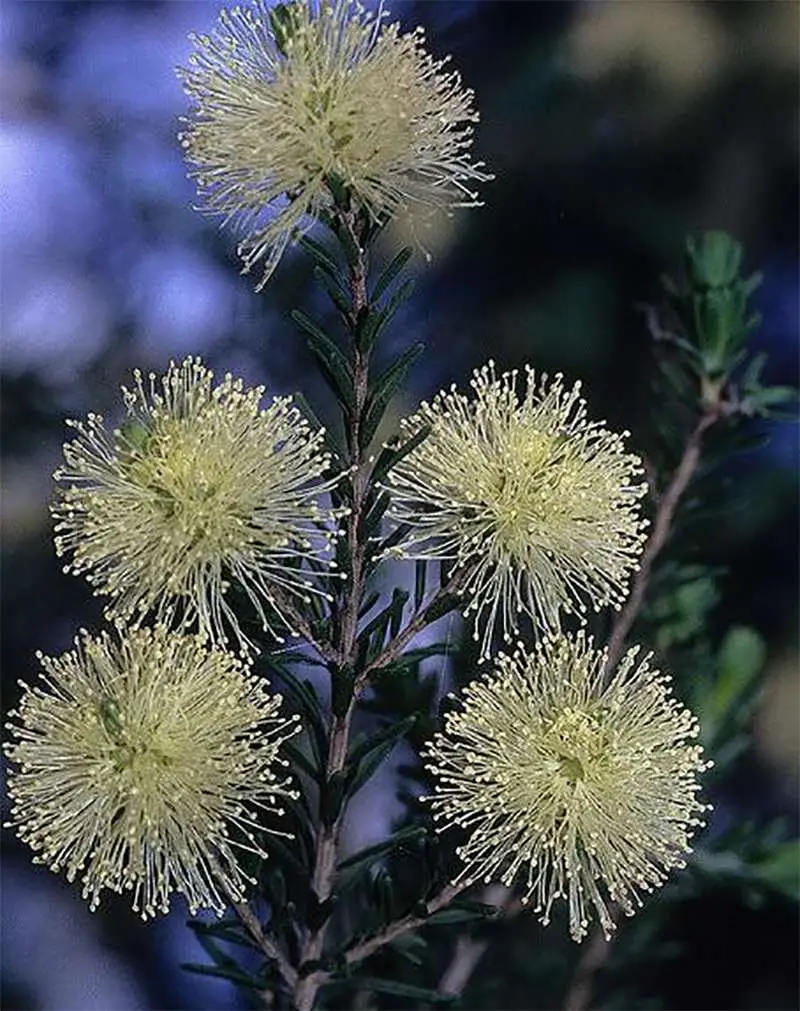
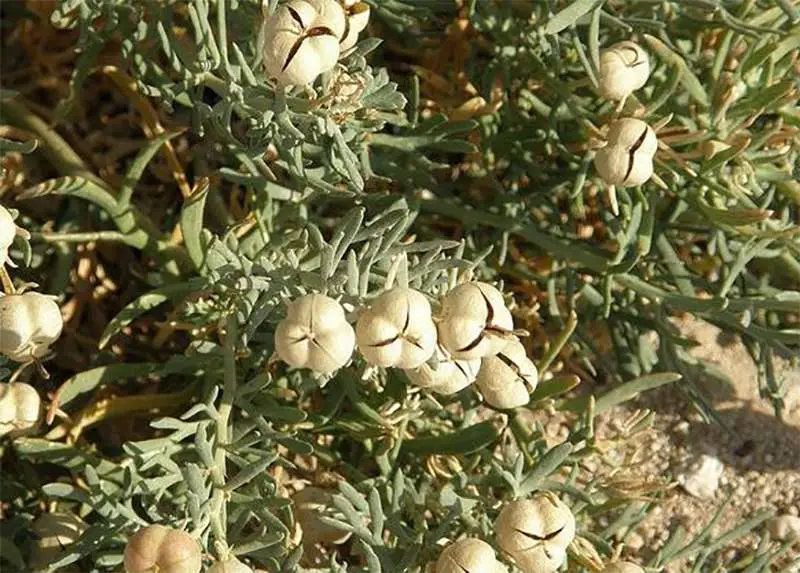
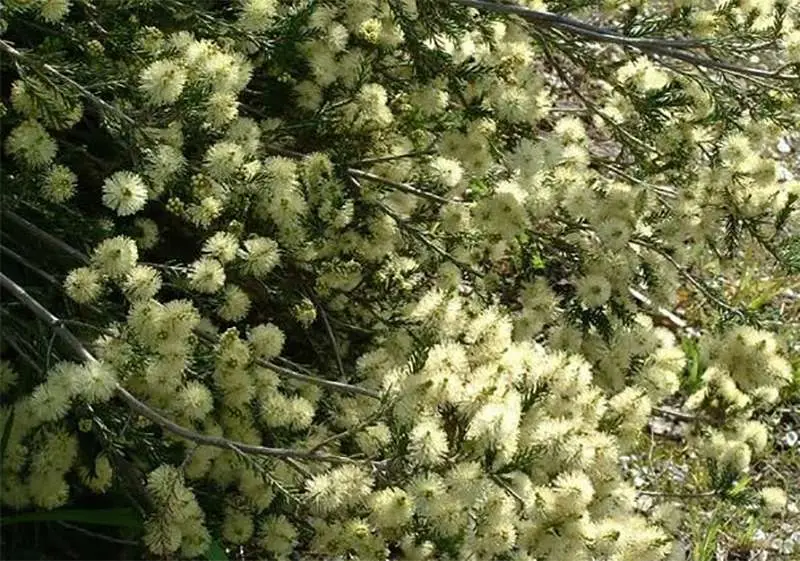
Discover Tasmania’s rarest Melaleuca: a densely foliaged shrub crowned with masses of deliciously fragrant, pale yellow flowers and leaves blistered with aromatic oil glands. Just two melaleucas are endemic to Tasmania—this is one of them. Grow from seed to nurture a plant prized for both its ornamental elegance and aromatic potential. Hardy, sun-loving, and surprisingly easy to cultivate.
€1.92
This is the Melaleuca only true collectors seek: Melaleuca pustulata, one of Tasmania’s most precious endemic shrubs, now within reach from seed.
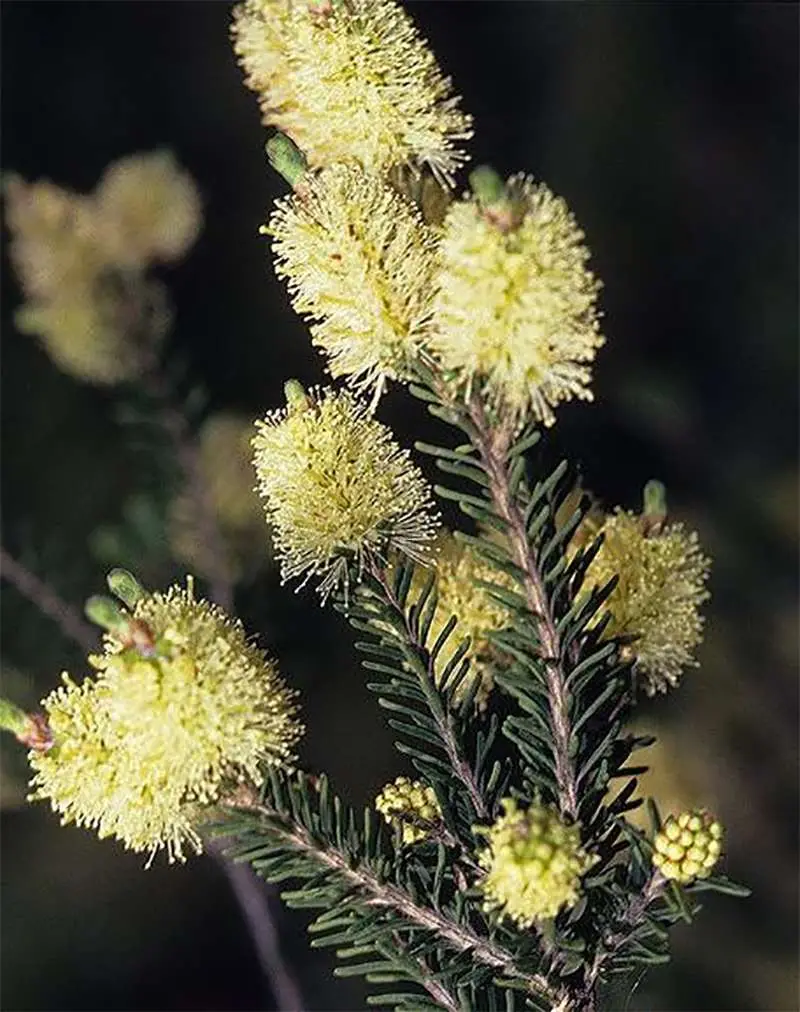
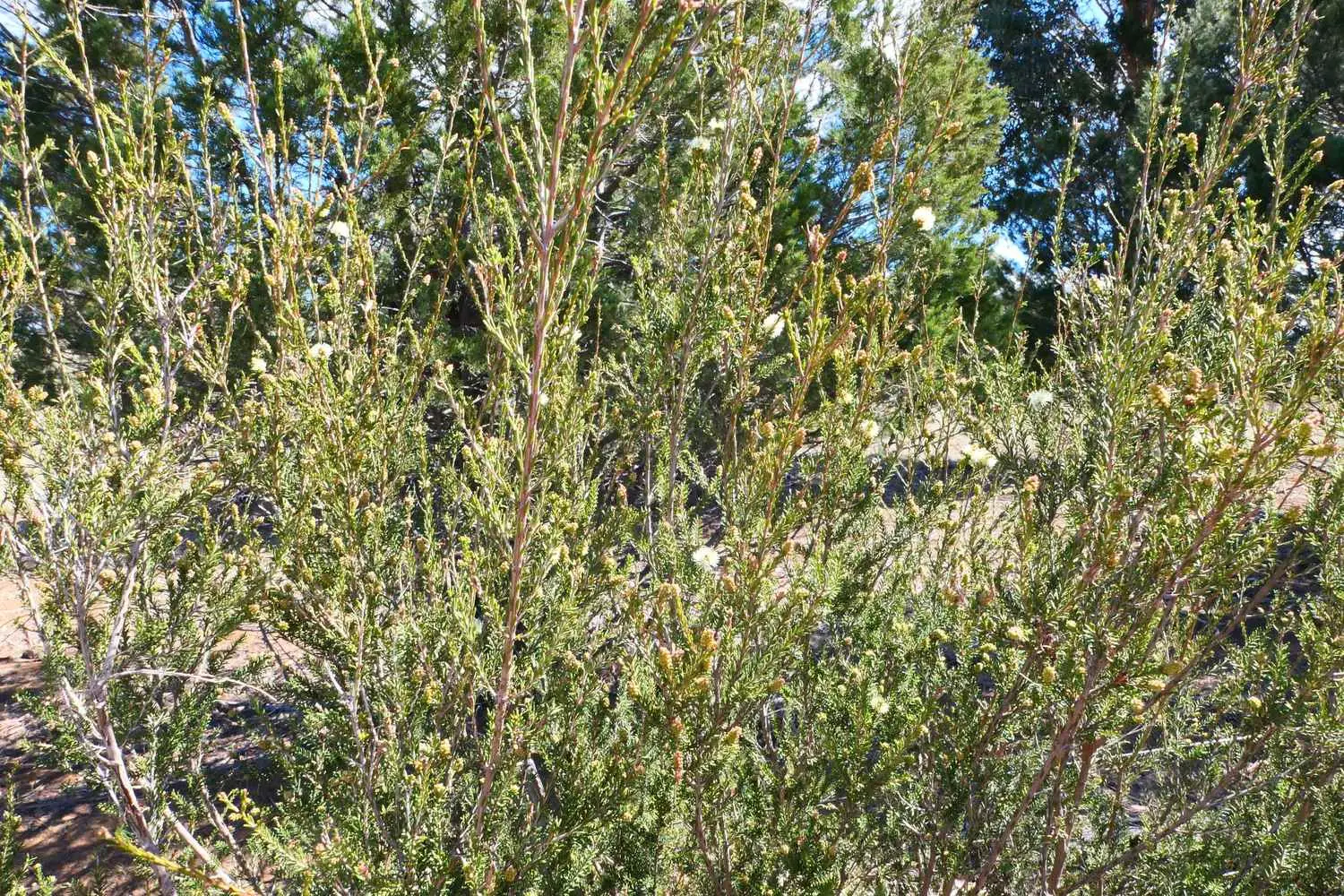
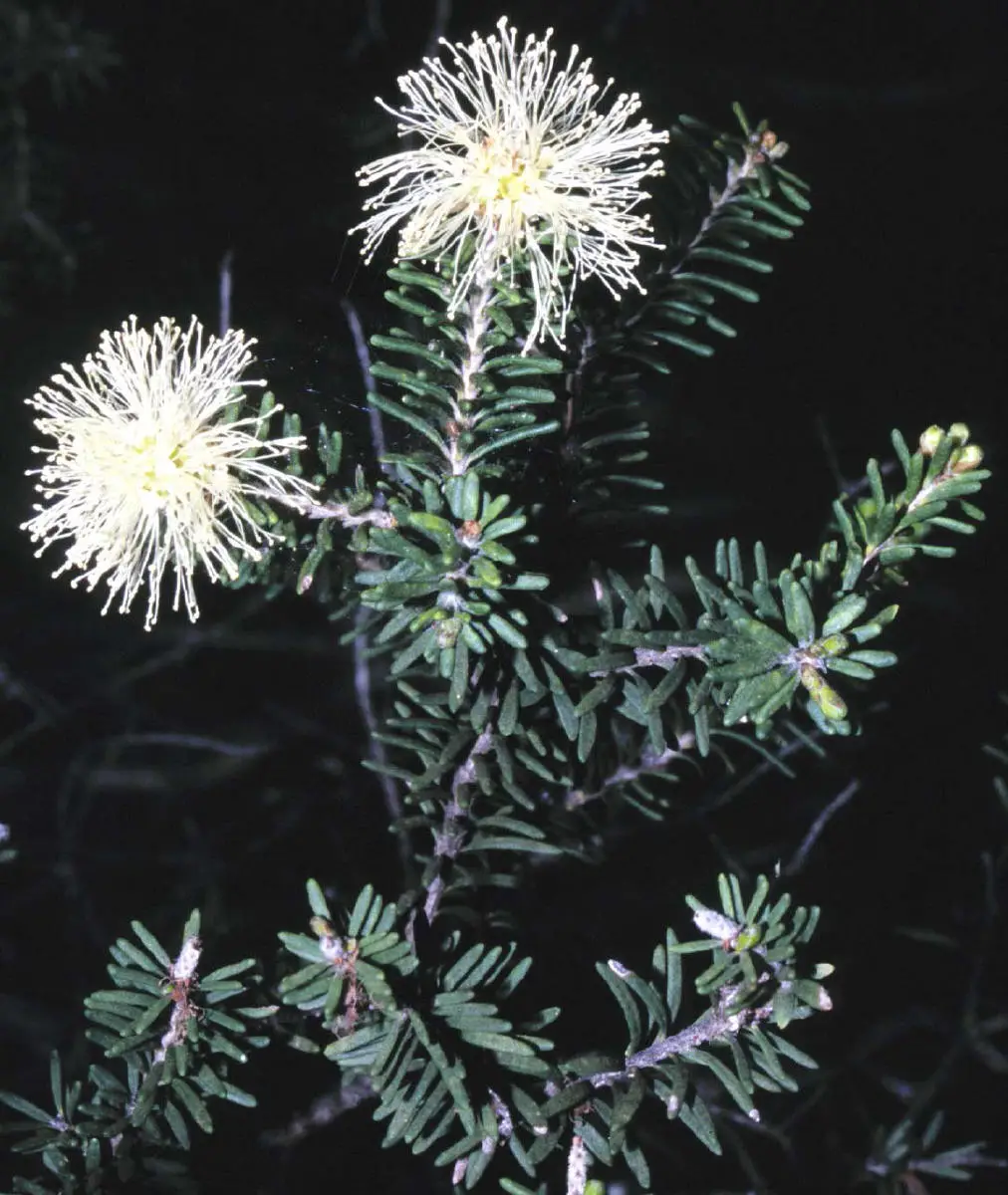
Native exclusively to Tasmania’s windswept east coast—where it thrives in dry heath and coastal scrubland between Swansea and Freycinet Peninsula—Melaleuca pustulata is a densely foliaged shrub of uncommon botanical distinction. Its name tells its story: pustulata means “pimpled” or “blistered” in Latin, a poetic reference to the raised oil glands that freckle each leaf like tiny jewels. This is not mere ornament; these glands contain the volatile essences that define the Melaleuca genus, making every leaf aromatic and alive.
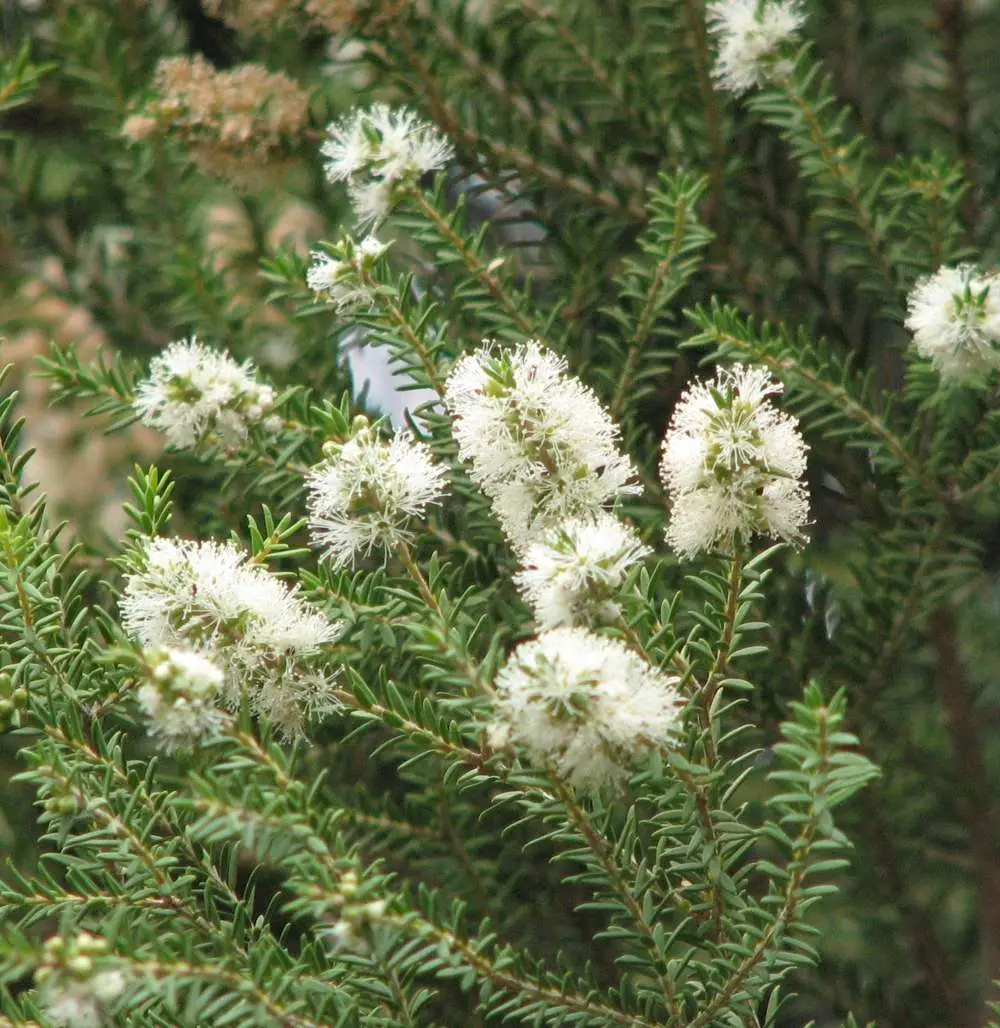
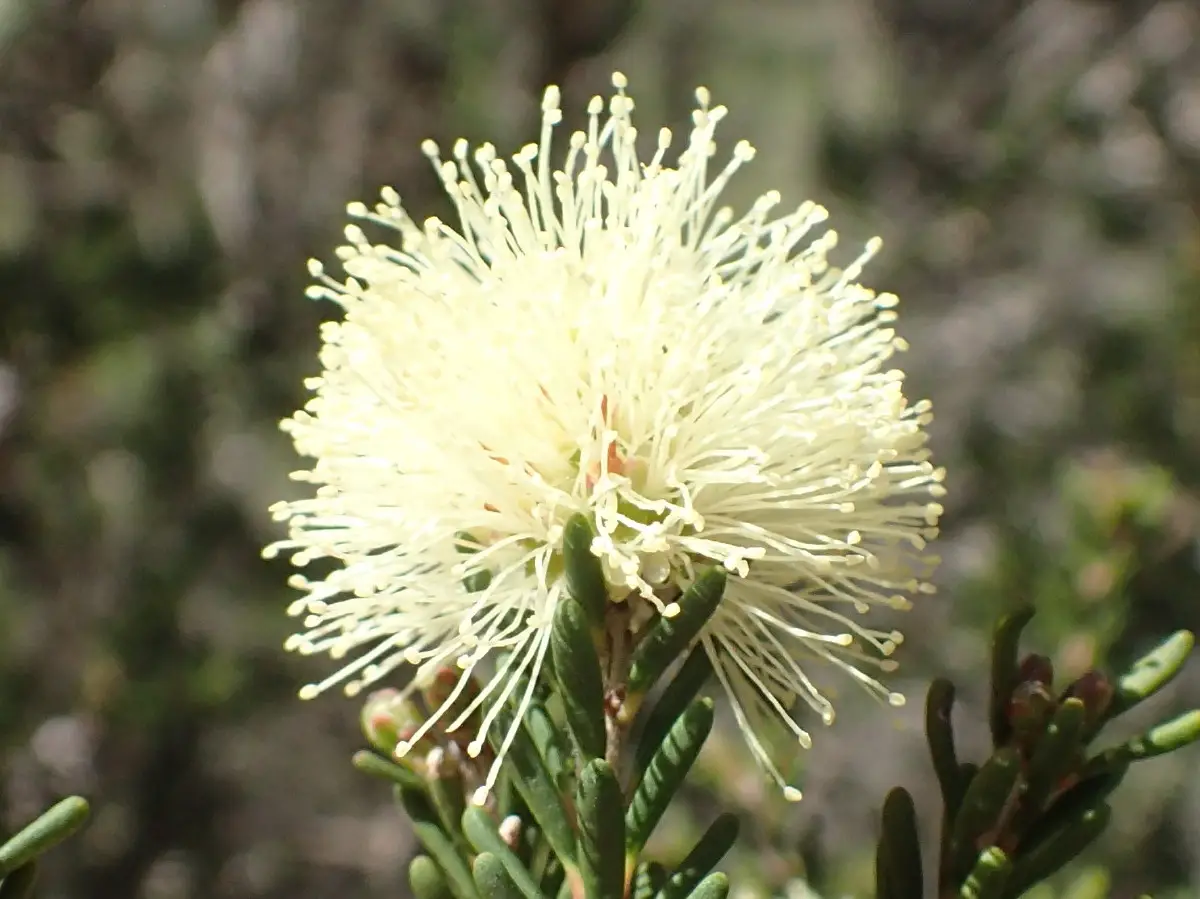
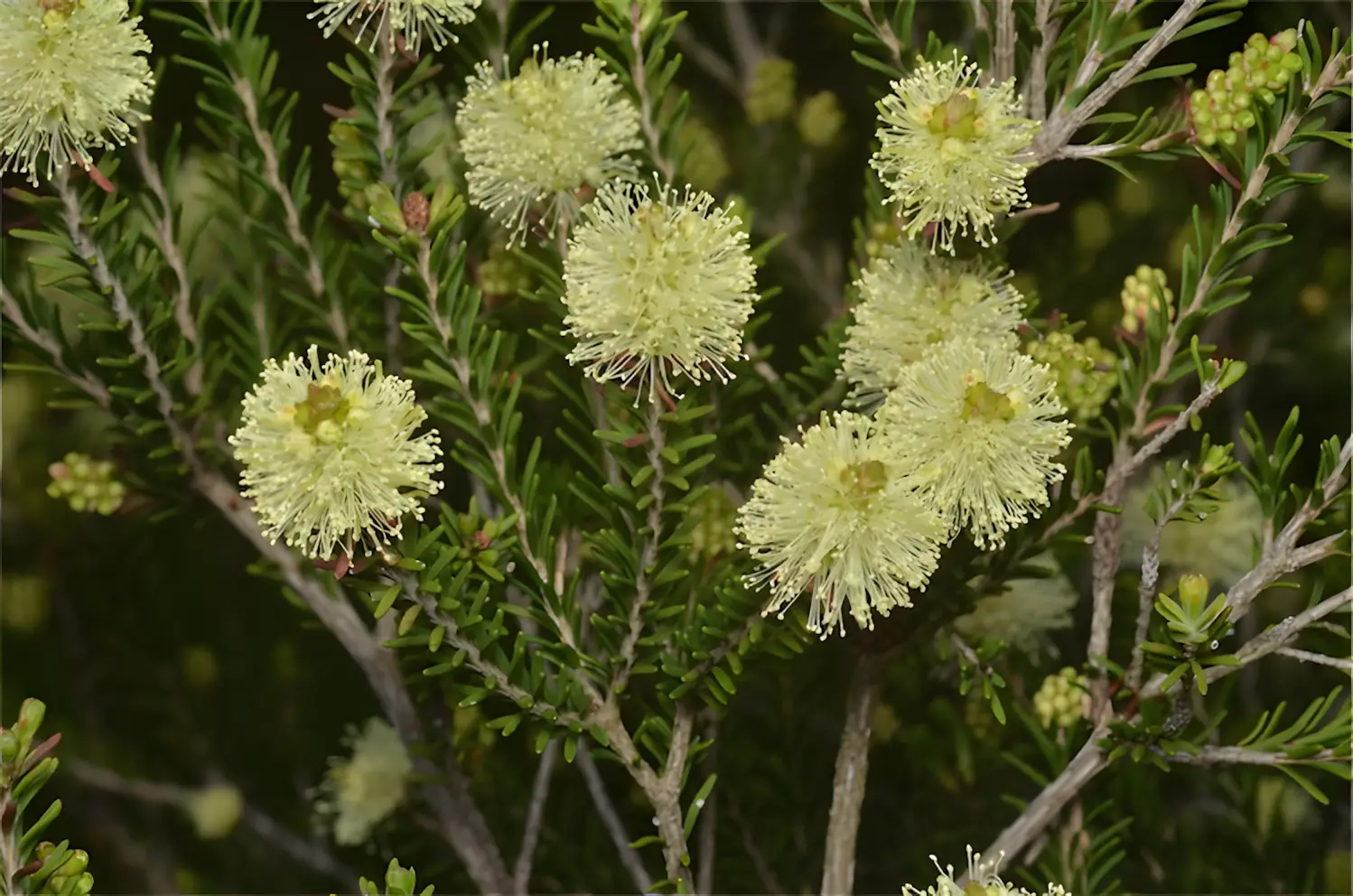
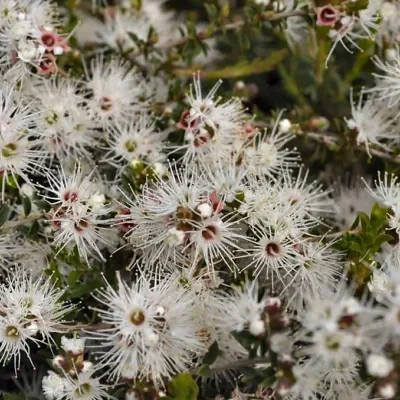
From spring into early summer, the plant erupts in profusion. Large, fragrant heads of pale yellow flowers emerge at branch tips—each flower head comprising 15 to 30 individual blossoms arranged in dense clusters. The fragrance is delicate yet pervasive, carrying the clean, invigorating aromatics for which Melaleucas are revered. The hairy new growth adds textural depth, while mature foliage presents a fine, linear silhouette that reads beautifully in the landscape. Pair this with the species’ naturally compact habit (2–3 metres at maturity in gardens, though it can reach 5 metres in ideal conditions) and you have a plant of rare sculptural appeal.
What distinguishes Melaleuca pustulata beyond its visual beauty is its aromatic heritage. Like its celebrated cousin M. alternifolia (the famous tea tree), M. pustulata’s leaves contain essential oils prized for their antiseptic and anti-inflammatory properties. While not traditionally harvested commercially, the species carries the same botanical promise that has made Melaleucas essential in natural medicine cabinets worldwide. The leaves, when brushed or crushed, release a clean, herbaceous scent—transforming a simple walk past your plant into a sensory experience. Gardeners have long treasured Melaleucas as natural hedges and windbreaks, and M. pustulata excels at both roles, creating a living screen dense enough to shelter yet beautiful enough to admire. This is a plant that works harder than it looks.
Growing Melaleuca pustulata is a triumph, not a struggle. The species thrives in full sun to half-shade, preferring well-drained soil and coastal conditions (salt-tolerant and frost-hardy). Plant in moist, well-drained positions on rocky ground—it actually thrives on the thin, challenging soils that defeat lesser plants. Unlike fussier species, M. pustulata adapts to most soil types and asks little beyond good drainage and adequate light. Seed propagation is straightforward, and plants establish quickly. Water moderately in the growing season; in drier districts, provide extra summer water until established. Once settled, this is a low-maintenance plant that rewards patience with years of fragrant abundance. Container growing is entirely viable for those with limited space or cooler climates.
To grow Melaleuca pustulata from seed is to join a lineage of Tasmanian botanists and native plant enthusiasts who understand that rarity need not mean difficulty. You’re cultivating a piece of Tasmania’s botanical heritage—a living reminder of coastal heathlands and windswept ridges, now thriving in your own garden. Every flower, every whisper of scent from those characteristic pimpled leaves, speaks of exclusivity achieved through patience and care.
Only logged in customers who have purchased this product may leave a review.

Reviews
There are no reviews yet.