
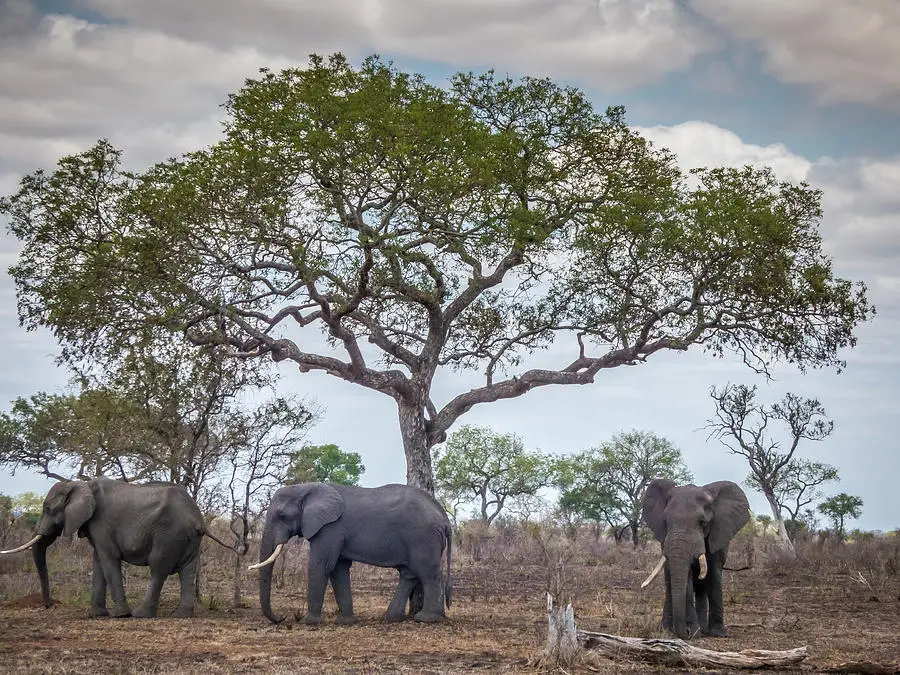
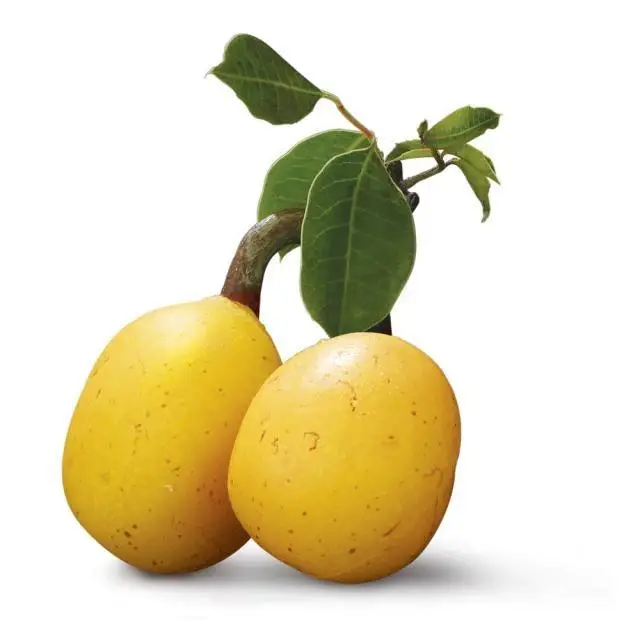
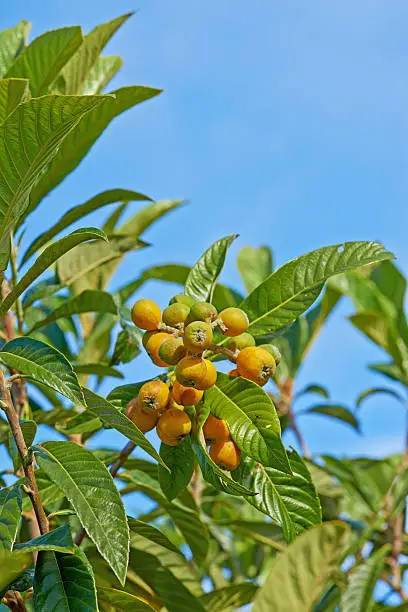
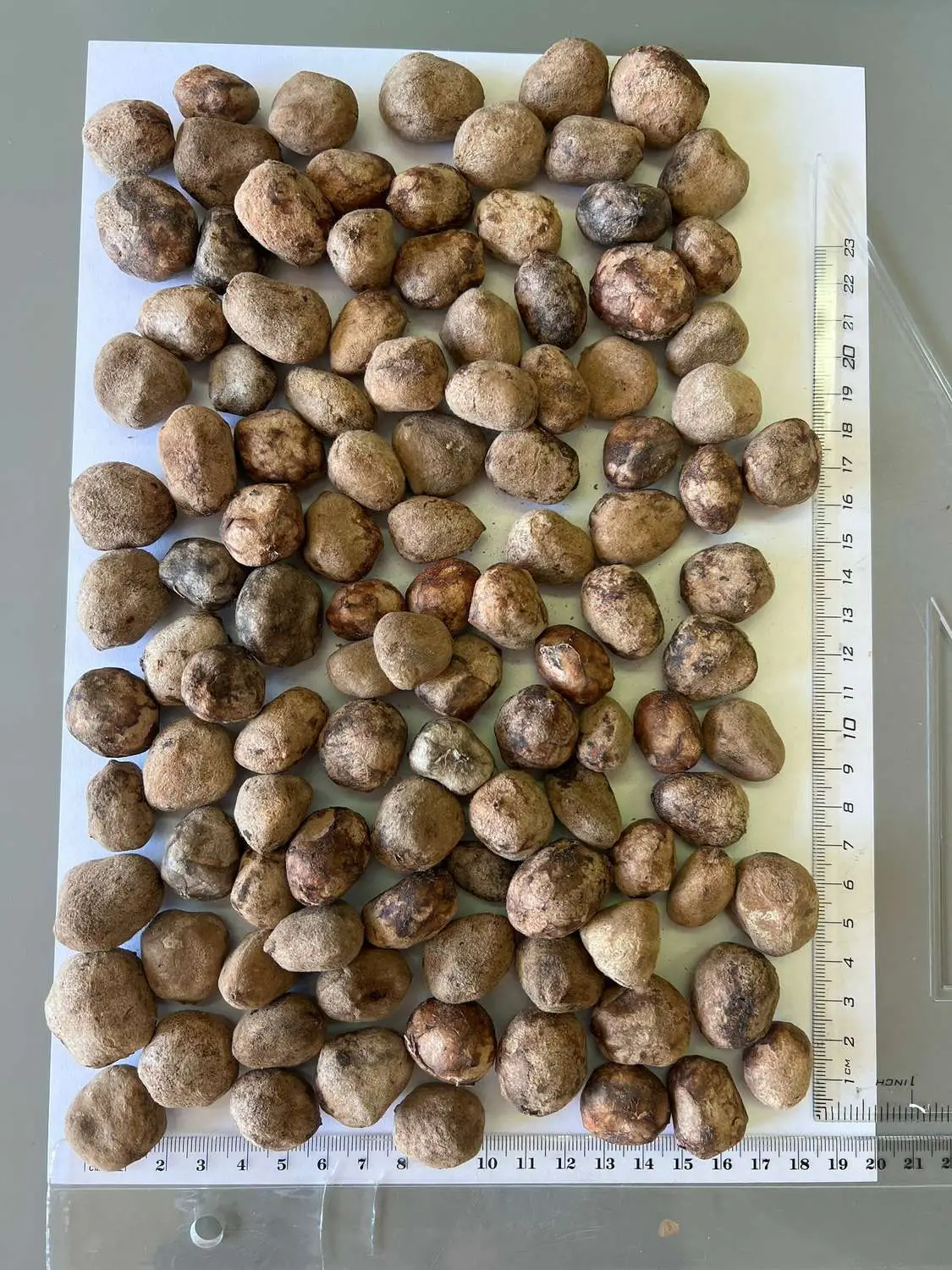
Grow the tree behind Amarula—one of the world’s most celebrated liqueurs. The Marula fruit is packed with 4 times more vitamin C than oranges, yielding creamy, tart-sweet flesh perfect for juices, jams, and legendary fermented beverages. Native to southern African savannas, it’s fast-growing (up to 1.5 m/year), thrives in heat and drought, and produces abundant fruit in 5-8 years from seed. Simple to cultivate in warm climates. Start your empire today.
€6.29
Grow the tree that has captivated human culture for millennia and inspired one of the world’s most awarded cream liqueurs. The Marula is not just a tree—it’s a gateway to African heritage, international commerce, and pure sensory delight.
**Origin: Africa’s Greatest Treasure** The Marula is a medium-sized deciduous fruit-bearing tree indigenous to the miombo woodlands of Southern Africa, the Sudano-Sahelian range of West Africa, the savanna woodlands of East Africa and Madagascar. Ancient San rock art depicts the Marula’s significance, while local folklore speaks of its mystical properties. Kings and chiefs historically declared it illegal to harm these trees, recognizing their vital role in sustaining both human and wildlife communities. The trees were so treasured that families would pass down specific Marula trees through generations as inherited wealth. This reverence wasn’t sentimental—it was earned. Every part of the tree has purpose; every season brings abundance.
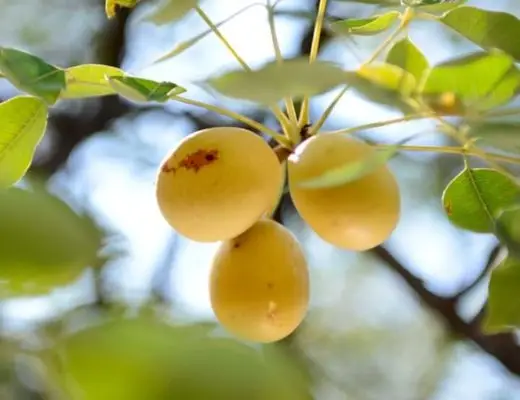
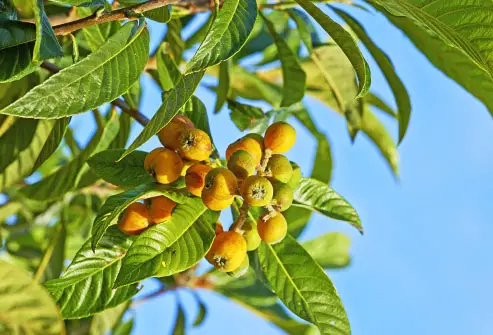
**The Fruit Revolution: From Savanna to Smartphone Screens** Here’s where the magic becomes real: Amarula is a cream liqueur from South Africa made with sugar, cream and the fruit of the African marula tree (Sclerocarya birrea), which is also locally called the elephant tree or the marriage tree. In 2019, 1 million units of 9 L cases of Amarula were sold worldwide. But Amarula is just the beginning. The fruit pulp is used to make a variety of juices, jams, jellies, and liquor (Amarula) which are sold in national and international markets. The nutritional profile is staggering: The fruits are generally produced in abundance, have a tart but pleasant taste, are very juicy and contain about 4 times more Vitamin C than oranges. Minerals such as calcium, iron, and zinc have been reported to occur in the fruit pulp. Beyond the fruit itself, the seed kernel is an important source of edible oil. In addition, the seed kernel is used as a substitute for groundnuts in cooked vegetables especially in South Africa. It is reported that the seed kernel is rich in fat and protein. And for cosmetics and skincare? This tree is beloved in cosmetology for its marula oil. In 2004, the Eswatini Ndlovukati (Queen Mother) established Swaziland Marula and Swazi Secrets, commercial processing plants to economically empower rural women involved in marula harvesting and processing. Swazi Secrets has produced a range of natural skin care products such as marula oil-based soaps, and body lotions. Whether you’re dreaming of craft beverages, medicinal infusions, artisanal cosmetics, or simply extraordinary nutrition on your plate—the Marula delivers. It’s a living business model rooted in your garden.
**Cultivation: Easier Than You’d Expect** An easily grown plant requiring very little attention once established, it succeeds in soils that are too poor to support other crops. A fast-growing tree, with a growth rate of up to 1.5 m/year. It thrives in tropical and subtropical climates, withstanding high temperatures and drought. It does not tolerate severe cold or frost. Marula trees thrive in full sun and warm, dry climates for optimal growth. Well-draining sandy or loamy soils with pH 6.0-7.5 are ideal for Marula. Regular watering for young trees is essential; mature trees are drought-resistant. The beauty? Resilient to drought, wind, and salt, Marula trees thrive in challenging conditions with minimal maintenance. From seed to fruiting takes patience—trees started to bear fruits in the fourth year, and reasonable yields
Only logged in customers who have purchased this product may leave a review.
Reviews
There are no reviews yet.