
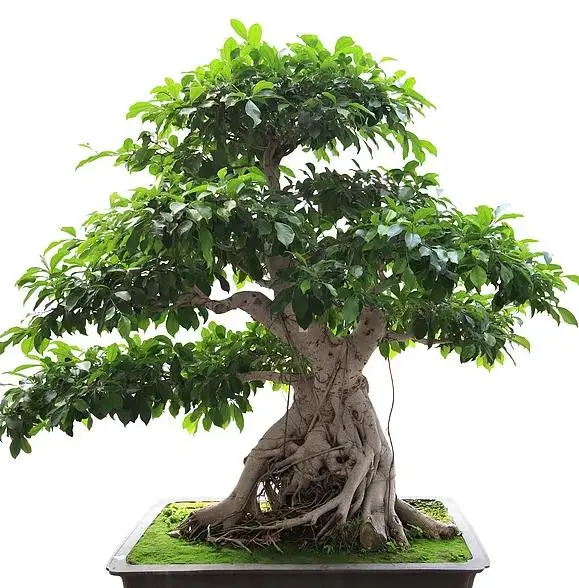
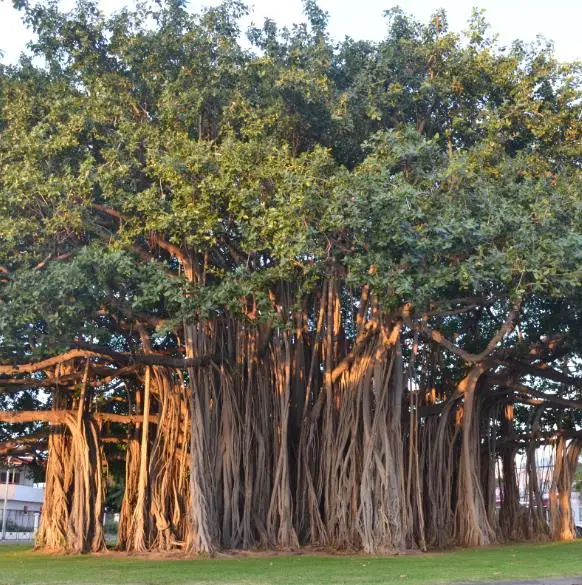
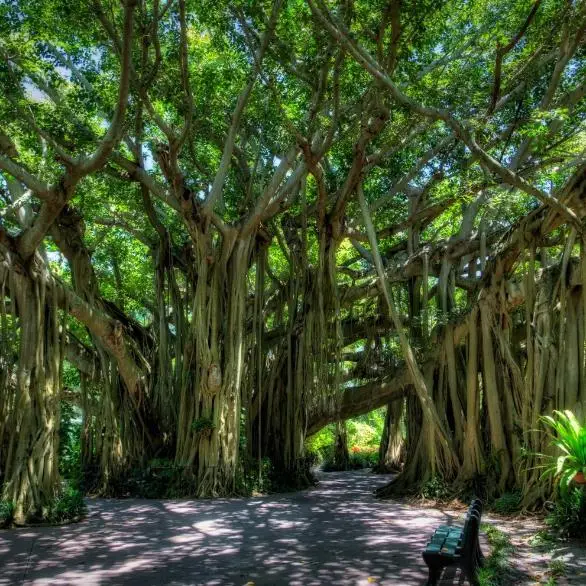
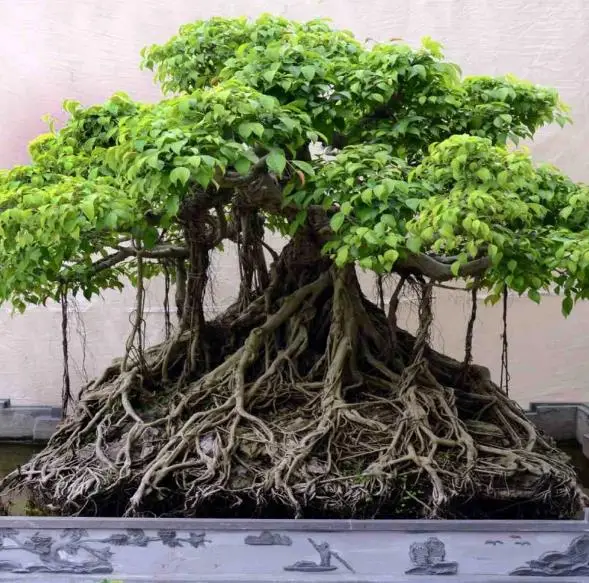
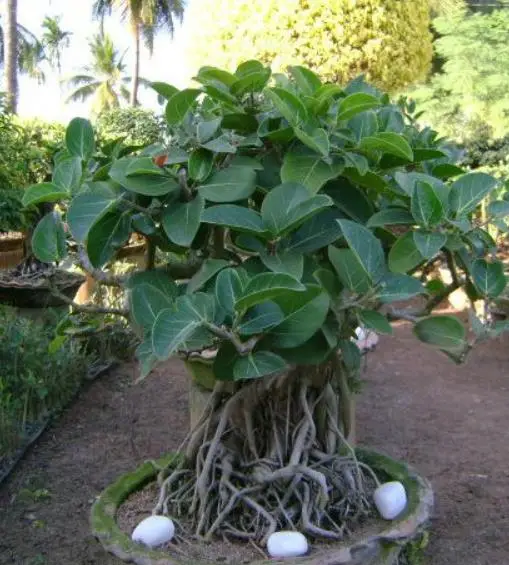

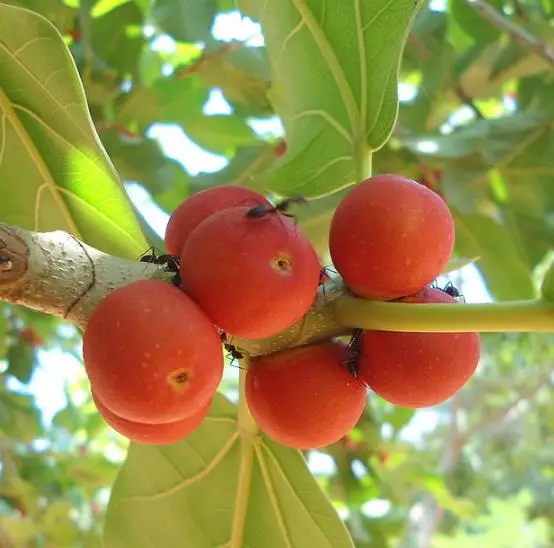
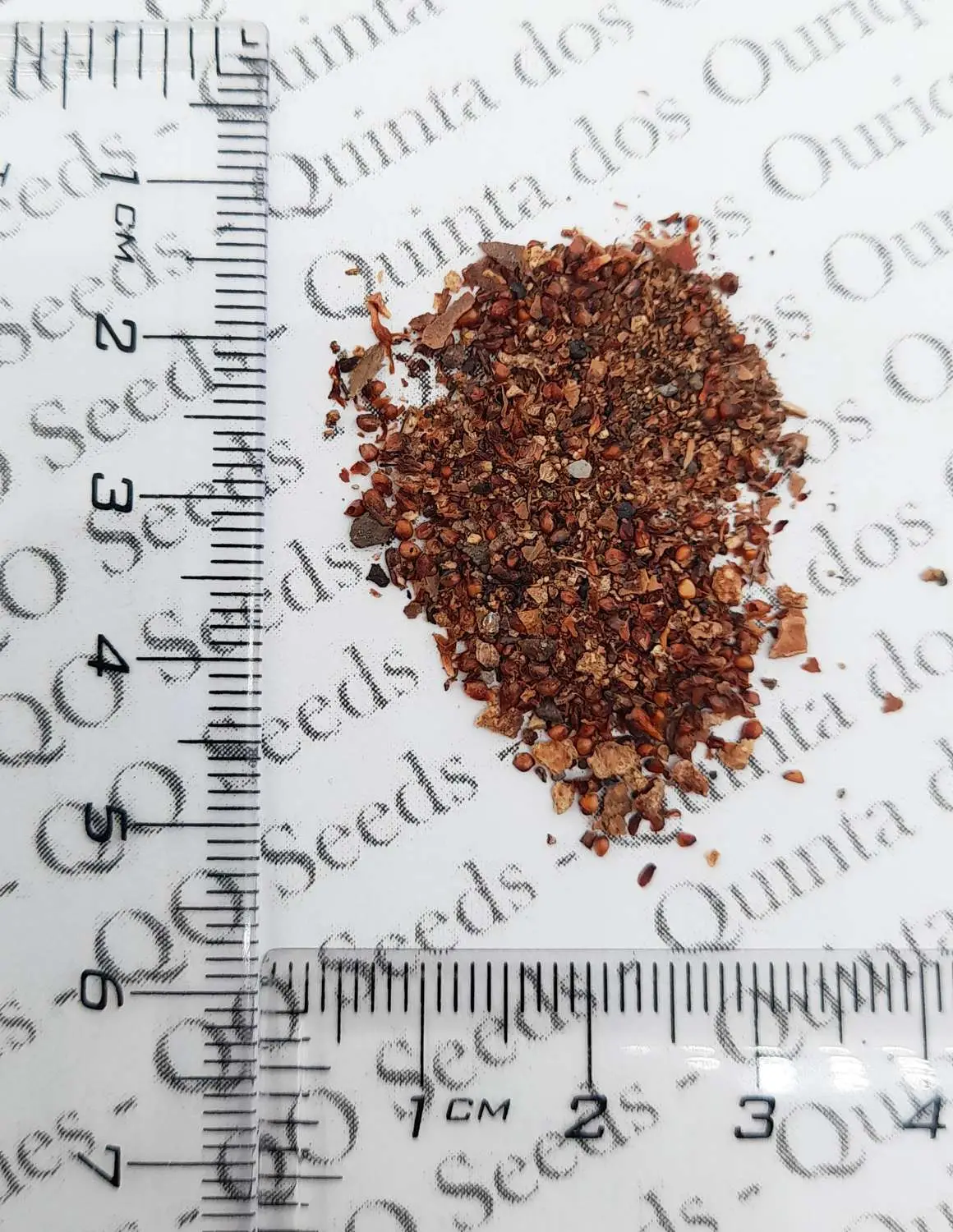


Grow the world’s most architecturally rewarding bonsai from seed. Ficus benghalensis produces those mythical aerial roots that transform into sculptural trunks—the signature banyan look bonsai artists obsess over. Easy warmth and bright light, moderate watering, fast growth. Your living forest in miniature starts here. Sow spring or summer for best results.
€1.92
Imagine growing the bonsai specimen that will stop every visitor in their tracks: a miniature version of the sacred Indian banyan, complete with the aerial roots that make this tree a living work of architectural art.
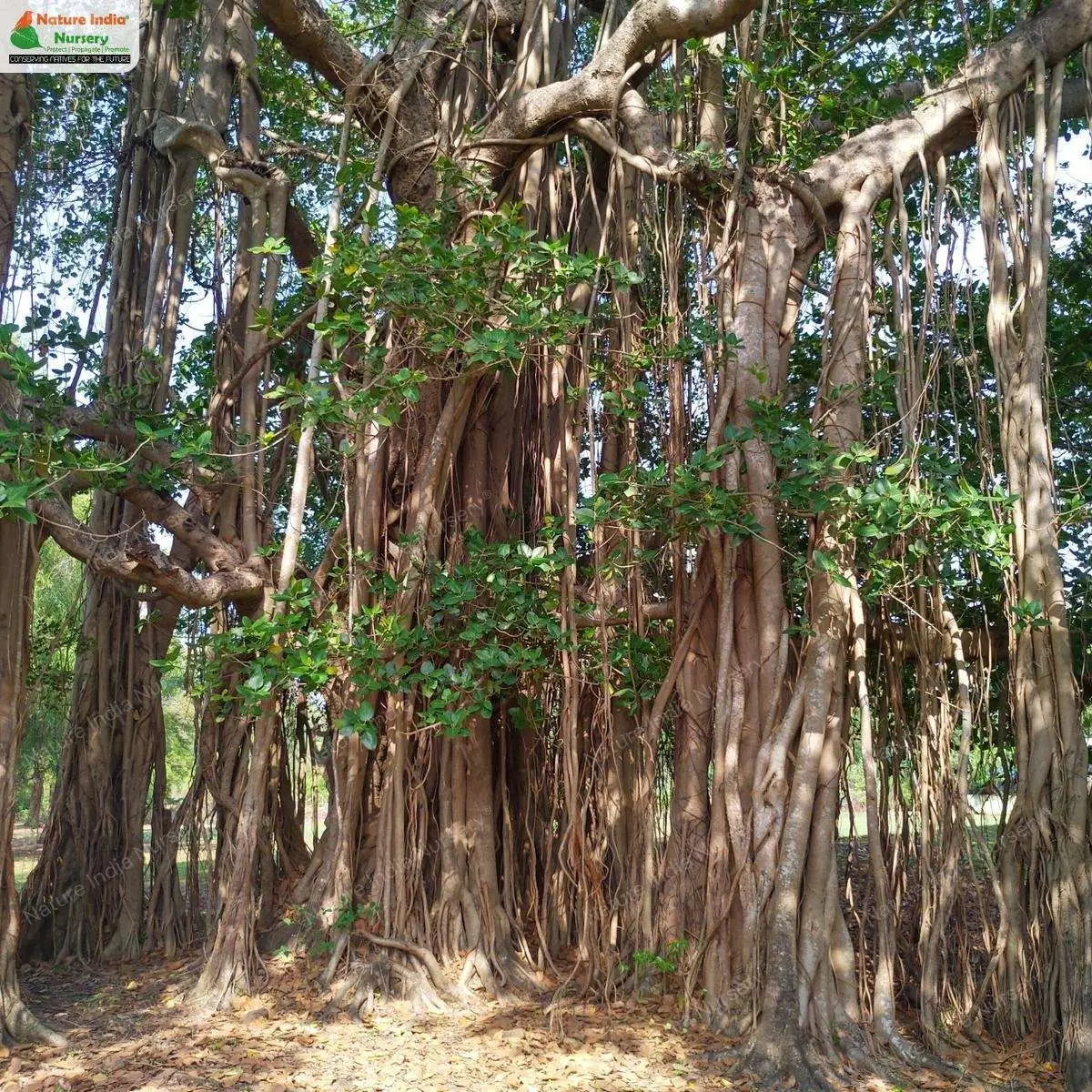
Native to the Indian subcontinent and revered for over 2,000 years, Ficus benghalensis holds its place as India’s national tree—not just for beauty, but for profound spiritual significance in Hindu and Buddhist traditions. The tree is known in mythology as “the wish-fulfilling tree,” symbolizing eternal life and infinite growth. When you grow this from seed, you’re cultivating connection to one of the world’s most sacred botanical traditions.
But here’s what ignites bonsai passion: the aerial roots. This is THE signature feature that distinguishes Ficus benghalensis from every other fig species. Unlike most bonsai, the banyan naturally develops those gravity-defying aerial roots that descend like sculptural appendages, then thicken into secondary trunks when they establish. This happens from year one, giving you the dramatic multi-trunk banyan silhouette that bonsai enthusiasts pursue for decades with other species. You get it by year 3–4. The complex root architecture and natural branching tendency make Ficus benghalensis the preferred subject for penjing and bonsai styling—it’s almost born to be miniaturized. Beyond bonsai, the bark and fruits have been used in Ayurvedic medicine for centuries to support health (stem bark for metabolic function, latex for wound care, fruits as a tonic), and the tree is an exceptional air-purifier for indoor spaces. Whether you’re seeking the master bonsai challenge or a sculptural indoor centerpiece with real botanical heritage, this tree delivers on multiple levels.
Growing from seed is straightforward and rewarding. Ficus benghalensis prefers bright, indirect light (or dappled sun outdoors in warm zones) and moderate, consistent watering—never soggy. Keep soil well-draining with good organic matter. Temperature: 65–80°F is ideal; the tree thrives in tropical warmth but is surprisingly adaptable once established. Seeds germinate best at 21–26°C (70–79°F) with high humidity—sow on the soil surface, do not bury, keep moist, and you’ll see sprouts within 1–3 weeks. The seedlings are vigorous. Young trees grow rapidly, so repot every 1–2 years and prune to control shape and encourage that dense foliage canopy. Indoors in cooler climates, it reaches 5–10 feet with pruning, becoming a living statement. Outdoors in tropical zones (10–11), it’s the ultimate shade and specimen tree. This is a remarkably low-maintenance plant once you establish the rhythm—just bright light, consistent moisture, and warmth.
There is no tree that transforms faster from seed into sculptural bonsai. No species more recognized by bonsai masters. No plant more steeped in spiritual and medicinal history. When you sow these seeds, you’re not just growing a houseplant—you’re awakening one of nature’s most magnificent architectural beings. The banyan awaits. Let it emerge from your hands.
Only logged in customers who have purchased this product may leave a review.
Reviews
There are no reviews yet.