Solanum lycopersicum ‘Silvery Fir Tree’ — Living Garden Art | Red ornaments on silver ferns

A Russian heirloom that doubles as sculpture. Feathery, silvery fern-like foliage crowns a compact 24-inch plant, studded with perfectly round, edible red tomatoes that ripen all at once—like Christmas ornaments hanging in living silver. Thrives in containers, patios, and small spaces. Early, reliable, stunning. Grow it for the beauty; enjoy the tangy, fresh-picked fruit as the perfect bonus.

2.57

SKU: P-2332 Category: Tags: , ,

You May Also Like

Description

This isn’t a tomato plant you hide in the back garden. This is the centerpiece of your patio, your hanging basket crown jewel, your conversation starter.

Silvery Fir Tree is a rare Russian heirloom that treats ornament like a serious garden objective. Introduced to the Western world in the early 1990s by Marina Danilenko, a Moscow seed collector who safeguarded Russia’s horticultural treasures during the post-Soviet era, this variety carries decades of cultivation and selection behind every seed. Its name—Serebristaya El in Russian—is no poetic exaggeration: the plant truly resembles a living fir tree dressed for the holidays.

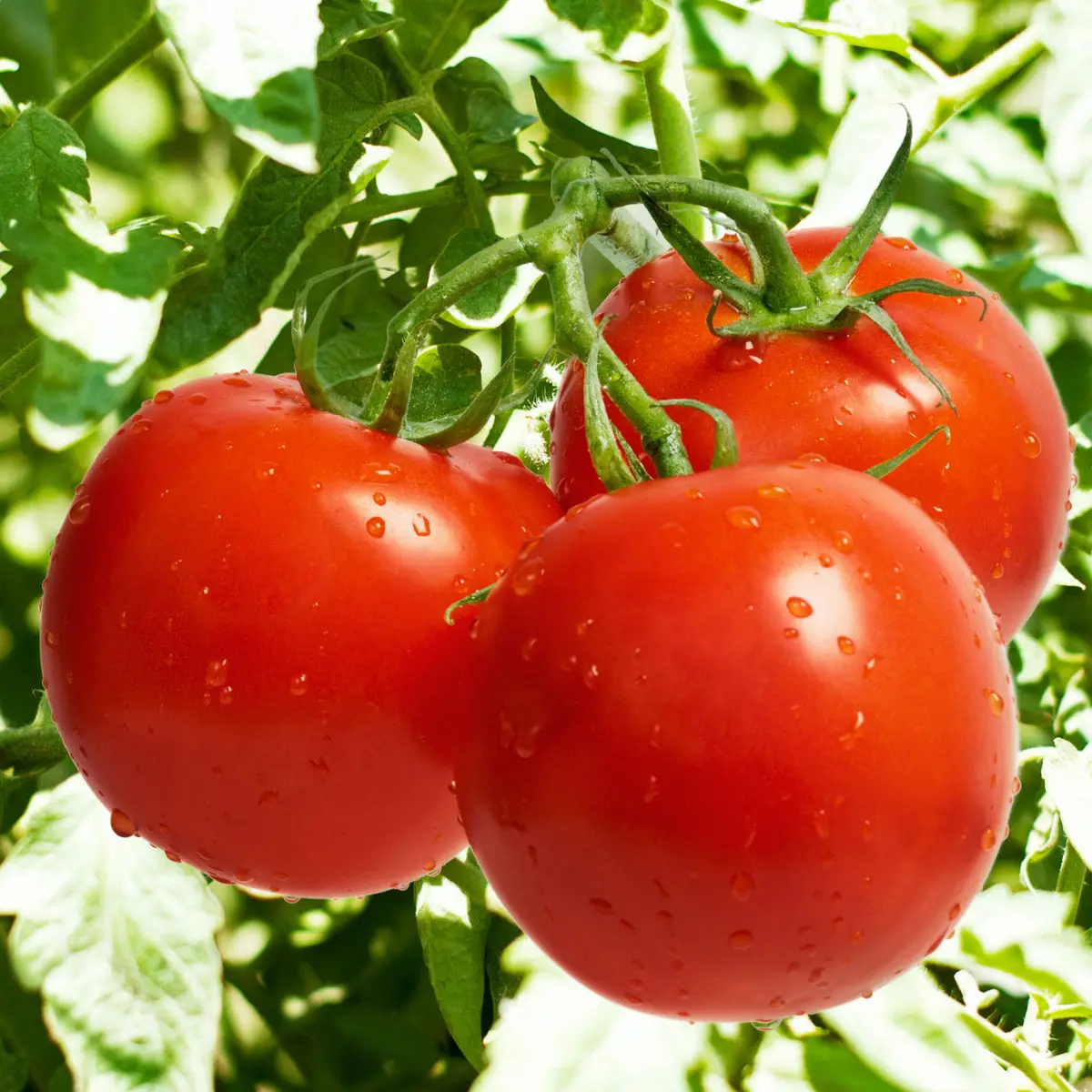
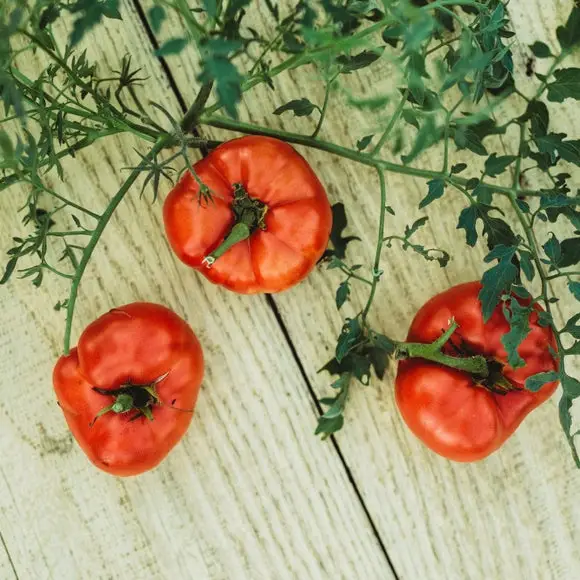
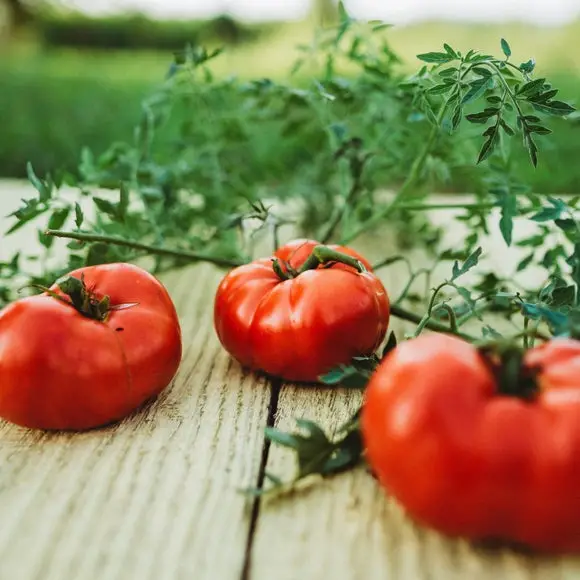
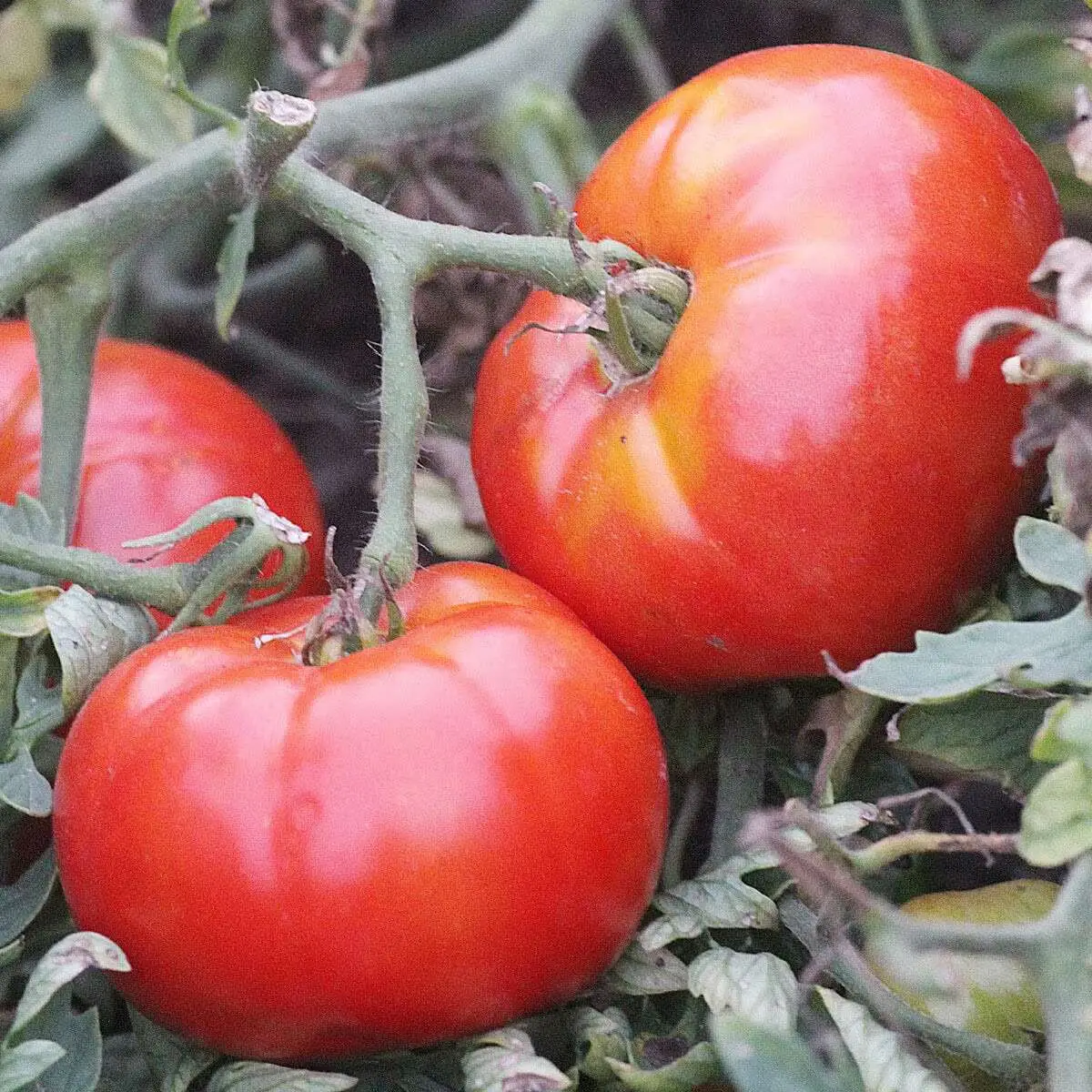
What makes Silvery Fir Tree genuinely special is its foliage, a botanical oddity that transforms it into living garden art. The leaves are deeply cut, feathery, almost fern-like, with a distinctive silvery-gray cast that catches light and draws the eye. This isn’t a mutation that weakened the plant—it’s a genetic marvel that makes the entire 24-inch structure visually arresting. You’ll grow it primarily for these leaves, for the way they soften harsh garden lines, for how they look cascading from a hanging basket or spilling over a terracotta pot’s edge. Some gardeners grow it indoors on a bright windowsill purely as an ornamental houseplant. But here’s where Silvery Fir Tree becomes truly clever: while you’re admiring the foliage, the plant is quietly producing an abundance of fruit. Round, slightly flattened, 2 to 4-ounce tomatoes in deep red clusters—and yes, they actually resemble ornaments hanging from the branches. You get compound beauty: the architectural elegance of the leaves *and* the jewel-like clusters of fruit, all on a plant compact enough for a single large container. This is edible landscaping that never compromises on visual impact.

Growing Silvery Fir Tree is refreshingly straightforward, especially compared to sprawling indeterminate varieties. It’s a determinate plant—meaning it grows to a fixed height (about 24 inches) and stops, releasing all its flowers and fruit within a narrow window, usually 58–65 days after transplant. This concentrated production is another reason it’s famous among gardeners with short seasons or limited space. Start seeds indoors 5–6 weeks before your last frost; sow ¼ inch deep and expect germination in 7–12 days under warm conditions. Transplant to full sun after the final frost passes. It loves rich, well-draining soil with a slightly acidic pH (6.0–6.8), and benefits from consistent moisture and a light trellis or cage—not because the plant is weak, but because the fruit load is so generous that branches will cascade beautifully with support. The silvery foliage does require regular watering; those delicate leaves will wilt if neglected, but they bounce back quickly with water. This variety excels in containers (18–24 inches apart if planting multiple), hanging baskets, patio pots, and raised beds. It can even be grown indoors under grow lights if you want year-round ornamental appeal with occasional edible harvest. Far easier than most heirloom tomatoes, especially in cooler climates where its Russian heritage gives it an edge in vigor and early maturity.

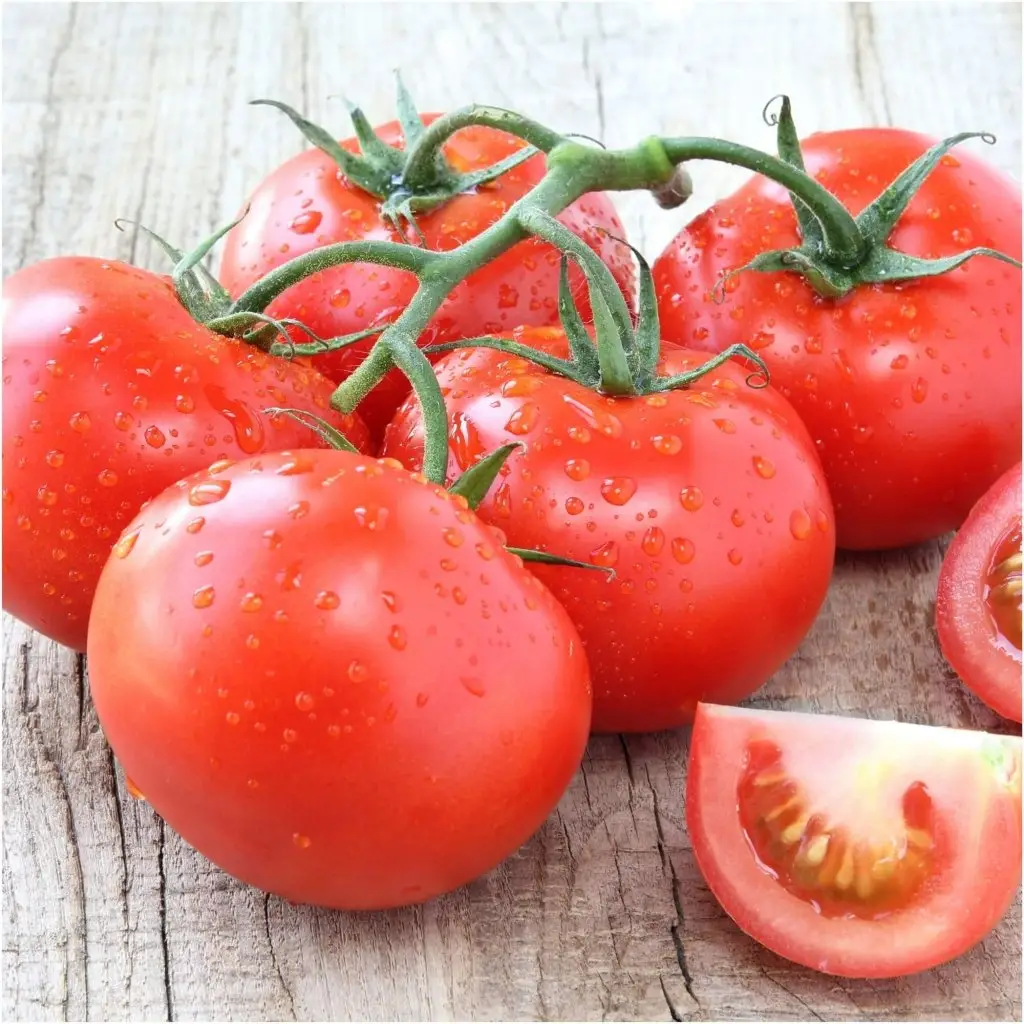
The fruit itself—those small, tangy, snackable tomatoes—are perfect for fresh eating and salads. They have a rich, slightly tart classic tomato flavor that heirloom enthusiasts love, especially when fully ripe and still warm from the sun. Roasted or cooked down, they concentrate into something remarkable. But honestly? You’ll be more impressed by how the plant looks on your patio than by the flavor alone. That’s what makes Silvery Fir Tree exceptional: it refuses the typical gardener’s trade-off between aesthetics and productivity. You get both, effortlessly.

Grow this seed now and build something extraordinary: a living sculpture that feeds you, astonishes visitors, and proves that the most beautiful gardens are the ones where form and function become one.

Germination Guide

🌍 Russia (South American via Russian breeding)
Easy

Silvery Fir Tree is an early-maturing Russian heirloom tomato cultivar renowned for its striking carrot-like, silvery-tinged fern-like foliage and compact determinate growth habit, reaching only 18-24 inches tall. The variety produces abundant, flavorful red fruits weighing 2-4 ounces and is remarkably easy to germinate, requiring warm soil conditions (70-85°F), consistent moisture, and darkness—with no special pretreatment necessary. This variety is ideal for container gardening and northern gardens with short growing seasons.

Germination
Germination time
Expect germination in

6 – 14 days

Temperature

Min 65°C
Ideal 80°C
Max 85°C

Light
🌑 Darkness required

Substrate moisture
💧 Medium

Sowing depth
Lightly covered

Press seed
👆 Yes

Germination rate
85 %


Substrate & Container
Recommended substrate
Sterile seed-starting mix or well-draining potting mix (peat and perlite blend preferred)

Recommended container
Seed trays, peat pots, or small containers with drainage holes; minimum 2 inches deep


Growing Tips
Use bottom heat (heat mat) to maintain soil temperature at 75-85°F for optimal germination within 6-10 days. Sow seeds 1/4 inch deep in sterile seed-starting mix. Keep seed-starting mix moist but not waterlogged—test by squeezing a fistful; only a few drops should emerge. Cover seeds lightly and gently press down for good soil contact. Darkness aids germination; cover seed trays with a dome or plastic until sprouting occurs. Once germinated, remove covering and immediately place under bright grow lights (14-16 hours daily) at 65-70°F to prevent leggy seedlings. Avoid watering overhead; use bottom watering or mist with spray bottle to maintain moisture and prevent fungal diseases like damping off. Remove the dome once most seedlings have sprouted (typically 4-10 days) to reduce humidity and discourage fungal growth. Fertilize seedlings with half-strength soluble fertilizer every two weeks once true leaves develop. Transplant to 3-4 inch pots when the first true leaves appear (approximately 3 weeks after sowing), burying stems to encourage strong root development. Harden off seedlings for 1-2 weeks in full sun before transplanting to the garden after last frost date.

Reviews

There are no reviews yet.

Only logged in customers who have purchased this product may leave a review.

Related Products