Description
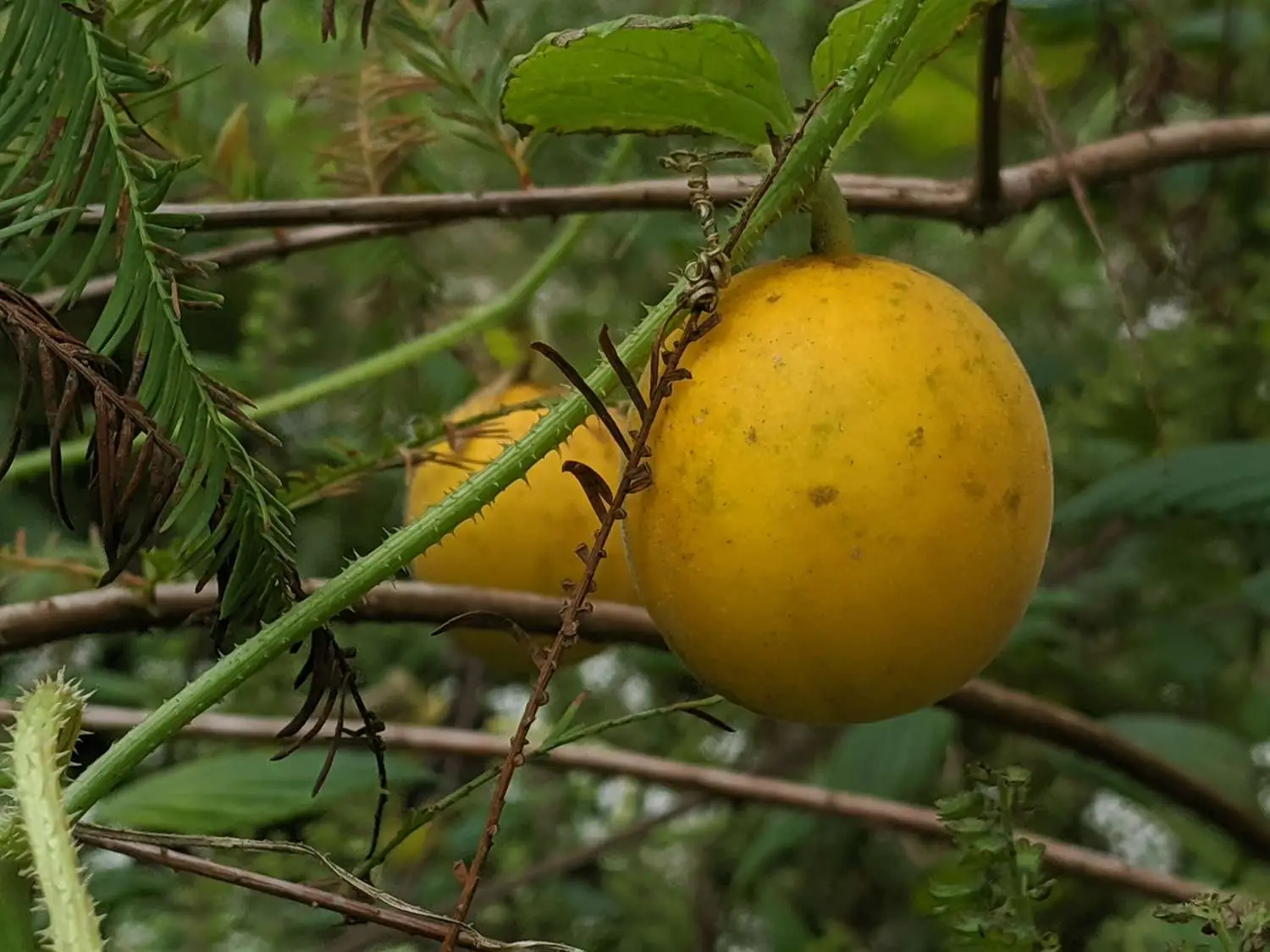
Cucumis melo dudaim is an annual plant, able to climb with the help of tendrils, but more commonly sprawling along the ground.
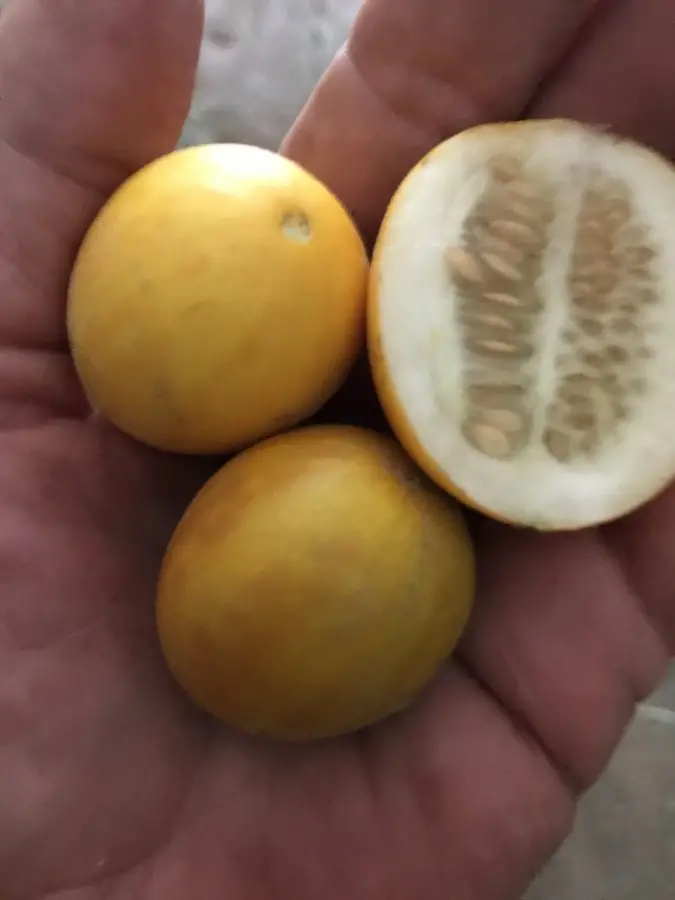
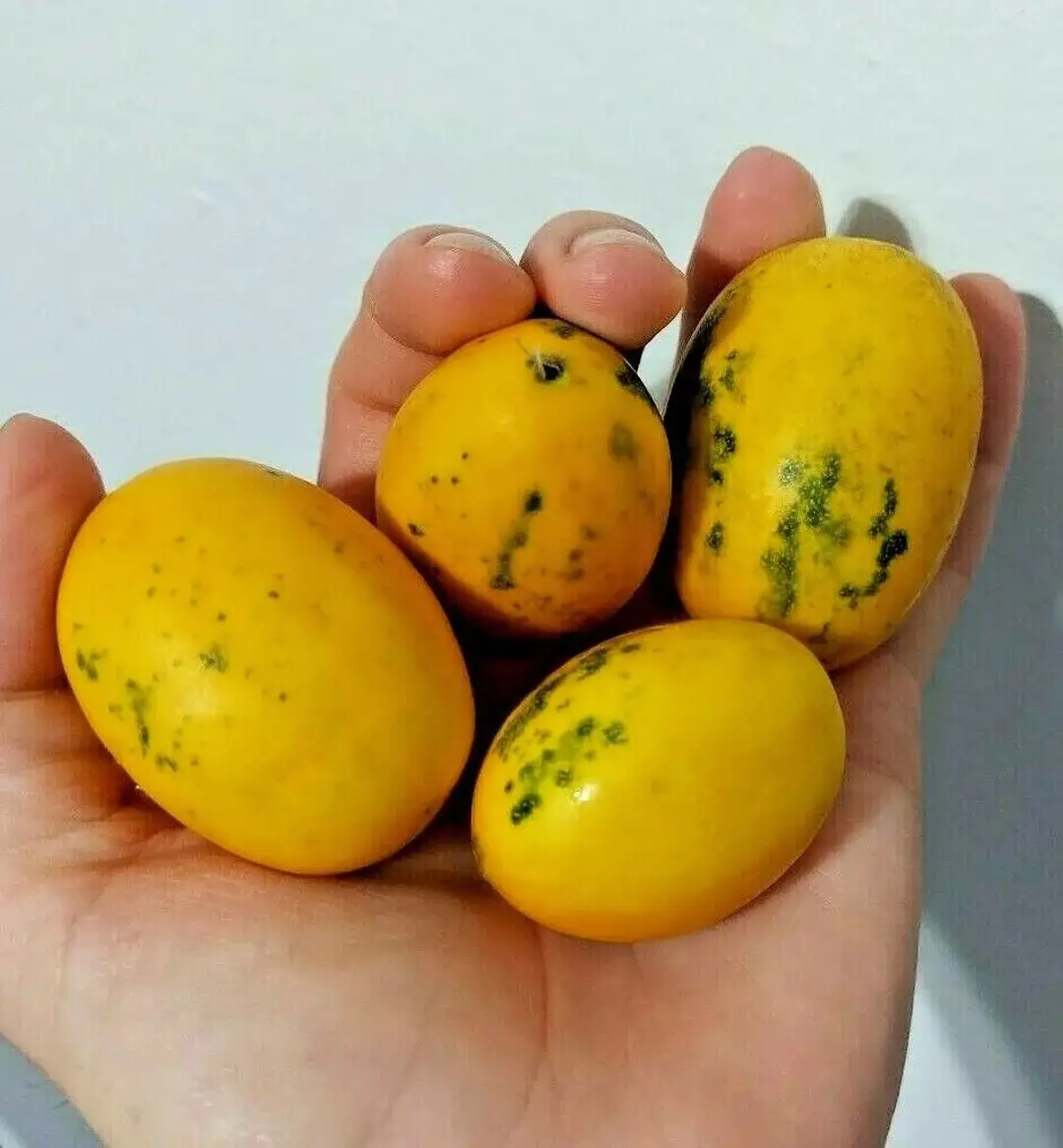
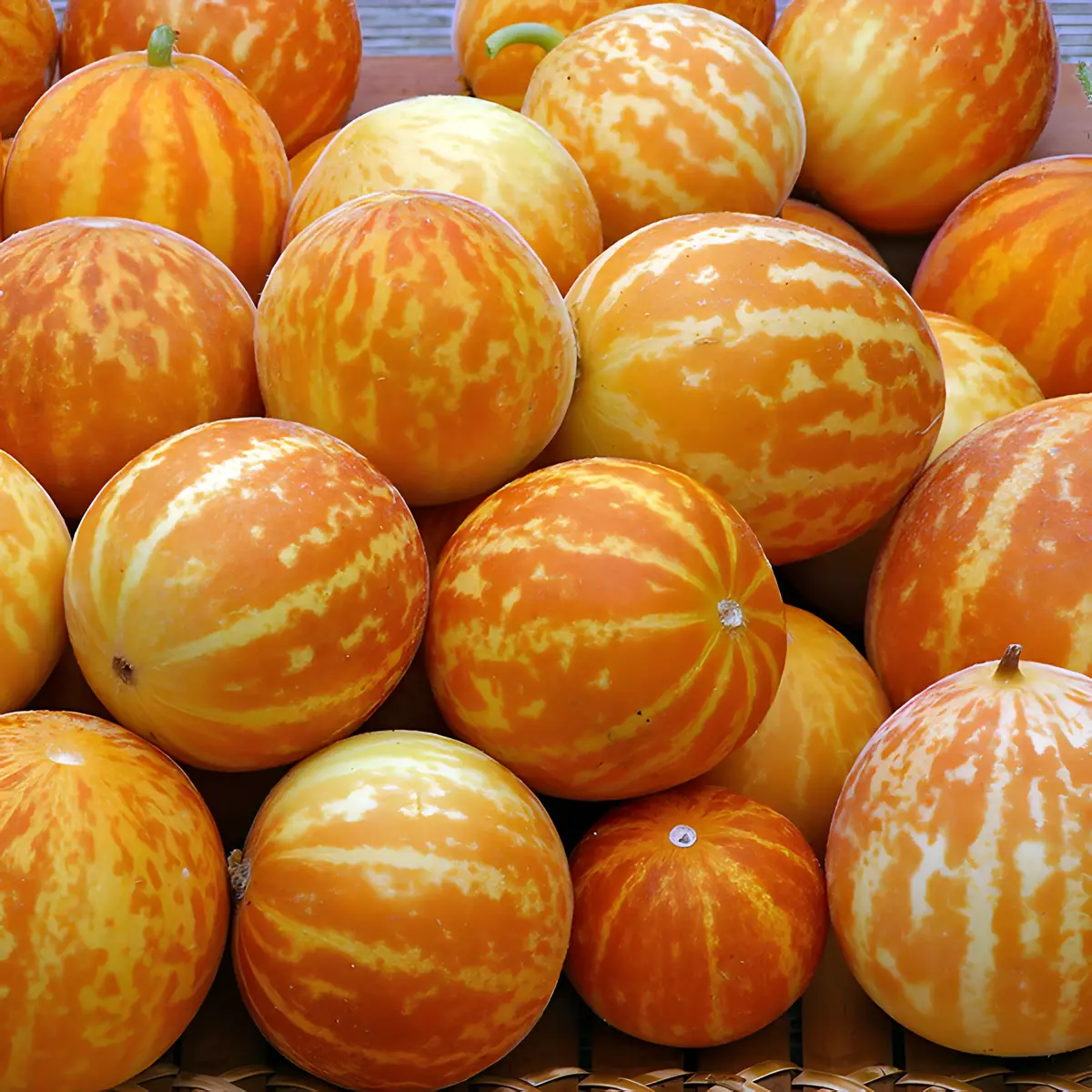
The plant is sometimes cultivated for its edible fruit from the warm temperate zone to tropical areas. The small size of this fruit has sparked an interest in the market as a melon that can be bought for individual consumption. Melons also provide an edible oil and have various traditional medicinal applications.
The fruits can be used as a cooling light cleanser or moisturiser for the skinThey are also used as a first aid treatment for burns and abrasions
The flowers are expectorant and emetic
The fruit is stomachic
The seed is antitussive, digestive, febrifuge and vermifugeWhen used as a vermifuge, the whole seed complete with the seed coat is ground into a fine flour, then made into an emulsion with water and eaten. It is then necessary to take a purge in order to expel the tapeworms or other parasites from the body
The root is diuretic and emetic
Germination Guide
🌍 Persia (Iran) and Central Asia
Easy
Cucumis melo var. dudaim, commonly known as Queen Anne's Pocket Melon, is a fragrant ornamental melon variety with origins in Persia and Central Asia dating back to the 9th century. Seeds germinate readily within 2 weeks under warm conditions (70-90°F/21-32°C) and require light, well-draining soil. This cold-intolerant species prefers consistently warm temperatures with optimum germination around 27°C.
Germination
Germination time
Expect germination in
3 – 14 days
Temperature
Min 21°C
Ideal 27°C
Max 35°C
Substrate moisture
💧 Medium
Substrate & Container
Recommended substrate
sandy loam or sandy-clay loam, well-draining, rich
Recommended container
Small pots or soil blocks, 2-3 seeds per container
Growing Tips
Sow seeds indoors 3-4 weeks before last frost, approximately 0.25-1 inch deep in sterile seed-starting mix. Maintain soil moisture (not waterlogged) and provide bottom heat if needed. Temperature below 45°F severely stunts growth; keep minimum at 70°F during germination. After germination, reduce temperature to 75°F. Thin to strongest seedling when first leaves appear. Transplant 15cm tall seedlings after all frost danger and soil has warmed. Avoid direct sowing in cold, wet soil. These seeds are sensitive to excessive soil moisture. Provide bright light and good air circulation to prevent damping off.
Only logged in customers who have purchased this product may leave a review.

Reviews
There are no reviews yet.