Description
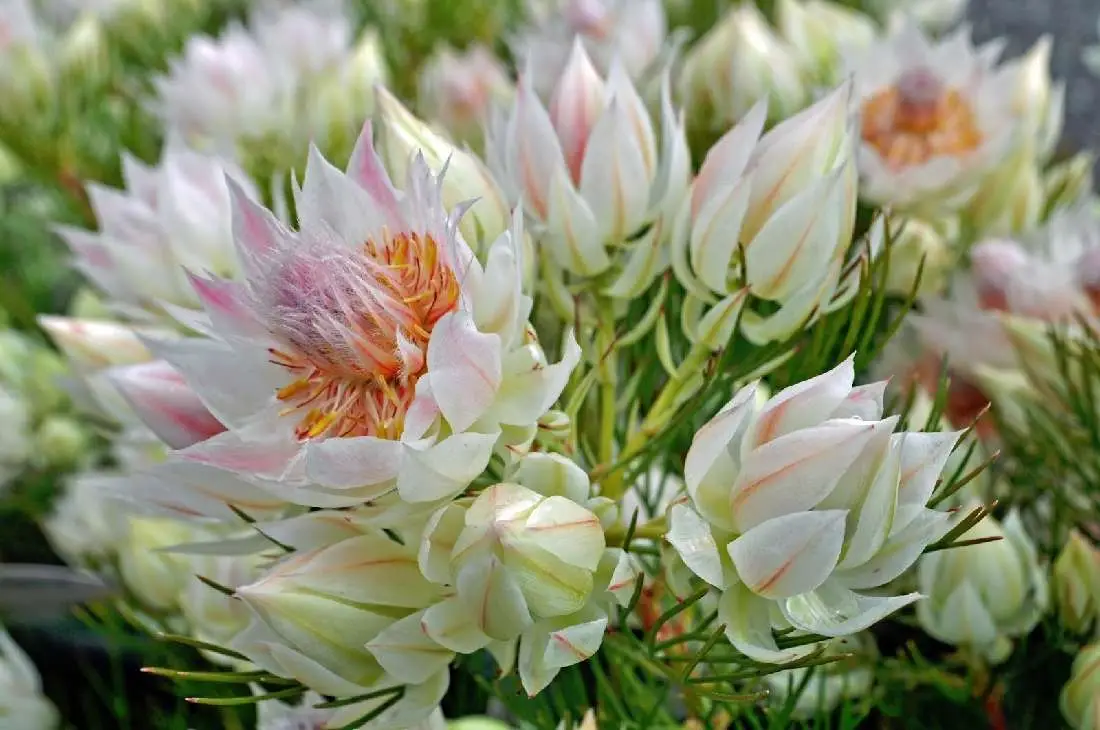
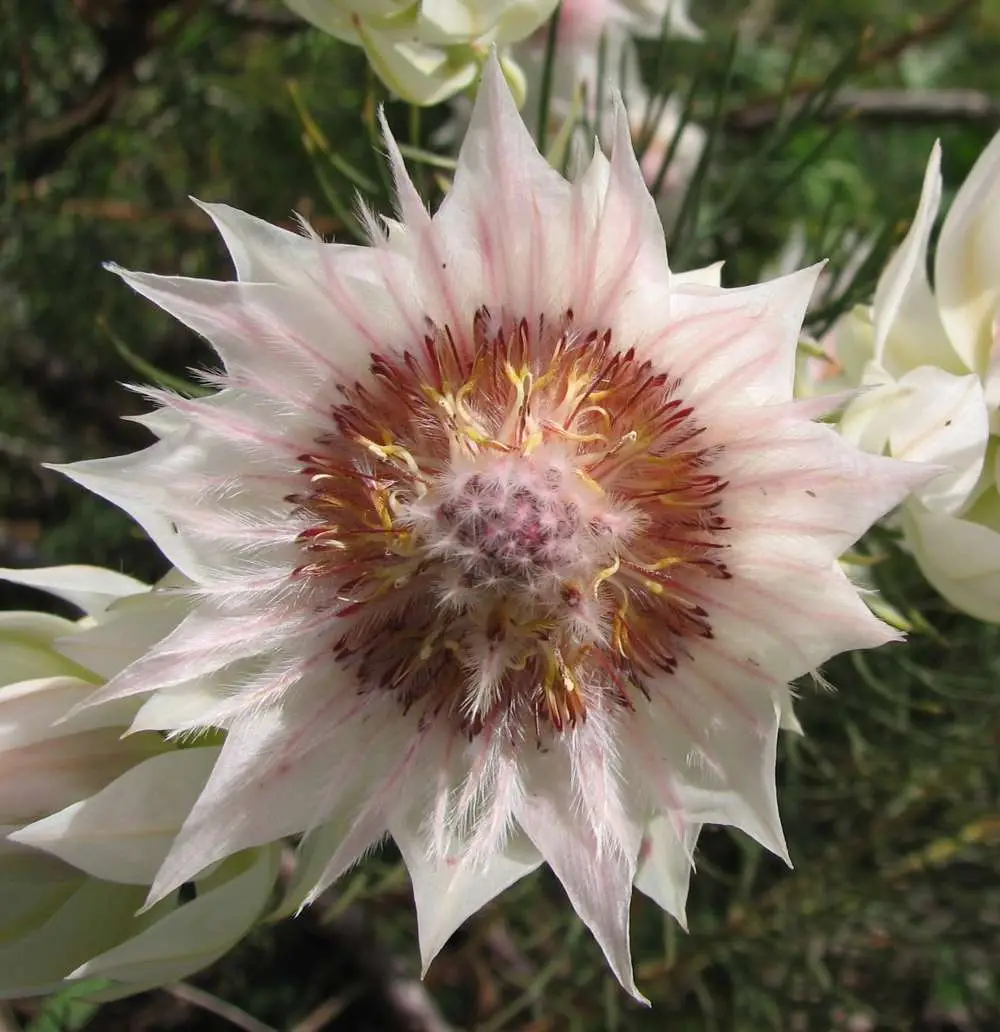
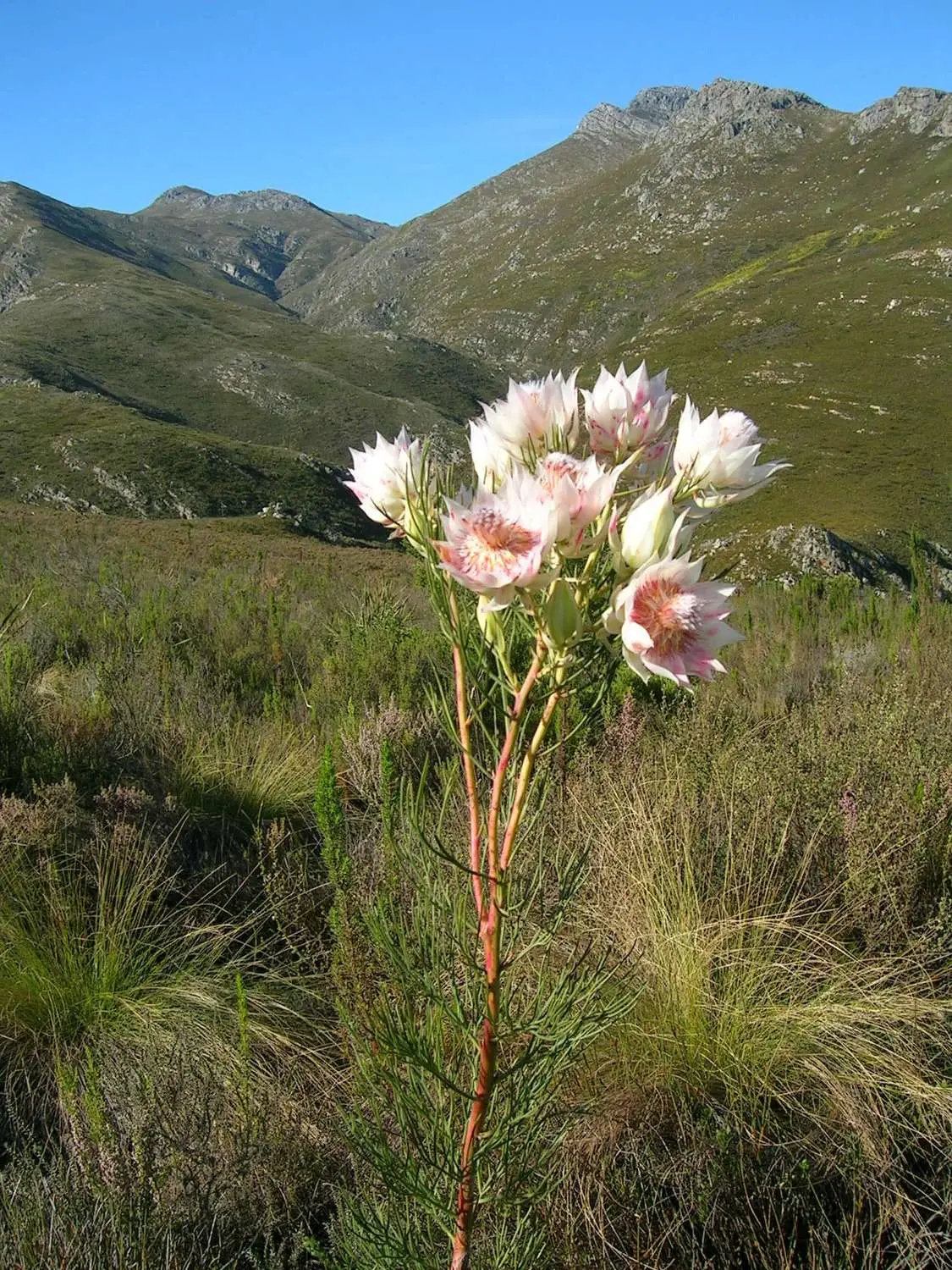
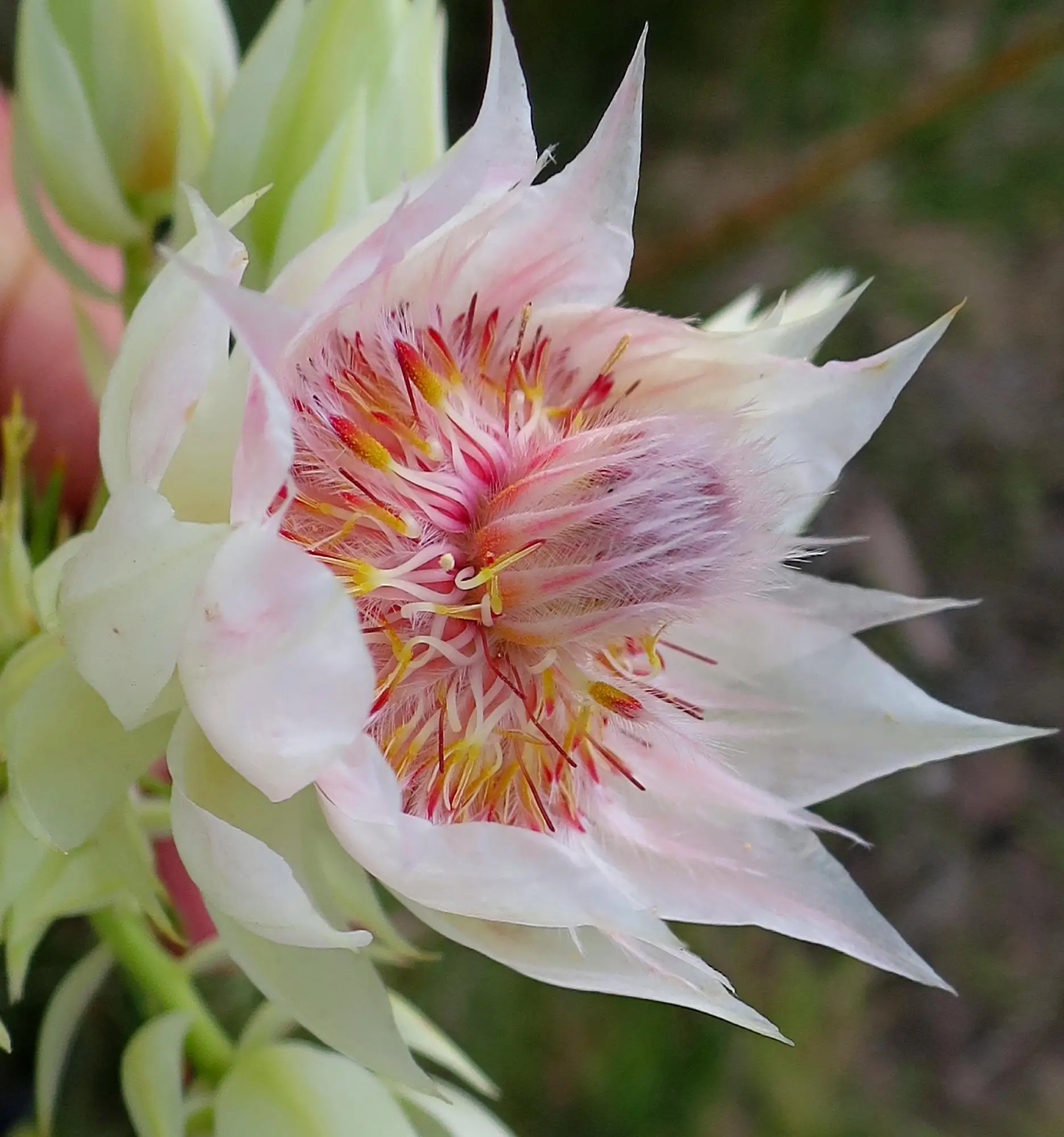
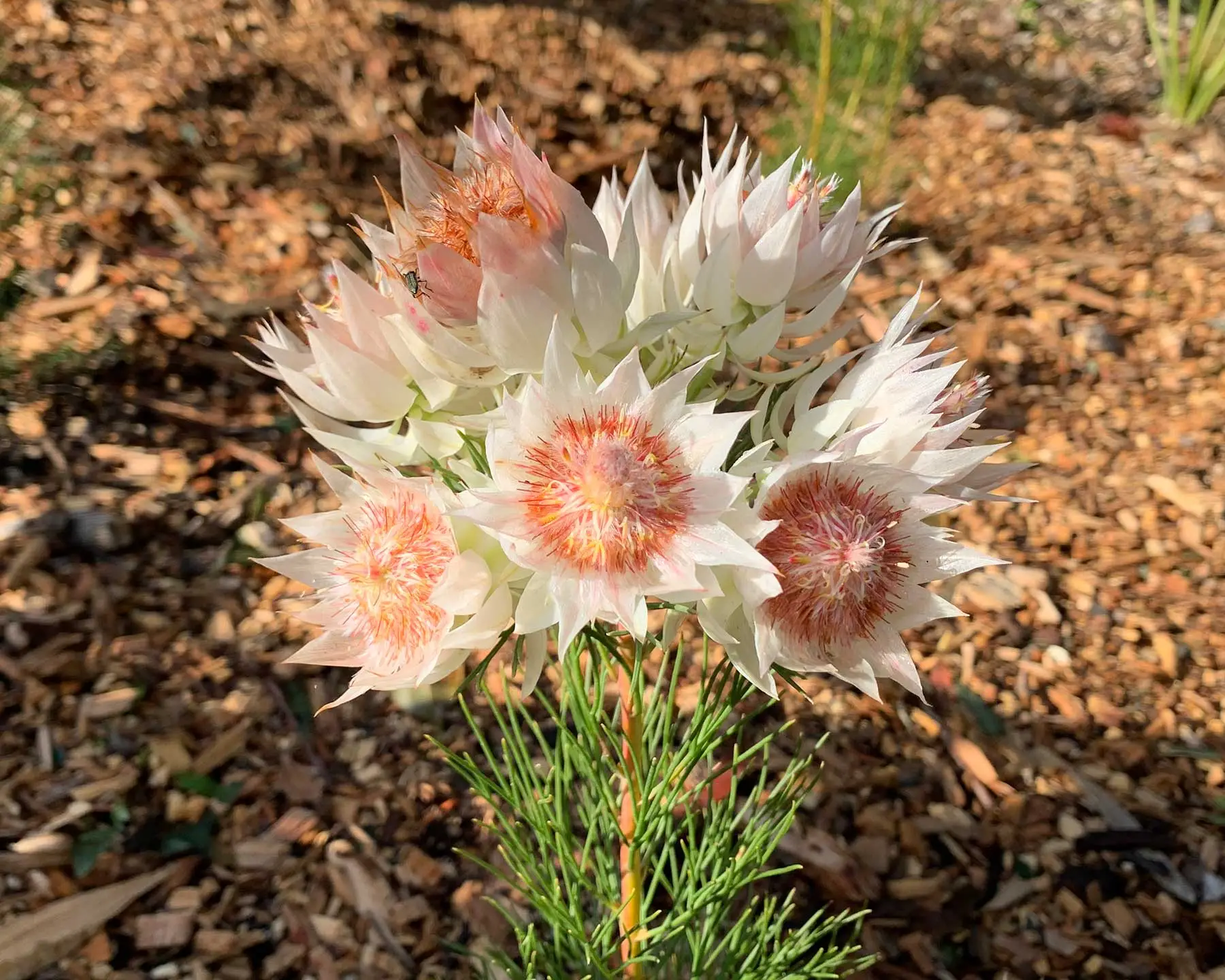
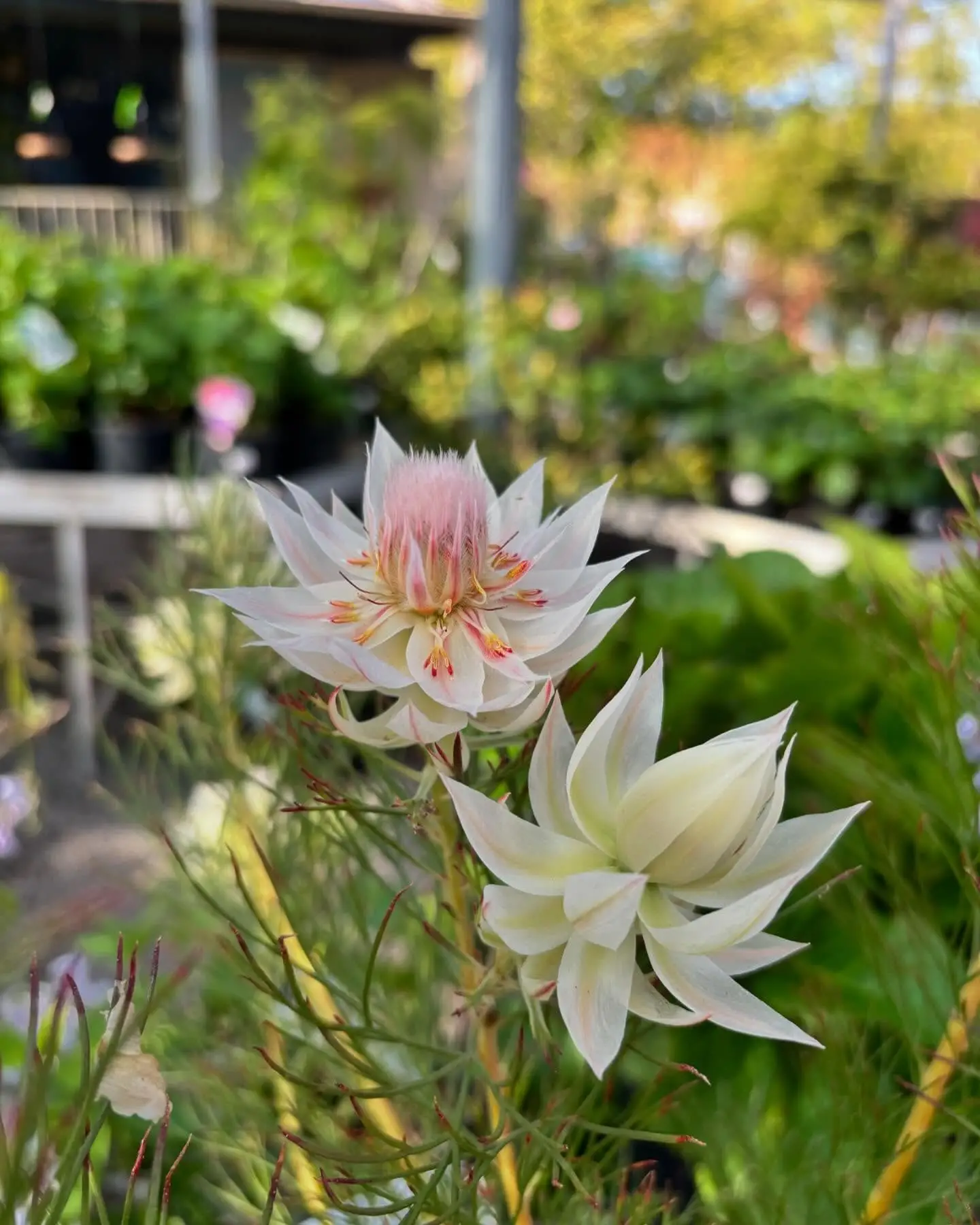
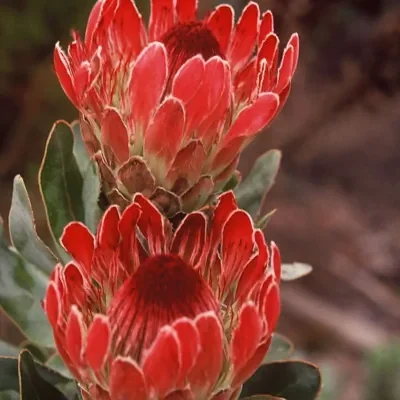
Serruria florida is an iconic South African fynbos species renowned for its delicate, bridal-white to soft blush-pink flower heads. This compact, fine-textured shrub typically grows 40 to 70 cm tall, forming an airy dome of slender, fern-like foliage. The intricate inflorescences, composed of silky bracts surrounding small clustered flowers, create a feathery, lace-like appearance that has made the species highly prized in the cut-flower industry.
Blooming mainly from late winter through spring, Serruria florida offers exceptional ornamental value despite its naturally short lifespan. Like many fynbos plants, it requires full sun, acidic and well-drained sandy soils, and low-phosphorus conditions. It is sensitive to root disturbance and excess moisture but performs well in Mediterranean climates with dry summers and cool, wet winters. Once established, it shows moderate drought tolerance and benefits from open airflow and minimal fertilization.
Its ethereal appearance, elegant structure, and historic significance in South African floriculture have made the Blushing Bride one of the most cherished species of the Proteaceae family.
Germination Guide
🌍 Franschhoek side of Hottentots Holland Nature Reserve, Western Cape, South Africa
Difficult
Serruria florida, known as Blushing Bride or Pride of Franschhoek, is a fire-adapted evergreen shrub endemic to the fynbos region of South Africa's Western Cape, producing delicate ivory to pink flowers highly valued in the cut flower industry. Seed germination is challenging and requires specific conditions including smoke or heat treatment to mimic fire, temperature alternation between day and night, fungicide protection, and acidic well-draining substrate. Vegetative propagation from cuttings is recommended as the preferred propagation method for most cultivators.
Germination
Germination time
Expect germination in
21 – 56 days
Temperature
Min 10°C
Ideal 18°C
Max 22°C
🌡️ Temperature alternation recommended
— Requires approximately 12°C difference between day and night temperatures; optimal sowing occurs when day temperatures reach 22°C and night temperatures fall below 10°C.
Substrate moisture
💧 Medium
Sowing depth
Lightly covered
Seed Pre-treatment
-
🔥
Smoke/Fire treatment
Seeds require smoke treatment or exposure to high temperature followed by cooling water to mimic fire conditions; alternatively, use smoke-treated water or smoke primer discs.
-
📋
Additional notes
Pre-treatment with fungicide (e.g., Apron XL) is essential to prevent damping off. Dust seeds with systemic fungicide before smoking and sowing.
Substrate & Container
Recommended substrate
Well-drained acidic medium: mix of 2 parts peat or decomposed pine needles, 2 parts coarse river sand, and 1 part perlite or polystyrene; pH around 5.5
Recommended container
Seed trays or beds in well-ventilated, brightly lit position
Growing Tips
Sow seeds in autumn when the day-night temperature difference is approximately 12°C. Always treat seeds with smoke (using smoke enclosure, smoke-water, or smoke primer discs) and dust with fungicide (e.g., Apron XL) before sowing. Use only clean, acidic, well-draining soil media and avoid waterlogging; keep soil consistently moist but not soggy. Provide bright, well-ventilated growing conditions with at least 12 hours of light daily. Germination may be slow and sporadic, taking 3-8 weeks; some seeds may fail to germinate in the first year and can be left to germinate the following season. Ensure excellent air circulation to prevent fungal diseases such as damping off. Young seedlings can be transplanted when 8 cm tall or larger. Water in the mornings and apply organic-based fertilizer; avoid overwatering. Plant out young plants in autumn or cooler months before summer to allow root establishment.
Only logged in customers who have purchased this product may leave a review.

Reviews
There are no reviews yet.