
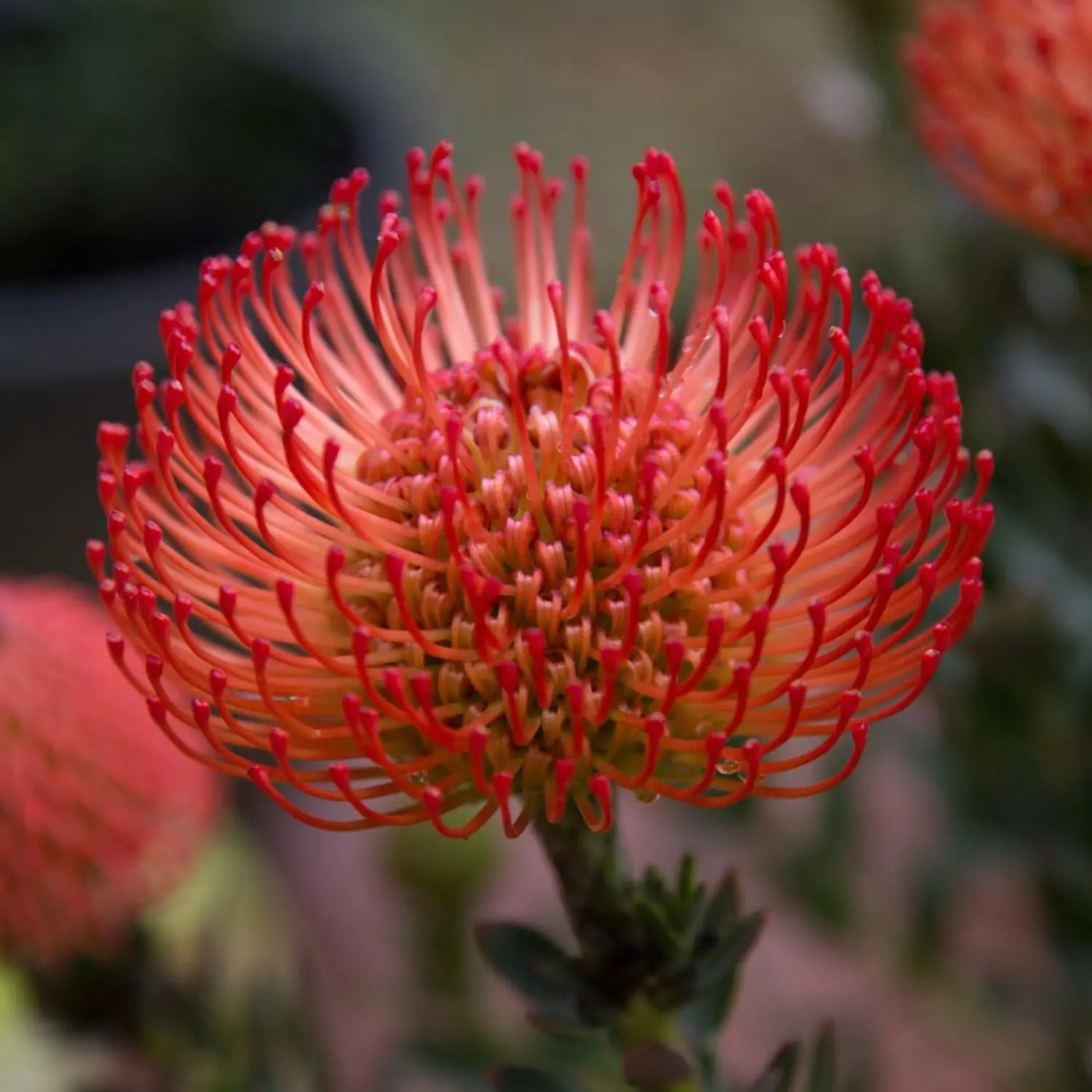
Grow the world’s most coveted cut flower from seed. Leucospermum cordifolium explodes with globe-shaped blooms in vivid orange, crimson, and gold—each flower lasting weeks. Florists worldwide demand these long-lasting stunners for luxury arrangements. Relatively easy to grow in warm climates with sun and sharp drainage. Start your commercial supply or garden showpiece today.
Imagine flowers so breathtaking that florists from California to Australia fight for supply. Leucospermum cordifolium—the Nodding Pincushion—is that flower. These aren’t delicate bloomers; they’re architectural statements that radiate pure, audacious color.
Native to the fynbos biome of South Africa’s Western Cape, this Proteaceae marvel evolved in one of the world’s most botanically intense landscapes. The Cape Floral Kingdom is impossibly biodiverse, and L. cordifolium stands as one of its showiest ambassadors. Its heart-shaped leaves and horizontally spreading habit give it an almost sculptural presence even before the flowers arrive.
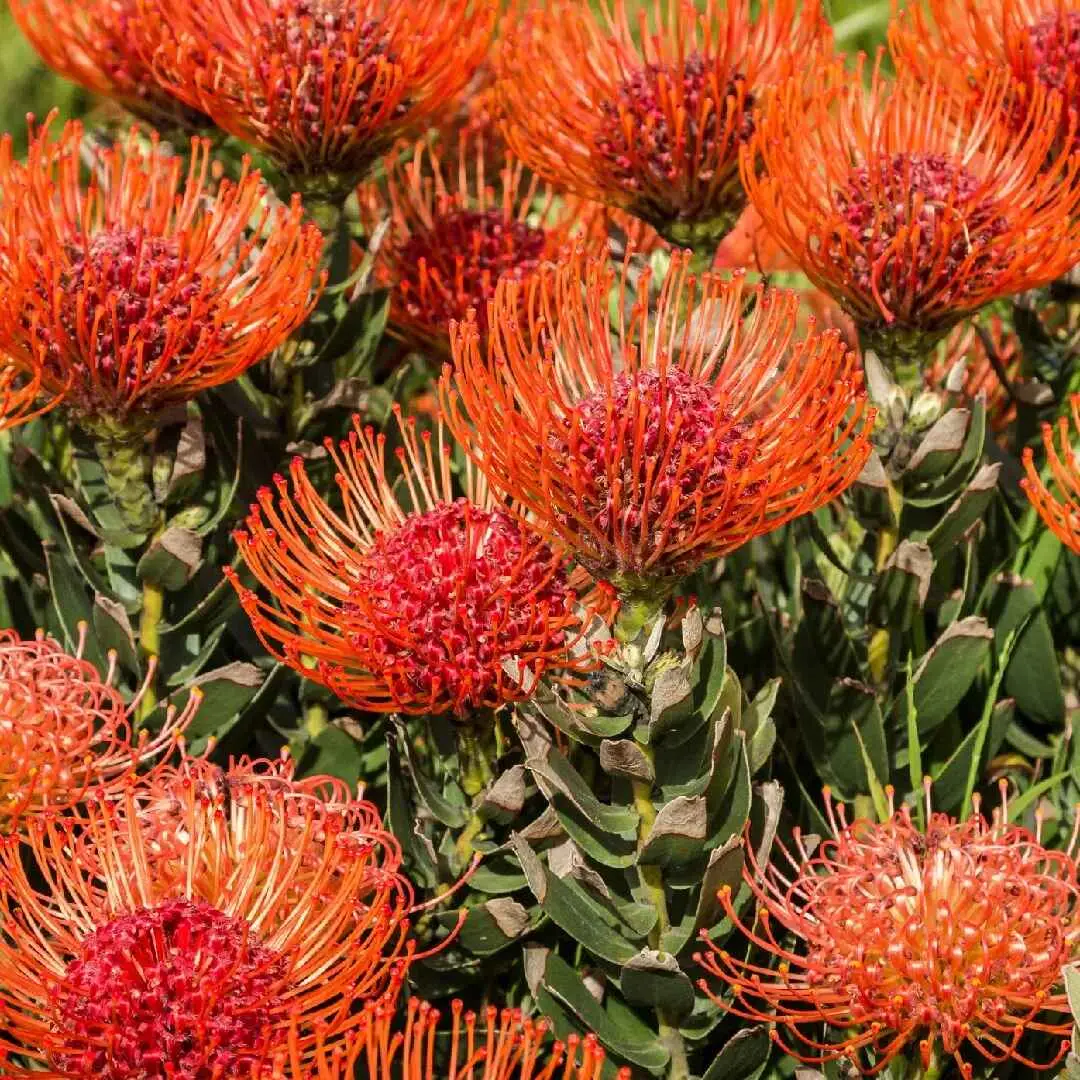
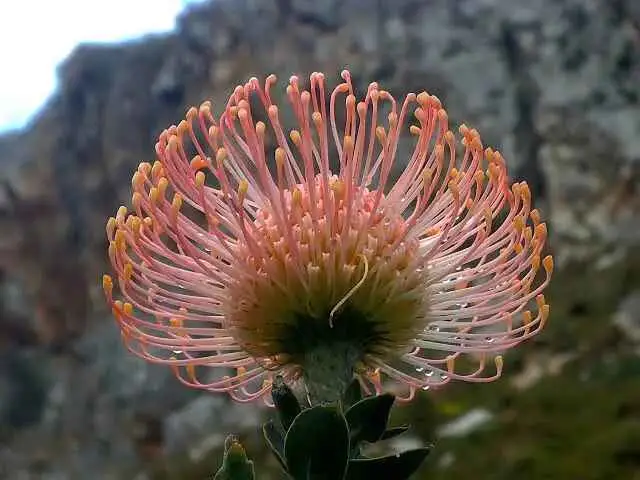
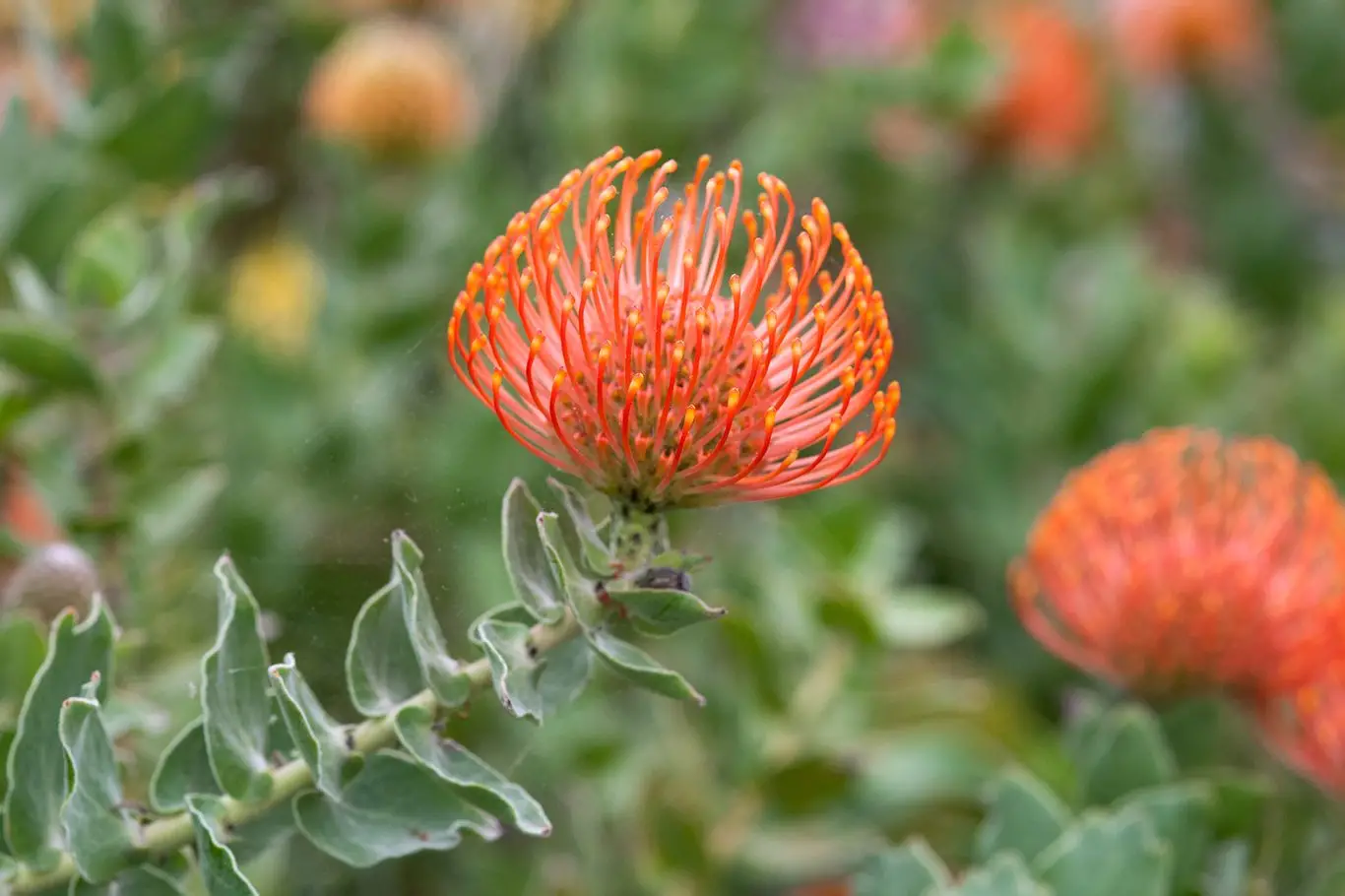
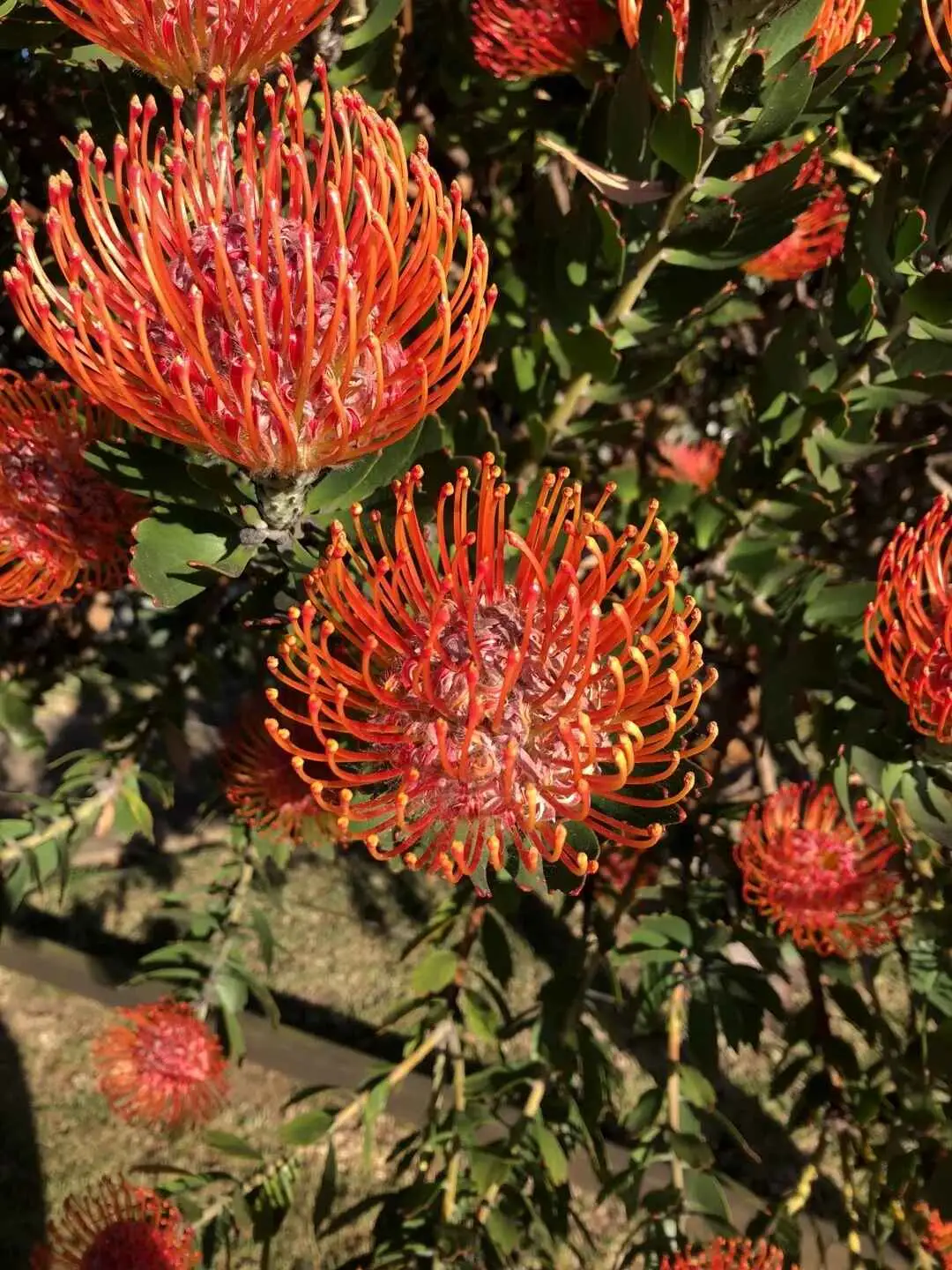
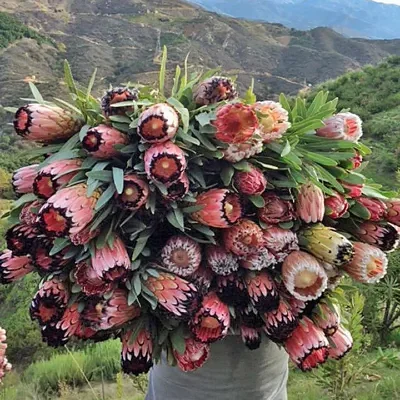
Here’s what makes this species commercially irresistible: the flowers. Picture globe-shaped inflorescences 10–12 cm across, bursting with stiff, protruding styles that truly resemble pins in a pincushion. They range from soft pinkish-yellow through brilliant orange to deep crimson red, produced profusely from spring through early summer. But the real magic? These flowers last. Freshly cut, they hold their color and form for weeks—sometimes three. In dried arrangements, they’re virtually permanent. Florists in Israel, California, Hawaii, Zimbabwe, Australia, and New Zealand cultivate this species commercially for precisely this reason: it’s the cut flower that customers dream about and designers specify by name. Whether fresh or dried, a single stem transforms an entire arrangement into something exotic and unforgettable.
Beyond the florist trade, L. cordifolium rewards gardeners with year-round architectural beauty and a powerful ecological bonus. The flowers are rich with nectar that intoxicates birds—Cape Sugarbirds, Sunbirds, and countless pollinating insects converge at dawn to feast. Your garden becomes a living theater of biodiversity. The plant itself is relatively easy to cultivate in warm climates: it demands full sun, absolutely sharp drainage (ideally sandy, acidic soil), and minimal interference once established. It’s drought-tolerant, asking nothing of you but sunlight and honest drainage. No rich fertilizer needed—in fact, it despises soil fertility, a legacy of its nutrient-poor fynbos heritage. This isn’t a finicky hothouse specimen; it’s a resilient, stunning, practical plant that earns its space.
Growing Leucospermum cordifolium from seed is your entry to a world of possibility. You’re not just starting another ornamental; you’re cultivating the same species that supplies luxury flower shops globally, and you’re inviting genuine wildlife drama into your space. Low-nutrient potting mix, full light, well-drained conditions—and patience. These are seeds with history: in their native habitat, they’re collected by ants and stored underground, germinating only after fire restores nutrients to soil. Your seeds will repay attention with the kind of character and longevity that makes a plant worth keeping for decades. Start them now and within a few years, you’ll harvest blooms that rival any florist’s offering.
Only logged in customers who have purchased this product may leave a review.
Reviews
There are no reviews yet.