Description
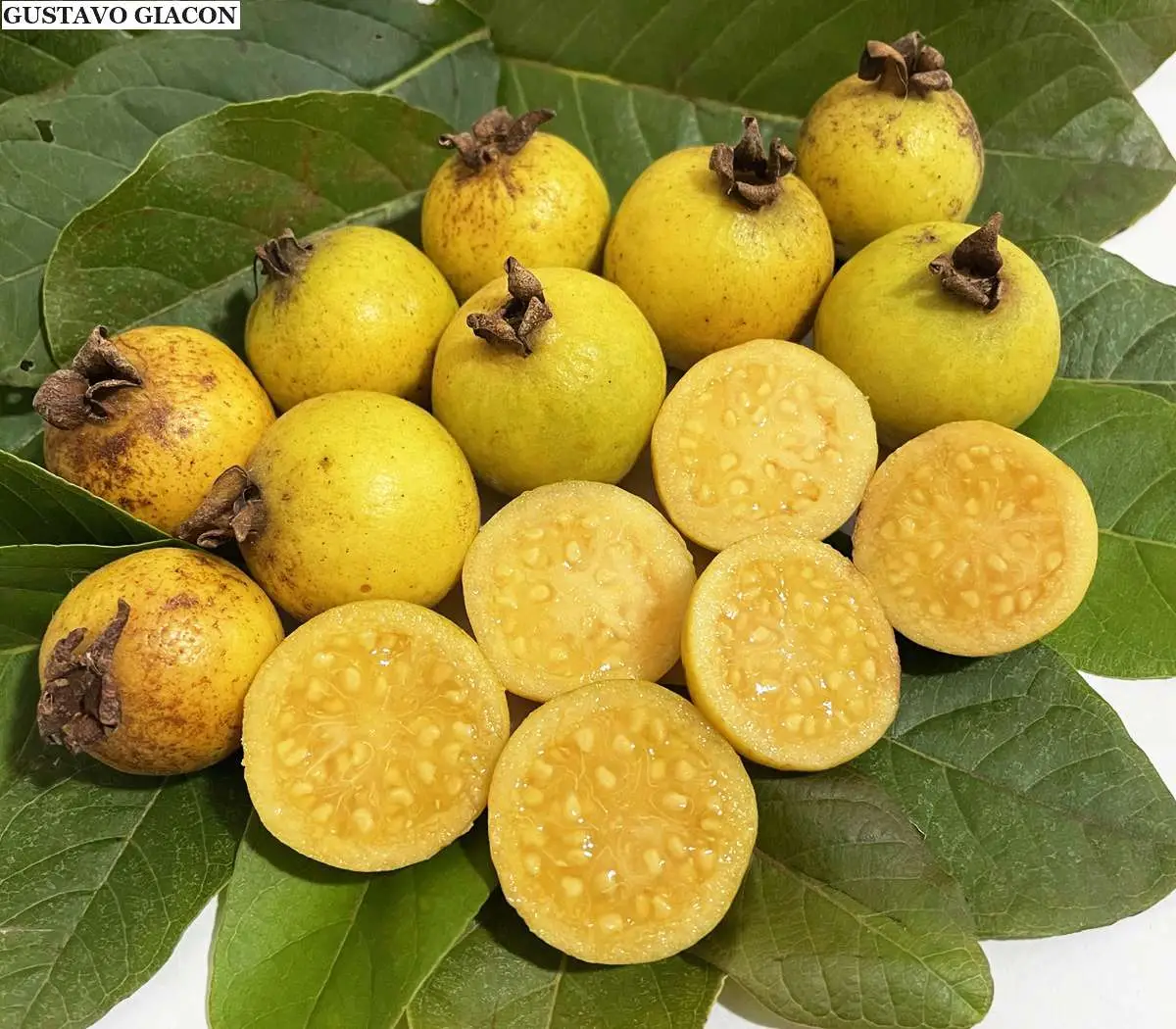
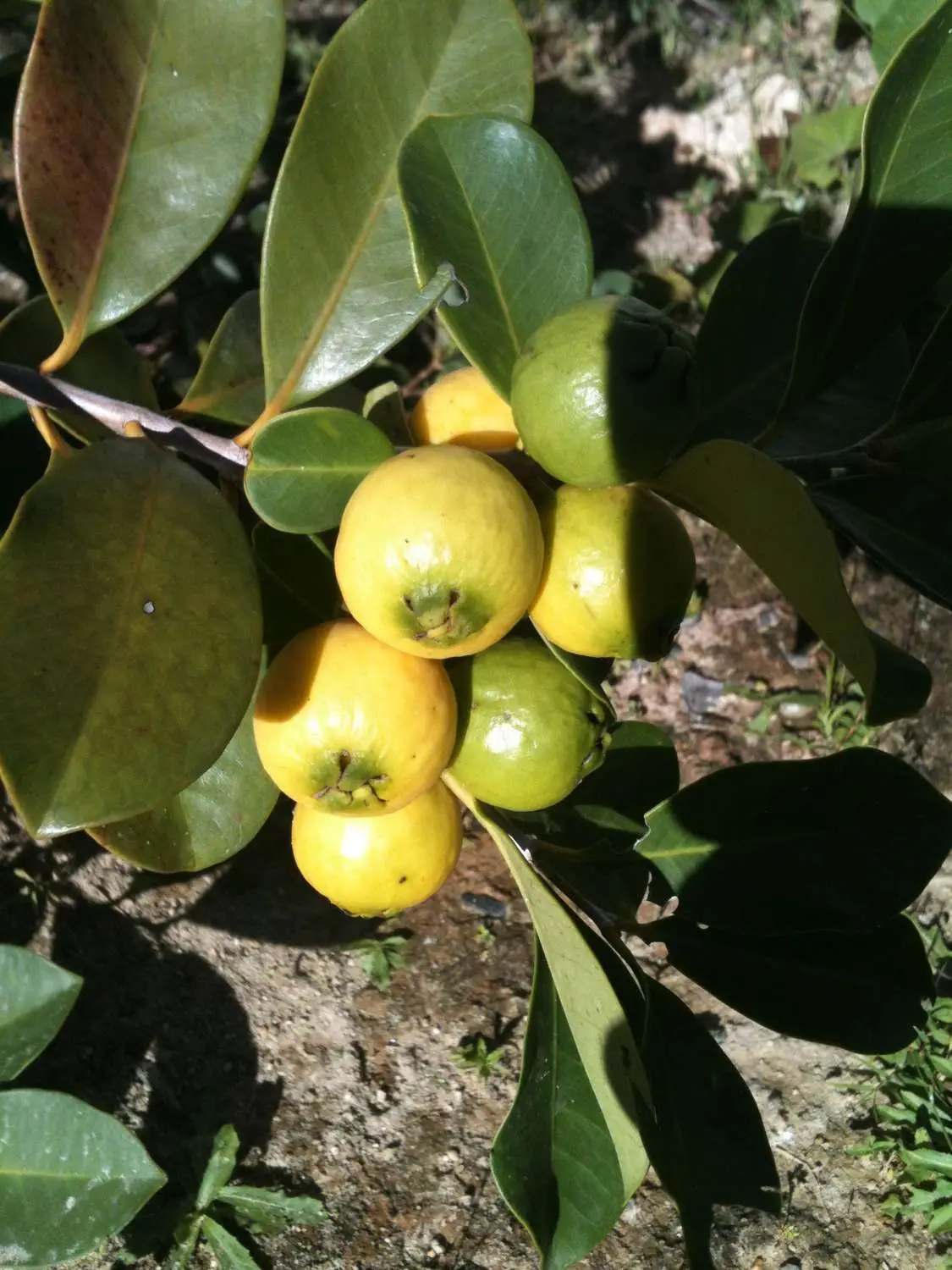
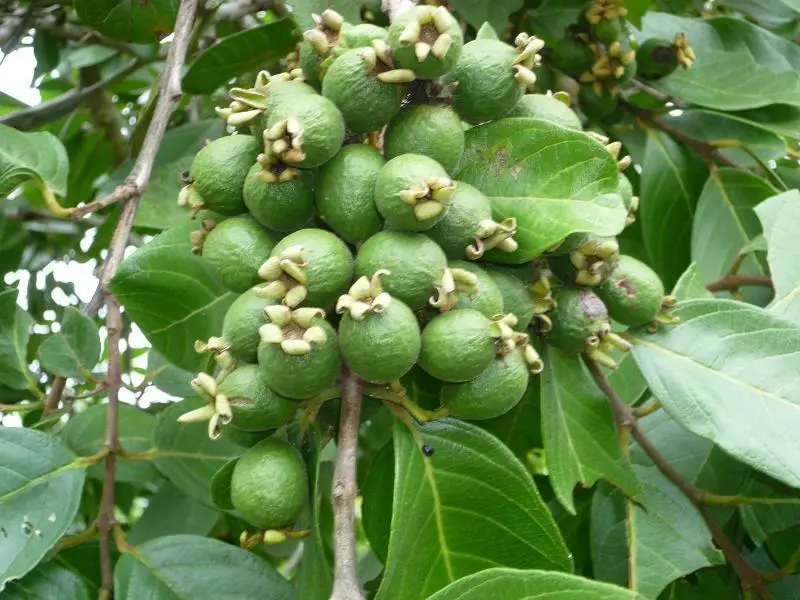
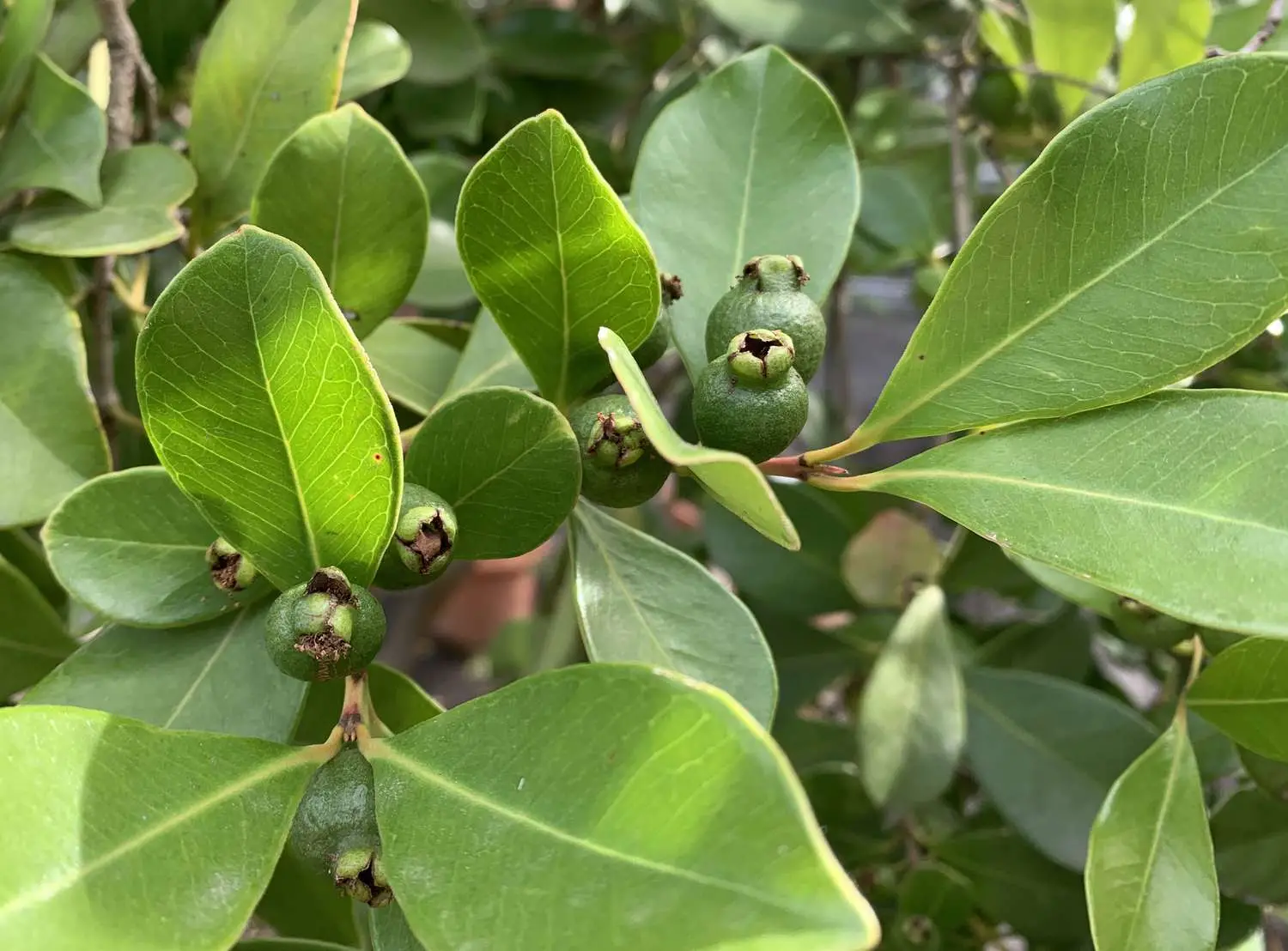
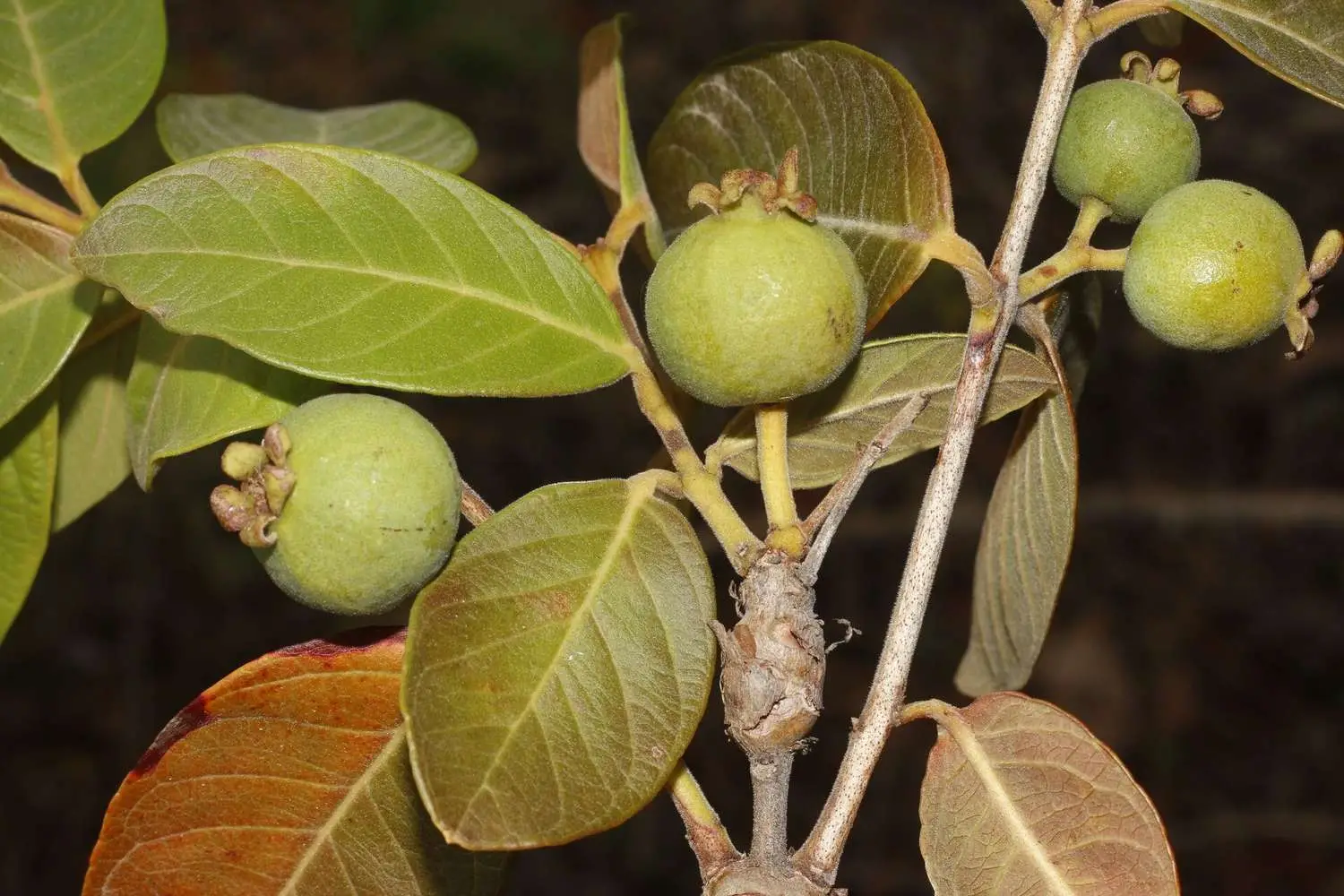
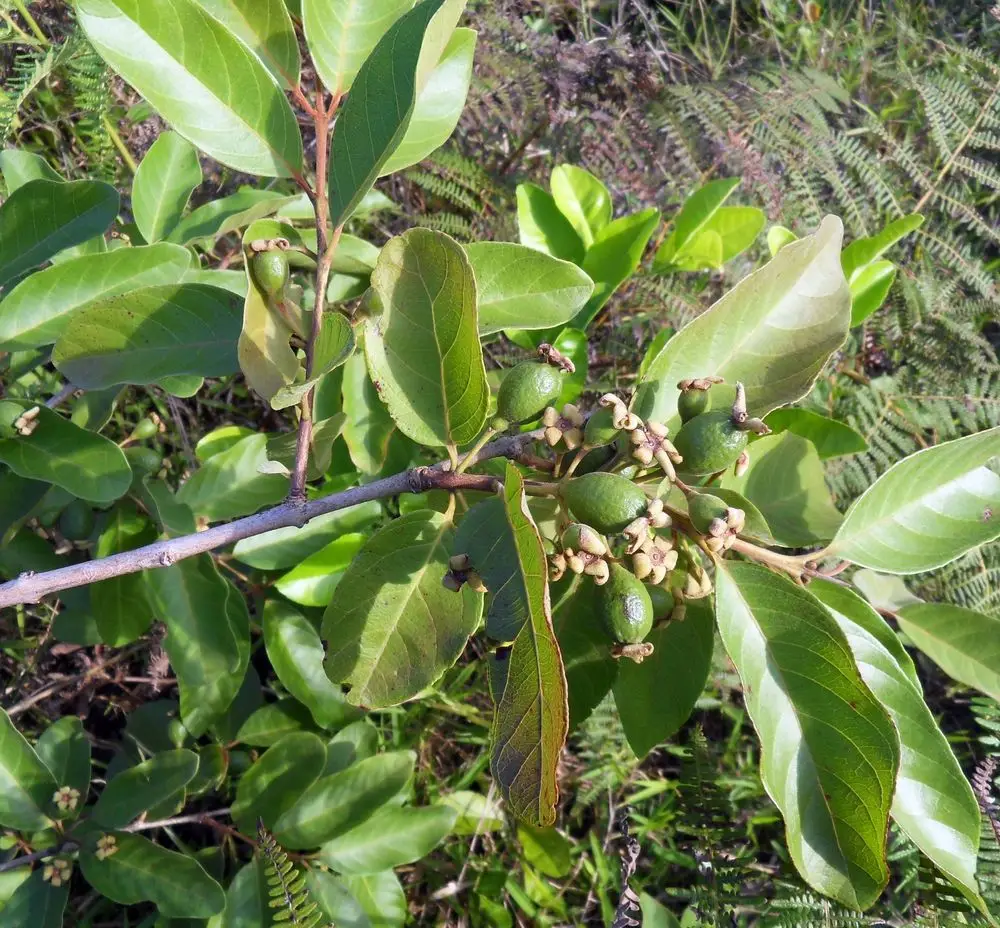
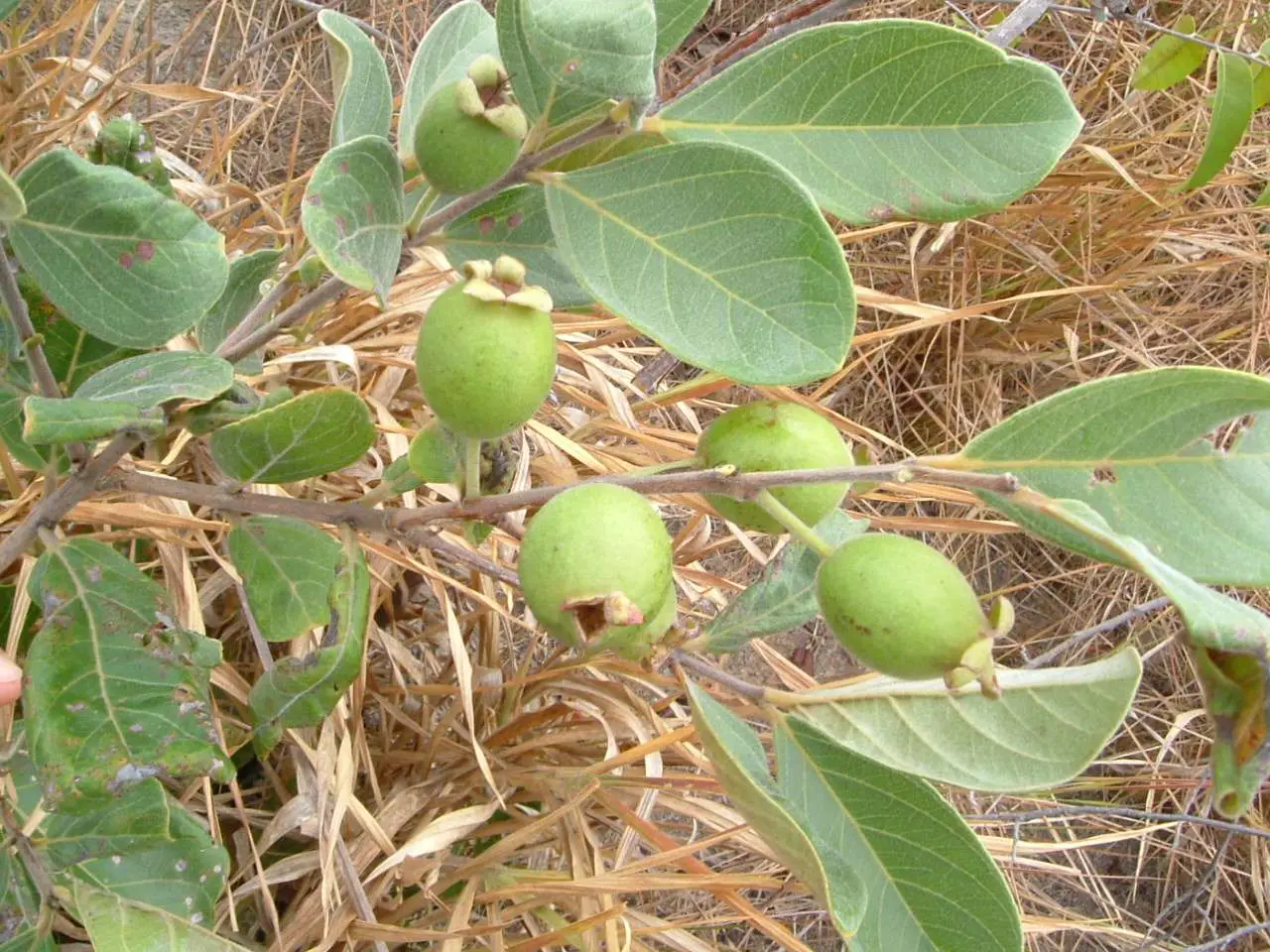
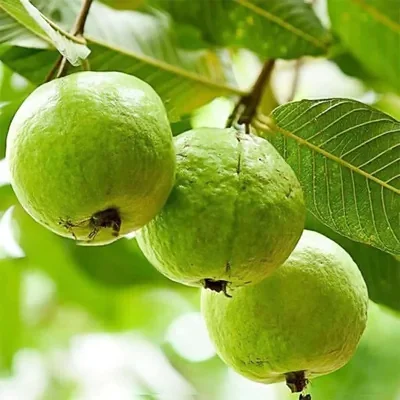
Psidium guineense, a tropical shrub or small tree belonging to the myrtle family (Myrtaceae), produces seeds that are a key feature of its fruit. The plant is commonly known by names such as Brazilian guava, Guinea guava, or sour guava.
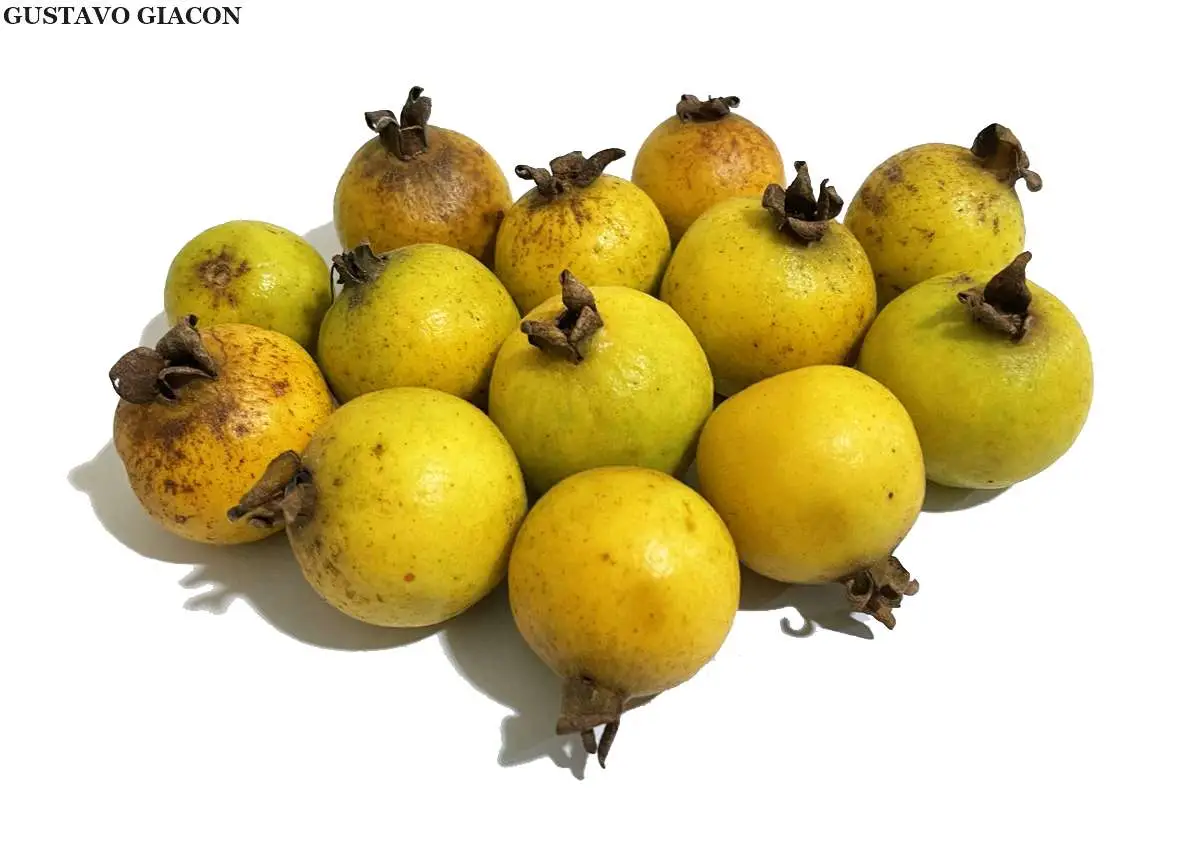
The seeds are a defining characteristic of its small, yellow, and often pear-shaped fruit. The fruit has a thin, brittle skin that encloses a fleshy, aromatic pulp. Scattered throughout this pulp are a large number of seeds. These seeds are relatively small, hard, and irregular in shape, typically having a yellowish-brown or light brown color. Their tough, stony exterior protects the embryo within and contributes to the seed’s dormancy.
As the plant’s primary means of propagation, these seeds are crucial to its life cycle. Due to their hard seed coat, they can be slow to germinate and may require specific conditions, such as scarification or a period of dormancy, to encourage sprouting. The sheer quantity of seeds within each fruit contributes to the plant’s natural spread through seed dispersal by animals.
Germination Guide
🌍 Tropical America, from Mexico to Argentina and Brazil
Easy
Psidium guineense, commonly known as Brazilian guava, is a small tropical fruit tree native to tropical America from Mexico to Argentina. This evergreen species produces distinctive acidic fruits prized for jams, jellies, and beverages. Seeds germinate readily with warm temperatures and consistent moisture, making it relatively easy to propagate from seed.
Germination
Germination time
Expect germination in
14 – 84 days
Temperature
Min 20°C
Ideal 25°C
Max 30°C
🌡️ Temperature alternation recommended
— Alternating temperatures of 20-30°C are beneficial for optimal germination; constant temperatures above 30°C reduce germination quality
Substrate moisture
💧 Medium
Sowing depth
Lightly covered
Seed Pre-treatment
-
💧
Soaking — 24 hours
Soak seeds in clean, warm water for 24 hours at 20-30°C to improve hydration and germination speed
-
🔨
Mechanical scarification
Light mechanical scarification with sandpaper is optional; pre-germination treatments do not significantly affect seed germination rate
-
📋
Additional notes
Pre-treatment is optional but recommended. Soak seeds in clean water for 24 hours at 20-30°C. Light mechanical scarification can be applied but is not essential. Scientific studies show that seed germination and seedling growth are not significantly affected by pre-germination treatments
Substrate & Container
Recommended substrate
Well-draining seed-starting mix of equal parts peat moss and perlite, or 50% coco coir/peat combined with 50% perlite/coarse sand, pH 5.5-7.0
Recommended container
Seed trays or pots with drainage holes; cover with clear plastic lid or wrap to maintain humidity during germination
Growing Tips
Ensure consistent soil moisture but avoid waterlogging to prevent fungal issues. Maintain excellent air circulation around seedlings. Keep container in warm (75-85°F/24-29°C), bright location with indirect sunlight. Staggered germination is normal; seeds may sprout over several weeks. Once seedlings develop several true leaves and are well-established, transplant carefully as young roots are delicate. This hardy species adapts well to various soil types and becomes drought-tolerant once established.
Only logged in customers who have purchased this product may leave a review.


Reviews
There are no reviews yet.