Solanum torvum — Turkey Berry | The Bitter-Tangy Superfruit of Asian Kitchens

Grow your own Thai green curry ingredient at home. Solanum torvum produces pea-sized berries packed with bitter-tangy flavor—essential in Thai, Indian, and Jamaican cuisine. Rich in iron, vitamins, and antioxidants. Hardy, fast-growing shrub that fruits within months. Start from seed and harvest all season in warm climates.

1.92

SKU: P-1984 Category: Tags: , ,

You May Also Like

Description

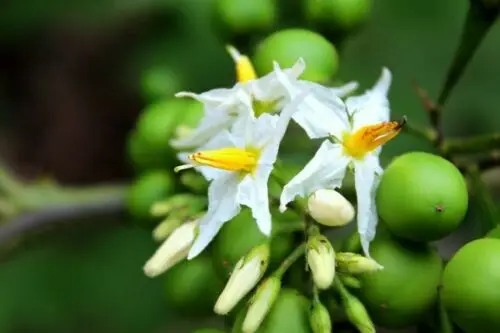
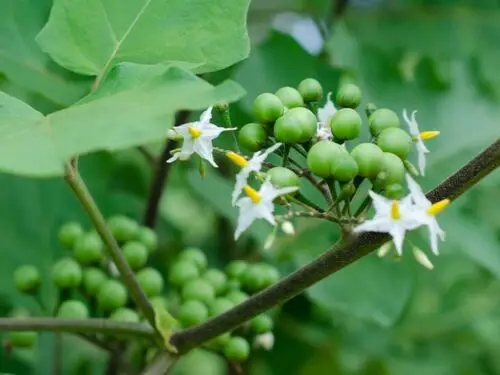
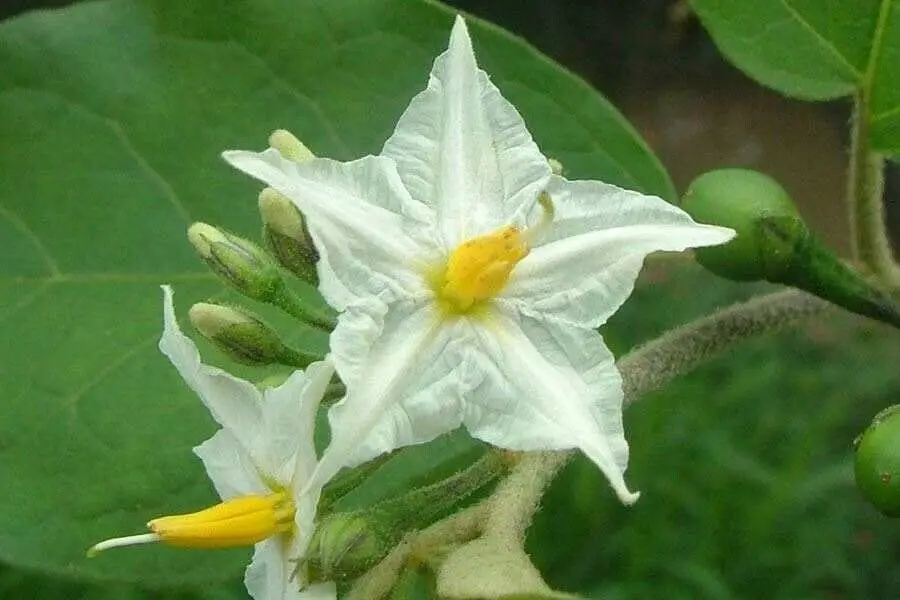
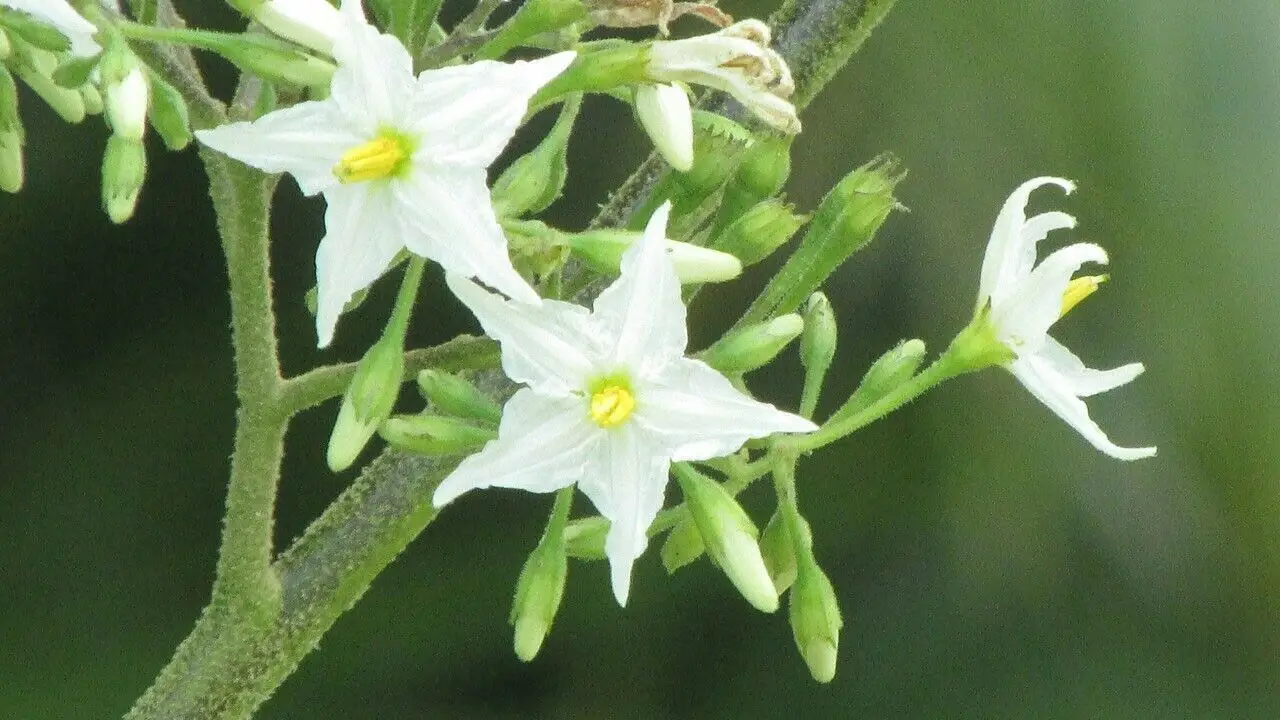
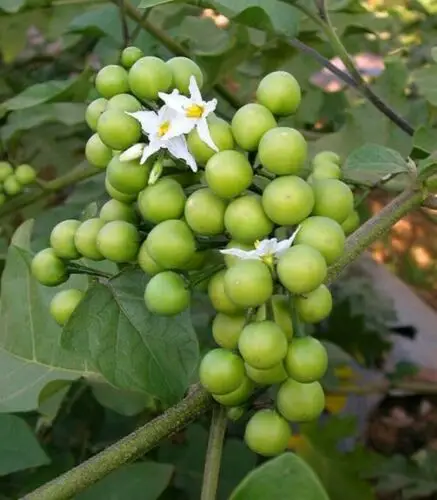
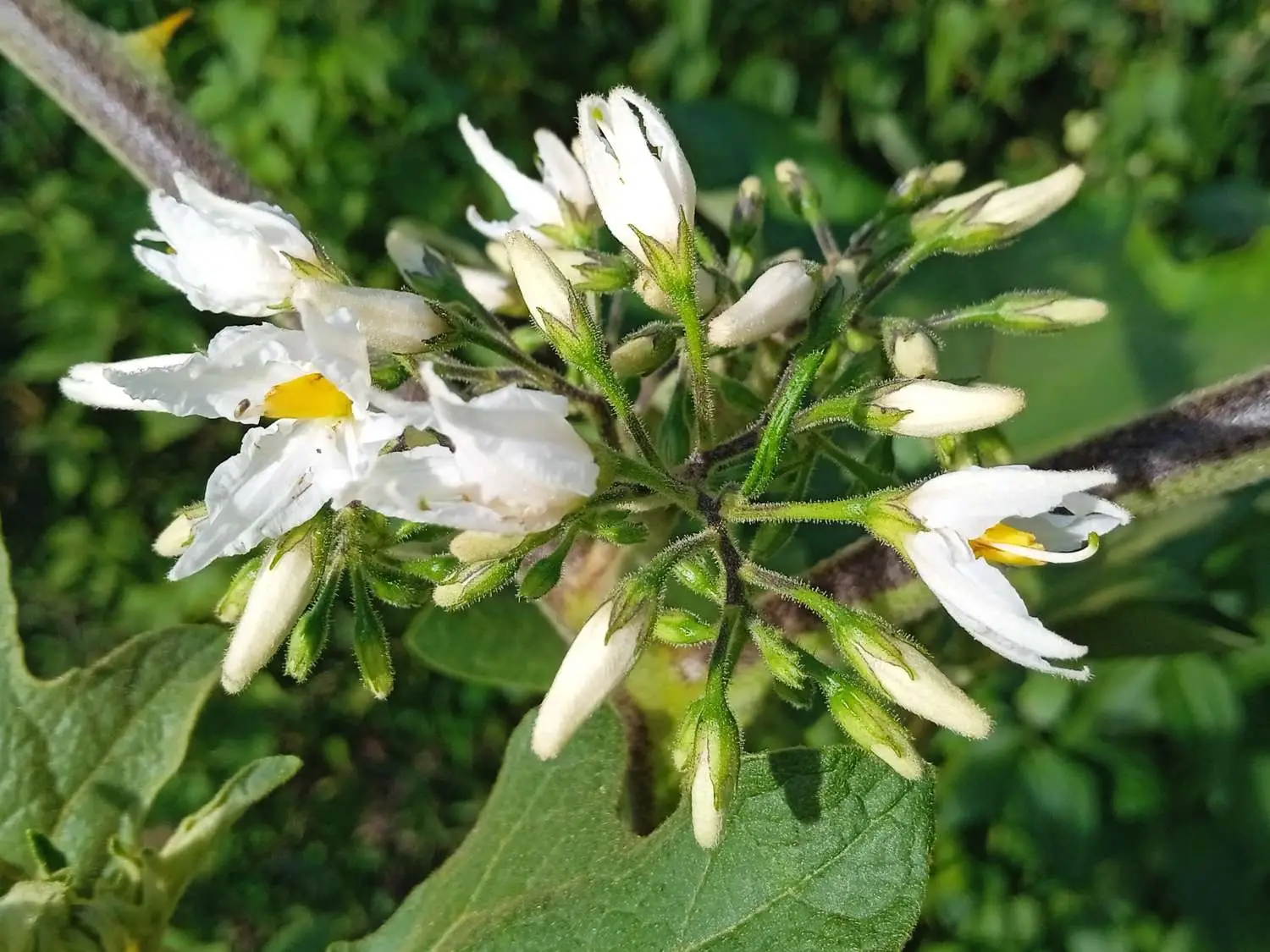
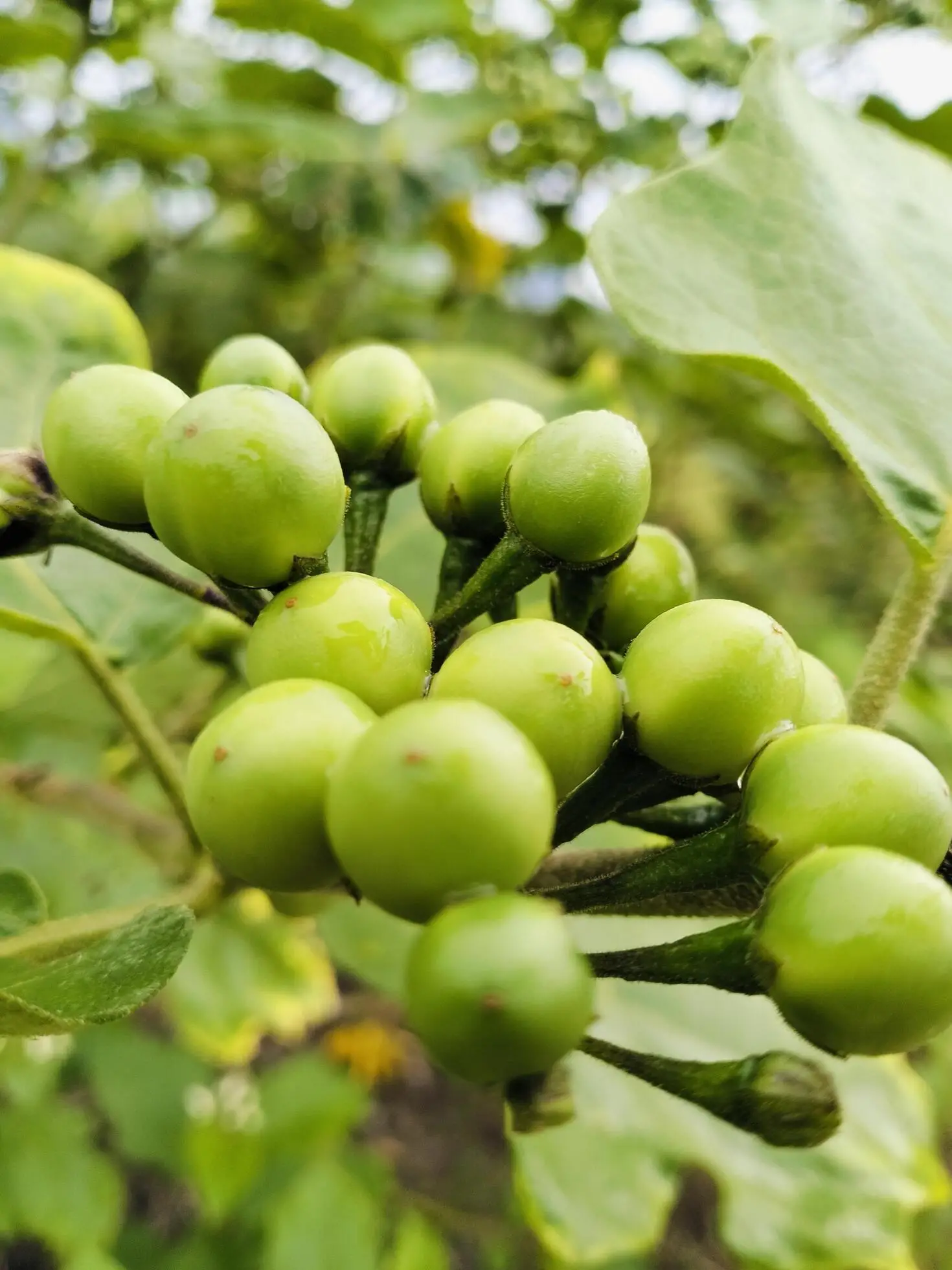
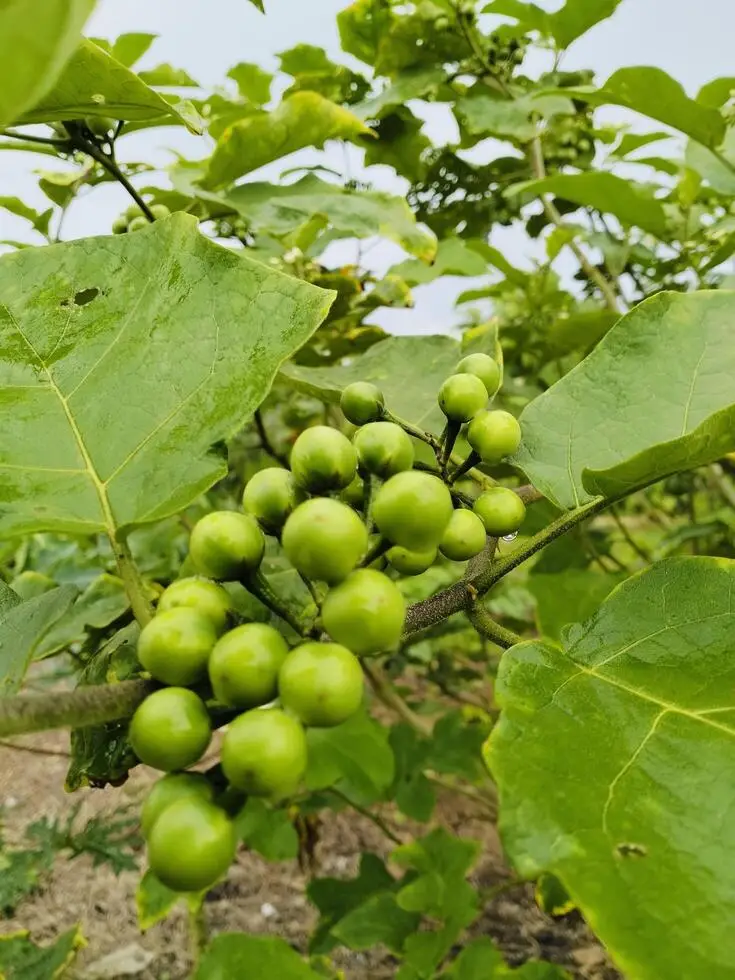
This perennial shrub produces clusters of delicate white star-shaped flowers with five petals and a bright yellow center, appearing in groups of 15 to 20 with beautifully translucent, paper tissue-like petals. After pollination, the flowers produce small green fruits that look like green peas, turning orange and then yellow as they ripen. The plant is usually 2 or 3 m in height with gray bark and nearly smooth stems with raised lenticels—a living presence that rewards the eye as much as the palate.

Native to the tropical Americas but widely naturalized in Asia and Africa, Solanum torvum is originally native to Central and South America but now widespread throughout the tropics. The species name “torvum” derives from the Latin word for “swelling” or “bulging,” perhaps referring to the shape of its fruits. For centuries, this humble shrub has traveled from rainforest edge to kitchen table across continents—a plant that belongs everywhere.

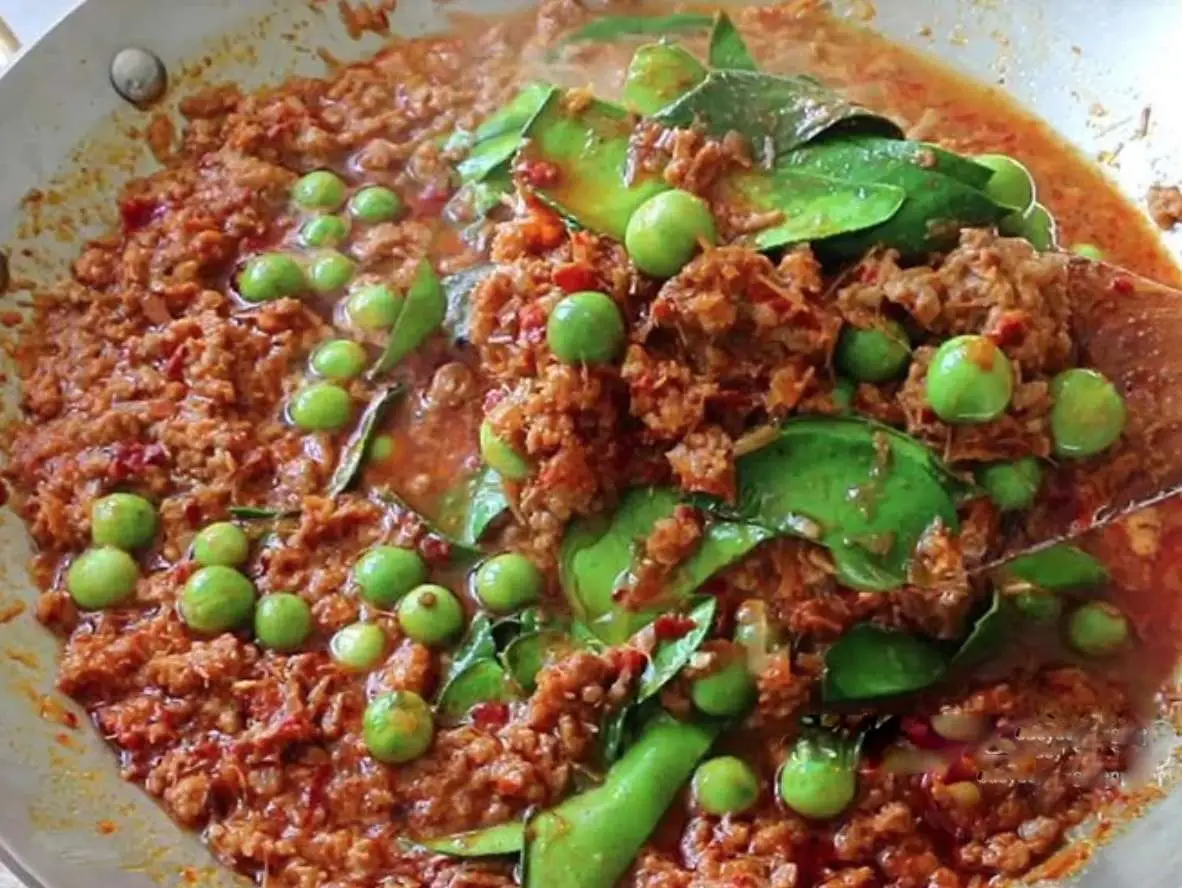
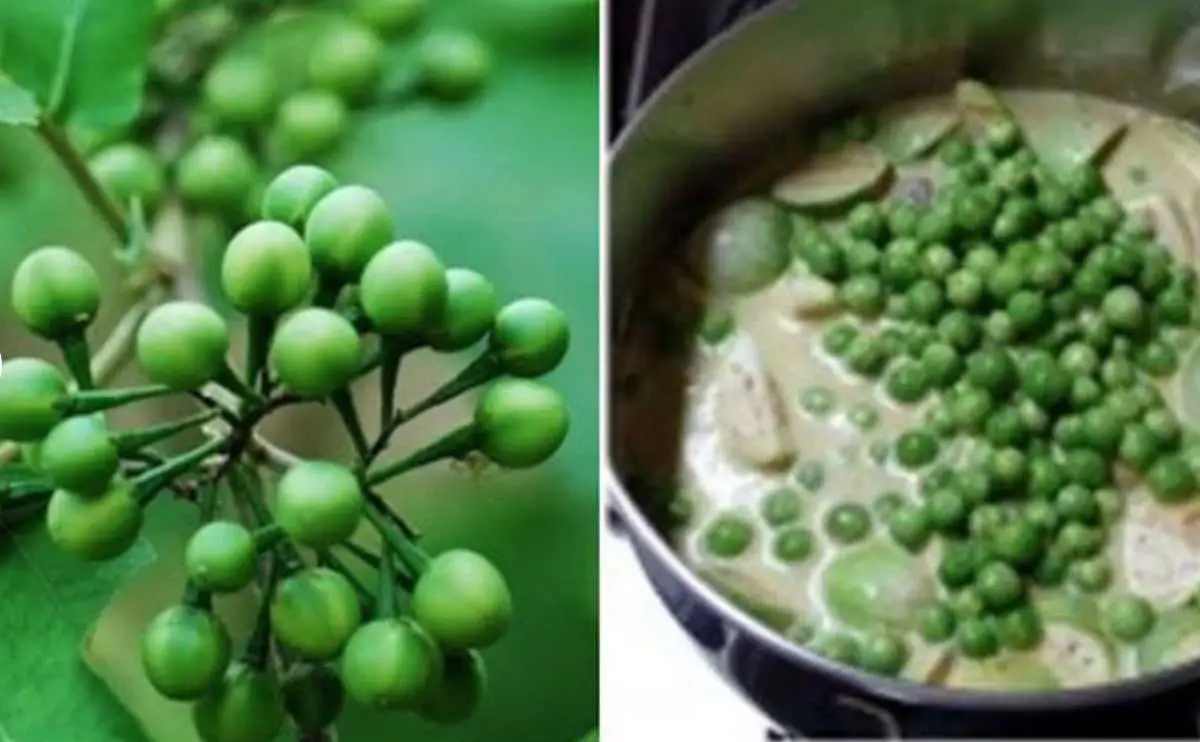
But here’s where the magic happens: the berries. The green fresh fruits are edible and used in Thai, Lao, Cambodian and Burmese cuisine, as an ingredient in certain Thai curries or raw in certain Thai chili pastes (nam phrik). This versatile and resilient plant produces clusters of tiny green fruits, each about the size of a pea, that add a slightly bitter, tangy flavor to soups, curries, and stir-fries. The fruits are incorporated into soups and sauces in the Côte d’Ivoire, used in Ghanaian cuisine in stews such as kontomire stew, and in Tamil Nadu, India, the fruit is consumed directly, or as cooked food. These tiny eggplants are rich in dietary fiber, vitamins A and C, and antioxidants, which promote digestive health, reduce inflammation, and support immune function. In siddha medicine, one of the traditional medicine systems of India, an extract of this berry is used to improve digestion. Every harvest becomes an ingredient for authentic global cuisine—you’re not just growing a plant, you’re cultivating culinary tradition.

This evergreen shrub grows to 2.5 m (8ft) by 1.5 m (5ft) at a fast rate, making it impressively productive without demanding perfection. It grows best in warm, moist, fertile conditions but once established it can withstand drought by shedding its leaves. Suitable for light (sandy), medium (loamy) and heavy (clay) soils and prefers well-drained soil, can grow in semi-shade (light woodland) or no shade, prefers moist soil and can tolerate drought. The plant commences flowering when 3 – 4 months old and the plant can flower and produce fruit all year round. Maintaining your Pea Eggplant is relatively easy because it is quite hardy, this plant is mostly resistant to common issues, it is a great choice for organic gardening, and is a very low-maintenance addition to your backyard. In containers or ground, tropical or subtropical zones (USDA 9-11), this is a plant that thrives on your attention but doesn’t demand it—perfect for growers who want abundance without anxiety.

Imagine stepping into your garden and harvesting clusters of emerald berries, ready to transform into the curries and stews of cultures that have cherished them for generations. A plant of the moist tropics, Solanum torvum is your passport to authentic tropical cuisine, medicinal wisdom, and the deep satisfaction of growing something truly useful. Sow these seeds and join the millions of gardeners worldwide who have made Turkey Berry not just a plant—but a culinary essential.

Germination Guide

🌍 Central America, Caribbean, South America
Difficult

Solanum torvum (turkey berry, pea eggplant) is a tropical Solanaceae species native to Central America and the Caribbean. Seeds exhibit strong physiological dormancy requiring pre-treatment to achieve adequate germination rates. The species is widely used as a rootstock for eggplant and tomato due to disease resistance.

Germination
Germination time
Expect germination in

3 – 28 days

Temperature

Min 15°C
Ideal 25°C
Max 30°C
🌡️ Temperature alternation recommended
— Alternating temperatures 15°C for 7 days then 30°C for 7 days improves germination to 81%. Temperature fluctuation required to break dormancy.

Light
☀️ Light required

Substrate moisture
💧💧 High

Sowing depth
0.5 cm

Germination rate
81 %


Seed Pre-treatment
  • 💧

    Soaking — 24 hours
    Pre-imbibition in gibberellic acid solution recommended
  • 🔨

    Mechanical scarification
    Scrubbing seeds in a rubbing bag with flowing water
  • ❄️


    Cold then warm stratification — 7 days at 15°C
  • 📋

    Additional notes
    Gibberellic acid (GA3) at 10 ppm or potassium nitrate (KNO3) 0.2% soaking significantly improves germination. Cold stratification at 15°C for 7 days followed by heat shock at 30°C for 7 days optimal.

Substrate & Container
Recommended substrate
Potting mix, cocopeat (pH 5.5-6.8), sandy or loamy soil

Recommended container
50-cell seed trays or pots


Growing Tips
Fresh seeds present strong dormancy with no germination untreated. Seed batches show variable response to treatments. Gibberellic acid treatment most effective overall. Seeds from ripe yellow fruits achieve highest germination (95%) at 12 days mean time. Store seeds under ambient conditions for up to 16 weeks to improve dormancy alleviation.

Reviews

There are no reviews yet.

Only logged in customers who have purchased this product may leave a review.

Related Products