Description
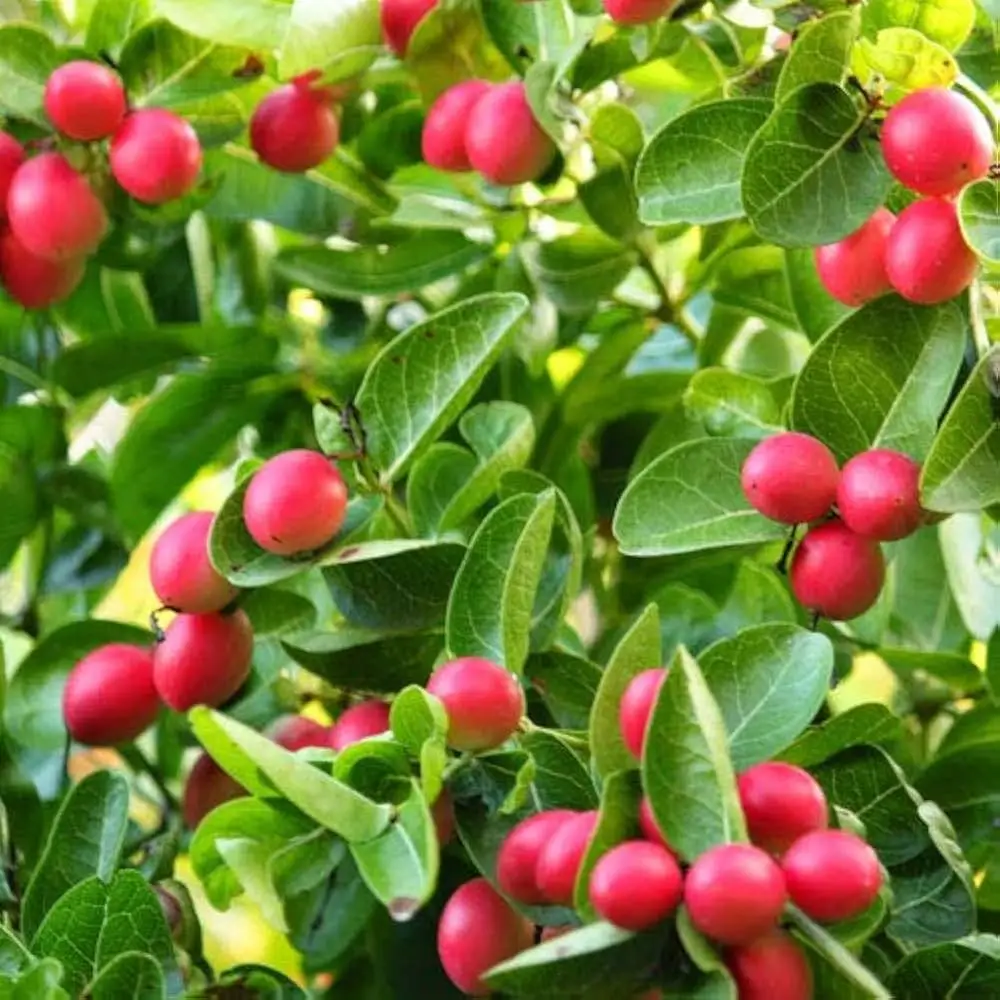
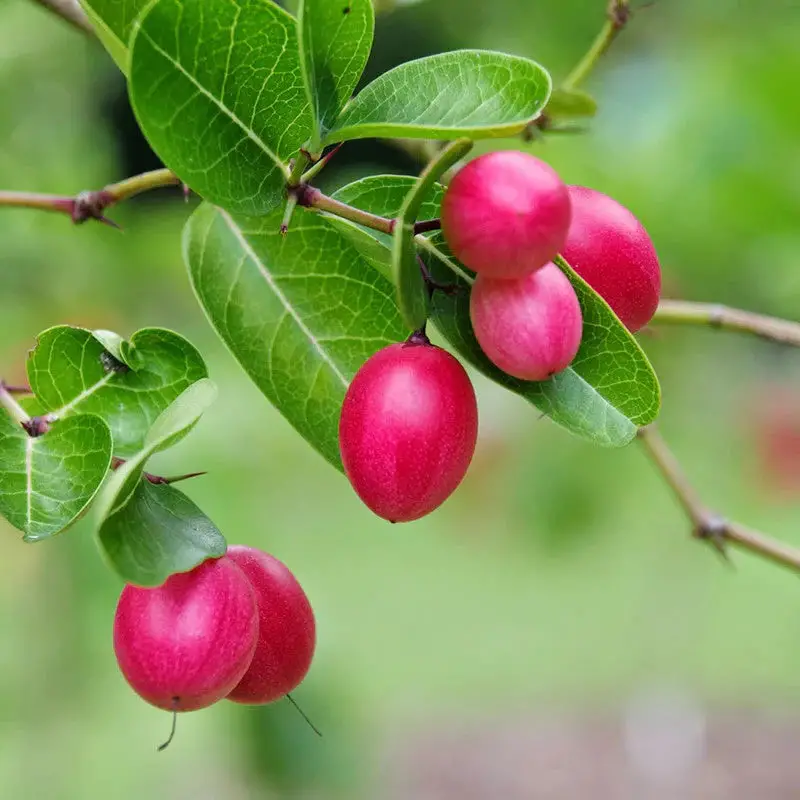
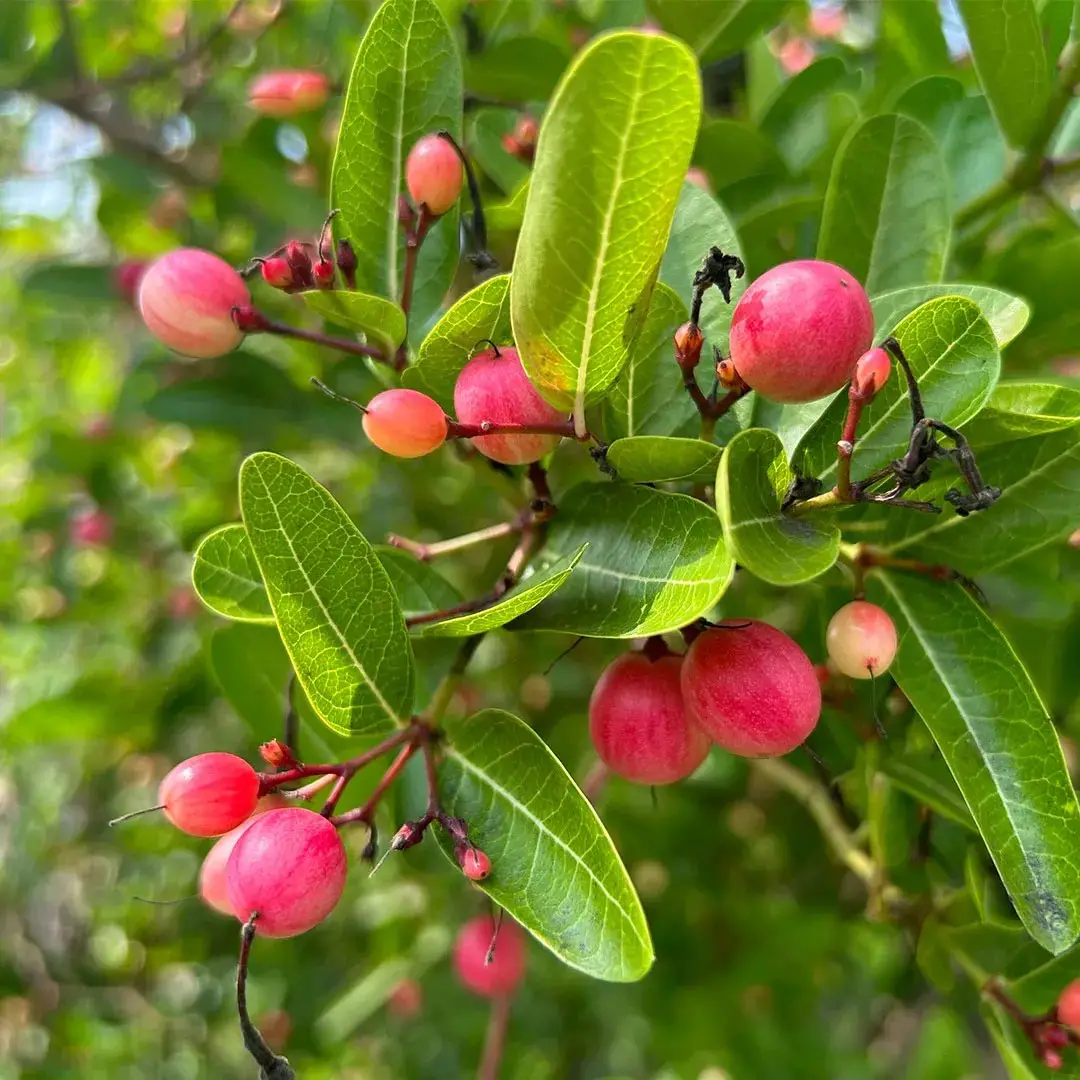
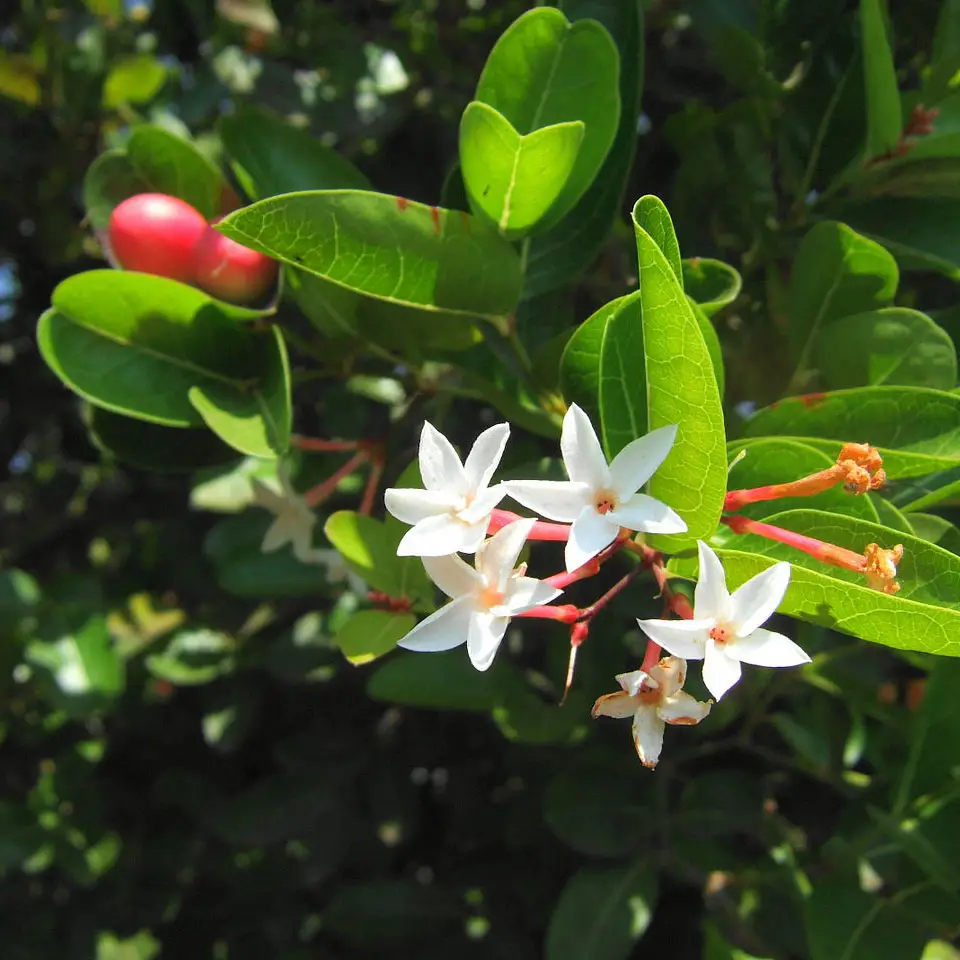
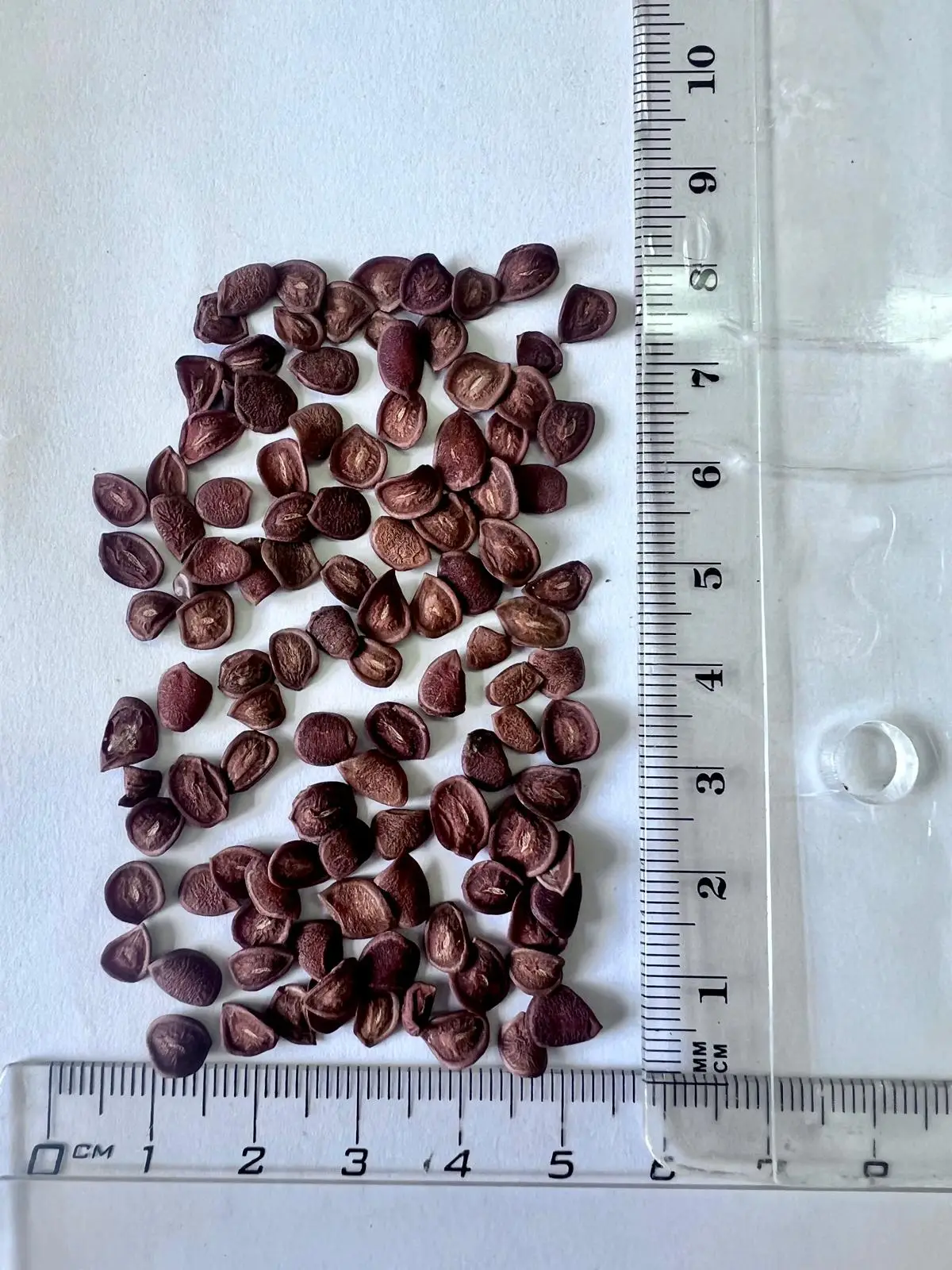
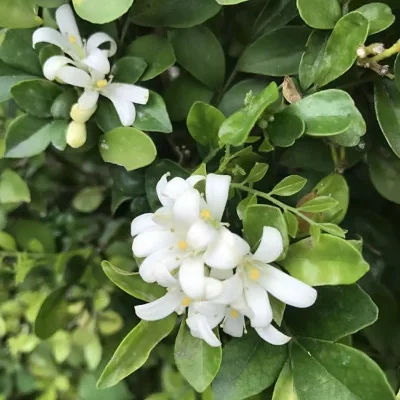
Carissa carandas is a species of flowering shrub in the family Apocynaceae. It produces berry-sized fruits that are commonly used as a condiment in Indian pickles and spices. It is a hardy, drought-tolerant plant that thrives well in a wide range of soils.
It is a woody shrub to a small tree, with climbing habit. It can grow up to 5 m tall. Leaves are broadly ovate to oblong in shape, measuring up to 7 cm long and 4 cm wide, with broadly cuneate to rounded base and apiculate apex. Stems have spines which are simple to slightly forked, measuring about 5 cm.
Germination Guide
🌍 India, Bangladesh, Southeast Asia
Moderate
Carissa carandas is a hardy evergreen shrub native to India and Southeast Asia, known for its tart berries used in pickles and preserves. Seed germination is challenging due to hard seed coat dormancy but can be significantly improved with chemical pre-treatments.
Germination
Germination time
Expect germination in
8 – 21 days
Temperature
Min 16°C
Ideal 25°C
Max 34°C
Substrate moisture
💧 Medium
Seed Pre-treatment
-
💧
Soaking — 24 hours
Water soaking beneficial; GA3 50 ppm for 1 hour or KNO3 2% soaking most effective
-
📋
Additional notes
GA3 50 ppm (1 hour) highest germination 40.60%; KNO3 1-2% also effective; control germination 26.67%
Substrate & Container
Recommended substrate
Well-draining, fertile, sandy-loam soil with organic matter
Recommended container
Seed tray or small pots
Growing Tips
Keep soil moist and warm around 25°C; spray water every 2 days; transplant seedlings 4-6 inches tall; fruits bear within 2 years; GA3 and KNO3 treatments enhance germination and seedling vigor
Only logged in customers who have purchased this product may leave a review.


Reviews
There are no reviews yet.