
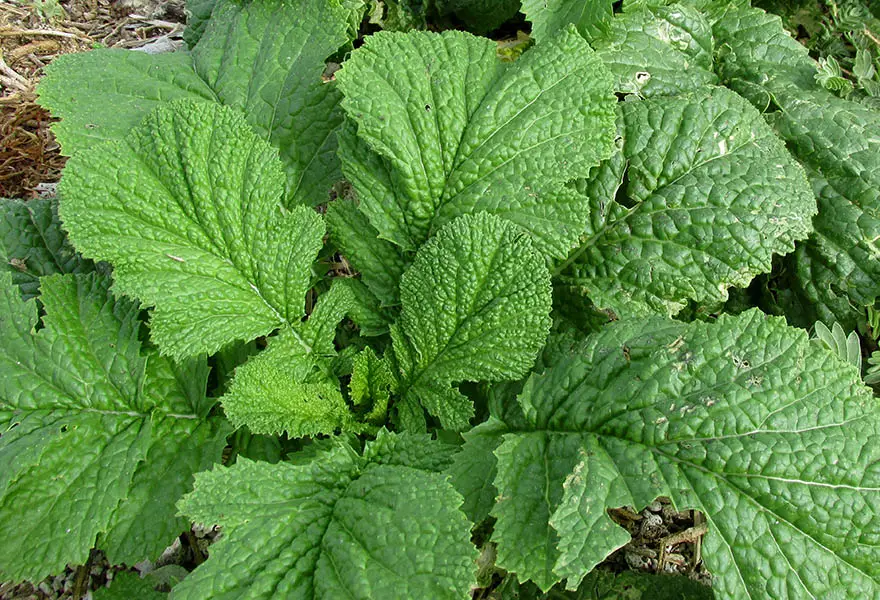
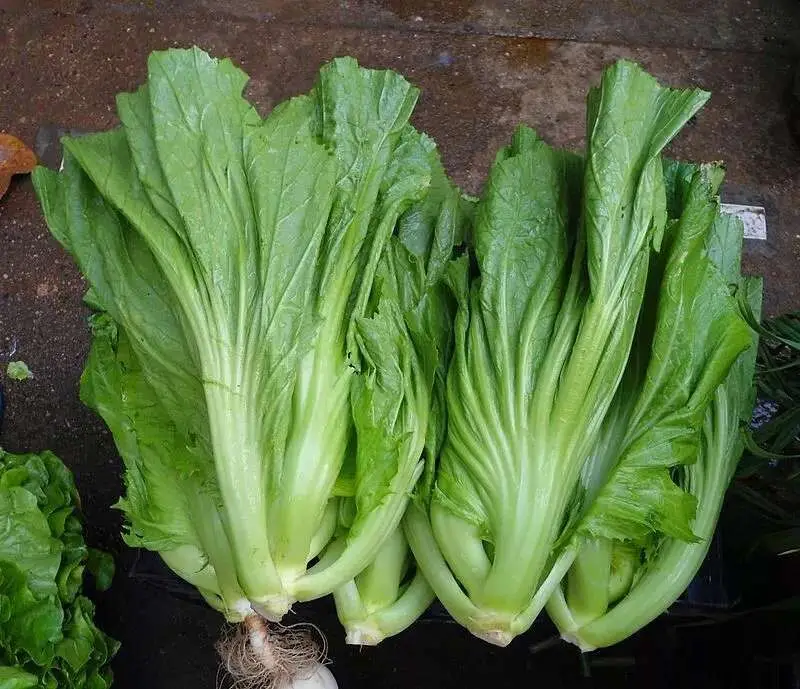
Botanical name: Brassica juncea
Common name: Brown Mustard, Chinese Mustard, Indian Mustard, Leaf Mustard, Oriental Mustard, Vegetable Mustard
Kingdom: Plantae
Clade: Tracheophytes
Clade: Angiosperms
Clade: Eudicots
Clade: Rosids
Order: Brassicales
Family: Brassicaceae
Genus: Brassica
Species: B. juncea
€1.92
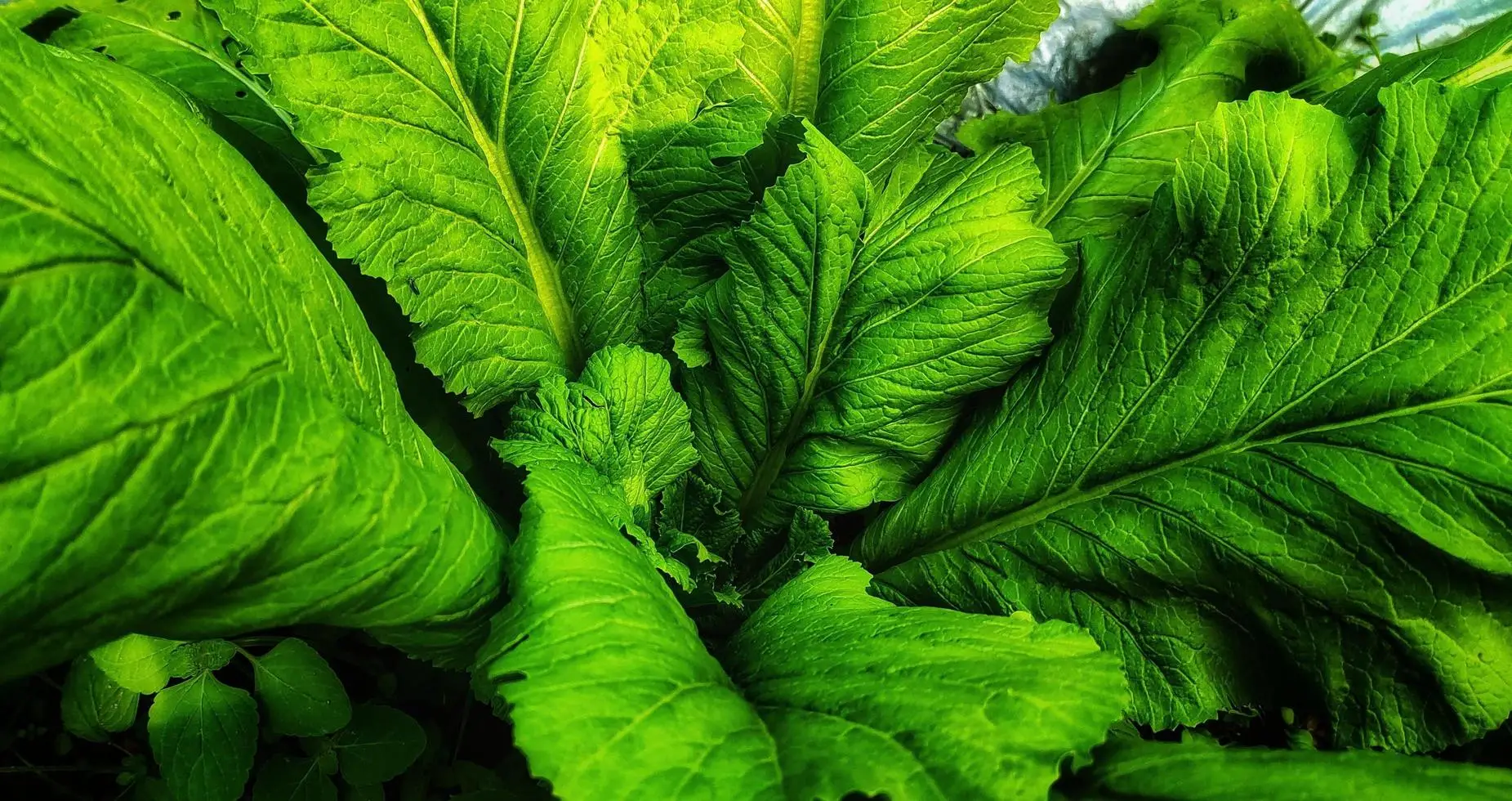
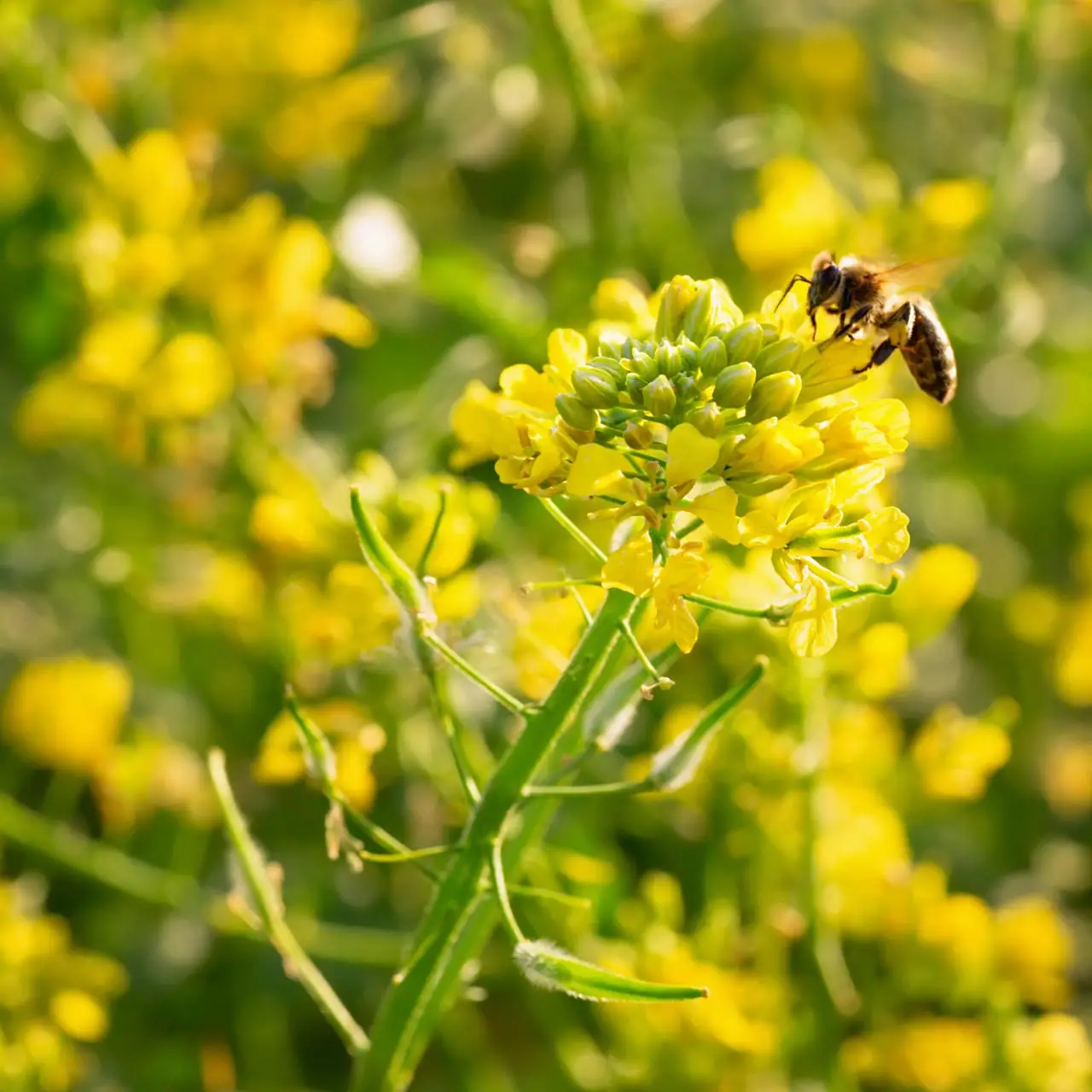
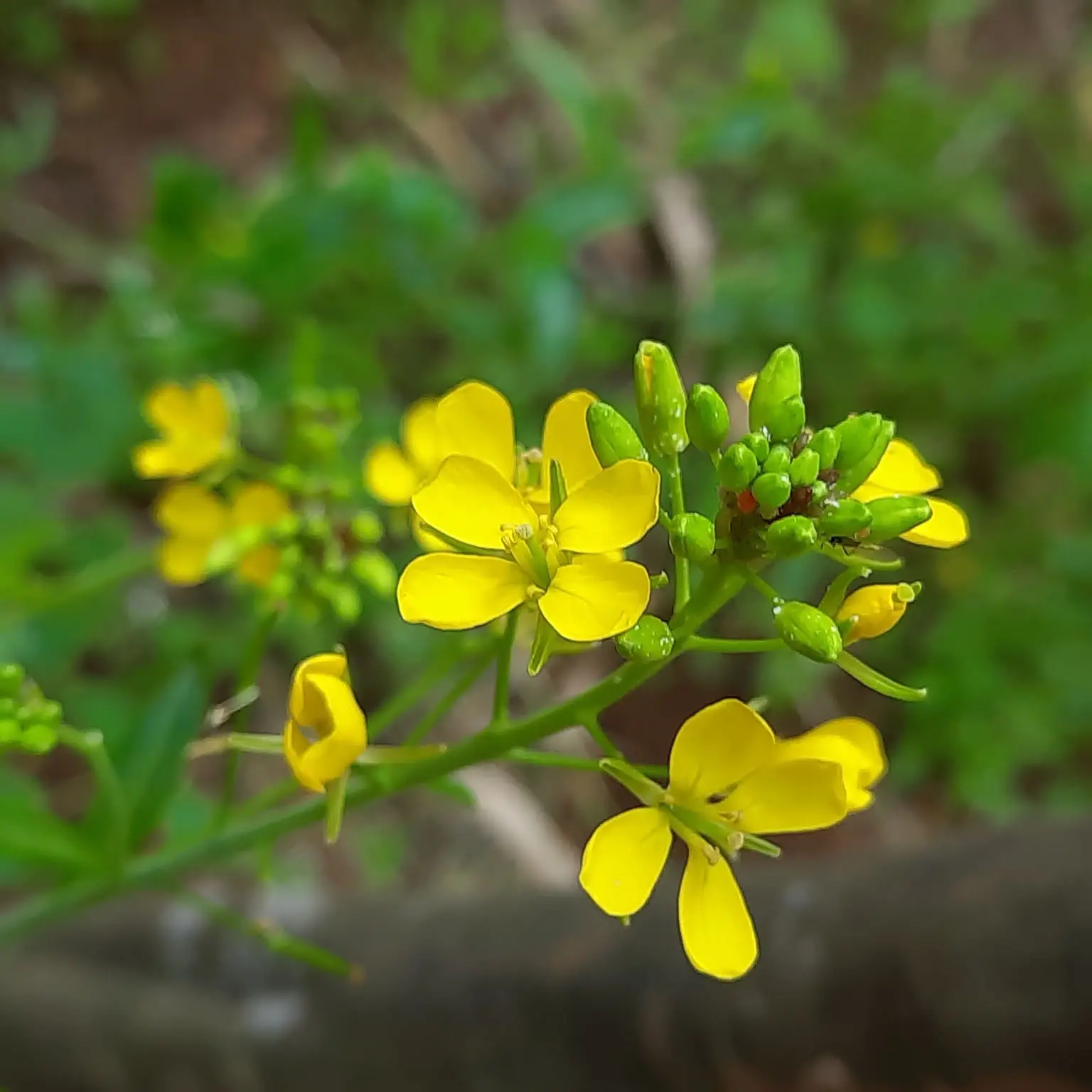
Brassica juncea, commonly brown mustard, Chinese mustard, Indian mustard, leaf mustard, Oriental mustard and vegetable mustard, is a species of mustard plant.
Brassica juncea cultivars can be divided into four major subgroups: integrifolia, juncea, napiformis, and tsatsai.
The leaves, seeds, and stems of this mustard variety are edible. The plant appears in some form in African, Bangladeshi, Chinese, Filipino, Tripuri, Italian, Indian, Japanese, Okinawan, Nepali, Pakistani, Korean, Southern and African-American (soul food) cuisines. Cultivars of B. juncea are grown for their greens, and for the production of mustard oil. The mustard condiment made from the seeds of the B. juncea is called brown mustard and is considered to be spicier than yellow mustard.
The leaves are used in African cooking, and all plant parts are used in Nepali cuisine, particularly in the mountain regions of Nepal, as well as in the Punjabi cuisine in the northern part of the Indian subcontinent, where a dish called sarson da saag (mustard greens) is prepared. B. juncea subsp. tatsai, which has a particularly thick stem, is used to make the Nepali pickle called achar, and the Chinese pickle zha cai. This plant is called “lai xaak” in Assamese and it is cultivated hugely during the winters. It is eaten in any form in Assam and Northeast, be it boiled or added raw in salad, cooked alone or with pork.
The Gorkhas of the Indian states of Darjeeling, West Bengal and Sikkim as well as Nepal prepare pork with mustard greens (also called rayo in Nepali). It is usually eaten with relish and steamed rice, but can also be eaten with roti (griddle breads). In Nepal it is also a common practice to cook these greens with meat of all sorts, especially goat meat; which is normally prepared in a pressure cooker with minimal use of spices to focus on the flavour of the greens and dry chillies. B. juncea (especially the seeds) is more pungent than greens from the closely related B. oleracea (kale, broccoli, and collard greens), and is frequently mixed with these milder greens in a dish of “mixed greens”.
Chinese and Japanese cuisines also make use of mustard greens. In Japanese cuisine, it is known as takana and often pickled for use as filling in onigiri or as a condiment. Many varieties of B. juncea cultivars are used, including zha cai, mizuna, takana (var. integrifolia), juk gai choy, and xuelihong. Asian mustard greens are most often stir-fried or pickled. A Southeast Asian dish called asam gai choy or kiam chai boey is often made with leftovers from a large meal. It involves stewing mustard greens with tamarind, dried chillies and leftover meat on the bone. Brassica juncea is also known as gai choi, siu gai choi, xaio jie cai, baby mustard, Chinese leaf mustard or mostaza.
Only logged in customers who have purchased this product may leave a review.
Reviews
There are no reviews yet.