Description
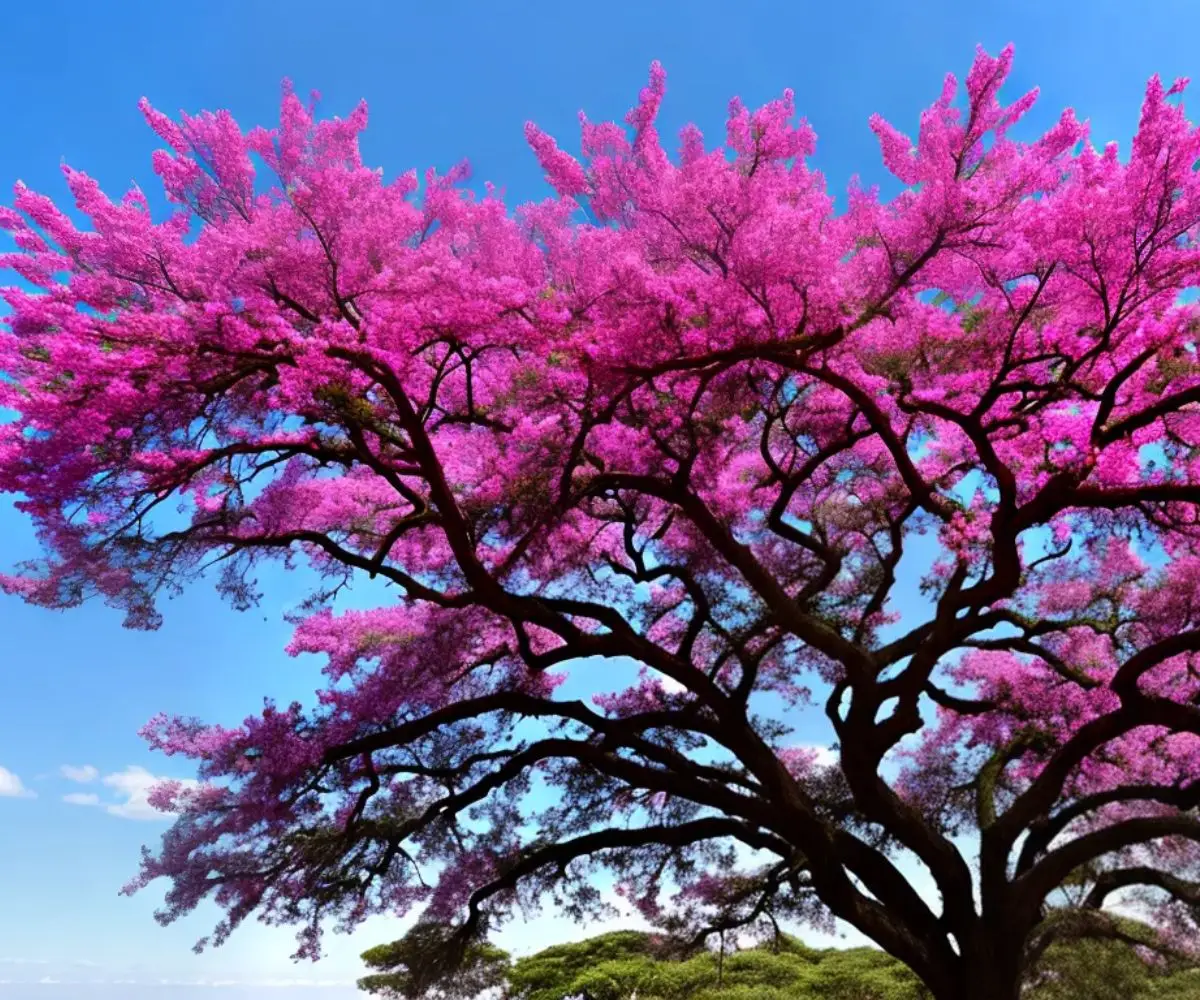
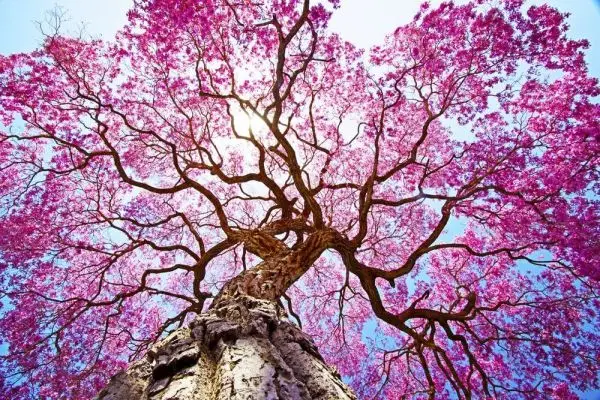
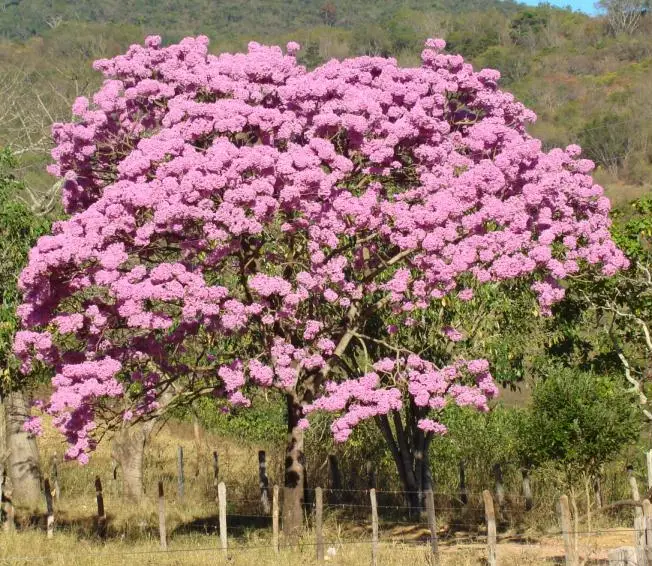
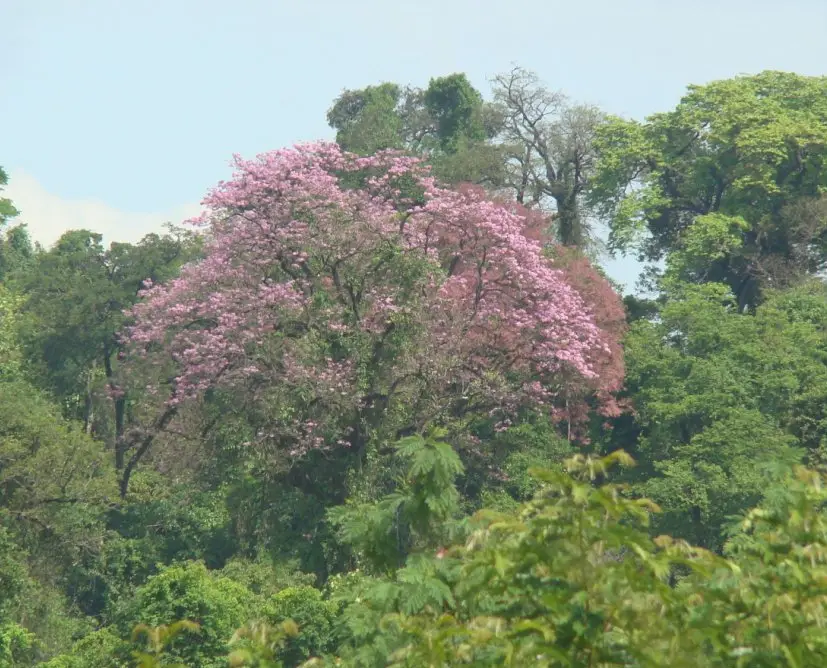
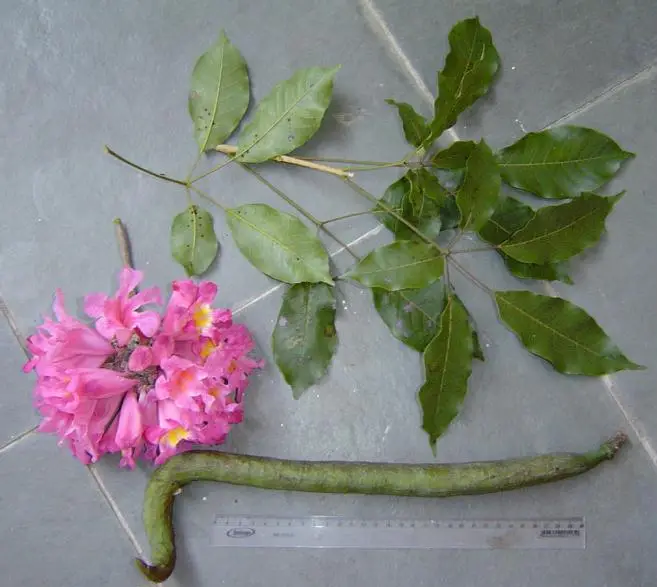
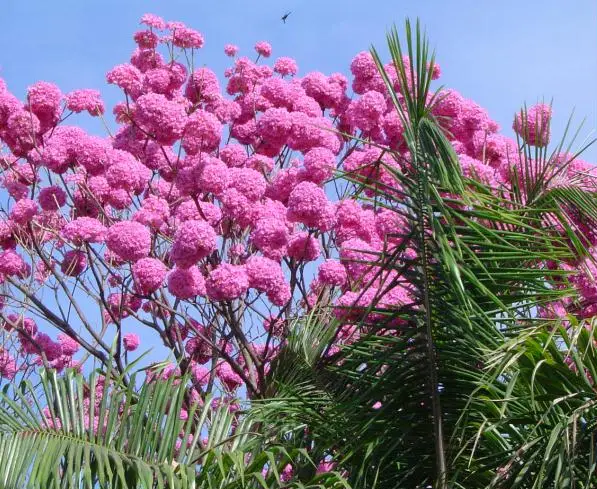
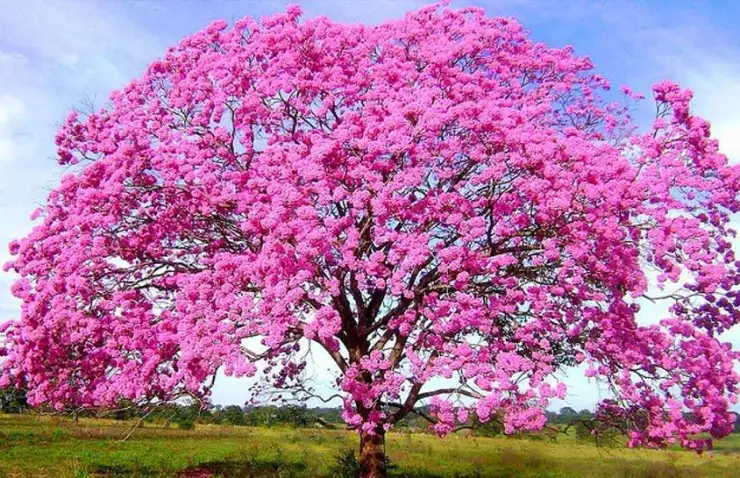
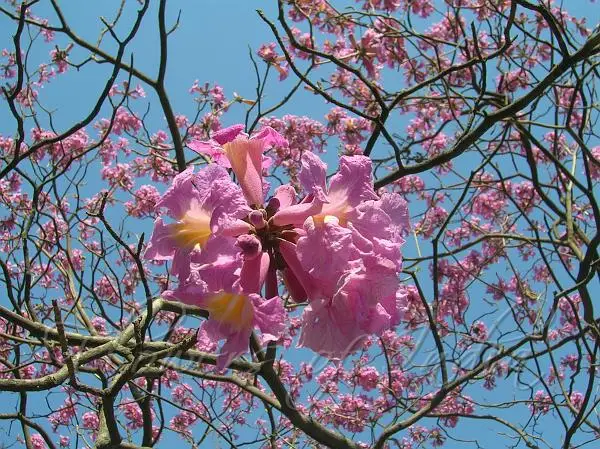
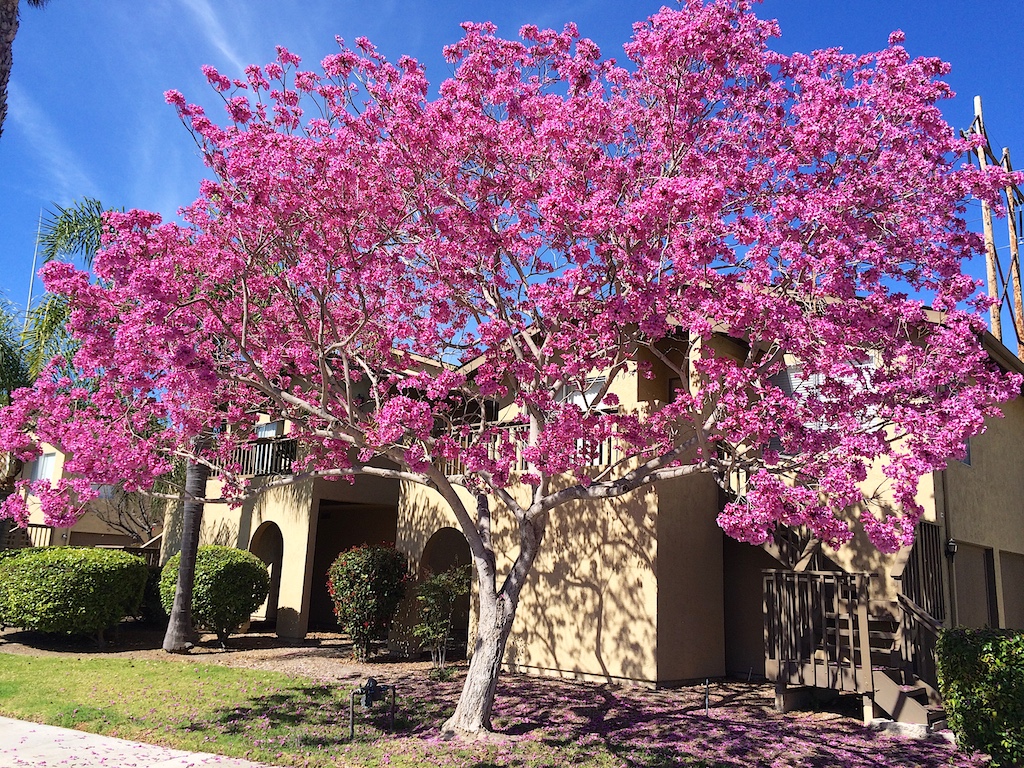
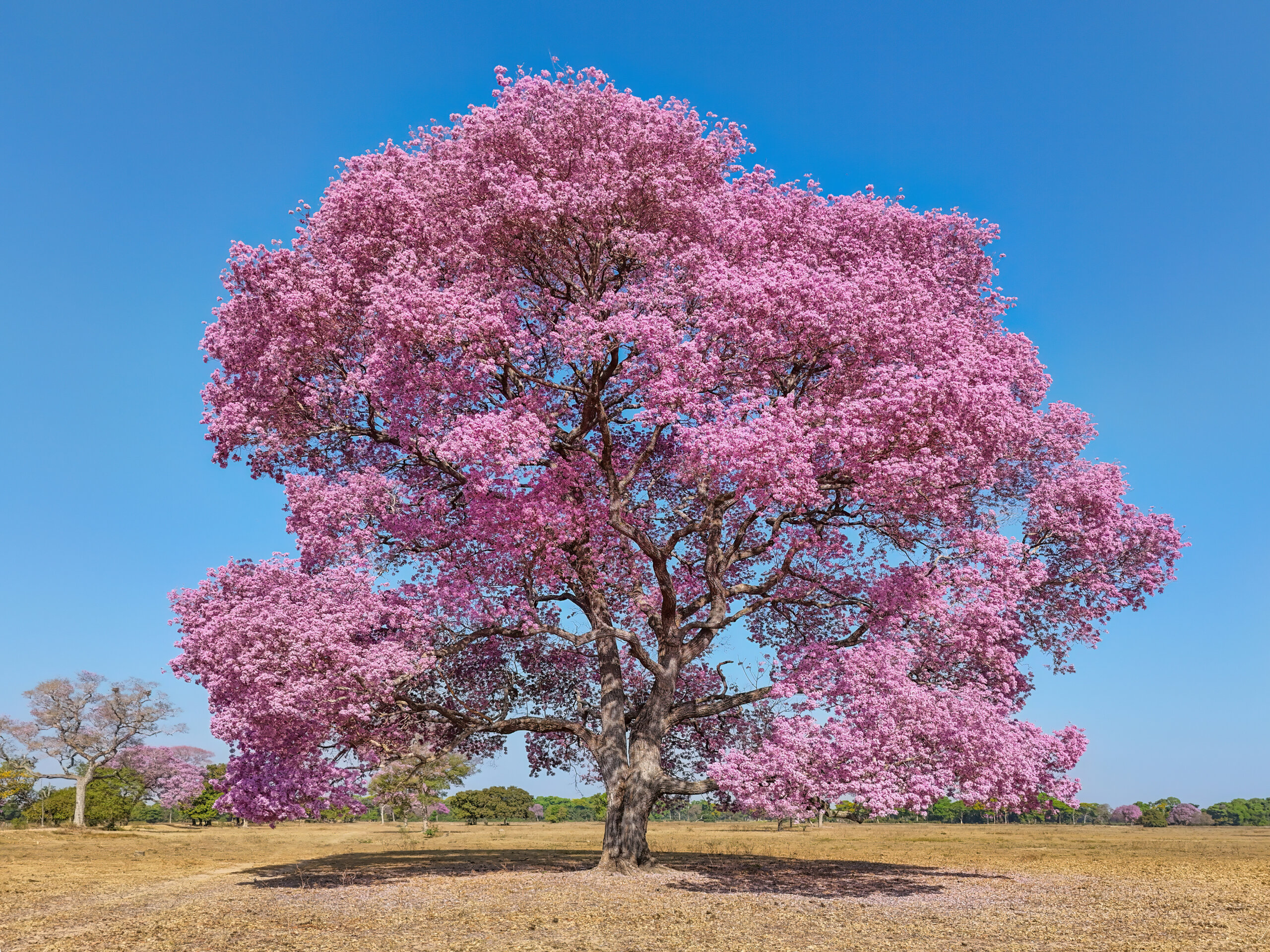
Handroanthus impetiginosus is a spectacular deciduous flowering tree native to Central and South America, celebrated for its breathtaking display of vibrant pink to lavender trumpet-shaped flowers. Growing 15 to 30 meters in height, it develops a straight trunk and a broad, rounded canopy with palmately compound leaves composed of five leaflets.
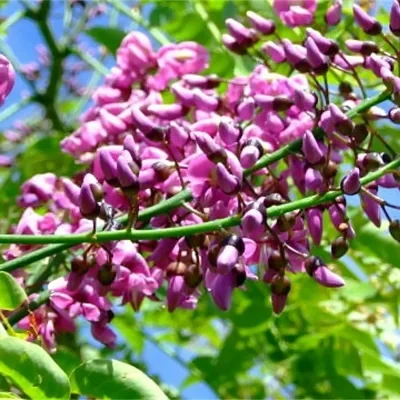
During the dry season, the tree sheds much of its foliage before bursting into bloom, covering its branches with dense clusters of showy flowers that attract bees, butterflies, and hummingbirds. After flowering, long, slender seed pods develop, releasing numerous winged seeds that are dispersed by the wind. In addition to its ornamental value, the species is renowned for its exceptionally dense and durable hardwood, commonly known as ipê, which is widely used for decking, flooring, outdoor construction, and fine woodworking.
Handroanthus impetiginosus thrives in full sun and warm tropical to subtropical climates. It prefers fertile, well-drained soil and is highly tolerant of seasonal drought once established. Its striking floral display and adaptability make it one of the most admired ornamental trees in tropical and subtropical landscapes.
Germination Guide
🌍 Central Mexico to northern Argentina; found in seasonally dry tropical forests across the Americas
Easy
Handroanthus impetiginosus, commonly known as the Pink Trumpet Tree, is a deciduous tree native to the Americas from Mexico to Argentina, belonging to the Bignoniaceae family. It is renowned for its spectacular rose-pink to lavender trumpet-shaped flowers that bloom in late winter to spring and is the national tree of Paraguay. Seeds germinate readily with high germination rates (95%) when provided with proper moisture, warmth, and light, making it relatively easy to propagate from seed.
Germination
Germination time
Expect germination in
10 – 21 days
Temperature
Min 22°C
Ideal 22°C
Max 25°C
Substrate moisture
💧💧 High
Sowing depth
Lightly covered
Seed Pre-treatment
-
💧
Soaking — 24 hours
Soak seeds in water for 24 hours to improve germination rates and soften seed coat
-
📋
Additional notes
Seeds benefit from warm soaking in water for 24 hours. No cold stratification is necessary; cold stratification is optional and not standard practice. Some sources mention seeds have high lipid content and short lifespan under storage.
Substrate & Container
Recommended substrate
Well-draining seed-starting mix, sandy loam, or peat-based medium with good drainage
Recommended container
Pots or seed trays with drainage holes
Growing Tips
Best sown fresh or within a few months of collection as seeds have high lipid content and relatively short storage life. Soak seeds in room-temperature water for 24 hours before sowing. Use bright, indirect light for germination; avoid direct hot sunlight. Keep substrate consistently moist but not waterlogged. Germination typically occurs in 10-12 days to 3 weeks. Seedlings grow rapidly and are usually ready to transplant within 4 months. Use transparent covers or plastic domes to maintain humidity during germination. Do not allow substrate to dry out between waterings.
Only logged in customers who have purchased this product may leave a review.


Reviews
There are no reviews yet.