Description
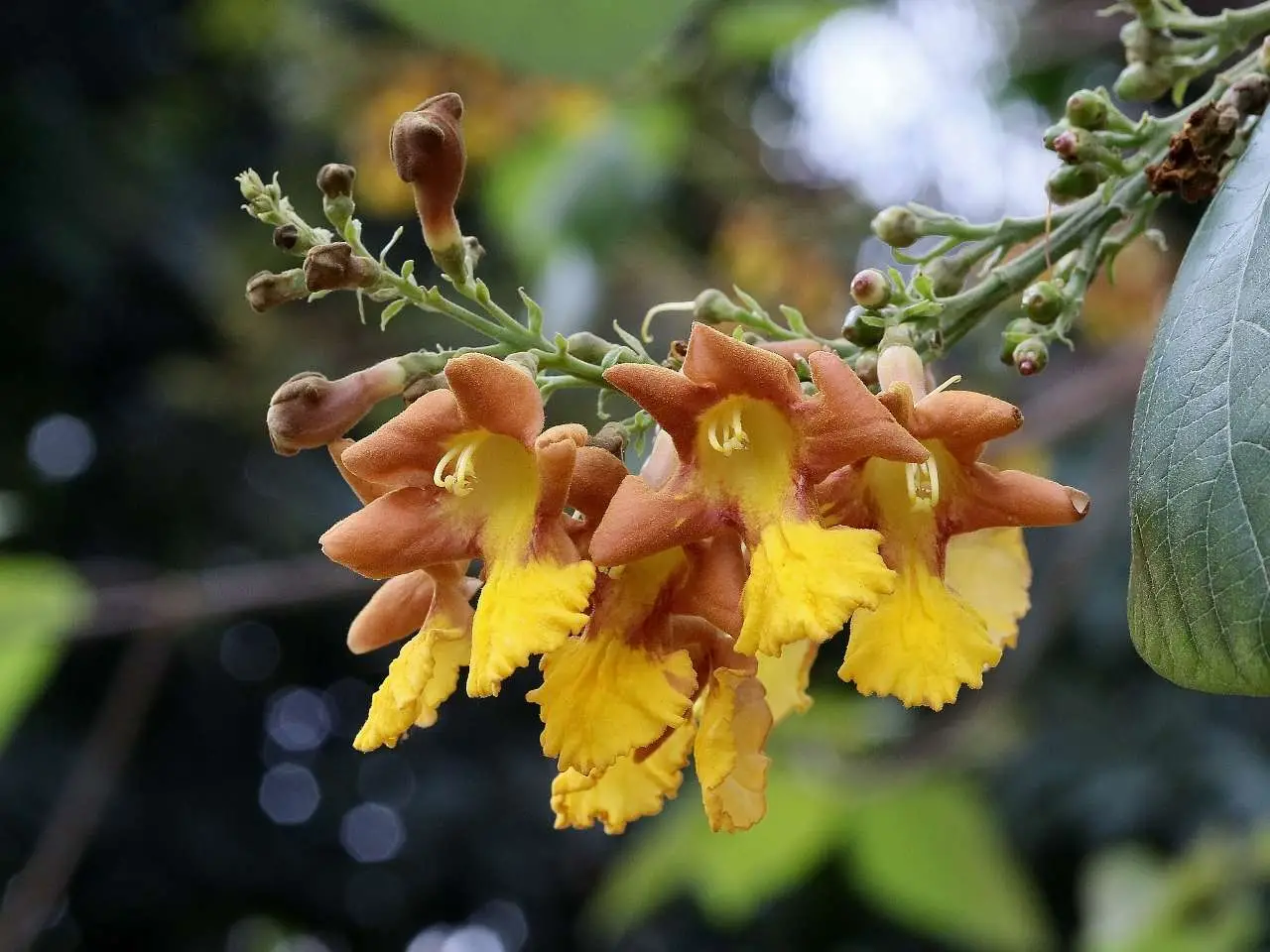
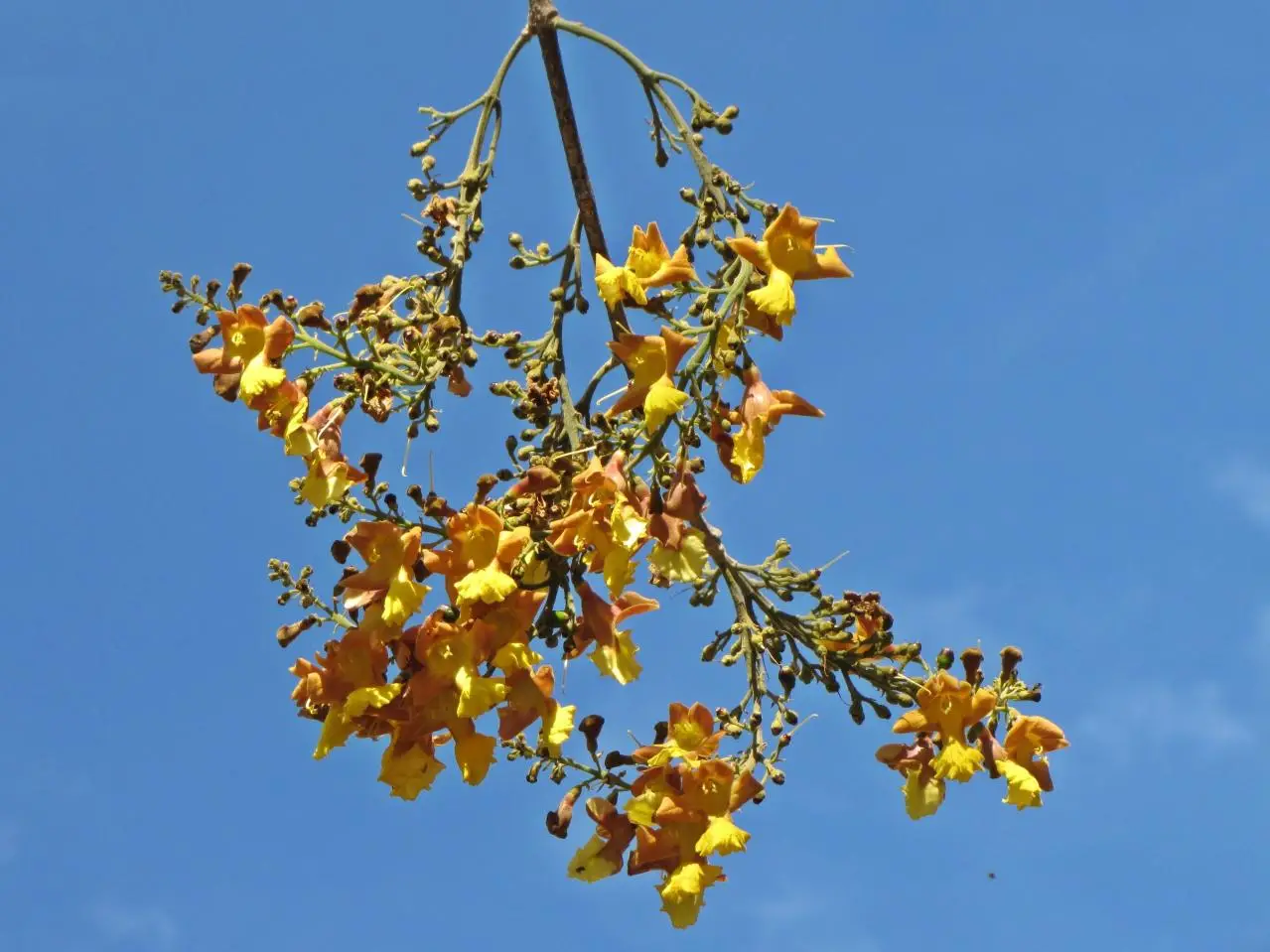
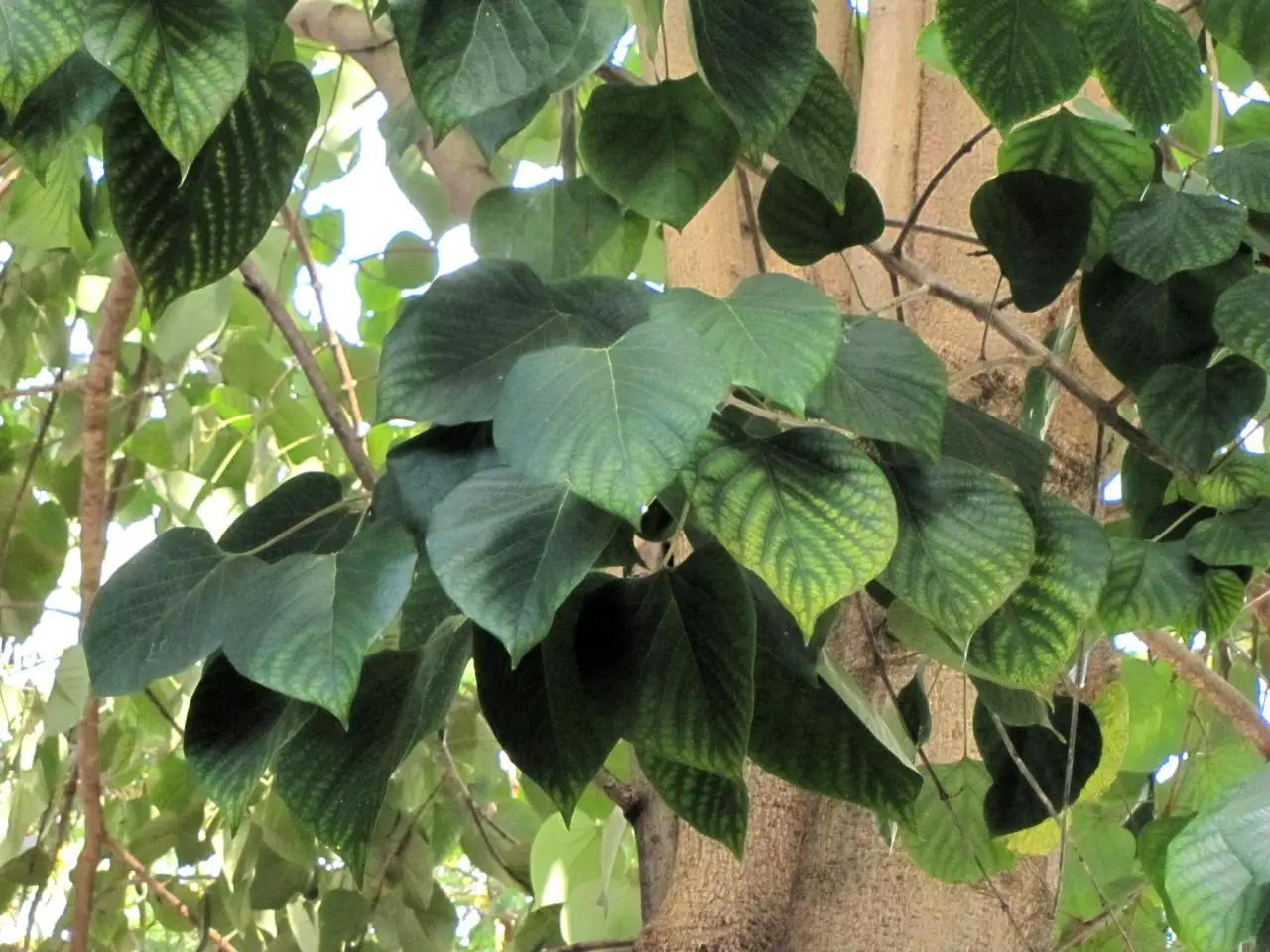
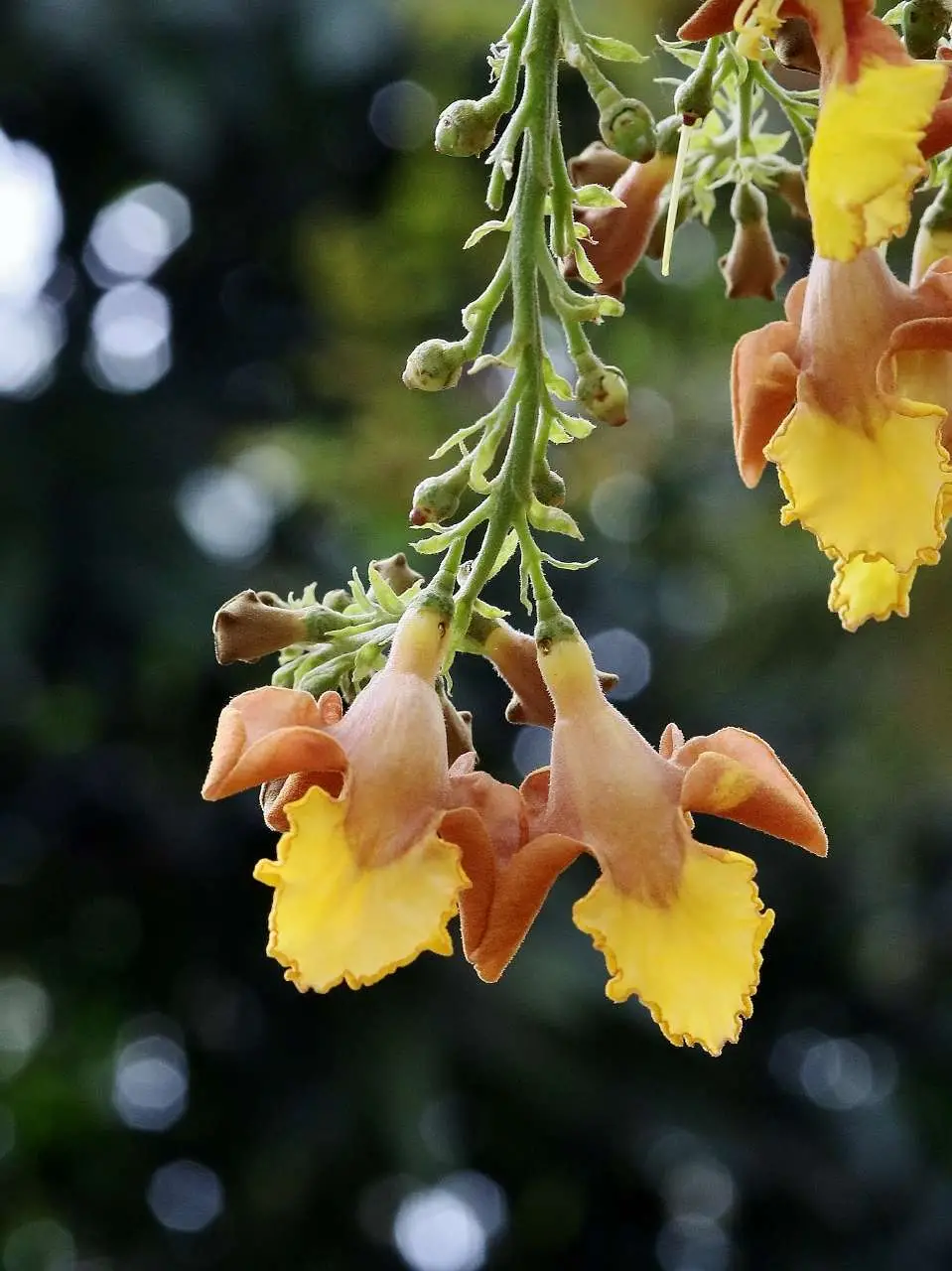
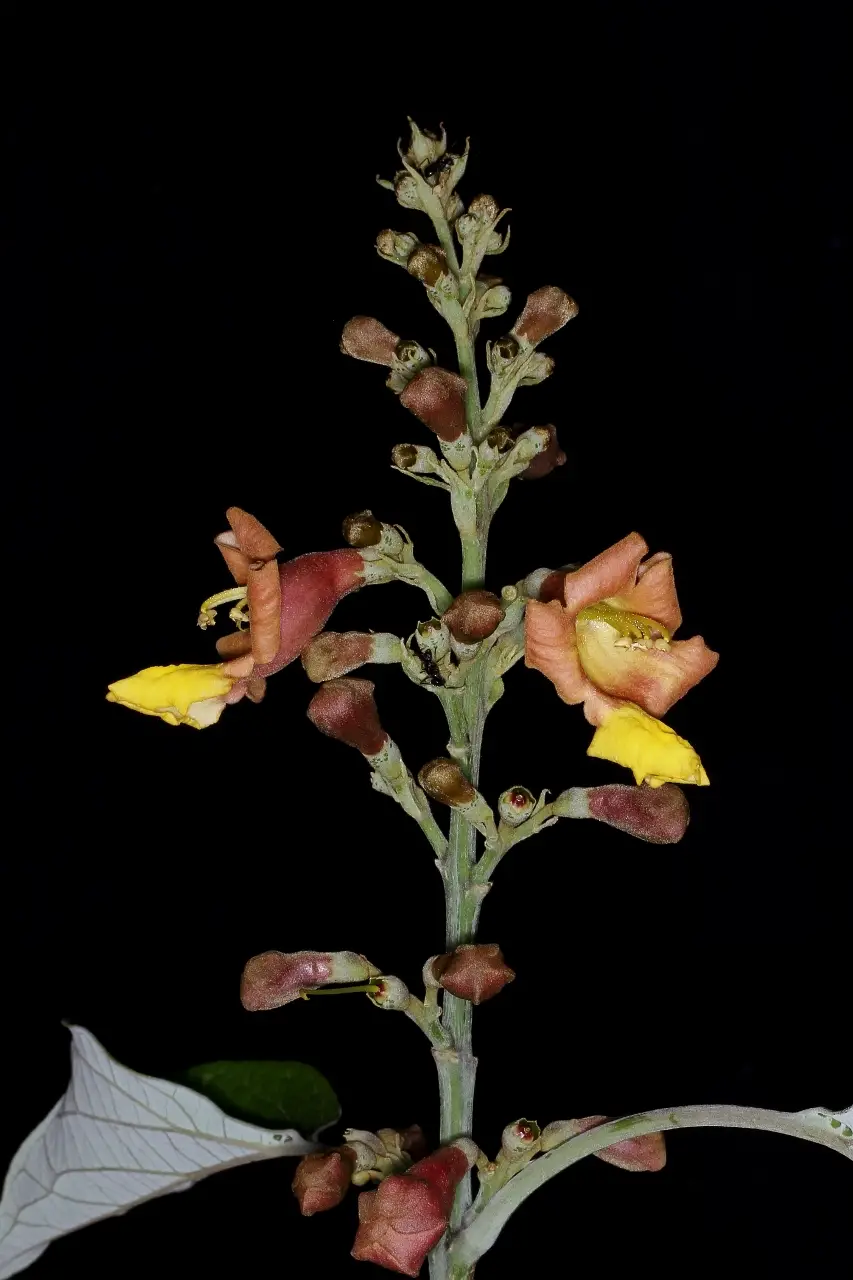
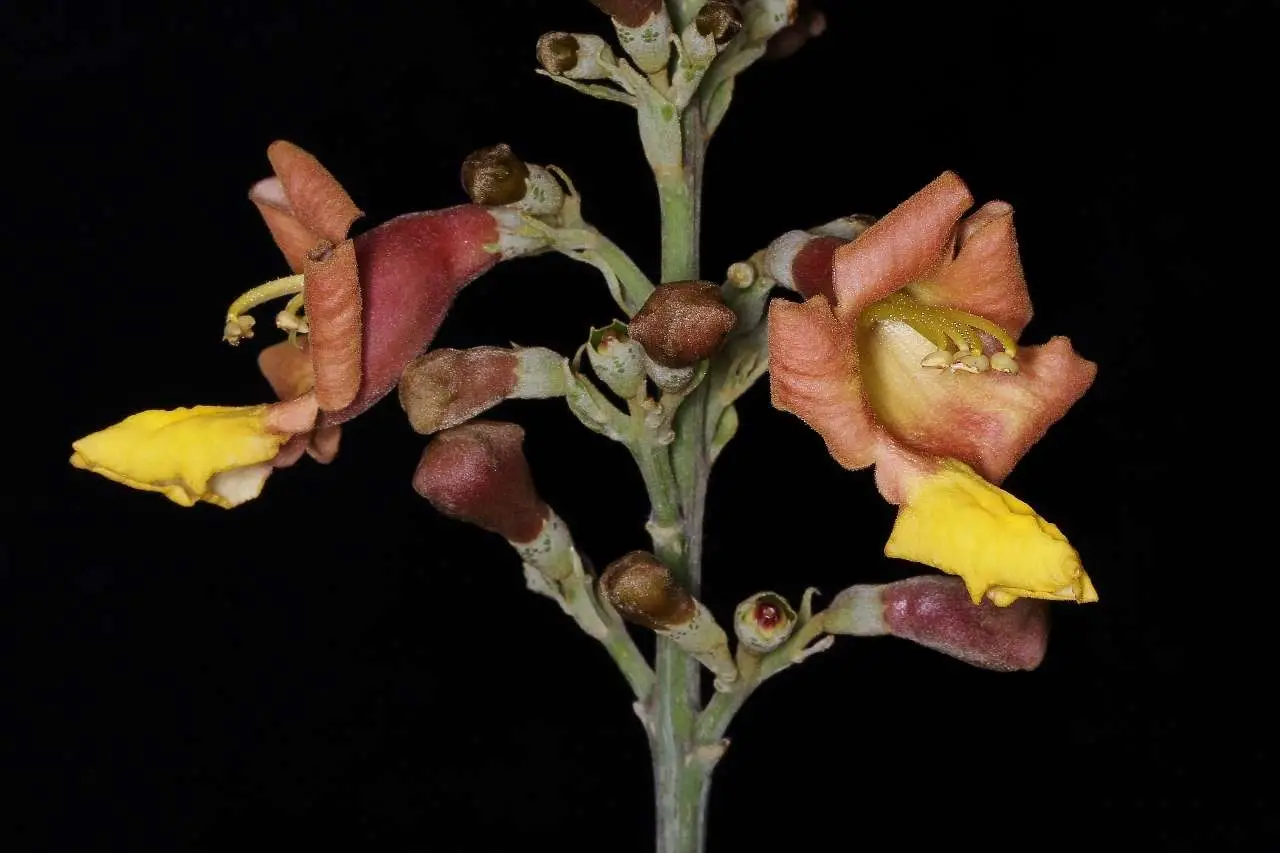
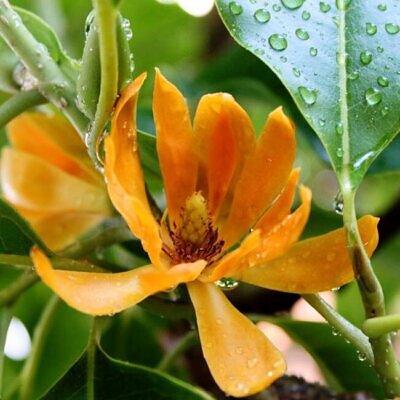
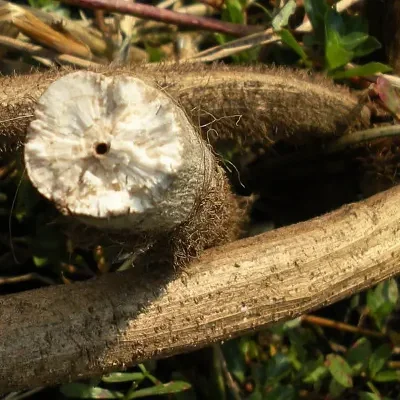
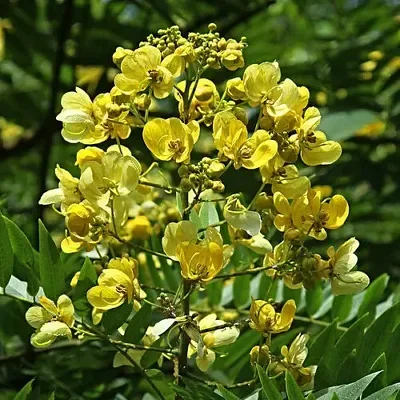
Gamhar is a beautiful fast growing deciduous tree occurring naturally throughout greater part of India up to 1500 m. It is a fast growing tree, which though grows on different localities and prefers moist fertile valleys with 750-4500 mm rainfall. It does not thrive on ill drained soils and remains stunted on dry, sandy or poor soils; drought also reduces it to a shrubby form. The tree attains moderate to large height up to 30 m with girth of 1.2 to 4.5 m with a clear bole of 9-15 m. It is a treat to see the gamhar tree standing straight with clear bole having branches on top and thick foliage forming a conical crown on the top of the tall stem. Bark light grey coloured exfoliating in light coloured patches when old, blaze thick, a chlorophyll layer just under the outer bark, pale yellow white inside. Flowering takes place during February to April when the tree is more or less leafless whereas fruiting starts from May onwards up to June. Flowers occur in narrow branching clusters at the end of branches. The yellow flower, tinged with brown, is trumpet shaped, 3-4 cm long. The trumpets flare open into a gaping mouth with 5 distinct lobes.
Medicinal uses: Warning: Unverified information The root and bark of Gmelina arborea are stomachic, galactagogue laxative and anthelmintic; improve appetite, useful in hallucination, piles, abdominal pains, burning sensations, fevers, ‘tridosha’ and urinary discharge. Leaf paste is applied to relieve headache and juice is used as wash for ulcers. Flowers are sweet, cooling, bitter, acrid and astringent. They are useful in leprosy and blood diseases. In Ayurveda it has been observed that Gamhar fruit is acrid, sour, bitter, sweet, cooling, diuretic tonic, aphrodisiac, alternative astringent to the bowels, promote growth of hairs, useful in ‘vata’, thirst, anaemia, leprosy, ulcers and vaginal discharge. The plant is recommended in combination with other drugs for the treatment of snake – bite and scorpion- sting. In snake – bite a decoction of the root and bark is given internally.
Germination Guide
🌍 Pakistan, India, Myanmar, Thailand, Laos, Cambodia, Vietnam, Southern China
Easy
Gmelina arborea is a fast-growing deciduous timber tree native to South and Southeast Asia, widely planted for light construction, pulp, fuel, and as a shade tree in agroforestry systems. Seeds have physical dormancy from hard seed coat but respond well to pre-treatment
Germination
Germination time
Expect germination in
7 – 50 days
Temperature
Min 16°C
Ideal 25°C
Max 34°C
🌡️ Temperature alternation recommended
— 9 cycles of alternating temperature at 30°C for 16 hours and 45°C for 8 hours promotes best germination results
Substrate moisture
💧 Medium
Seed Pre-treatment
-
💧
Soaking — 24 hours
Soak seeds in cold water for 24 hours before planting to soften seed coat; alternatively 48 hours in warm water for quick germination
-
🔨
Chemical scarification
Chemical scarification with concentrated H2SO4 for 10 minutes very effective; increased water uptake to 68% vs 15% in unscarified seeds
-
📋
Additional notes
Seeds have physical dormancy due to hard seed coat. Soaking nuts in water at 25°C for 17 hours followed by drying at 45°C for 7 hours yields 88% germination. GA3 at 200 ppm achieves 98.88% germination
Substrate & Container
Recommended substrate
Sand and loam mixture or well-draining soil. Optimal mix: 2 parts soil and 1 part sand. Avoid pure sawdust
Recommended container
Germination beds, seed boxes, nursery trays, poly-potted containers
Growing Tips
Seedling growth depends heavily on light availability. Requires full sunlight for optimal establishment. Seeds require complete removal of residual pulp after drying. Stored seeds (dried to 8% moisture at 3°C) germinate better than fresh seeds. Maintain warm and humid environment around 25°C during germination
Only logged in customers who have purchased this product may leave a review.

Reviews
There are no reviews yet.