
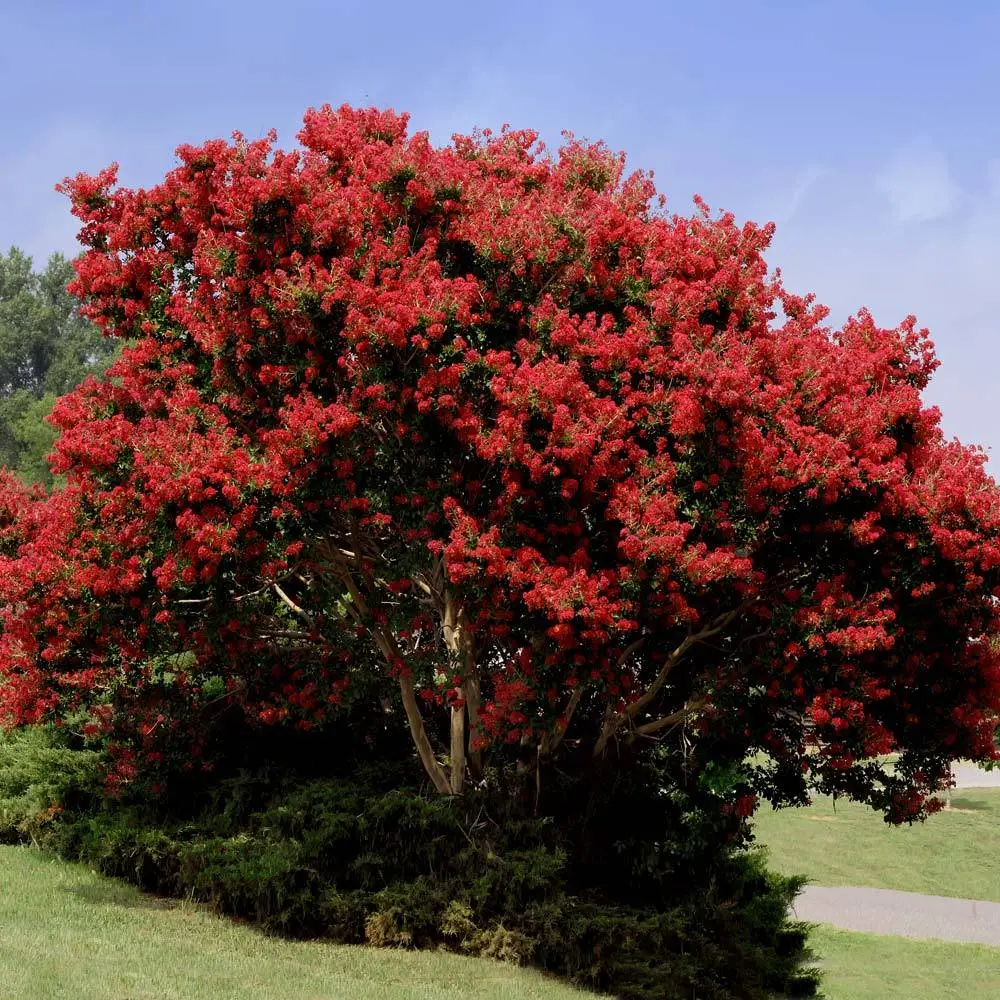
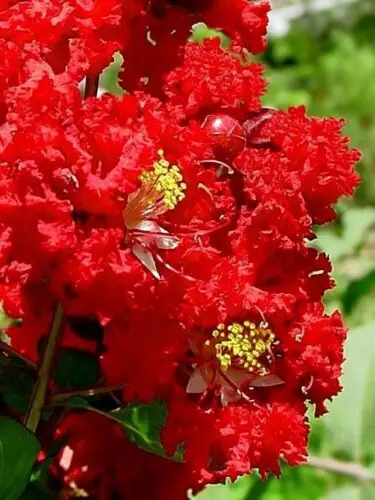
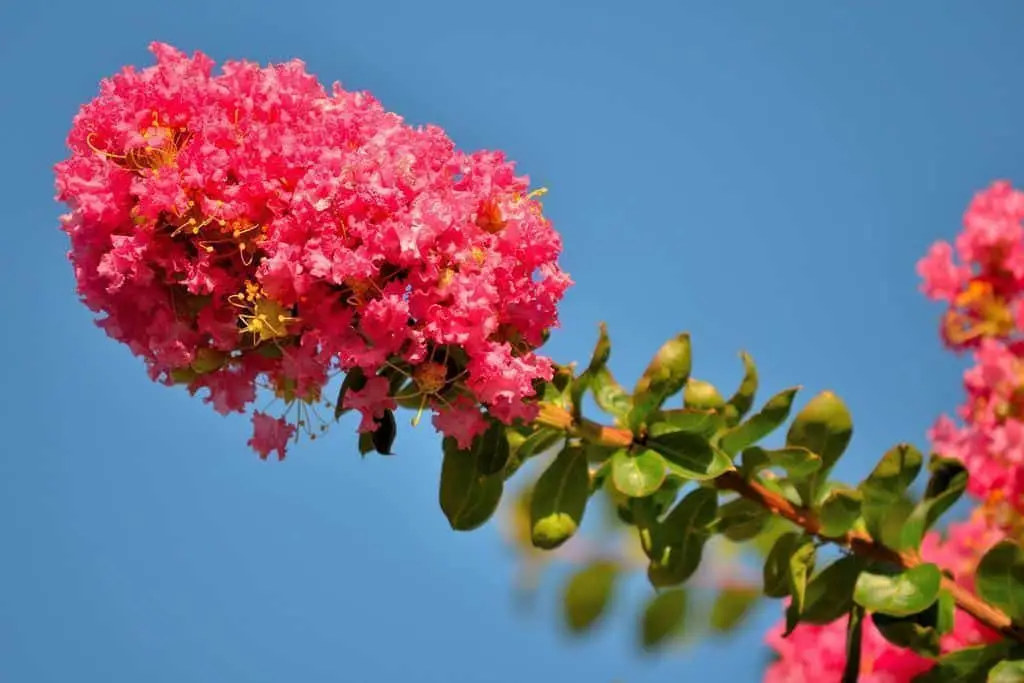
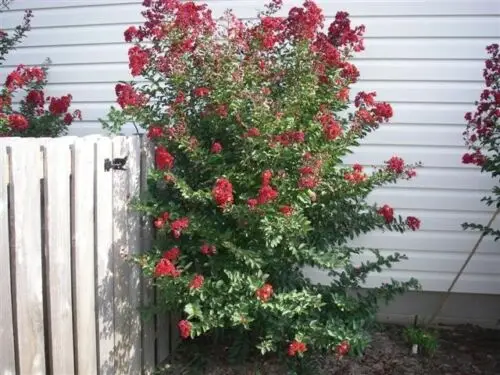
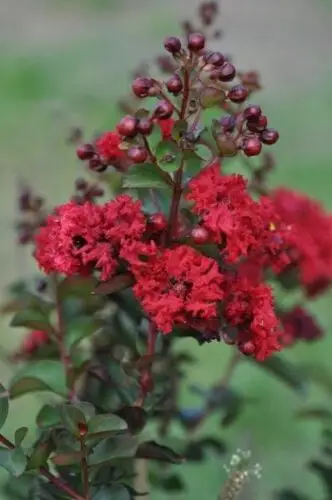
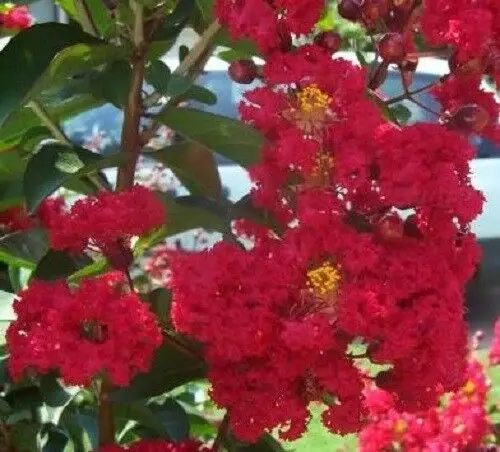
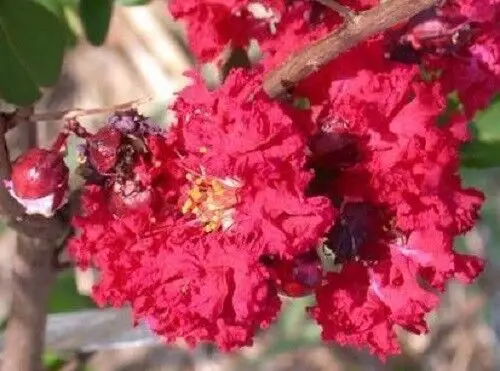
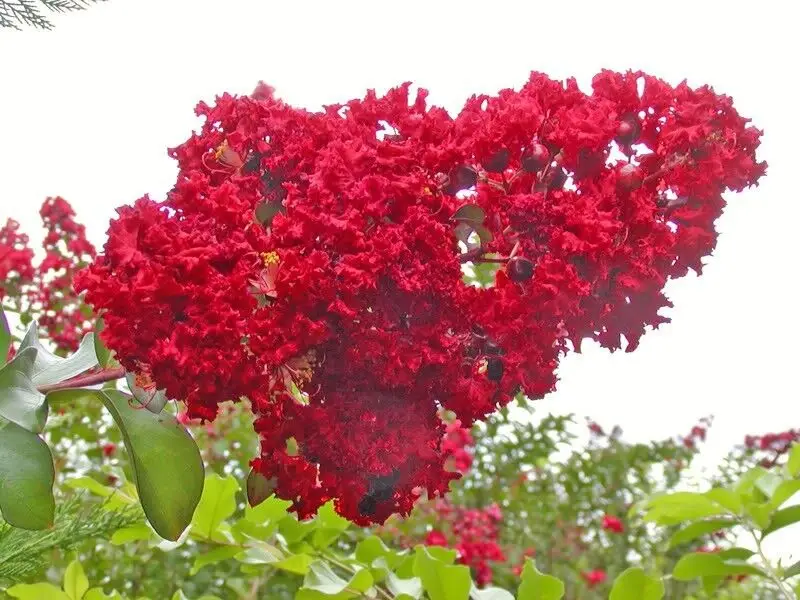
Discover the tree that blooms for 120 days straight—when bees need it most. Lagerstroemia Indica wraps you in ruffled white, pink, red, or purple flowers from June through September, while its exfoliating bark shines year-round. Easy to grow from seed in full sun. A pollinator paradise and a garden treasure.
Picture summer transformed: three solid months of crimped, paper-like flowers erupting in impossible colors—white, pink, coral, deep purple, mauve—while butterflies and every species of bee dance across the canopy. This is Lagerstroemia Indica, the crape myrtle, a tree so enamored with generosity that it blooms when almost nothing else does.
Native to East Asia—China, Korea, the Philippines, and the Himalayan foothills—this deciduous wonder arrived in Mediterranean gardens centuries ago and conquered the American South so completely it became a symbol of the region itself. The Japanese call it *saru suberi*, ‘monkey slip,’ for its smooth, mottled bark that peels to reveal layers of cinnamon, tan, and pink. Every season offers spectacle: chartreuse leaves emerging in spring, deep glossy green in summer, then a final fire of yellow, orange, and red before winter rest.
**Here’s what makes Lagerstroemia Indica extraordinary: it is a master pollinator plant.** When nectar runs dry in mid-to-late summer, crape myrtle becomes a lifeline. The tree produces two types of pollen—one specialized as ‘false pollen’ perfectly suited to bee digestion, the other for fertilization—an evolutionary marvel that signals bees across species: honey bees, bumble bees, carpenter bees, and native pollinators all converge on its blooms. Research shows honey bees visit enthusiastically, and the flowers provide critical nutrition during the scarcest season. Beekeepers plant crape myrtles deliberately for summer honey production. Even aphids, which occasionally colonize new growth, become part of the ecosystem—their honeydew feeds beneficial predators, creating a balanced garden web. For the sustainable gardener, the pollinator advocate, the beekeeper: this tree is not decoration. It is infrastructure.
**Growing Lagerstroemia from seed is surprisingly forgiving.** Plant in full sun and well-drained soil—it is not fussy about soil type, tolerates clay, sand, and loam equally. Water regularly during establishment; once settled, the tree becomes drought-hardy and thrives in heat (the hotter the summer, the more profuse the bloom). Young plants often flower in their first season. The tree grows 15–25 feet in warmer zones (6–10 USDA), but dwarf cultivars exist for smaller spaces—some varieties flower from seed in a single season. Prune lightly in early spring to maintain graceful architecture; remove spent flower clusters to trigger a second, sometimes third flush of blooms.
Grow Lagerstroemia Indica from seed and you are not simply planting a tree. You are building sanctuary. You are creating a refuge for bees in the hungriest months. You are setting down beauty that blooms for a quarter of the year, architecture that exfoliates with winter light, and a living invitation to every pollinator within miles. Start from seed this season, and in two years—maybe one—you will stand beneath clouds of crepe-petaled flowers while bees sing their gratitude.
Only logged in customers who have purchased this product may leave a review.
Reviews
There are no reviews yet.