
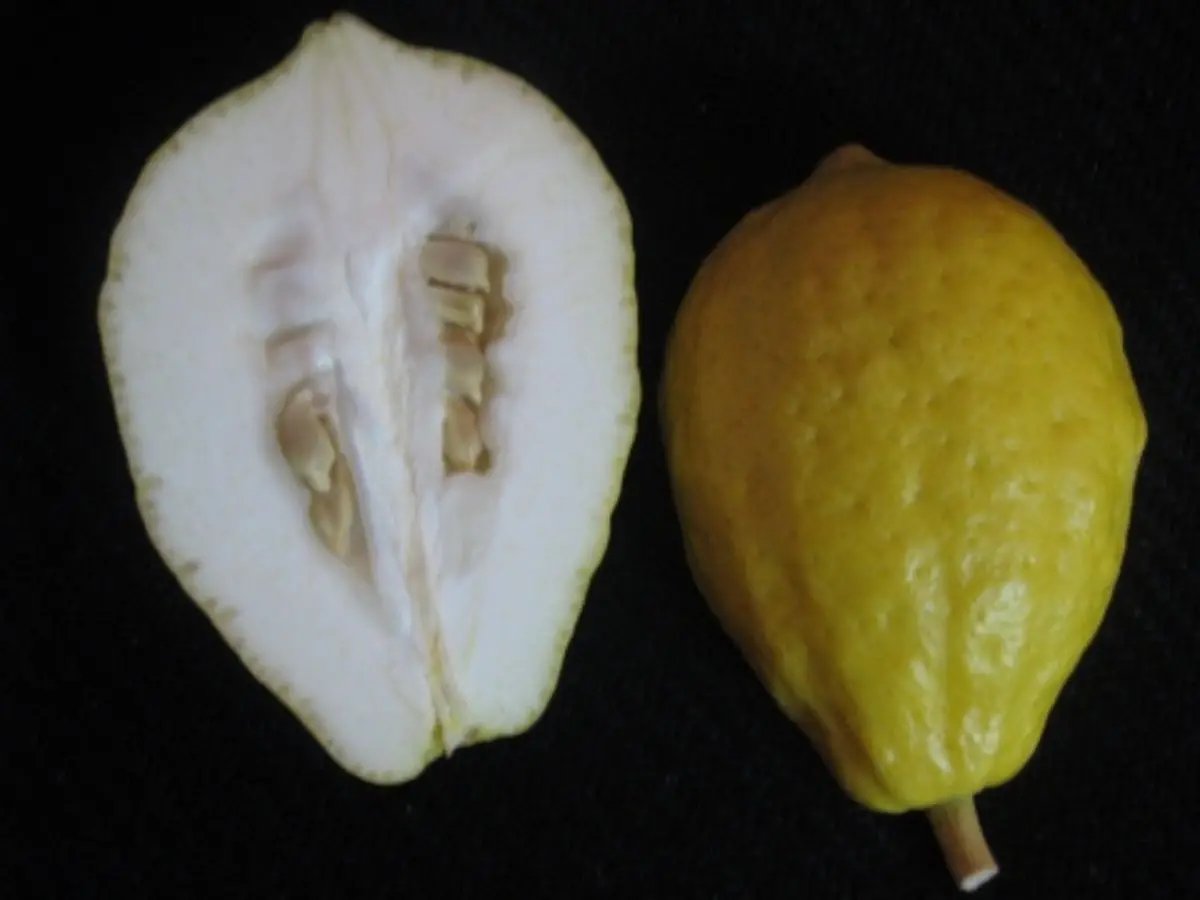
Botanical name: Citrus medica / Citrus alata / Citrus bicolor
Common name: Toronja Dedos, Citron, Cedrate
Kingdom: Plantae
Clade: Tracheophytes
Clade: Angiosperms
Clade: Eudicots
Clade: Rosids
Order: Sapindales
Family: Rutaceae
Genus: Citrus
Species: C. medica
€2.32
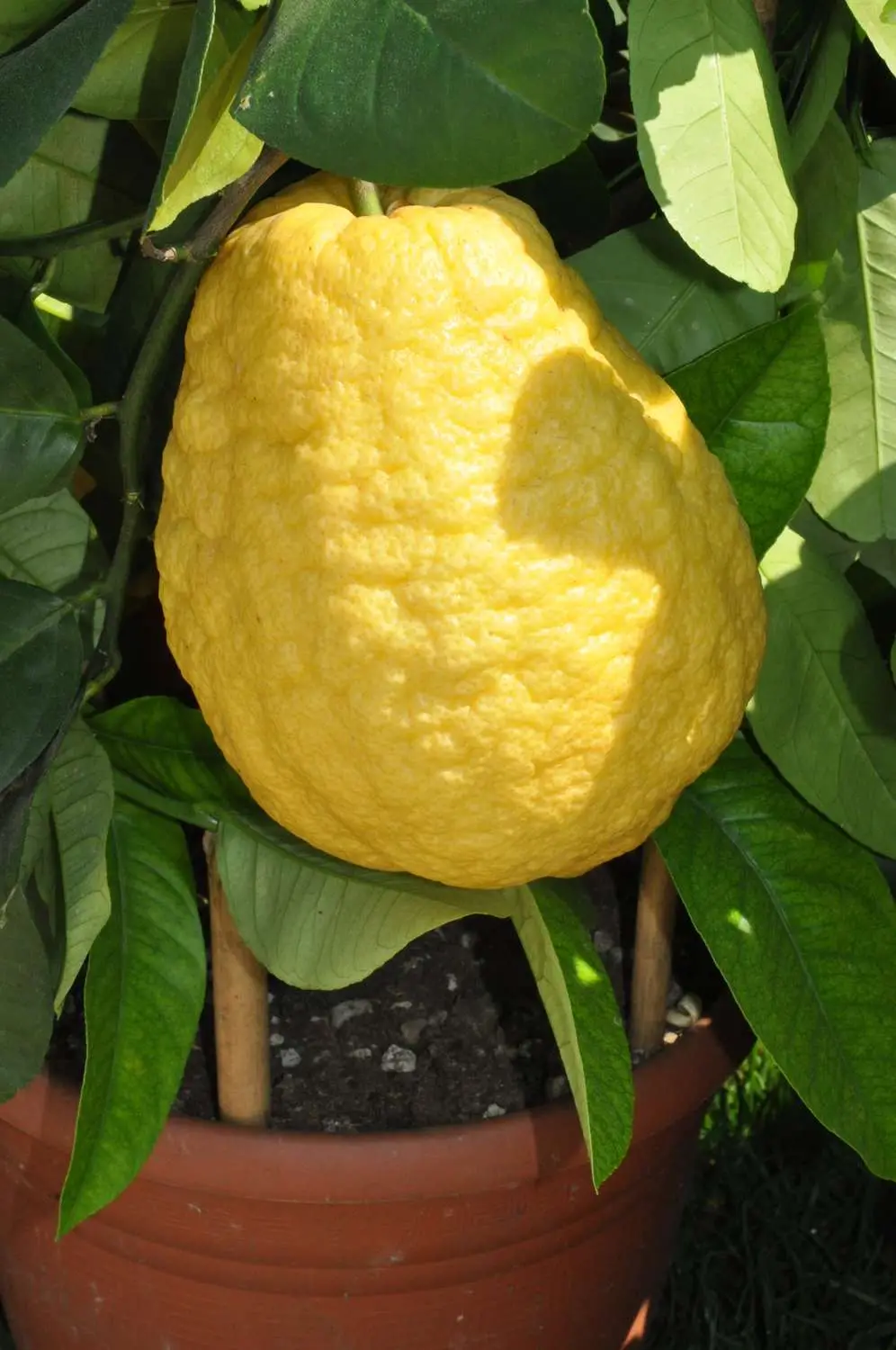
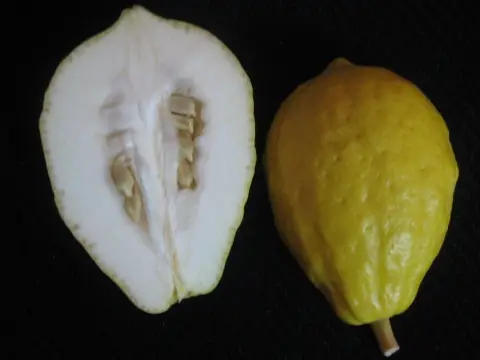
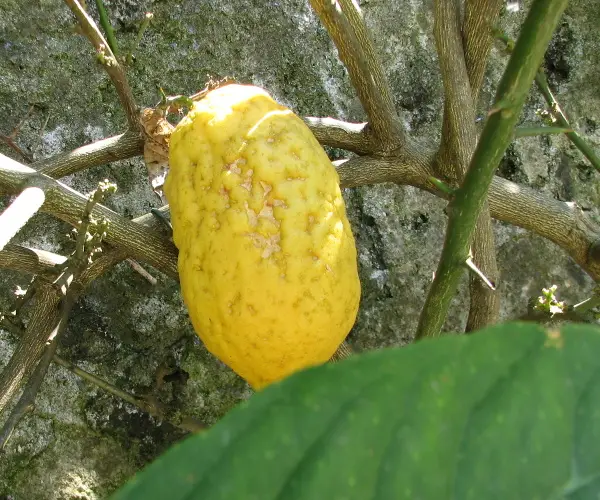
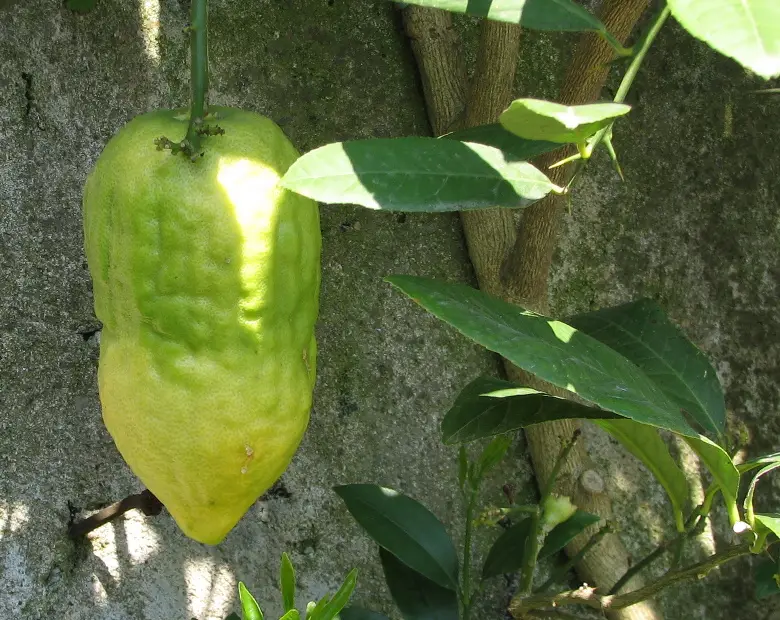
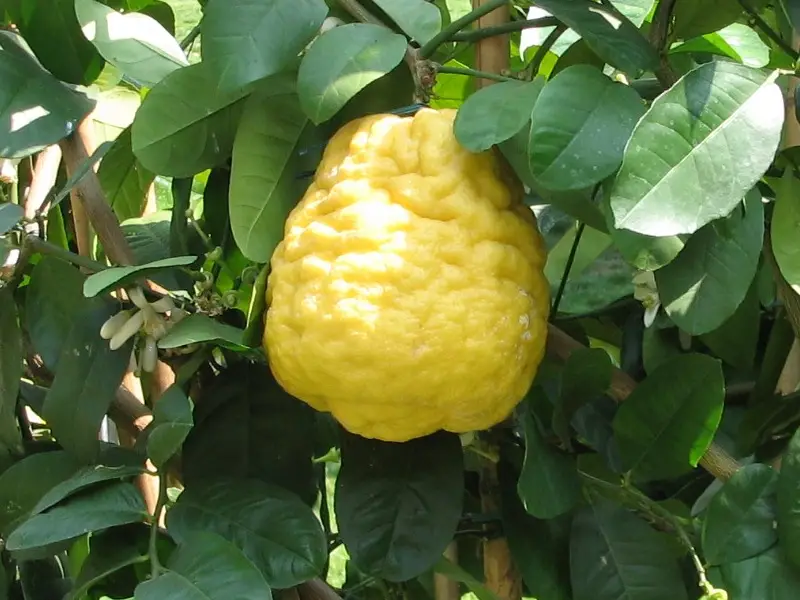
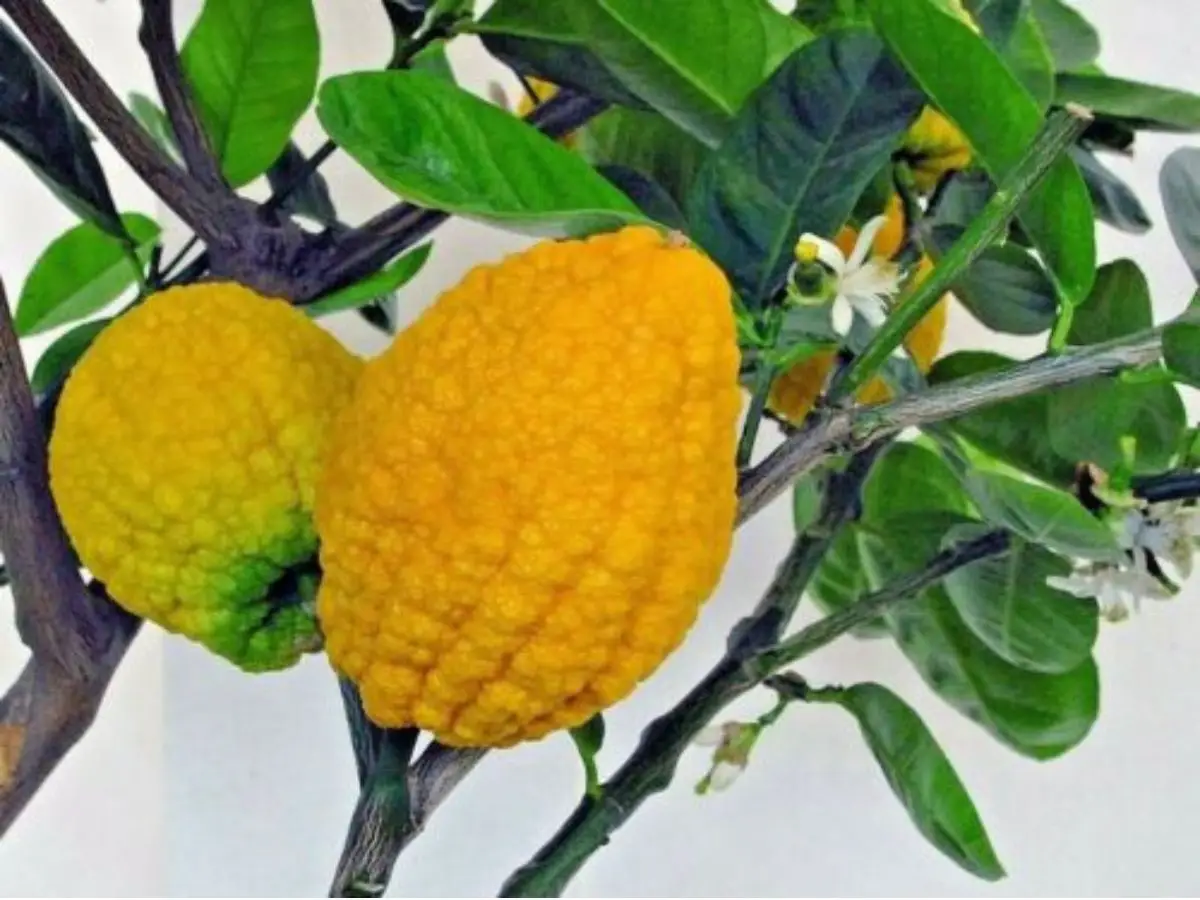
The citron (Citrus medica), historically cedrate, is a large fragrant citrus fruit with a thick rind. It is said to resemble a ‘huge, rough lemon’. It is one of the original citrus fruits from which all other citrus types developed through natural hybrid speciation or artificial hybridization. Though citron cultivars take on a wide variety of physical forms, they are all closely related genetically. It is used in Asian cuisine, perfume, and religious rituals and offerings. Hybrids of citrons with other citrus are commercially more prominent, notably lemons and many limes.
The citron is an old and original citrus species.
There is molecular evidence that most cultivated citrus species arose by hybridization of a small number of ancestral types, the citron, pomelo, mandarin and to a lesser extent, papedas and kumquat. The citron is usually fertilized by self-pollination, which results in their displaying a high degree of genetic homozygosity. It is the male parent of any citrus hybrid rather than a female one.
Archaeological evidence for citrus fruits has been limited, as neither seeds nor pollen are likely to be routinely recovered in archaeology. The citron is thought to have been native to India, in valleys at the foothills of the eastern Himalayas. It is thought that by the 4th century BC, when Theophrastus mentions the “Median apple”, the citron was mostly cultivated in the Caspian Sea on its way to the Mediterranean basin, where it was cultivated during the later centuries in different areas as described by Erich Isaac. Many mention the role of Alexander the Great as being responsible for the spread of the citron westward, reaching the European countries such as Greece and Italy.
Leviticus mentions the “fruit of the beautiful (‘hadar’) tree” as being required for ritual use during the Feast of Tabernacles (Lev. 23:40). According to Rabbinical tradition, the “fruit of the tree hadar” refers to the citron. Mishna Sukkah, c. 2nd century AD, deals with halakhic aspects of the citron.
The Egyptologist and archaeologist Victor Loret claimed to have identified it depicted on the walls of the botanical garden at the Karnak Temple, which dates back to the time of Thutmosis III, approximately 3,500 years ago. Citron was also cultivated in Sumer as early as the 3rd millennium BC.
The citron has been cultivated since ancient times, predating the cultivation of other citrus species.
Only logged in customers who have purchased this product may leave a review.



Reviews
There are no reviews yet.