Description
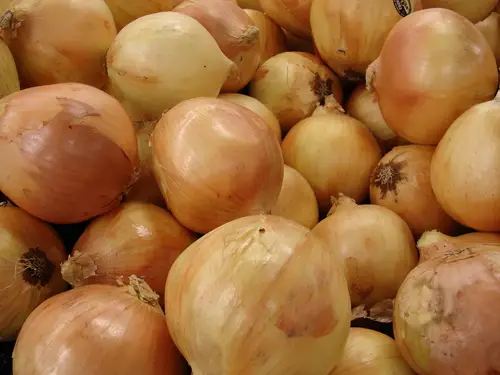
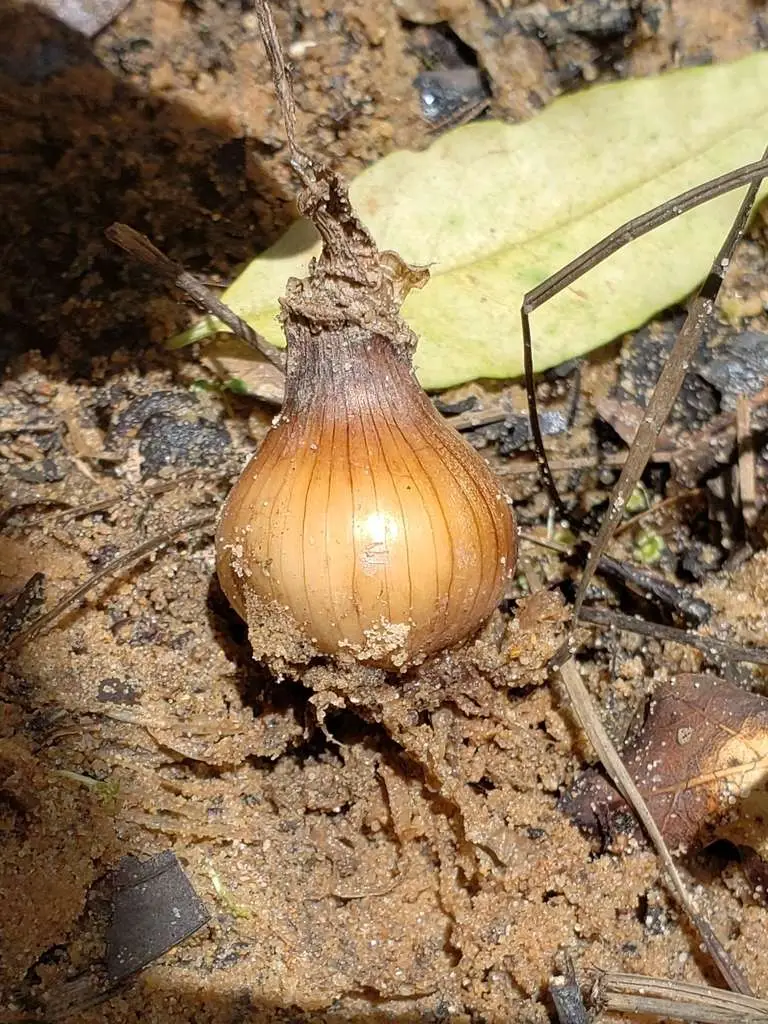
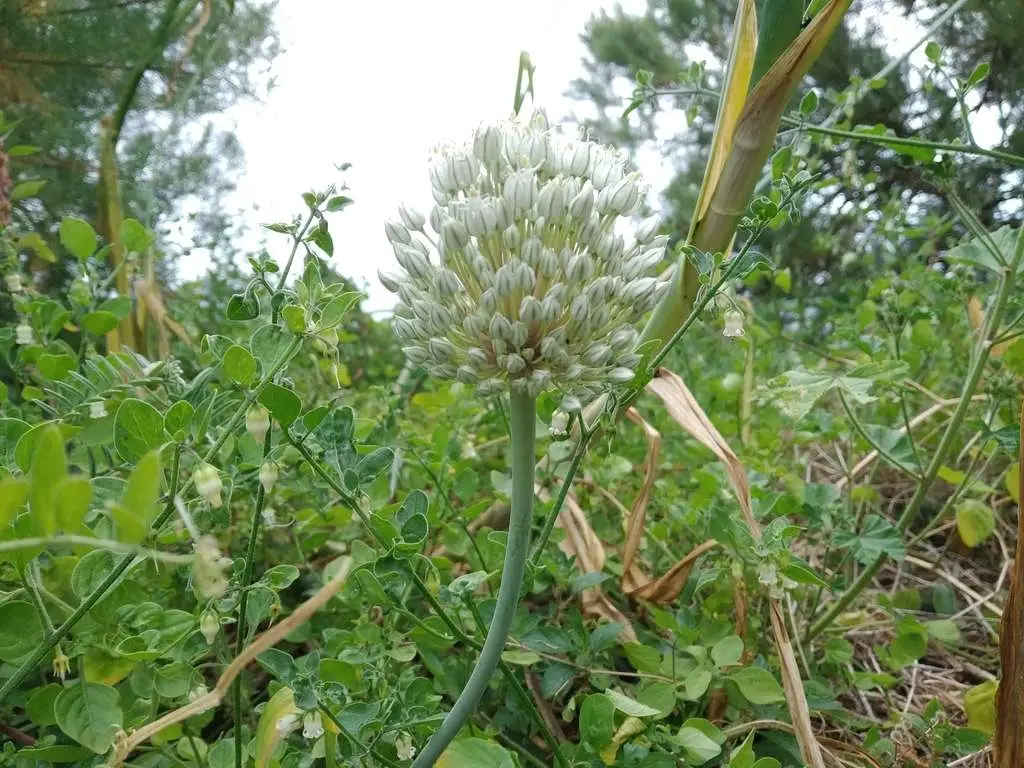
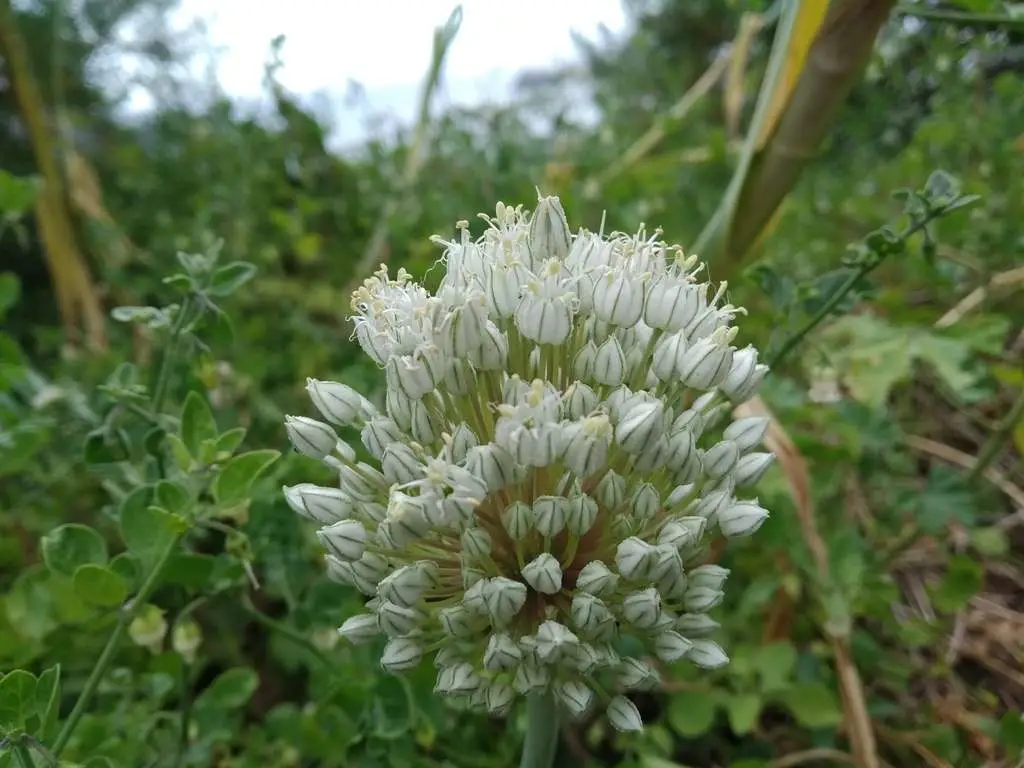
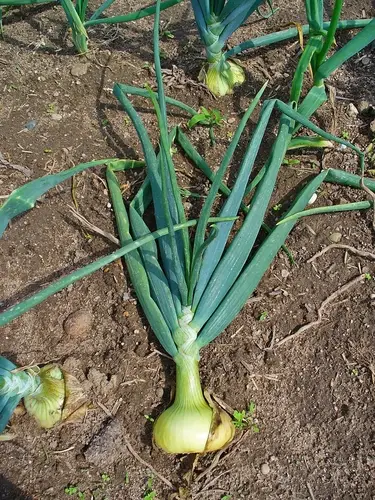
The Stuttgarter Giant Onion, belonging to the species Allium cepa, is one of the most traditional and widely cultivated onion varieties in the world. Originating from the Stuttgart region in Germany, this variety is distinguished by its characteristic flattened shape, large bulbs, and golden-yellow skin. It is highly valued by both growers and consumers due to its productivity, resilience, and excellent culinary quality.
One of the main advantages of the Stuttgarter Giant is its high adaptability to different climates, performing well in a wide range of regions and soil types, provided they are well-drained. It is a mid-season onion variety with uniform development and good tolerance to temperature fluctuations, making it a reliable choice for both commercial and home cultivation. Its vigorous growth results in firm, well-sized bulbs.
From an agronomic perspective, this variety is known for its excellent storage ability, maintaining quality, firmness, and flavor for long periods after harvest. This makes the Stuttgarter Giant Onion suitable for both fresh consumption and large-scale commercial distribution. Its high yield and low post-harvest losses further enhance its appeal to producers.
In culinary terms, the Stuttgarter Giant Onion offers a balanced flavor, mildly pungent when raw and gently sweet when cooked. This versatility allows it to be used in a wide range of dishes, including sautés, soups, sauces, preserves, and roasted preparations, making it a staple in European and international cuisine.
Additionally, like other onions of the species Allium cepa, the Stuttgarter Giant contains bioactive compounds associated with health benefits, such as antioxidants and sulfur-containing compounds. These substances contribute to anti-inflammatory properties and support cardiovascular health, reinforcing the nutritional value of this variety, which combines tradition, productivity, and quality.
Germination Guide
🌍 Germany, Stuttgart region
Easy
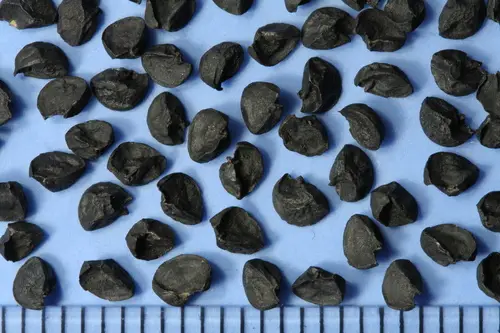
Allium cepa 'Stuttgarter Giant' is a traditional German yellow globe onion variety developed in the early 20th century around Stuttgart, producing large, flattened round bulbs with mild flavor and exceptional storage capability. The cultivar germinates readily without dormancy requirements and benefits from warm, consistently moist conditions; seeds germinate fastest at 20-25°C in darkness or low light and have no special stratification or scarification needs. This open-pollinated variety is widely valued for its reliability, hardiness in temperate climates, and excellent field performance when properly seeded.
Germination
Germination time
Expect germination in
7 – 14 days
Temperature
Min 13°C
Ideal 20°C
Max 25°C
Substrate moisture
💧 Medium
Sowing depth
Lightly covered
Substrate & Container
Recommended substrate
Well-drained, fertile seed compost or soil
Recommended container
Seed trays, modules, or shallow containers with drainage
Growing Tips
Start seeds indoors 8-12 weeks before last frost in seed trays covered with plastic to maintain moisture; germination occurs in 7-14 days at optimal warm temperatures (20-25°C). Keep soil moderately moist but not waterlogged to prevent damping off. After germination, provide 12+ hours of bright light daily and maintain temperatures above 8°C at night to prevent bolting. Thin seedlings to 1 inch apart when 4 inches tall; transplant to individual containers (4+ inches deep) when they reach 3 true leaves for stronger root development. Harden off seedlings 4-6 weeks before planting outdoors in full sun on well-draining soil; avoid exposing seedlings to temperatures below 10°C for extended periods, as this triggers premature bolting rather than bulb formation.
Only logged in customers who have purchased this product may leave a review.

Reviews
There are no reviews yet.