FREE SHIPPING OVER €30 FREE SHIPPING OVER €30

Anacardium occidentale — Cashew | Harvest the Hidden Treasure: Sweet, Juicy Cashew Apples

A beautiful ornamental with shiny dark green leaves, this tropical evergreen produces cashew apples—a juicy accessory fruit that most gardeners overlook. The flavor is reminiscent of mango, with intense sweetness and slight tart bite, perfect for fresh eating, juice, jam, or wine. Cashew apples contain vitamin C—about five times more than an orange per serving</

6.49

SKU: P-2243 Category: Tags: , ,

You May Also Like

Description

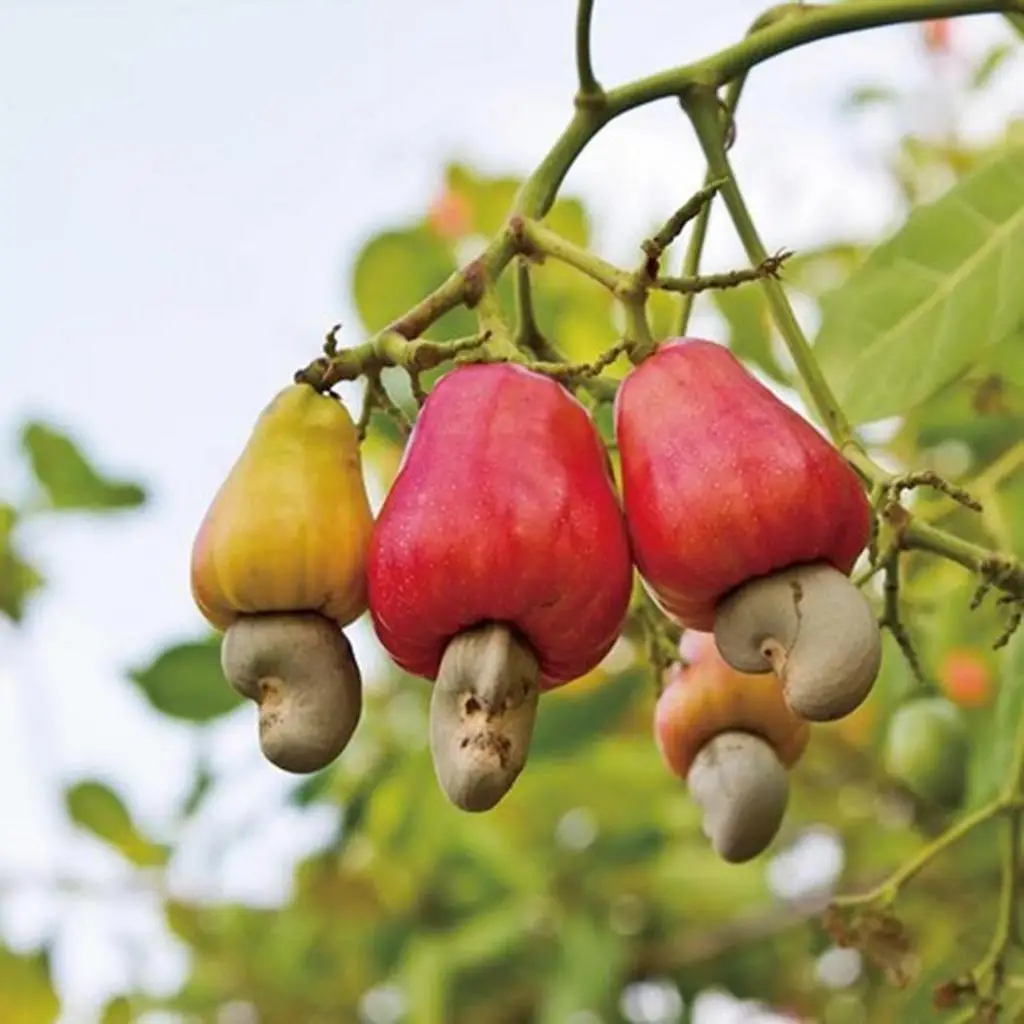
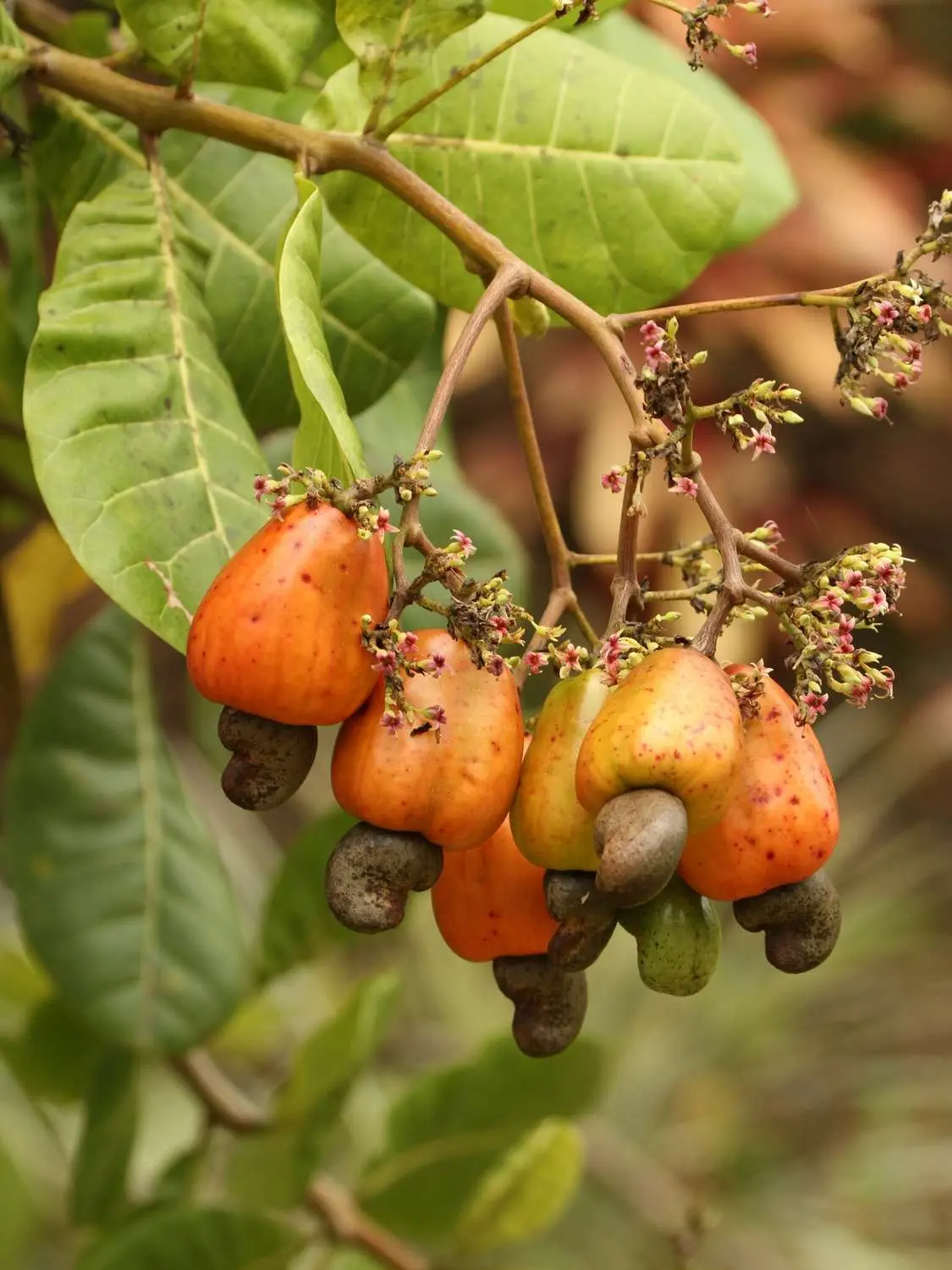
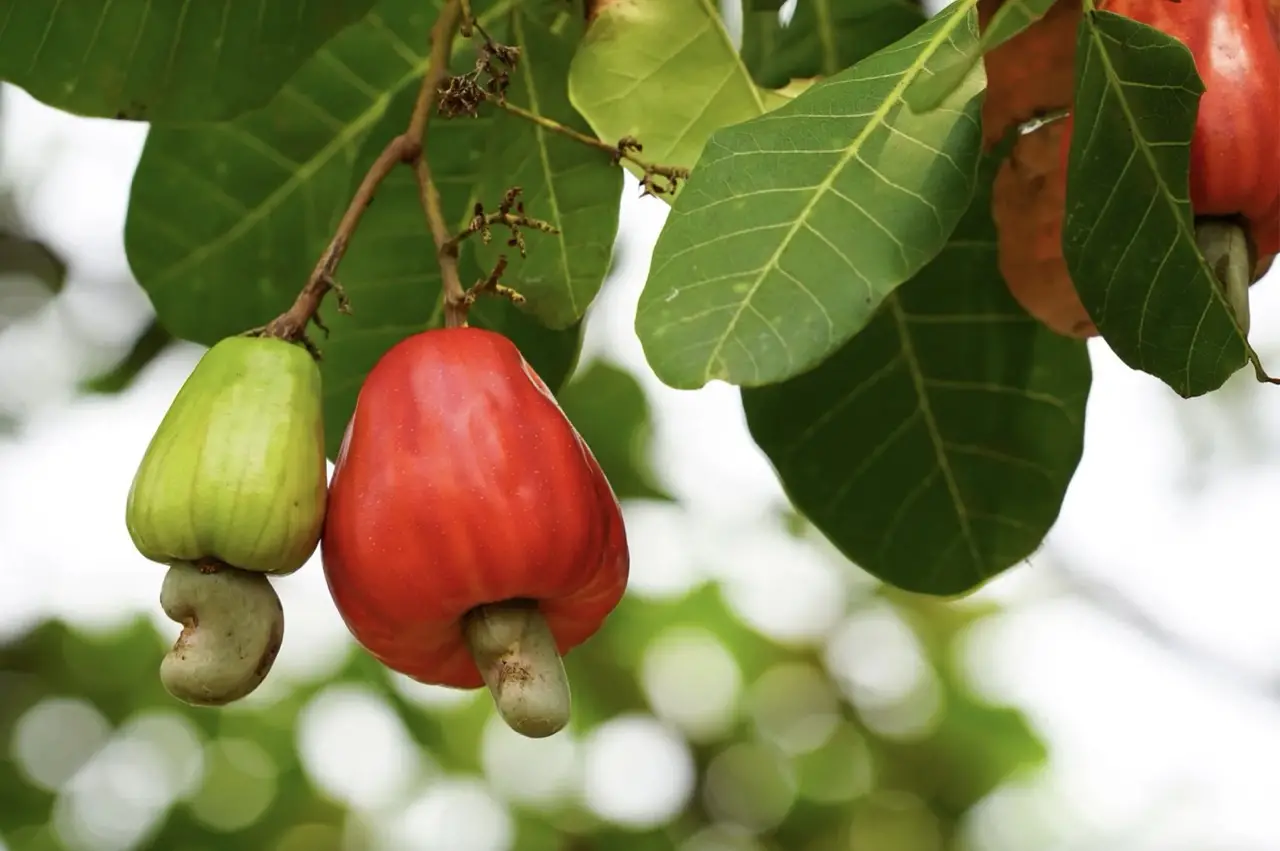
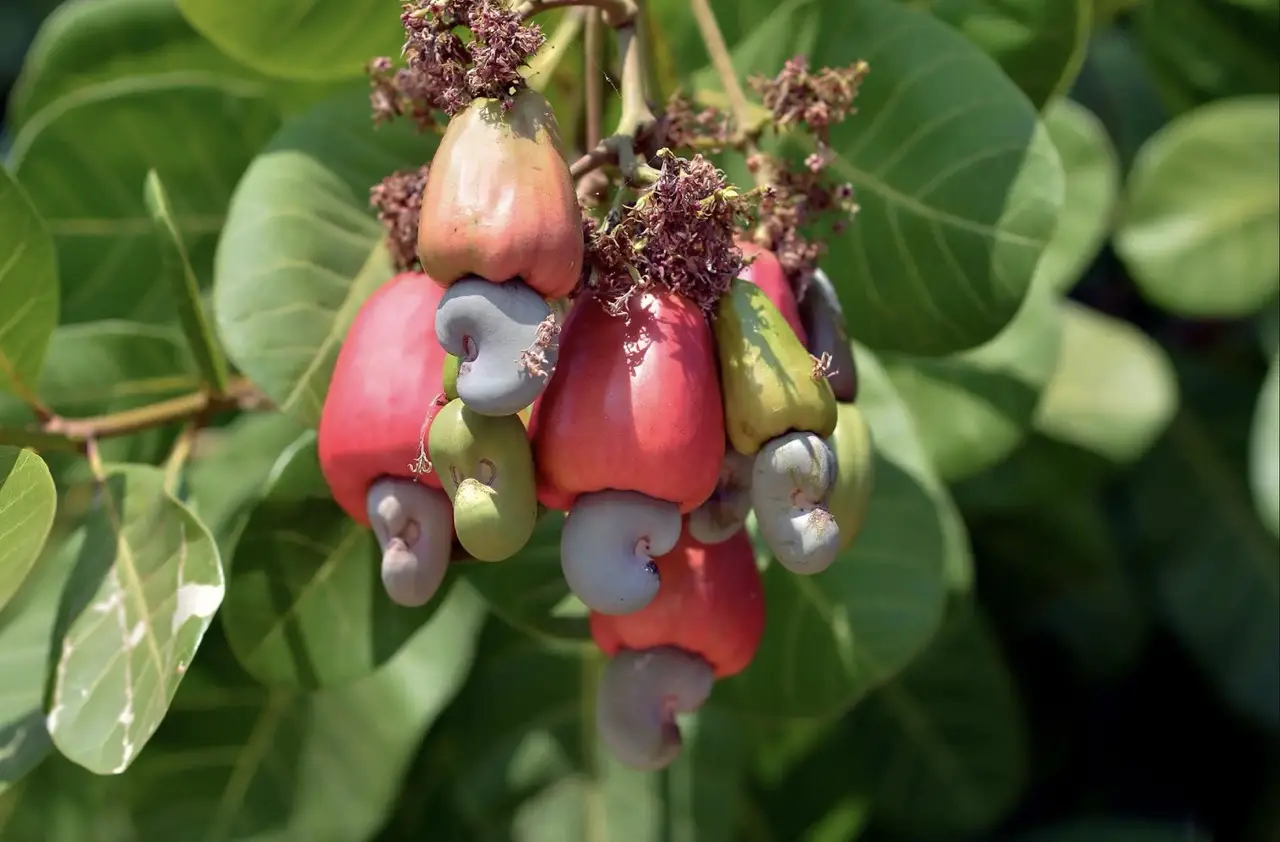
Unlike most fruits, the cashew nut doesn’t grow inside the fruit—it hangs off the bottom like a little tail.

Native to Northeastern Brazil and Southeastern Venezuela, cashews were distributed around the world in the 1500s by Portuguese explorers. The cashew tree is a tropical evergreen that produces the cashew seed and the cashew apple accessory fruit. What makes this species irresistible is not just its culinary bounty, but the sheer botanical drama of how it produces: About six to eight weeks after pollination by honeybees and other insects, the flowers develop into grayish-green, kidney-shaped fruits called drupes, with a cashew kernel inside, while the cashew apple (the swollen peduncle) begins to develop and enlarge only about two weeks before maturity.

The **cashew apple is the crown jewel** that deserves center stage in your garden. The cashew apple is a captivating and versatile part of the cashew tree, with vibrant colours ranging from yellow to red. They have striking beauty on and off the tree given their waxy skin and uniform bell shape. But beauty is only the beginning. Rich in vitamin C, potassium, and antioxidants, cashew fruit supports immune function and digestive health. The cashew apple is eaten fresh and is one of the most refreshing juices among any fruit, with flavor reminiscent of mango, intense sweetness and slight tart bite. Cashew apples can be enjoyed in juices, jams, and fresh snacks, making them versatile ingredients for sweet and savory dishes. In traditional cultures, the fruit is fermented to produce a traditional alcoholic beverage known as “feni” in India. This is the fruit that adventurous gardeners and food lovers are seeking—and it’s criminally underutilized in home cultivation.

Growing this botanical marvel is entirely achievable. Anacardium occidentale is a tough, drought-resistant tropical and subtropical tree, an evergreen growing 10–15 m high with a short, irregular shaped trunk. Trees thrive in tropical and subtropical regions with warm temperatures year-round, need full sun, and are highly sensitive to frost and excessive rain. Ideal temperatures are between 70–90°F (21–32°C). Well-drained sandy or loamy soils with slightly acidic to neutral pH (5.5–7.0) are ideal; avoid heavy clay or waterlogged areas, as poor drainage increases the risk of root rot. Once established, the tree performs well in sandy or well-draining soils and is drought-tolerant, requiring only occasional deep watering. Modern dwarf selections will begin to flower and fruit at less than 2 years of age, meaning you won’t wait long for your first harvest.

This is your invitation: grow Anacardium occidentale from seed and become one of the rare gardeners who knows the true secret of the cashew—not the expensive nuts that line supermarket shelves, but the gorgeous, nourishing, under-the-radar fruit that tastes like summer and transforms into liquid gold. Watch your tree rise from seed to productive beauty, shimmering with jewel-toned apples and the promise of something truly extraordinary.

Germination Guide

🌍 South America, Brazil
Moderate

Anacardium occidentale (cashew) is a tropical evergreen tree producing valuable cashew nuts and cashew apples. Native to South America, it now grows worldwide in tropical regions

Germination
Germination time
Expect germination in

4 – 21 days

Temperature

Min 20°C
Ideal 27°C
Max 35°C

Light
☁️ Indifferent

Substrate moisture
💧 Medium

Sowing depth
1 cm

Germination rate
81 %


Seed Pre-treatment
  • 💧

    Soaking — 24 hours
    Soak seeds in water for 24 hours, change water once to keep fresh
  • 🔨

    Hot water scarification
    Soaking in hot water for 10 minutes or cold water soaking for 24-48 hours recommended
  • 📋

    Additional notes
    Seed has hard impervious coat requiring pre-treatment. Soaking 24 hours in water most effective treatment

Substrate & Container
Recommended substrate
Well-draining soil, sandy loam, seed starting mix with vermiculite

Recommended container
Pots with drainage holes, seed trays


Growing Tips
Seeds lose viability rapidly after harvest; use fresh seeds within 4 months for best results. Keep soil moist but not waterlogged to prevent rot. Germination ranges 4-21 days depending on conditions. Avoid direct sunlight during germination to prevent seedling leaf burn. Maintain warm temperatures above 20°C minimum

Reviews

There are no reviews yet.

Only logged in customers who have purchased this product may leave a review.

Related Products