
Grow the legendary Shan Zha—the jewel of Chinese herbal tradition and cuisine. These tart-sweet fruits have been eaten raw and cooked for centuries, starring in iconic desserts like tanghulu and shanzhagao. Medicinally, the dried fruits improve circulation and aid digestion. Remarkably easy to grow and disease-resistant, this deciduous beauty rewards you with abundant ruby-red f
€1.92
Crataegus pinnatifida, commonly known as Chinese Hawthorn, embodies the spirit of traditional Chinese horticulture and cuisine. This is not just another ornamental tree—it’s a living connection to centuries of culinary and medicinal heritage waiting in your garden.
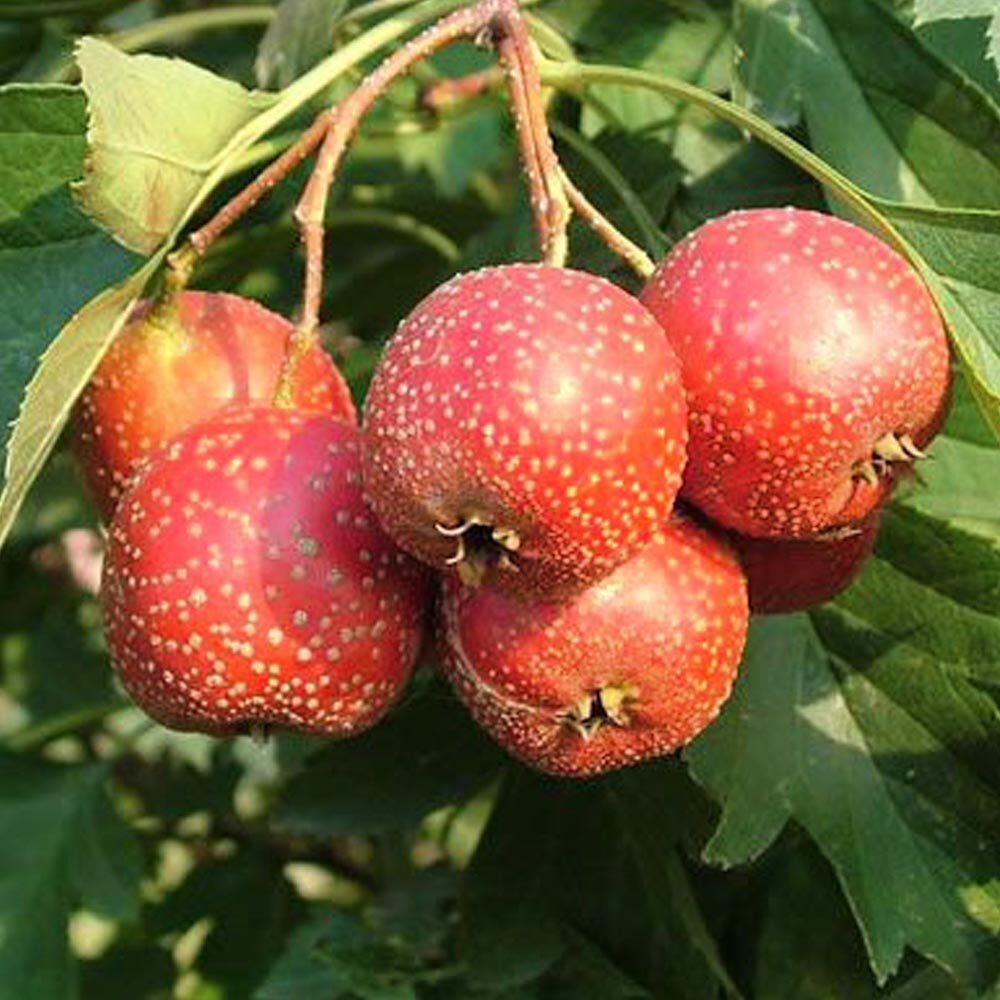
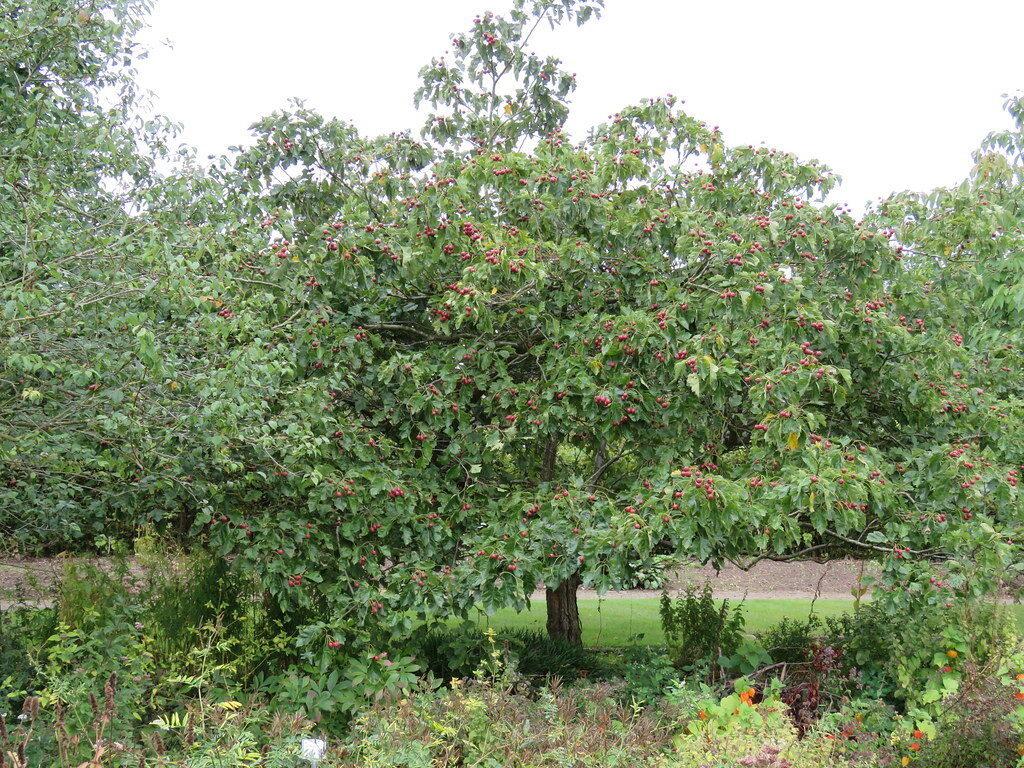
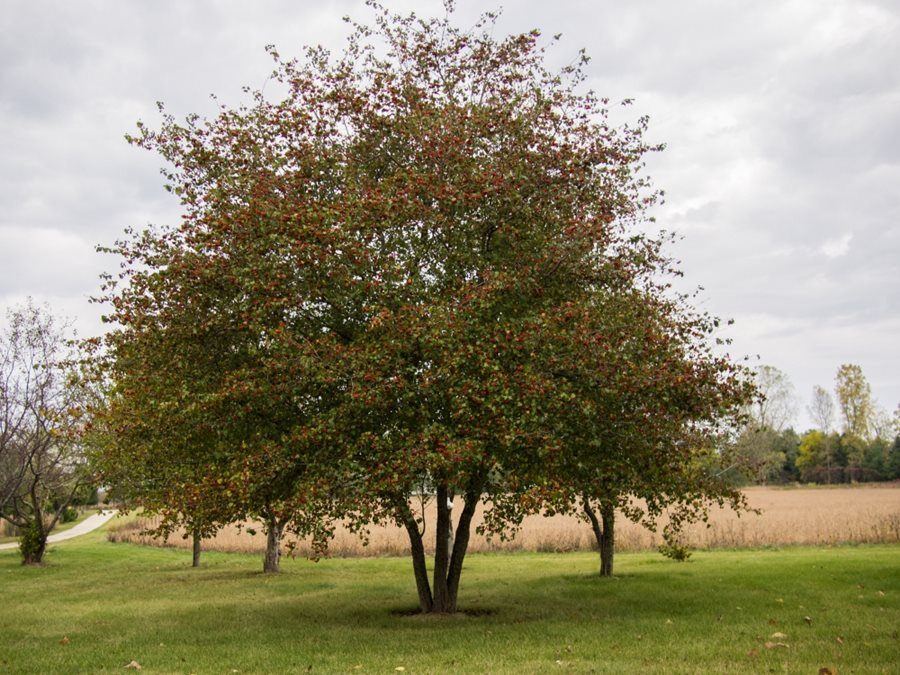
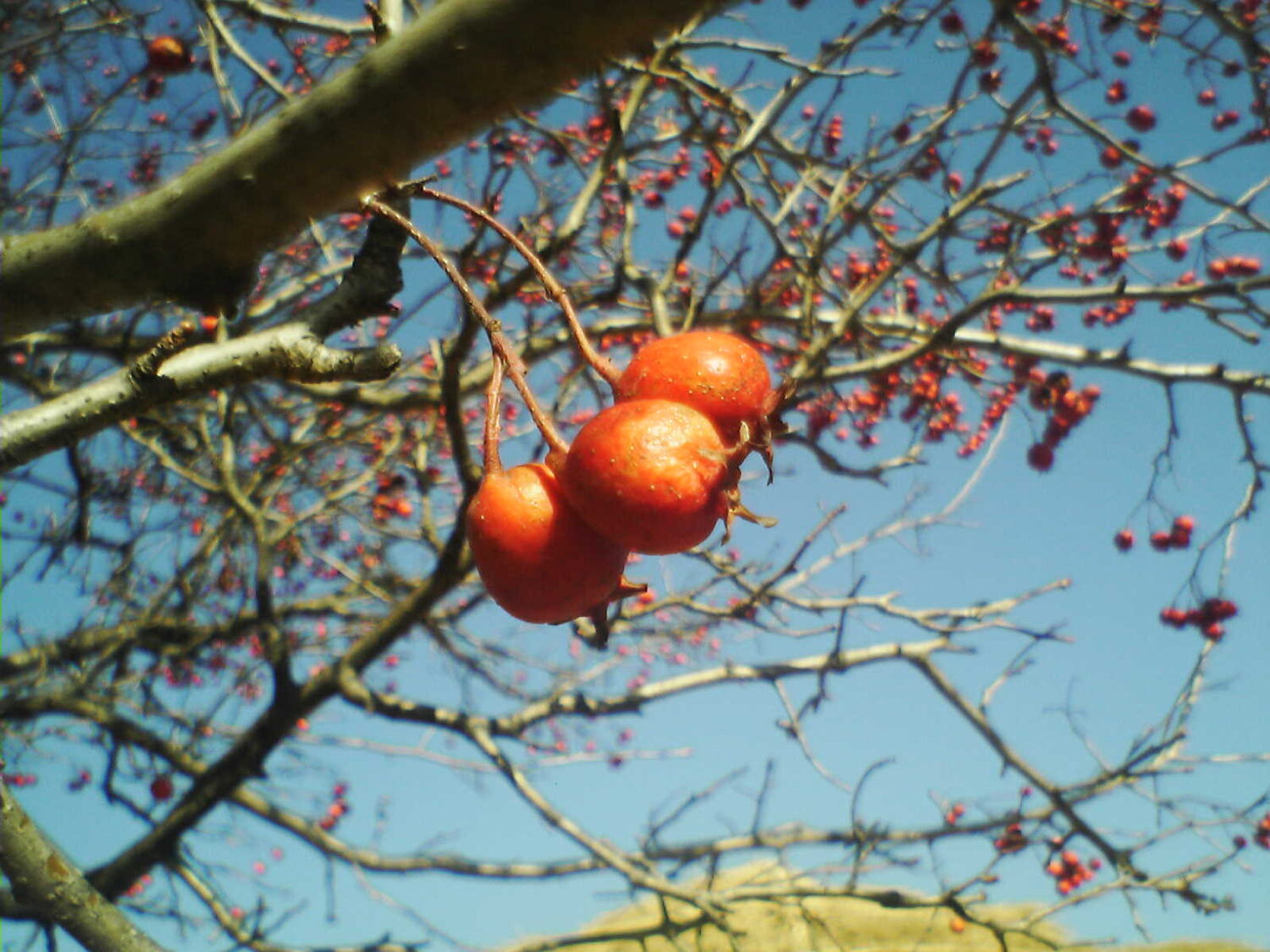
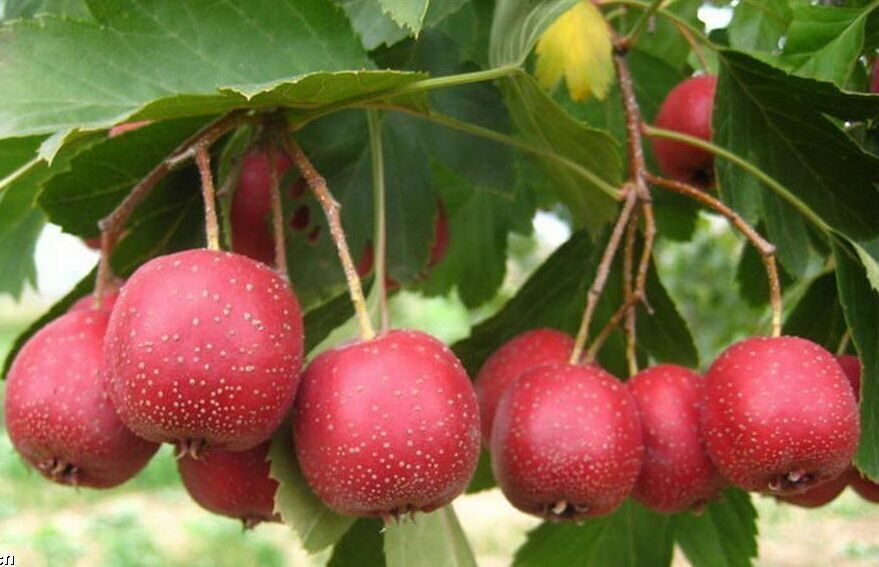
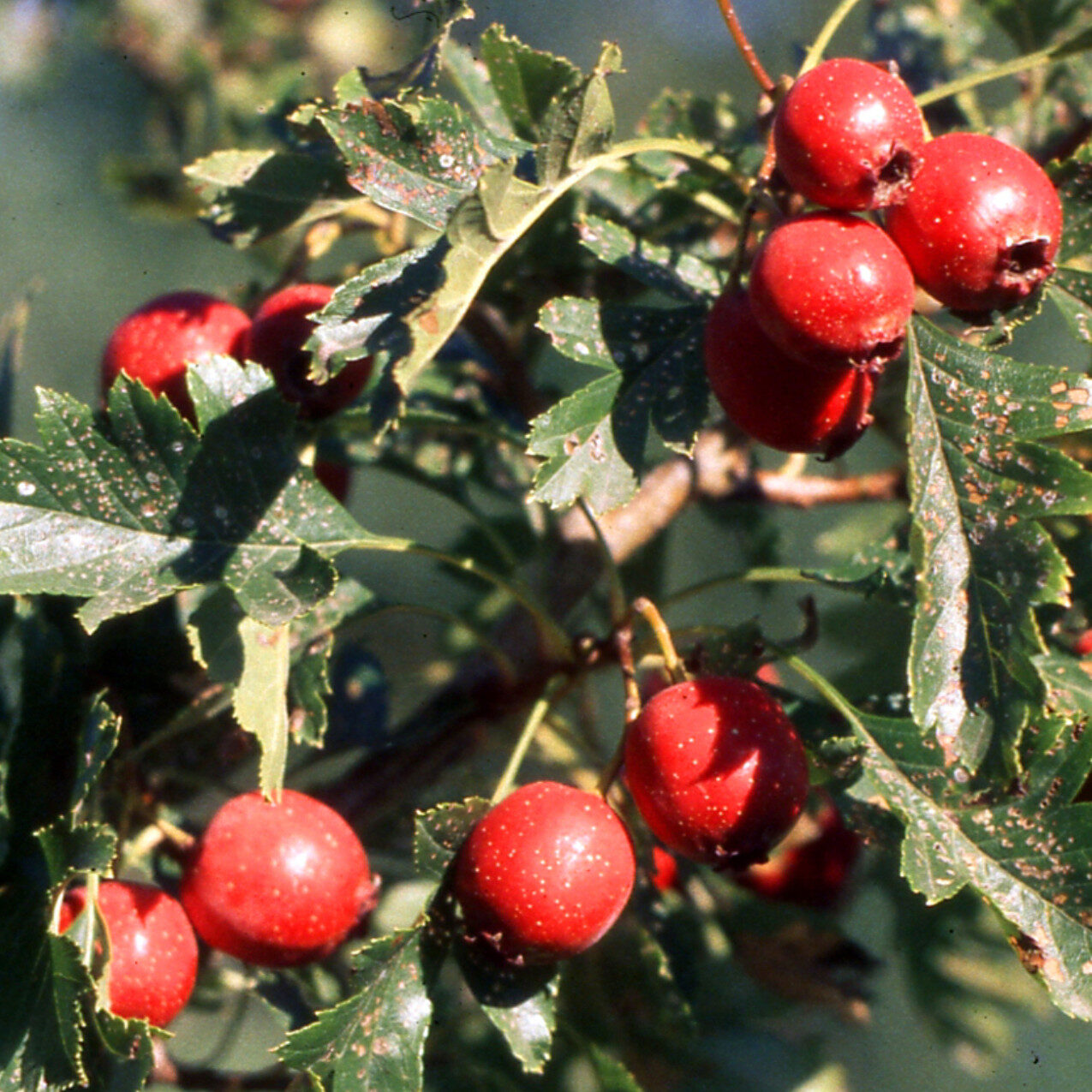
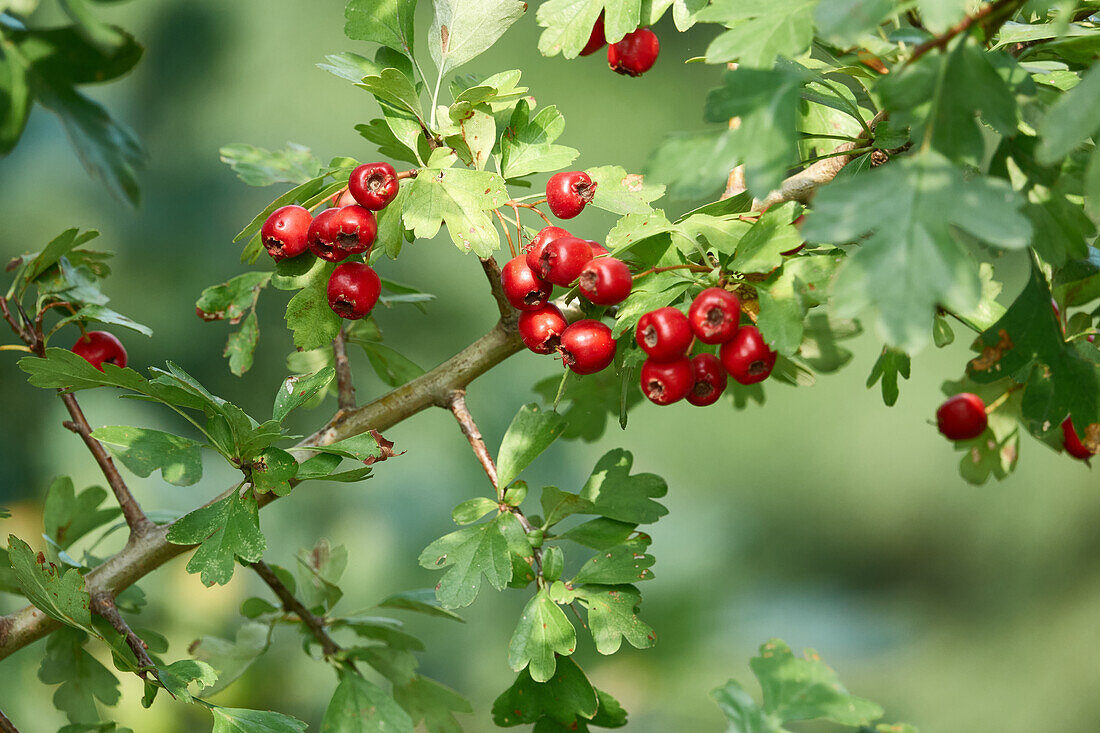
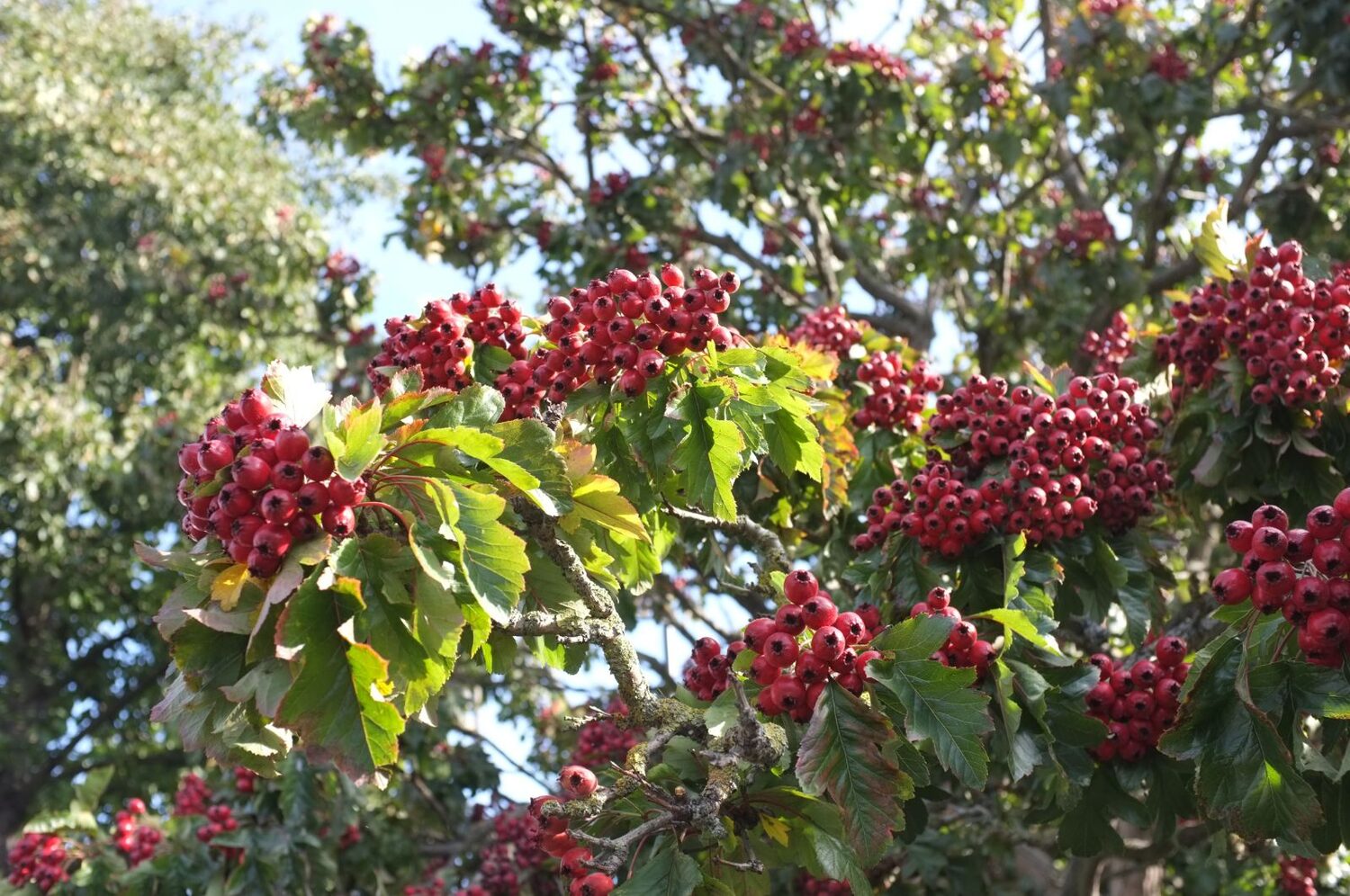
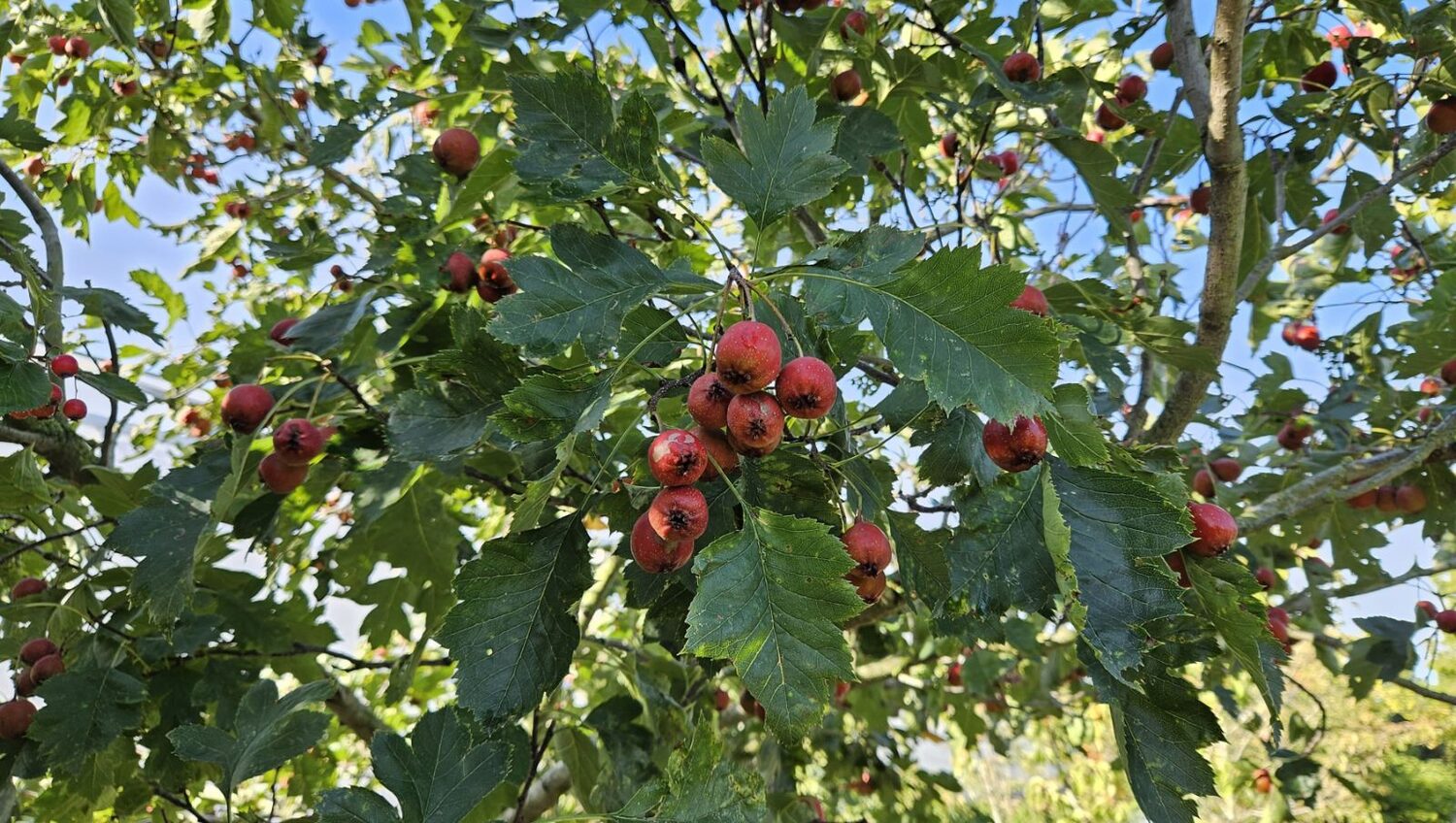
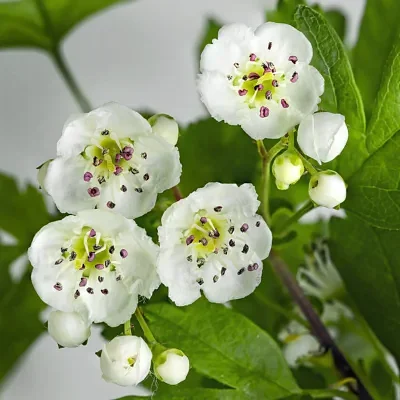
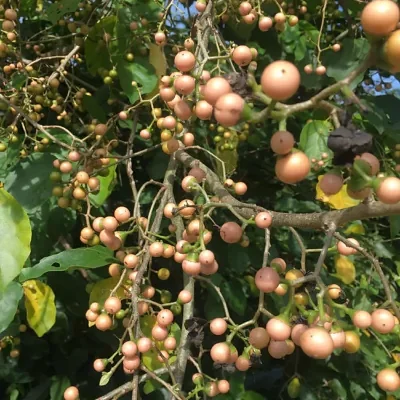
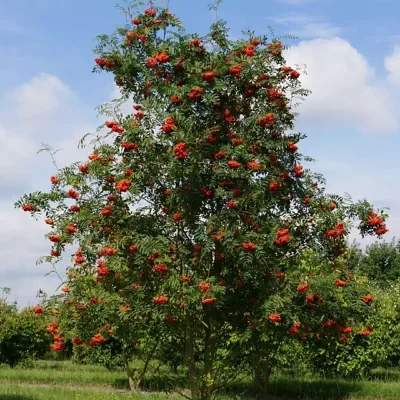
This species is native to northeastern Asia, including China, Mongolia, and the Russian Far East, where it has been revered for millennia. Unlike most hawthorns, this species has only a few short thorns, is more open and upright, and grows much larger fruit. The tree itself is a seasonal showstopper: leaves are pinnatifid with 3-7 deep lobes that give them a divided, feathery appearance, and in autumn they change to stunning red and burgundy hues. Flowers are white, 3/4 inch across, produced at the end of May and early in June on downy-stalked corymbs. The real magic? Vibrant red fruit, which measures about 1.5 inches in diameter, pendulous clusters of these large fruits making the tree remarkably handsome.
But here’s what sets Shan Zha apart: **its unparalleled role in food and medicine**. The fruit, noticeable for its mealy texture and slightly acidic yet pleasant taste, can be enjoyed both raw and cooked, and is a staple in Northern Chinese cuisine, featuring prominently in desserts like tanghulu and shanzhagao. It’s also used to make the traditional candies haw flakes and haw rolls, as well as candied fruit slices, jam, jelly, and wine. The culinary versatility is staggering—fruits are also dried and steeped to make herbal teas, providing a tangy infusion popular in northern China. This isn’t frivolous indulgence; it’s living food tradition. Beyond the kitchen, the fruit plays a significant role in traditional Chinese medicine, renowned for its beneficial properties such as improving blood circulation and aiding digestion. The polysaccharides derived from hawthorn are noted for their diverse biological activities, including antioxidant, antitumor, immunomodulatory, hypoglycemic, and hypolipidemic effects. Recent trials have demonstrated the efficacy of Chinese hawthorn fruit in lowering blood cholesterol and the risk of cardiovascular diseases. You’re not just growing fruit—you’re cultivating wellness, flavor, and cultural continuity in a single tree.
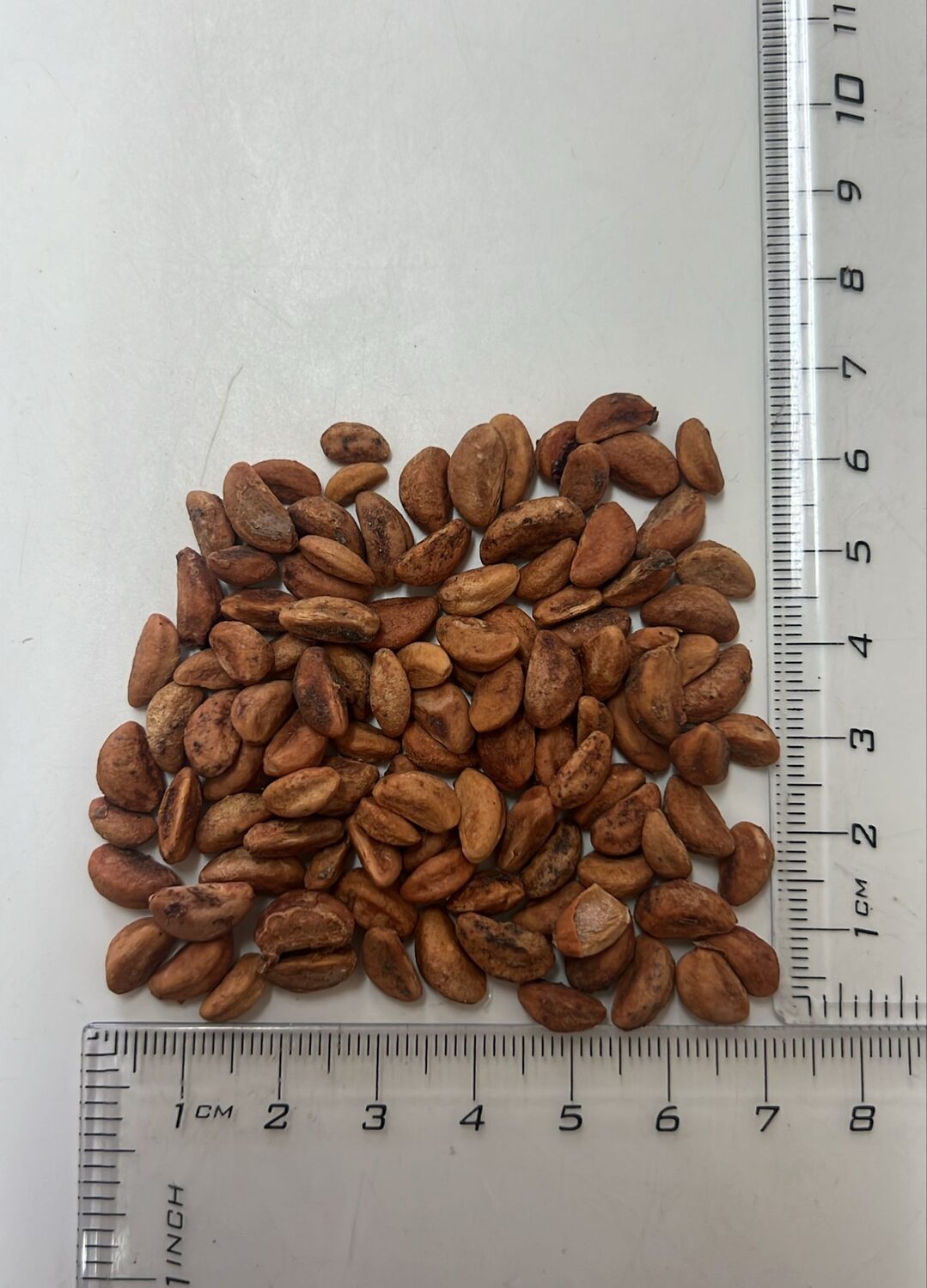
**Growing this treasure is delightfully straightforward.** The small to medium sized deciduous tree is relatively easy to grow and disease resistant. It prefers a well-drained moisture retentive loamy soil but is not at all fussy, and is suitable for light (sandy), medium (loamy) and heavy (clay) soils and can grow in very alkaline soils. It can grow in semi-shade or full sun and prefers moist or wet soil while tolerating drought once established. Crataegus pinnatifida is hardy to USDA zones 5-9, making it viable across most temperate climates. Seeds should be sown fresh when possible, soaked in tepid water for 12–24 hours before sowing in a well-draining seed mix maintained at 25–30°C, with germination occurring typically within 2–8 weeks. The tree reaches heights up to 23 feet, forming a rounded, dome-shaped crown with a relatively short trunk, providing excellent shade and a pleasing natural silhouette. The fruits attract birds and small mammals, while the flowers are a food source for pollinators like bees and butterflies—your tree becomes a hub of ecological vitality.
Imagine: three yea
Only logged in customers who have purchased this product may leave a review.
Reviews
There are no reviews yet.